
Did you know that ivermectin, a widely used medication for parasitic infections, originates from a natural source found in specific regions of the world? Understanding where ivermectin comes from and its geographic supply origins helps shed light on how this important drug is produced and distributed globally. For those interested in the journey from nature to medicine cabinet, knowing its roots can also highlight challenges related to access and quality. As ivermectin continues to serve millions for various health conditions, learning about its geographic sources allows readers to appreciate the complex supply chain and encourages informed discussions about availability and sustainability. This introduction aims to guide you through the origins of ivermectin, offering clarity on its natural beginnings and the regions that play a key role in bringing this medicine to patients worldwide, supporting safe and effective use under medical guidance.
Understanding the Origins of Ivermectin
Ivermectin’s story begins in nature, where it was first discovered as a compound produced by a soil-dwelling microorganism called *Streptomyces avermitilis*. This bacterium was isolated from soil samples collected in Japan during the 1970s. Researchers observed that this natural fermentation product had remarkable anti-parasitic properties, which led to its development into a drug. This origin highlights the critical role of microbial biodiversity in pharmaceutical innovation, reminding us that many life-saving medicines begin as natural substances waiting to be unlocked.
The production of ivermectin remains closely tied to these natural roots. The active ingredient is derived through a fermentation process, where *Streptomyces avermitilis* is cultivated under controlled conditions to maximize yield. This natural fermentation contrasts sharply with fully synthetic drugs, emphasizing the importance of access to specific microbial strains and suitable environments for their growth. Such dependency on natural microbial resources shapes the geographic supply chain of ivermectin, linking its origins to regions with strong microbial research infrastructure and access to fermentation technology.
Understanding ivermectin’s origins also sheds light on why certain countries have become key players in its production. Those with developed biotechnological capabilities and established pharmaceutical industries often lead this field. Additionally, their ability to maintain stable fermentation conditions and quality controls ensures a reliable supply of the drug. For anyone curious about the source of this medication, it’s useful to know that ivermectin’s journey from soil microbe to essential medicine is a prime example of how geography, natural resources, and science intersect.
- Natural microbial source: *Streptomyces avermitilis* – soil bacteria from Japan
- Production method: fermentation-based extraction
- Geographic impact: regions with biotechnology and pharmaceutical capacity
By appreciating ivermectin’s natural origins, consumers and healthcare professionals can better understand the complexities behind its supply. This awareness encourages responsible use and respect for the delicate balance between nature and pharmaceutical manufacturing, reminding us to consult healthcare providers about the best use of this important medicine.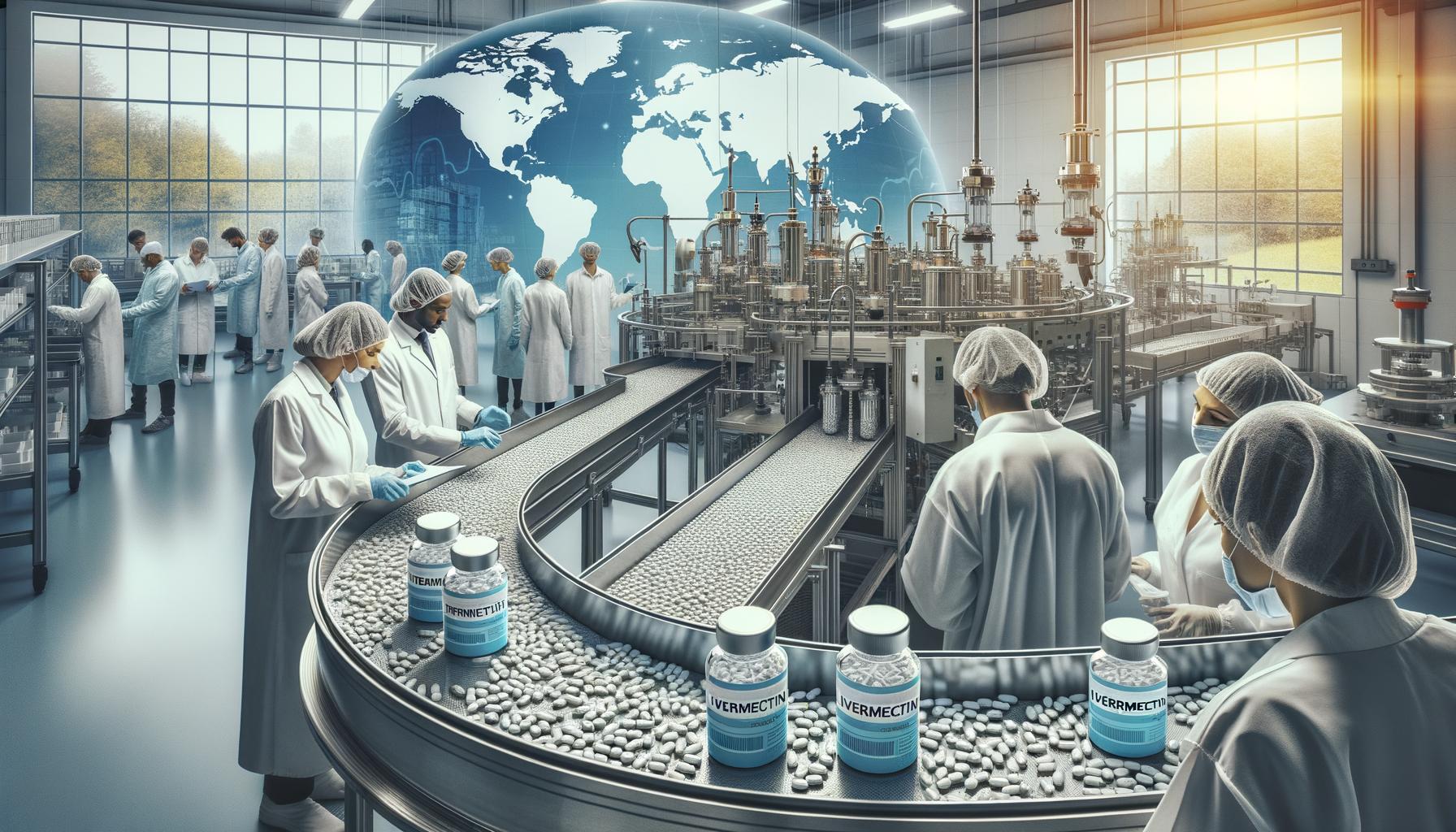
The Global Journey of Ivermectin Production
The journey of ivermectin from a soil microbe to a globally available medicine is a fascinating story of international collaboration, scientific innovation, and strategic resource management. While the microbe *Streptomyces avermitilis* was originally discovered in Japan, commercial production has since expanded across multiple continents. This expansion reflects a complex network of biotechnology hubs, manufacturing plants, and supply chains that must work in sync to meet global demand.
Production is concentrated in countries with advanced fermentation technologies and robust pharmaceutical sectors. These hubs possess the expertise and infrastructure needed to cultivate the microorganism under precise conditions, extract the active compounds, and ensure stringent quality controls. Examples include countries like the United States, Japan, India, and China, which have large-scale fermentation facilities and well-established pharmaceutical industries. Their capabilities enable efficient production that can scale up rapidly when demand rises.
Global distribution also depends on access to natural resources such as pure water, energy, and raw materials for growth media, which are essential for maintaining optimal microbial health during fermentation. Additionally, the movement of ivermectin through international supply chains requires regulatory harmonization to comply with different countries’ standards. This coordination is crucial to maintaining the drug’s safety, efficacy, and accessibility worldwide.
- Innovative fermentation techniques developed in key countries drive production efficiency.
- International partnerships improve access to high-quality raw microbial strains.
- Supply chain resilience depends on geographic diversity to mitigate risks from local disruptions.
Understanding this global journey helps us appreciate why ivermectin availability might fluctuate due to geopolitical factors, trade policies, or natural resource constraints. For consumers and healthcare providers, this insight reinforces the importance of supporting sustainable production practices and consulting medical professionals for appropriate use. Recognizing the sophisticated international efforts behind ivermectin’s journey fosters respect for this vital medicine and the ecosystems that support its creation.
Major Ivermectin-Producing Countries
Ivermectin production is deeply tied to countries that combine scientific expertise with industrial capacity. While the drug’s origins trace back to the discovery of *Streptomyces avermitilis* in Japan, the leading producers today span several continents, ensuring broad access and supply stability. These countries have invested in sophisticated biotechnological infrastructure and maintain rigorous quality standards, balancing quantity with the critical need for consistent efficacy and safety.
The United States stands out as a major hub, leveraging advanced fermentation technology and extensive pharmaceutical manufacturing networks. It plays a dual role, not only in producing ivermectin but also in conducting ongoing research to improve formulations and new applications. Meanwhile, Japan remains important due to its pioneering role in discovering the microbe and its continued commitment to innovation in microbial fermentation processes.
India and China represent crucial centers in ivermectin supply, driven by their large-scale pharmaceutical industries and cost-effective production methods. These countries support global demand by supplying both raw ivermectin and finished dose forms. Their manufacturing plants benefit from strategic government policies that emphasize pharmaceutical export growth, making ivermectin widely available, especially in low- and middle-income countries where parasitic infections are prevalent.
Access to essential inputs such as pure water, controlled temperature environments, and quality raw materials is a common thread among these producers. This reliance on natural resources and stable infrastructure highlights why countries with robust environmental management and energy policies tend to dominate the ivermectin production landscape.
- United States: Advanced biotech facilities and innovative capacity.
- Japan: Pioneering fermentation technologies and quality oversight.
- India: Cost-efficient production with large pharmaceutical manufacturing.
- China: High-volume supply supported by strong industrial output.
This geographic distribution not only supports global availability but also reduces risks from local disruptions like natural disasters, regulatory changes, or supply chain bottlenecks. For consumers and healthcare providers, awareness of these production hubs underscores the interconnected nature of medicine supply chains and the importance of supporting policies that sustain these vital manufacturing ecosystems.
By understanding where ivermectin comes from, readers can appreciate the complexity behind a medication often taken for granted, encouraging informed discussions with healthcare professionals regarding its availability and appropriate use.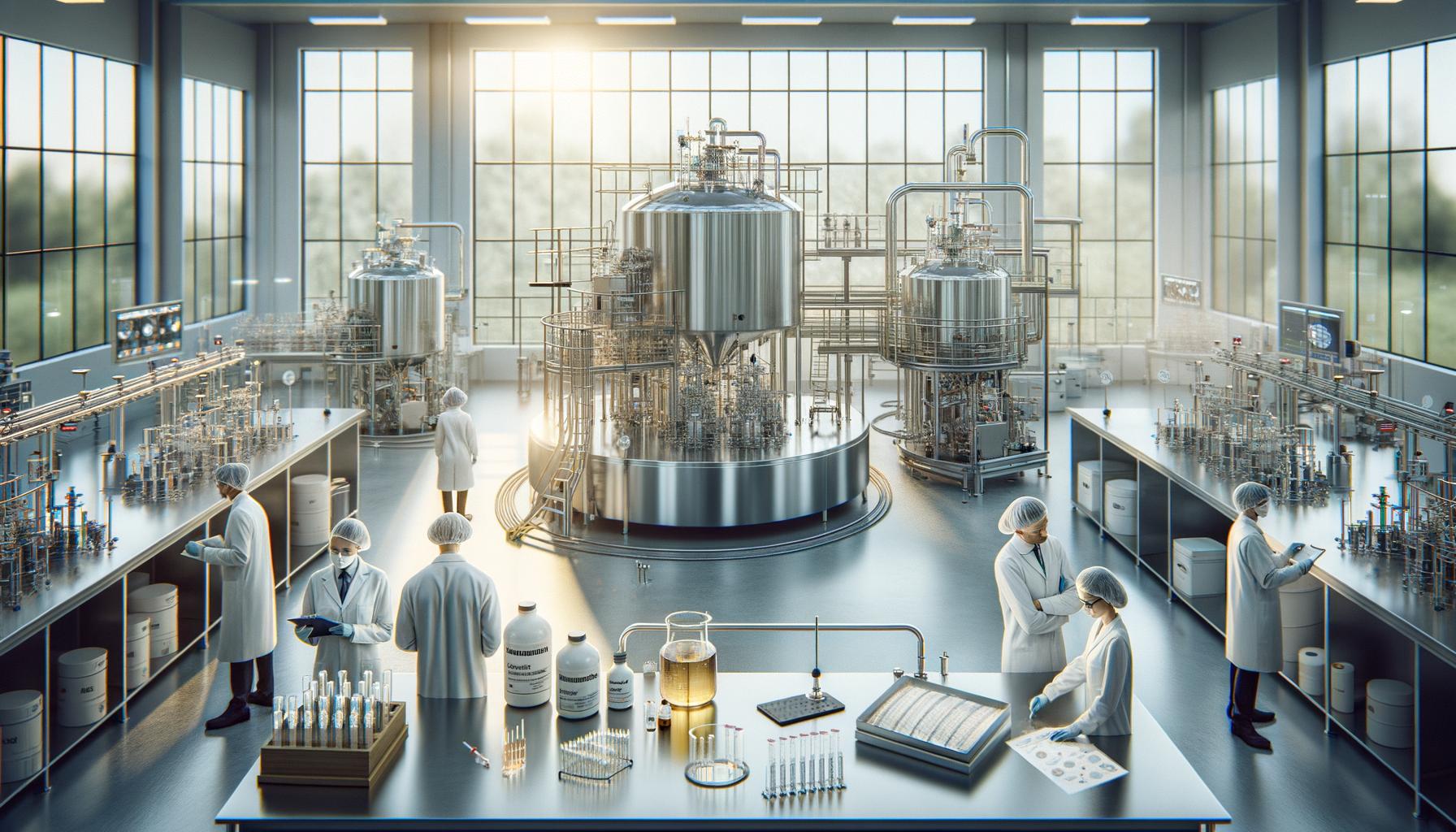
How Ivermectin is Manufactured: The Process Revealed
Ivermectin’s journey from a naturally occurring microbe to a widely used medication is a fascinating example of biotechnology at work. It begins with the cultivation of *Streptomyces avermitilis*, a soil bacterium discovered in Japan, which produces the core compound called avermectin. Through carefully controlled fermentation processes, this microorganism is grown in large, specialized bioreactors where conditions such as temperature, oxygen levels, and nutrient supply are meticulously maintained to maximize yield.
From Fermentation to Purification
Once fermentation produces sufficient avermectin, the substance undergoes extraction and purification. This step is crucial to separate the desired avermectin molecules from other byproducts and impurities. High-performance liquid chromatography (HPLC) and other advanced separation techniques help ensure the resulting material is of pharmaceutical grade. Purity standards are strict because even trace contaminants can affect the efficacy and safety of the final ivermectin product.
Conversion and Formulation
After purification, avermectin undergoes chemical modification to produce ivermectin – a process sometimes referred to as hydrogenation. This step transforms avermectin into the active drug form used to treat parasitic infections in humans and animals. Following this, the ivermectin is formulated into various dosage forms, such as tablets, creams, or injectables, depending on its intended use. Quality control tests at multiple stages confirm consistency, stability, and bioavailability, essential for reliable therapeutic effects.
- Fermentation: Large-scale microbial cultivation producing avermectin.
- Extraction: Isolation and purification to pharmaceutical-grade avermectin.
- Chemical modification: Converting avermectin into ivermectin.
- Formulation: Creating user-friendly dosage forms with consistent quality.
These manufacturing stages highlight why environmental factors such as water purity and temperature stability are vital-they influence microbial growth and the quality of the drug substance. For example, a facility’s geographic location may offer advantages if local resources support ideal fermentation conditions or if there is access to cutting-edge technology. Understanding this process helps explain why ivermectin production requires both biotechnical expertise and stringent quality assurance to safeguard patient health. As always, while ivermectin is effective against specific parasitic conditions, it should be used as directed by healthcare professionals, who can provide guidance based on current medical standards.
The Role of Natural Resources in Ivermectin Supply
Natural resources form the invisible backbone of ivermectin supply, influencing everything from raw material availability to production quality. At the core is *Streptomyces avermitilis*, a microorganism sourced from soil rich in specific mineral and organic content. The composition of this initial environment directly impacts the microbial strain’s vitality, affecting the yield and consistency of avermectin production. This link between soil health and drug quality illustrates the far-reaching role of natural ecosystems in modern pharmaceuticals.
Water quality is another critical resource. Fermentation processes require large volumes of ultrapure water to maintain optimal microbial growth and prevent contamination. Regions with natural access to clean, mineral-balanced water reduce the need for costly treatment. Temperature stability, often influenced by local climate, helps maintain controlled fermentation conditions without excessive energy input for heating or cooling. These environmental factors contribute not only to efficient production but also to sustainability goals by minimizing resource waste.
Natural Resource Dependence and Production Efficiency
Sourcing natural inputs carries logistical considerations as well. For example, facilities located near forests or agricultural zones benefit from easier access to substrates and nutrients that feed microbial cultures. Conversely, areas with scarce or degraded resources require additional imports or synthetic supplements, increasing costs and carbon footprints. This relationship between resource availability and supply chain complexity is essential for understanding regional advantages and challenges in ivermectin production.
- Soil Quality: Influences initial microbial strains and compound potency.
- Water Purity: Essential for contamination-free fermentation.
- Climate Conditions: Affect temperature regulation and energy use.
- Local Nutrient Sources: Impact efficiency and sustainability of microbial growth.
These factors collectively shape where ivermectin can be produced most effectively. For readers curious about global supply, it’s important to recognize how natural resource stewardship ties into drug availability and reliability. While biotechnological advances enable broader manufacturing, the fundamental role of nature in sustaining production remains indispensable. Always consult healthcare providers for ivermectin use, relying on trusted sources rather than assumptions about origin or quality.
Regulatory Framework Affecting Ivermectin Production
Global production of ivermectin is tightly regulated due to its status as a critical pharmaceutical used to treat parasitic infections in humans and animals. Navigating these regulatory landscapes is essential for manufacturers seeking to produce and distribute ivermectin safely and legally. Governments and international health organizations set strict standards ensuring product quality, safety, and environmental compliance throughout the production lifecycle.
Each country hosting ivermectin production facilities must adhere to guidelines from regulatory bodies such as the U.S. Food and Drug Administration (FDA), the European Medicines Agency (EMA), or the World Health Organization (WHO). These agencies oversee good manufacturing practices (GMP)-which include rigorous controls on raw material sourcing, fermentation conditions, impurity testing, and final product stability. These standards protect public health by minimizing risks like contamination, inconsistent potency, or harmful residues.
Multilayered Compliance in a Global Supply Chain
Ivermectin producers often operate within complex international supply chains, making regulatory compliance more challenging but equally vital. For instance, raw materials sourced from one country must meet import/export regulations and quality certifications before shipment. Once arriving at manufacturing plants in another country, additional local permits and inspections are required. This layered regulatory framework demands thorough documentation, traceability, and coordination among suppliers, manufacturers, and health authorities.
Regulatory Variations by Region
Regulatory intensity and requirements vary widely depending on geographic location. Developed countries typically enforce highly standardized processes with rigorous audits. Emerging market producers may face additional hurdles, such as capacity limitations in quality control systems or less extensive oversight infrastructure. These discrepancies affect supply reliability and public trust, sometimes leading to shortages or concerns over counterfeit or substandard drugs.
- Documentation: Essential for demonstrating compliance during audits and inspections.
- Quality Control Testing: Validates purity, potency, and safety of ivermectin batches.
- Environmental Regulations: Ensure sustainable waste disposal and limit industrial pollutants.
- Pharmacovigilance: Post-market surveillance to track adverse effects and maintain drug safety.
Many manufacturers invest heavily in compliance infrastructure not only to meet legal obligations but to build international reputations. For example, producers exporting ivermectin to multiple continents must harmonize their production sites to meet diverse standards simultaneously. This often includes certification under internationally recognized frameworks such as ISO (International Organization for Standardization) or WHO prequalification.
While regulatory frameworks add complexity, they ultimately safeguard drug efficacy and patient well-being. Understanding these systems helps clarify why ivermectin availability can fluctuate with changes in legislation, enforcement intensity, or political factors affecting pharmaceutical policy. For anyone curious about where ivermectin originates or how quality is preserved globally, regulatory oversight is a key piece of the puzzle.
Always consult healthcare professionals for appropriate ivermectin use and source medications from trusted suppliers that comply with these safety standards. The balance between access and rigorous regulation continues to shape ivermectin’s journey from natural resource to trusted medicine.
Challenges in the Ivermectin Supply Chain
Ivermectin’s supply chain faces complex challenges rooted in its reliance on specific natural resources and the intricacies of global pharmaceutical manufacturing. Raw materials necessary for ivermectin production, such as fermentation substrates derived from certain microorganisms, are geographically limited. This creates a bottleneck that can delay production when sourcing issues arise. Additionally, disruptions in one region-caused by environmental factors, political unrest, or transportation hurdles-can ripple through the entire supply chain, impacting availability worldwide.
Logistical Complexities and Quality Control
Transporting ivermectin components across borders involves navigating stringent regulations and customs procedures. Delays are common when documentation is incomplete or when different countries apply diverse import/export standards. These logistical challenges increase costs and timelines, sometimes forcing manufacturers to seek alternative suppliers with varying quality standards. Such substitutions risk introducing variability in ivermectin’s purity and potency, which are critical for its safety and effectiveness.
Managing Raw Material Scarcity and Supplier Dependence
Because fermentation-derived ingredients form the foundation of ivermectin, any shortage or contamination during microbial cultivation has immediate consequences. Manufacturers often depend on a limited number of certified suppliers, which reduces flexibility during periods of increased demand or supply chain interruptions. To mitigate this, companies may establish multiple sourcing relationships and invest in advanced microbial strains that improve yield and stability. However, scaling these solutions takes time and capital, affecting how quickly supply constraints can be alleviated.
- Quality Verification: Regular testing to ensure raw materials meet pharmacopeial standards.
- Supplier Audits: Periodic evaluations to verify manufacturing practices and compliance.
- Contingency Planning: Developing backup suppliers and alternate logistic routes to reduce risk.
Hospitals and pharmacies relying on ivermectin must be aware of these supply dynamics, as shortages or delays can occur without warning. Staying informed about production updates and sourcing medications from reputable distributors can help ensure access to authentic ivermectin. The pharmaceutical industry’s continued focus on strengthening supply chain resilience is vital for maintaining reliable treatment options globally.
The Impact of Geographic Location on Ivermectin Quality
Ivermectin’s quality can vary significantly depending on where and how it is produced. Geographic location influences many critical factors, including the availability of raw materials, manufacturing infrastructure, and regulatory oversight. For instance, regions blessed with access to optimal fermentation conditions and high-quality microbial strains can generate purer ivermectin precursors. In contrast, manufacturers operating in areas with limited technological resources or challenging climates may face difficulties maintaining consistent product standards.
Regional environmental conditions also affect the microbial cultures used in ivermectin’s biosynthesis. Temperature, humidity, and water quality can either support or hinder fermentation efficiency and yield. Small variations in these factors may lead to subtle changes in the molecular profile of the resulting compound, impacting its potency or stability. This variability necessitates rigorous quality control protocols-something more common in countries with robust pharmaceutical regulations and advanced production technologies.
Why Location Matters in Production Quality
Pharmaceutical plants in well-established markets typically adhere to internationally recognized standards like Good Manufacturing Practice (GMP). They conduct frequent quality verification tests, ensuring that products meet purity, potency, and safety benchmarks before distribution. In developing regions, however, oversight can be less stringent, increasing the risk of substandard or counterfeit ivermectin entering the supply chain. Patients and healthcare providers should seek medications from reputable sources and be wary of unusually low prices or unclear provenance.
Practical Tips for Ensuring Quality
- Source Awareness: Whenever possible, inquire about the geographic origin of ivermectin to assess manufacturing reliability.
- Certification Checks: Look for certifications such as GMP and approvals from entities like the FDA or EMA, which underscore adherence to quality standards.
- Consult Healthcare Professionals: Pharmacists and doctors can recommend trustworthy brands and inform you about potential quality concerns linked to specific sources.
Understanding the impact of geography on ivermectin quality empowers better decision-making. While regional differences exist, global efforts aim to harmonize standards and improve supply chain transparency. This helps ensure that regardless of origin, the ivermectin used worldwide is both safe and effective.
Emerging Markets in Ivermectin Production
Interest in ivermectin production is expanding beyond its traditional manufacturing strongholds as emerging markets begin to establish themselves in this important pharmaceutical sector. New players, particularly in parts of Asia, Latin America, and Africa, are leveraging advances in biotechnology and improved manufacturing infrastructure to contribute to the global supply. This diversification helps reduce dependence on a few large producers and boosts access in regions where parasitic infections remain prevalent.
Emerging manufacturers often focus on adaptable processes that suit local environmental conditions and available resources. For example, some facilities employ optimized fermentation techniques using native strains of Streptomyces avermitilis-the bacterium central to ivermectin biosynthesis-tailored to their regional climate and raw material availability. This localized approach can improve yields and lower production costs without compromising quality, provided strong quality control systems are in place.
Factors Driving Growth in New Markets
- Increasing Healthcare Demand: In regions where parasitic diseases are endemic, rising awareness and government initiatives have spurred demand for effective antiparasitic agents, motivating local production.
- Technology Transfer and Partnerships: Collaborations between established multinational companies and emerging market producers enable knowledge sharing and technology upgrades essential for maintaining high standards.
- Regulatory Improvements: Progressive pharmaceutical regulations in emerging economies help attract investment and foster compliance with international quality norms such as Good Manufacturing Practice (GMP).
Despite promising growth, newcomers must navigate challenges like securing consistent raw materials and investing in rigorous quality assurance frameworks. Engaging with trusted suppliers and international regulatory agencies supports credibility and product acceptance in global markets. For consumers and healthcare providers, understanding the origin of ivermectin remains crucial. Always prioritize products that demonstrate clear provenance and comply with recognized safety and efficacy standards. Consulting healthcare professionals about suitable ivermectin brands-the ones produced in reliable emerging markets or long-established regions-can safeguard treatment outcomes.
In sum, emerging markets are gradually shaping the ivermectin landscape with innovations that balance local strengths and global requirements. Their rise contributes to a more resilient, accessible supply chain, though transparency and quality vigilance continue to be key for protecting public health.
Future Trends in Ivermectin Supply and Demand
Ivermectin’s global supply is poised for notable shifts as demand evolves alongside advances in pharmaceutical technology and public health priorities. A key trend is the increasing decentralization of production, with emerging manufacturers in Asia, Latin America, and Africa gaining footholds. This shift not only broadens the geographic supply base but also introduces production methods adapted to local resources and conditions, promoting more resilient supply chains less susceptible to disruption.
Technological Innovation and Diversification
Emerging biotech techniques, such as optimized microbial fermentation using native strains of *Streptomyces avermitilis* (the bacterium essential for ivermectin synthesis), are helping reduce production costs while maintaining quality standards. These innovations often reflect regional environmental advantages and raw material access, enhancing efficiency. Global manufacturers are also exploring semi-synthetic routes to improve yield and reduce dependence on natural isolates, which could make supply more reliable and sustainable.
Growing Demand and Expanded Applications
Demand for ivermectin remains strong in regions affected by parasitic diseases, and as awareness of these conditions rises, so does the need for accessible treatment options. Additionally, ivermectin’s versatility is driving research into new therapeutic applications, which could spur further growth in demand. Healthcare policymakers and providers increasingly focus on ensuring supply continuity, especially in low- and middle-income countries where access is critical.
Regulatory and Market Dynamics
Stricter global regulatory standards on drug quality and safety will continue to influence production practices and market entry for new manufacturers. Compliance with Good Manufacturing Practice (GMP) and transparent supply chains are becoming non-negotiable to maintain trust. Strategic partnerships, technology transfer agreements, and international harmonization of standards will be vital for emerging producers aiming to compete globally.
- Supply Chain Stability: Efforts to diversify sources of raw materials, including natural precursors, aim to buffer against shortages linked to environmental or geopolitical challenges.
- Market Expansion: As governments bolster public health programs targeting neglected tropical diseases, procurement of ivermectin is gaining scale, prompting manufacturers to ramp up capacity.
For consumers and healthcare professionals alike, staying informed about the origins and production standards of ivermectin products helps ensure treatment safety and effectiveness. Consulting qualified medical providers before use remains essential, especially as new suppliers enter the market. The future of ivermectin supply hinges on balancing innovation, sustainability, and quality to meet global health needs reliably.
Sustainability Concerns in Ivermectin Manufacturing
Ivermectin production intertwines deeply with environmental and resource sustainability, making its manufacturing footprint a critical concern for the global health community. The primary source of ivermectin is the bacterium *Streptomyces avermitilis*, cultured through fermentation. While this biotechnological process is more sustainable than traditional chemical synthesis, it still depends heavily on inputs such as energy, water, and raw materials derived from natural resources. Regions producing ivermectin must balance scaling production with preserving these ecosystems, especially as demand grows.
Environmental Impact and Resource Use
Large-scale microbial fermentation consumes significant amounts of water and generates agricultural byproducts and biological waste. If improperly managed, waste can affect soil and water quality locally. Manufacturers increasingly adopt greener practices, such as recycling fermentation substrates or using renewable energy sources to power facilities. For example, some emerging producers in Asia and Africa leverage solar energy to reduce carbon emissions while enhancing cost-efficiency. Such measures demonstrate that sustainable manufacturing is achievable with forward-thinking strategies.
Supply Chain Vulnerabilities and Raw Material Sourcing
Natural precursors for semi-synthetic ivermectin often originate from plants or microbial derivatives native to specific geographic zones. Overharvesting or habitat disruption risks depletion of these critical inputs. To mitigate this, companies diversify and cultivate microbial strains adapted to different environments, ensuring consistent quality without exhausting wild sources. Transparent supply chain management and certification systems can encourage responsible sourcing, providing assurance that environmental and social standards are upheld.
Supporting Circular Economies and Local Communities
Building sustainability into ivermectin production goes beyond environmental stewardship. It includes empowering local communities through fair employment and capacity building. Facilities adopting circular economy principles reuse waste streams as biofertilizers or energy inputs, strengthening regional economies and reducing environmental footprints. These integrated approaches help create resilient production hubs that benefit local populations and secure medicine availability.
- Consideration of renewable energy adoption for manufacturing and logistics
- Implementation of waste treatment and recycling practices
- Investment in biotechnological research to enhance yields while minimizing environmental impact
- Community engagement and ethical sourcing to protect biodiversity and labor rights
Ultimately, consumers and healthcare providers can play a role by supporting products manufactured under stringent environmental and ethical standards. Staying informed and encouraging transparency helps drive the industry toward more sustainable practices. Always consult healthcare professionals when considering treatment options to ensure safety and efficacy remain paramount.
Lessons Learned from Ivermectin’s Global Distribution
Few pharmaceutical products illustrate the complexities of global production and distribution quite like ivermectin. Its journey from a soil-dwelling bacterium to a vital medicine has revealed important insights about balancing supply security with quality, sustainability, and ethical considerations. Understanding these lessons benefits not only those involved in manufacturing and regulation but also healthcare providers and patients worldwide who rely on consistent access to safe, effective treatments.
One clear lesson is the need for geographic diversification in production. Early ivermectin supply depended on limited sources of *Streptomyces avermitilis* strains primarily found in specific climates. This created vulnerabilities, as disruptions due to political, environmental, or logistical challenges in one region could ripple across global markets. Expanding manufacturing capabilities to multiple continents, such as Asia, Africa, and Latin America, has improved resilience while fostering economic development in emerging markets. However, geographic expansion must be balanced with stringent quality controls since raw material differences and local processing standards can influence final product consistency.
Supply chain transparency and ethical sourcing have also emerged as critical factors. Ivermectin production underscores how overreliance on wild-harvested or narrowly sourced microbial precursors risks environmental degradation and supply bottlenecks. Lessons from successful producers include investing in cultivation of microbial strains under controlled conditions and adopting certification systems that protect biodiversity and labor rights. For example, community engagement in Africa and Asia not only secures sustainable inputs but also builds local goodwill and infrastructure, strengthening long-term medicine availability.
Finally, embracing sustainability and innovation has become non-negotiable. Ivermectin’s fermentation-based manufacturing uses considerable resources; therefore, many producers aim to reduce environmental footprints through renewable energy, waste recycling, and process optimization. These efforts enhance efficiency and public trust, demonstrating how future pharmaceutical supplies can align with global health and environmental priorities.
- Diversify production locations to mitigate supply risks while ensuring harmonized quality standards.
- Prioritize sustainable sourcing through controlled cultivation and transparent supply chains to protect natural ecosystems.
- Invest in sustainable manufacturing practices that reduce resource use and environmental impact.
- Engage local communities to promote fair labor and contribute to resilient regional economies.
These insights encourage a thoughtful approach to medicine production, emphasizing that responsible stewardship of natural and human resources benefits all stakeholders. For healthcare consumers, this knowledge underscores the importance of selecting treatments produced with integrity and environmental care, always in consultation with healthcare providers to ensure safe use and effectiveness.
FAQ
Q: How does the geographic origin of ivermectin affect its availability worldwide?
A: The geographic origin of ivermectin influences availability due to regional production capacities and raw material access. Countries with strong pharmaceutical infrastructure supply most ivermectin, while remote areas may face shortages. Understanding global distribution helps anticipate supply chain fluctuations and supports informed healthcare planning.
Q: Why do some countries have a natural advantage in producing ivermectin?
A: Some countries benefit from access to *natural precursors* like specific soil bacteria and *advanced fermentation technology*. This combination lowers production costs and enhances quality, giving these regions a competitive edge in ivermectin manufacturing.
Q: What role do emerging markets play in the global ivermectin supply chain?
A: Emerging markets are increasingly important as they expand production capacity and improve regulatory standards. This diversification helps reduce dependence on traditional producers and supports a more resilient ivermectin supply chain.
Q: How might geographic factors impact the quality of ivermectin products?
A: Geographic factors like climate, raw material purity, and local manufacturing practices affect ivermectin’s quality. Regions with strict quality controls and access to *high-grade natural resources* produce more reliable formulations, ensuring safer patient outcomes.
Q: When did major geographic shifts in ivermectin production begin to occur globally?
A: Major shifts began in the late 20th century, as production moved from primarily Western countries to include Asia and South America. These changes improved global access and lowered costs through regional manufacturing and resource localization.
Q: What challenges do geographic supply origins present for ivermectin distribution?
A: Geographic supply origins can lead to logistical issues like transportation delays, regulatory barriers, and raw material scarcity. These challenges highlight the need for diversified supply chains and improved international collaboration to ensure steady ivermectin availability.
Q: How can knowledge of ivermectin’s geographic supply origins guide healthcare providers?
A: Understanding ivermectin’s supply origins helps healthcare providers anticipate availability issues and select reliable sourcing options. Staying informed aids in optimizing treatment plans and improving patient access globally.
Q: Are there environmental concerns tied to ivermectin’s geographic production areas?
A: Yes, some ivermectin-producing regions face sustainability challenges due to resource extraction and chemical waste. Responsible manufacturing and environmental regulations are essential to minimize ecological impact while maintaining supply.
*For deeper insights, explore sections like “The Role of Natural Resources in Ivermectin Supply” and “Sustainability Concerns in Ivermectin Manufacturing.” Always consult healthcare professionals for treatment guidance.*
To Wrap It Up
Understanding where ivermectin originates highlights the global efforts behind this important anti-parasitic medication’s supply chain. By tracing its geographic supply origins, we gain insight into the production processes ensuring quality and availability worldwide. This knowledge is crucial for anyone interested in ivermectin’s role in healthcare and its reliable sourcing.
To deepen your understanding, explore our resources on ivermectin uses, safety information, and emerging research. Whether you’re a healthcare professional or curious reader, staying informed empowers confident decisions. Don’t hesitate to subscribe to our newsletter for updates on ivermectin and related medical topics, or share your thoughts and questions below to join the conversation.
Continue your journey by exploring related topics like ivermectin’s applications, dosage guidelines, and global pharmaceutical distribution. Our trusted, easy-to-navigate content aims to keep you informed and engaged-helping you make sense of complex medical information every step of the way.