Did you know that the effectiveness of medications like ivermectin can significantly decrease if they’re not stored properly or used past their expiration date? Understanding whether ivermectin expires, along with its shelf life and storage guidelines, is essential to ensure its safety and effectiveness. Whether you have a prescription on hand or are simply curious about this well-known anti-parasitic drug, knowing how to handle and store ivermectin correctly can help you avoid potential risks and wasted treatments. In this article, we’ll explore what expiration means for ivermectin, how long it generally lasts, and the best practices for keeping it stable and potent. Staying informed helps you make safer choices and ensures you get the full benefit from your medication-always alongside advice from healthcare professionals.
Does Ivermectin Expire? Understanding Shelf Life Facts
Medicines like ivermectin do have expiration dates, and understanding what these dates mean is key to using the drug safely and effectively. Expiration dates indicate the time period during which the manufacturer guarantees the medication’s full potency and safety, based on stability testing. Beyond that date, the chemical composition can begin to change, potentially reducing effectiveness or increasing risks.
Ivermectin’s shelf life typically ranges from 2 to 3 years when stored properly, but this can vary depending on the formulation (tablet, topical, injectable) and packaging. Even if a product looks intact after the expiration date, there’s no reliable way for consumers to know if it will still work as intended or if it could cause unexpected side effects. This is why healthcare professionals urge caution about using expired drugs.
A practical example: a vial of ivermectin stored in a hot, humid environment may degrade faster than one kept in a cool, dry place. This highlights that expiration dates are not arbitrary but rather reflect the medication’s chemical stability under recommended storage conditions. It’s always wise to check the label, keep track of your medication dates, and consult your pharmacist or doctor before using ivermectin past its expiration.
Key Points to Remember
- Expiration dates mark when a drug is no longer guaranteed to be safe and effective.
- Proper storage helps maintain ivermectin’s potency for its intended shelf life.
- Use caution with expired ivermectin-consult a healthcare professional before use.
- Disposing properly of expired medication is important to avoid health or environmental hazards.
What the Shelf Life of Ivermectin Means for You
It’s tempting to think medications like ivermectin remain effective indefinitely, but the shelf life tells an essential story about how long the drug can reliably work as intended. This timeframe is not arbitrary-it reflects careful testing that measures how long ivermectin maintains its potency and safety under specific storage conditions. After the expiration date, its active ingredients may begin to degrade. This can lead to reduced effectiveness, and potentially, unpredictable outcomes if the medication is still used.
Understanding the shelf life also means recognizing how it aligns with your treatment needs. For example, if you store ivermectin tablets properly-typically in a cool, dry place away from direct sunlight-you can expect the medication to remain stable for about 2 to 3 years. However, conditions like heat, moisture, or poor packaging can accelerate breakdown, meaning the drug’s performance might lessen sooner than the label suggests. This highlights why following storage guidelines and checking expiration dates matter more than just as a formality.
When managing your medication, knowing the shelf life empowers you to make informed choices. If you find an expired bottle of ivermectin, avoid guessing its effectiveness or safety. Instead, consult with your healthcare provider or pharmacist-they can provide guidance or recommend a replacement. This approach protects not only your health but also ensures you’re receiving the full benefit of ivermectin as an anti-parasitic treatment.
- Shelf life reflects guaranteed potency: After expiration, effectiveness can decline unpredictably.
- Storage conditions impact longevity: Optimal conditions extend shelf life; heat and humidity shorten it.
- Expired does not always mean harmful, but caution is essential. Consult health professionals before use.
- Regularly check and track expiration dates to avoid surprises and ensure safe medication use.
How to Store Ivermectin Properly for Longevity
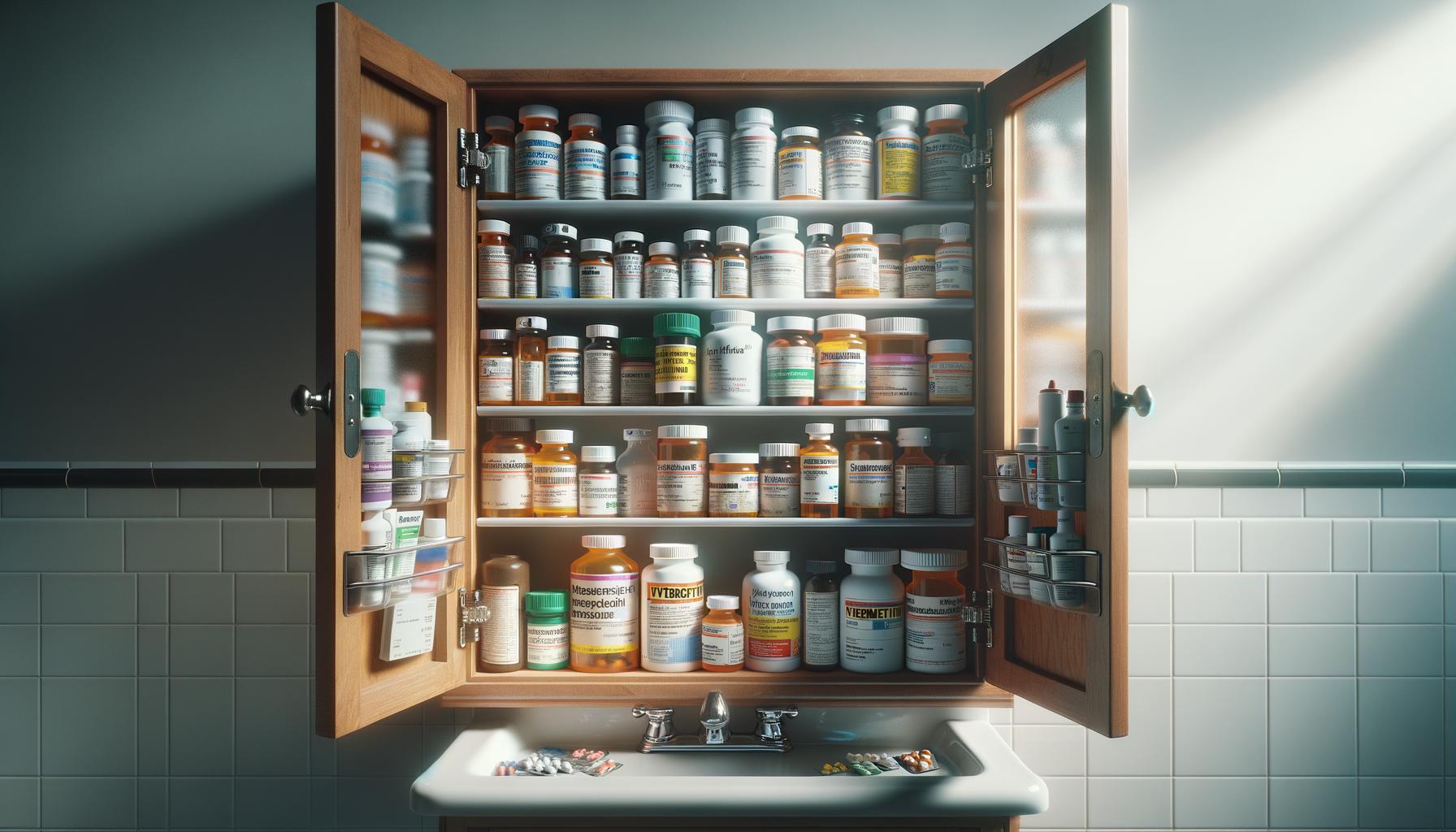
Medications like ivermectin can lose their effectiveness much faster if not stored with care. The key to preserving ivermectin’s potency lies in shielding it from the main factors that accelerate drug degradation: heat, moisture, and light. Even small lapses in storage conditions can cause the active ingredient to break down, making the medication less reliable when you need it most.
Ivermectin tablets and topical forms should be kept in their original packaging, which is designed to protect against environmental exposure. Store the medication in a cool, dry place away from direct sunlight-often a cabinet or drawer in a climate-controlled room works best. Avoid bathrooms or kitchens where humidity and temperature fluctuate throughout the day. Ideally, keep ivermectin well below 30°C (86°F) to maintain stability over its expected shelf life.
- Use airtight containers: If transferring ivermectin from its original packaging, choose containers that seal tightly to limit air and moisture exposure.
- Keep away from children and pets: Store medications in secure locations to avoid accidental ingestion, especially since veterinary formulations contain different dosages unsuitable for humans.
- Label clearly: Mark the container with the expiration date and storage notes to remind yourself when it’s time to replace the medication.
For households in warmer climates, consider storing ivermectin inside a refrigerator only if the label or your pharmacist advises it. Not all ivermectin formulations require refrigeration, and fluctuating fridge temperatures may introduce condensation risks. If refrigeration is not recommended, investing in a temperature-stable storage space like a cool basement or climate-controlled cabinet pays off in preserving potency.
In summary, treating ivermectin storage as carefully as any valuable medicine avoids premature spoilage. When you find any doubt about its condition-like exposure to heat or moisture-check with a healthcare professional before use. Following these thoughtful storage habits helps ensure that whenever ivermectin is needed, it remains a safe and effective choice.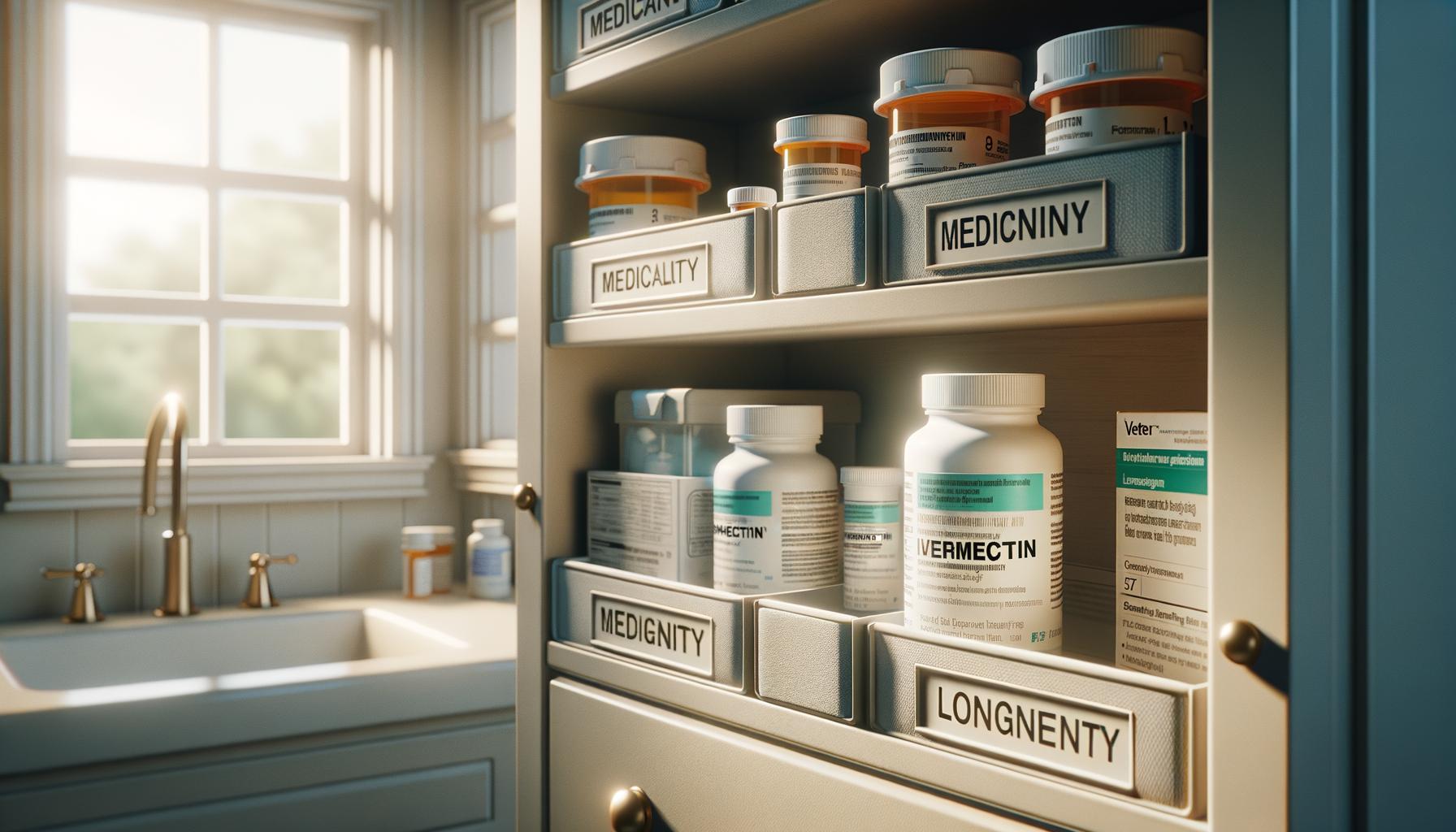
Signs That Ivermectin Has Expired
Many people wonder how to tell if their ivermectin has expired, given that its visual cues can be subtle. Unlike some medications that show immediate and obvious signs of spoilage, ivermectin may not always present clear changes, making it important to know what to look for and when to be cautious.
One of the first clues that ivermectin may have lost its effectiveness is a change in appearance. For tablets, this could include discoloration, unusual spots, or a powdery coating where the surface feels chalky or crumbly instead of solid and smooth. For topical formulations, note any change in color, separation of ingredients (such as oil separating from cream), or an off odor that varies from the usual mild scent. These physical changes often signal that the medication’s active ingredients have degraded due to factors like exposure to heat, moisture, or light.
In addition to appearance, the medication’s texture and packaging integrity are important indicators. If tablets are unusually brittle or soft, or if the liquid shows cloudiness or sediment, use caution. Damaged or compromised packaging – torn blister packs, broken seals, or containers that have absorbed moisture – can accelerate expiration and reduce potency. Always inspect packaging closely before use.
- Note any discoloration or unusual texture changes – tablets or creams that look different from when first purchased
- Smell for off or rancid odors, particularly in topical formulations
- Check for packaging damage or moisture signs like humidity inside sealed bottles or blister packs
- Be aware of the expiration date and how long it’s been stored– the best indicator of potency loss
If you notice any of these signs or if ivermectin has been stored improperly-such as in a bathroom where humidity fluctuates-consult a pharmacist or healthcare provider before use. Even if no outward signs are present, using expired ivermectin can mean receiving a less effective dose or risking treatment failure. When in doubt, it’s safer to replace the medication than to take a chance on compromised therapy.
Ultimately, recognizing these warning signs empowers you to make informed choices and helps ensure that when ivermectin is needed, it delivers the reliable performance expected for your health and safety.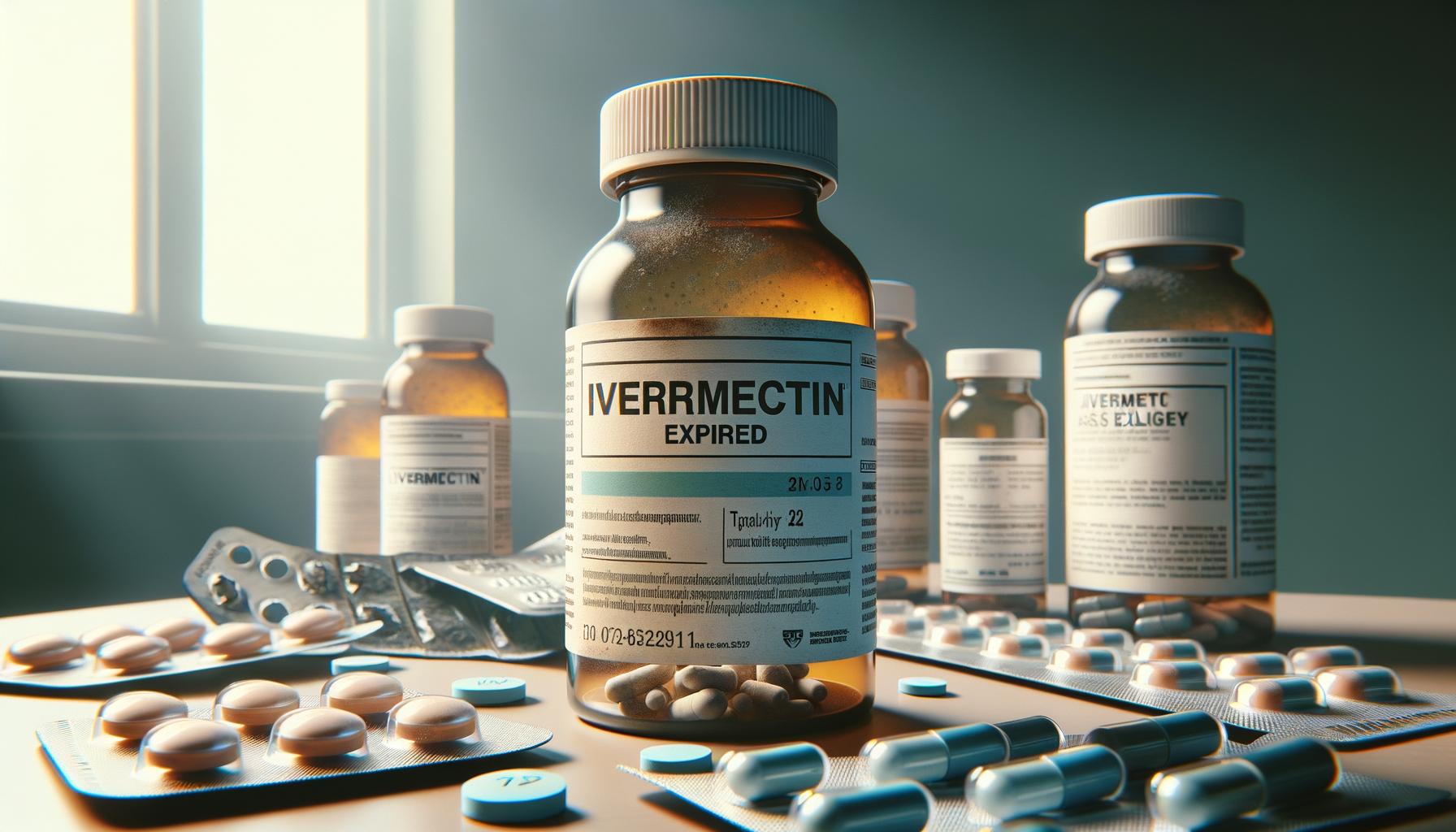
What Happens When Ivermectin Expires?
Medications like ivermectin have a defined shelf life, marking the period during which they maintain their potency and safety. Once this period lapses, the chemical composition of ivermectin may begin to change. Importantly, expired ivermectin doesn’t necessarily become harmful or toxic immediately; rather, its effectiveness can diminish. This reduction in potency means the medication might not deliver the intended therapeutic effects, potentially leading to suboptimal treatment outcomes.
In practical terms, using ivermectin past its expiration date can result in receiving a lower dose of the active ingredient than prescribed. For conditions such as parasitic infections, this may allow the infection to persist or worsen, as the medication isn’t fully effective. This issue can be especially critical in treatments requiring precise dosing, where underdosing might contribute to resistance or prolonged illness.
It’s also worth noting that expired ivermectin, particularly if stored improperly-such as in humid or high-temperature environments-may degrade faster or develop changes that are not visually obvious. While most degradation poses minimal direct harm, the key concern is loss of efficacy rather than toxicity. Still, if you notice changes in appearance, smell, or texture, it’s wise to avoid use and seek professional advice.
- Reduced potency: Lower therapeutic effect may compromise treatment.
- Risk of treatment failure: Persistent or worsening symptoms if medication isn’t effective.
- No immediate toxicity: Expired ivermectin generally isn’t harmful but may be less reliable.
- Enhanced degradation risks: Improper storage can accelerate loss of potency or cause physical changes.
When in doubt, consulting a healthcare provider or pharmacist is essential. They can confirm whether your medication remains safe to use or if replacement is necessary. Using ivermectin within its shelf life and proper storage conditions ensures the medication performs reliably, giving you confidence in your treatment’s success.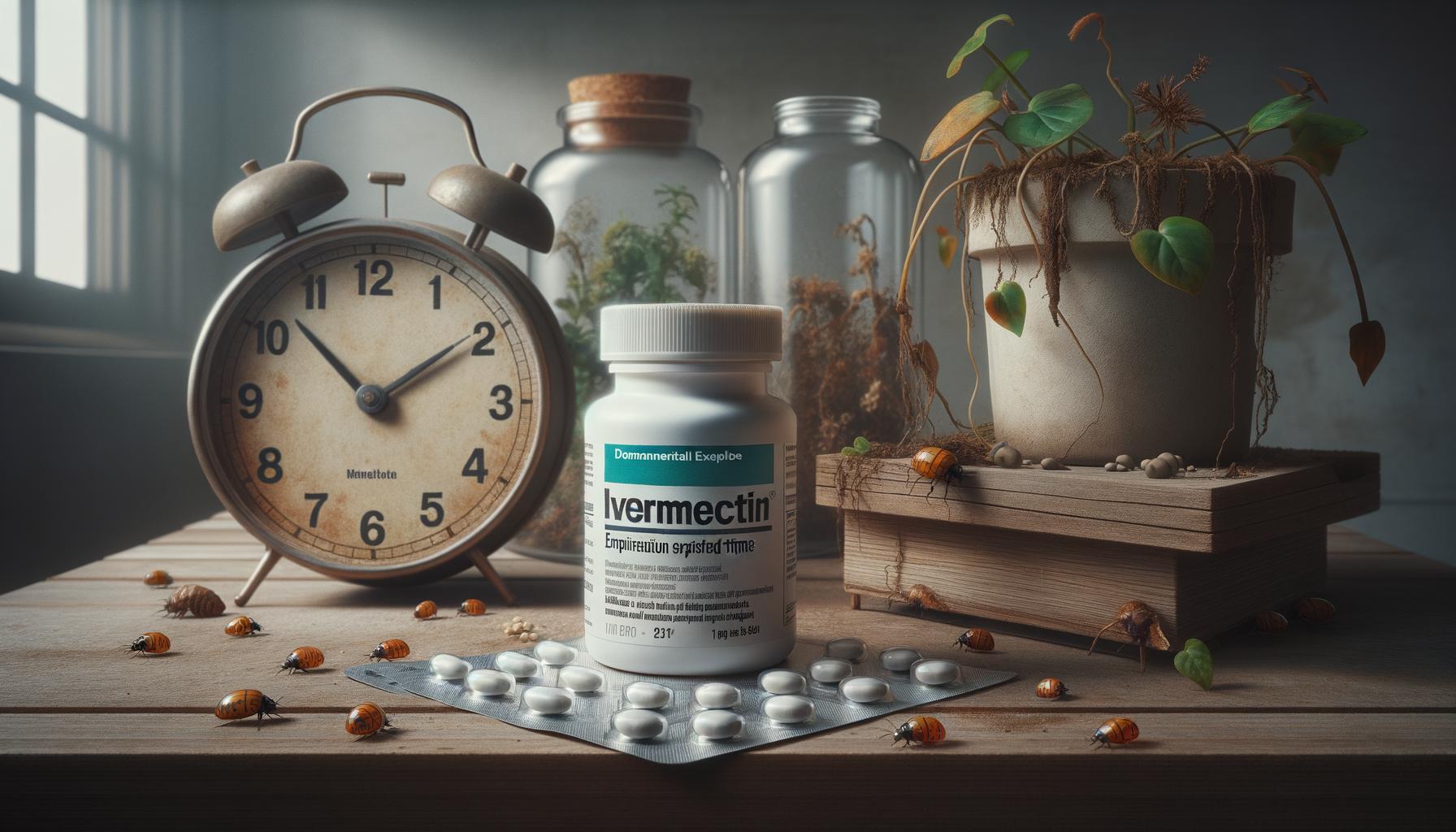
Comparing Expiration Dates: Ivermectin vs. Other Medications
Medications vary widely in their expiration periods, reflecting differences in chemical stability, formulation, and packaging. Ivermectin, which is a well-studied antiparasitic agent, generally has a shelf life ranging from 2 to 3 years when stored correctly. This aligns fairly closely with many solid oral medications, such as antibiotics or common pain relievers, which often have similar timelines. However, it contrasts sharply with certain sensitive drugs-like biologics or liquid suspensions-that tend to have shorter shelf lives, sometimes less than one year, due to their complex molecular structures and vulnerability to environmental factors.
The reason for these variations often boils down to the inherent stability of the active ingredients and the formulation. Ivermectin is a chemically stable compound under typical storage conditions (room temperature, dry environment), which contributes to its relatively longer shelf life. In comparison, medications containing proteins or hormones, such as insulin or some vaccines, require refrigeration and have shorter expiration dates because their structures can easily degrade, losing efficacy or potentially becoming unsafe.
- Solid tablets and capsules: Typically 1-3 years, including ivermectin and many generic drugs.
- Liquid formulations: Often 6 months to 1 year due to increased risk of bacterial growth and chemical breakdown.
- Biologics and peptides: Usually under 1 year and requiring careful temperature control.
| Medication Type | Typical Shelf Life | Storage Requirements | Notes |
|---|---|---|---|
| Ivermectin (oral tablets) | 2 to 3 years | Room temperature, dry place | Stable unless exposed to moisture or heat |
| Antibiotic tablets (e.g., amoxicillin) | 1 to 3 years | Room temperature, dry place | Similar stability profile to ivermectin |
| Liquid antibiotics (e.g., amoxicillin suspension) | 7 to 14 days (after reconstitution) | Refrigerated | Short shelf life; dispose if unused after prescribed duration |
| Insulin (biologic medication) | 3 months (unopened) | Refrigerated | Highly sensitive to temperature changes |
Such comparisons highlight a few important considerations for anyone managing medications. First, ivermectin’s shelf life is relatively forgiving compared to fragile biologics but still demands attention to storage conditions. Second, the expiration date is a reliable indicator not only of safety but also of expected effectiveness-using ivermectin or similar tablets beyond this date risks therapeutic failure due to diminished potency.
Finally, understanding these differences can empower safer medication practices. For example, while it might be tempting to use an expired oral tablet like ivermectin if stored properly, doing this with a biologic drug can be dangerous. If you’re ever uncertain, a pharmacist’s input is invaluable in verifying whether a medication is still good to use or if a replacement is warranted.
Learning about the shelf lives of various drugs clarifies why following expiration labels-and storage instructions-is a critical part of successful treatment outcomes [[1]](https://www.drugs.com/monograph/ivermectin.html), [[2]](https://www.drugs.com/pro/ivermectin-tablets.html).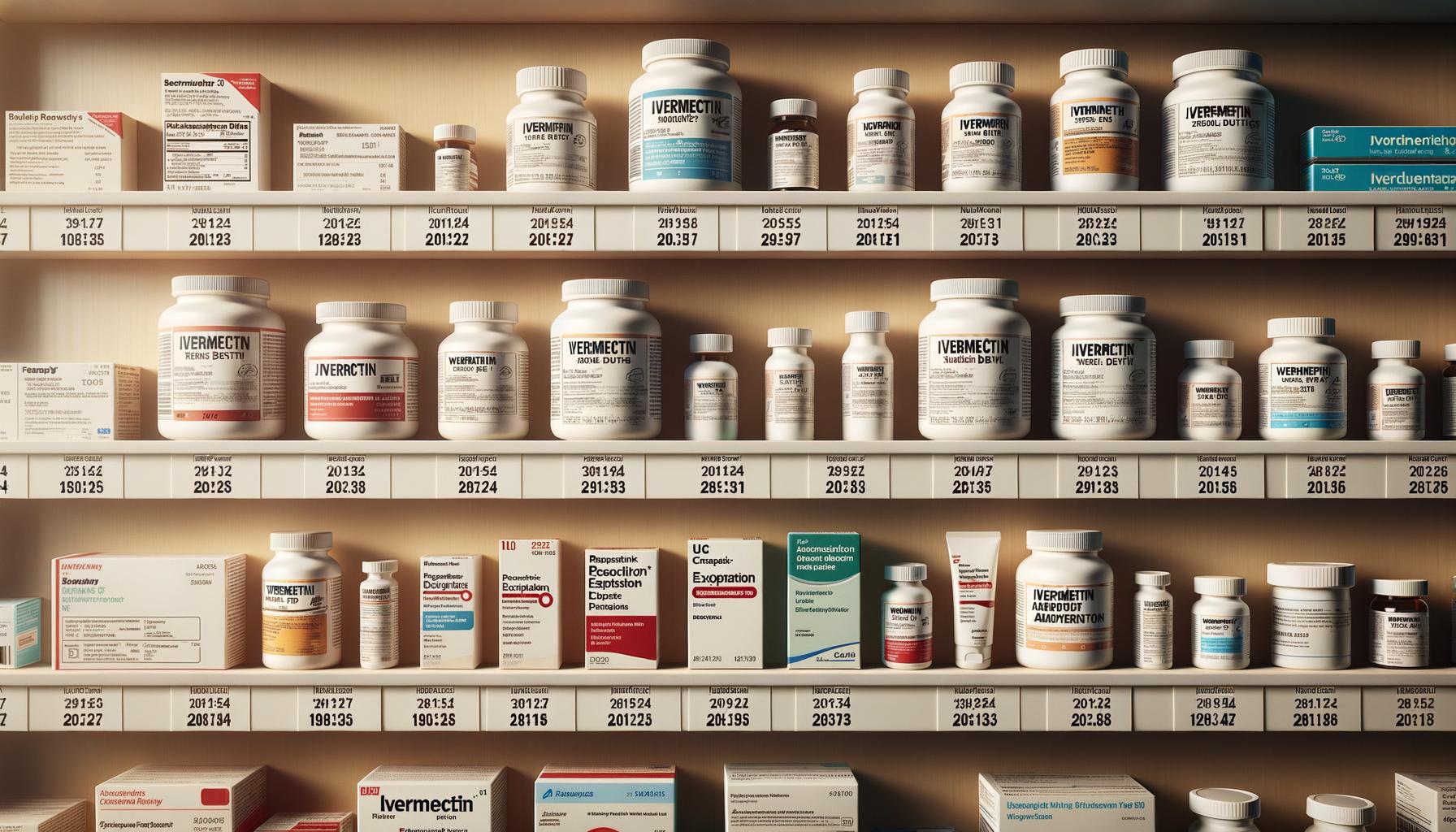
Common Myths About Ivermectin Shelf Life
It’s a common assumption that if a medication like ivermectin has passed its expiration date, it’s automatically dangerous or completely useless. In reality, the story is more nuanced. While expiration dates provide essential guidelines, the actual stability and potency of ivermectin can extend beyond these dates under ideal storage conditions. This doesn’t mean expired ivermectin should be used indiscriminately, but understanding the science helps clear up misinformation.
One persistent myth is that ivermectin will become toxic after expiration. This is generally unfounded because ivermectin’s chemical stability means it doesn’t typically break down into harmful substances quickly. Instead, the main risk is a gradual loss of effectiveness, which could lead to suboptimal treatment outcomes if used past the labeled date. Another misconception is that if ivermectin was stored in a seemingly ‘cool’ place, it can be kept indefinitely. Even minor exposure to heat, moisture, or light over time can degrade its quality, so the expiration date remains a trustworthy boundary for safety and efficacy.
Some also believe that liquid ivermectin formulations have the same shelf life as tablets, but this is inaccurate. Liquids are more vulnerable to contamination and breakdown, often requiring refrigeration and having significantly shorter shelf lives-typically less than a year. This distinction is important because confusing formulations may lead to improper storage or use habits. Always check packaging and consult healthcare providers if unsure about the specific form of ivermectin you have.
- Myth: Expired ivermectin is toxic.
Fact: It’s more about reduced potency, not toxicity. - Myth: Properly stored ivermectin never expires.
Fact: Expiration dates account for typical storage and safety margins. - Myth: All ivermectin forms have the same shelf life.
Fact: Liquids degrade faster than tablets. - Myth: Ivermectin can be used indefinitely if it looks or smells normal.
Fact: Visual checks aren’t enough to guarantee safety or potency.
When doubts arise, seeking advice from a pharmacist or healthcare provider is the best step. They can offer tailored guidance reflecting your specific medication’s batch, formulation, and storage conditions. Recognizing these myths helps foster better medication management and encourages safer, more effective treatment decisions.
Best Practices for Managing Medication Expiration
Properly managing medication expiration is a crucial step in ensuring both safety and effectiveness, especially with drugs like ivermectin. One effective approach is to keep an organized medication log or use a dedicated app that tracks expiration dates. This proactive system helps prevent accidentally using expired ivermectin, which might have diminished potency or efficacy. Label medicines clearly with the date received or opened, so you can easily spot when the shelf life is nearing its end.
Storing ivermectin according to the recommended conditions is equally important for extending its usability. For example, tablets should be kept in a cool, dry place away from direct sunlight to preserve their chemical stability. Liquid formulations, which are more sensitive, often require refrigeration and shorter shelf lives. Always adhere strictly to storage instructions on the packaging and avoid environments with fluctuating temperatures or high humidity, which can accelerate degradation.
When handling medications, resist the temptation to judge their safety based purely on appearance or smell. Ivermectin may look unchanged beyond expiration, but its effectiveness cannot be visually confirmed. Instead, consult a pharmacist or healthcare provider if you’re uncertain about a medication’s status. They can provide professional advice and recommend whether replacement is necessary, thus preventing ineffective treatments.
- Keep track: Use an organized system or app to monitor expiration dates.
- Proper storage: Follow manufacturer guidelines strictly to maintain drug stability.
- Consult experts: Always ask healthcare professionals if in doubt about a medication’s viability.
- Routine reviews: Regularly review your medicine supply to safely discard expired products before use.
Implementing these habits helps safeguard your health and maximizes the therapeutic benefits of ivermectin. Thoughtful medication management not only reduces waste but also supports responsible healthcare decisions grounded in safety and scientific understanding.
How to Dispose of Expired Ivermectin Safely
Discarding expired ivermectin properly is essential-not just for your safety but also to protect the environment. Many people think tossing medication in the trash or flushing it down the toilet is harmless, but improper disposal can lead to contamination of water supplies and unintended exposure to wildlife or others. Taking a responsible approach ensures that expired ivermectin doesn’t pose risks beyond its diminished effectiveness.
Steps for Safe Medication Disposal
- Check for take-back programs: Many local pharmacies, hospitals, or community clinics run medicine take-back events or permanent collection sites. These programs safely handle and destroy unused or expired medications.
- Follow disposal instructions: Some ivermectin packaging or patient leaflets may include specific disposal advice. If provided, always adhere to these manufacturer recommendations.
- Household trash disposal (if no take-back option): Mix the medication with an undesirable substance such as used coffee grounds, dirt, or cat litter. Place this mixture in a sealed plastic bag or container to prevent leakage and disguise the medicine, then dispose of it in your household trash.
Why Flushing Ivermectin Should Be Avoided
Flushing medication might seem convenient, but it can introduce active pharmaceutical ingredients into waterways. Even trace amounts of ivermectin excreted in water can affect aquatic ecosystems. Unless the packaging explicitly states flushing is an approved disposal method, avoid this practice. It’s best to use take-back systems or safe trash disposal instead.
Professional Consultation Encouraged
If you’re ever unsure about how to dispose of ivermectin or any medicine safely, seek advice from pharmacists or healthcare providers. They can direct you to local resources or provide tailored guidance based on your location. Community health departments often have updated information on sustainable disposal options tailored to your area.
By handling expired ivermectin thoughtfully, you help prevent accidental misuse and contribute to better public health and environmental stewardship. Small steps in medication disposal reflect larger commitments to safety and responsibility that benefit everyone.
Legal and Safety Considerations for Using Expired Ivermectin
Using expired ivermectin carries legal and safety risks that are important to understand. Medications come with a manufacturer-set expiration date based on stability testing, after which their potency and safety cannot be guaranteed. Taking ivermectin past this date may result in reduced effectiveness against parasitic infections, potentially leading to treatment failure or prolonged illness. More importantly, without clear data on how the drug degrades over time, there’s a risk-albeit generally low-of unexpected side effects or adverse reactions due to chemical changes in the medication.
From a legal perspective, healthcare providers and pharmacists are typically obligated to dispense medications that are within their expiration dates. Using expired ivermectin outside these standards may expose individuals to liability if harm occurs or if the medication is sourced from unauthorized suppliers. Additionally, regulatory agencies like the FDA do not approve or recommend using drugs past their labeled expiry, and doing so might violate local laws or institutional policies.
Important Safety Reminders
- Consult your healthcare provider before using ivermectin: Never self-medicate with expired products, especially if treating serious conditions such as strongyloidiasis or onchocerciasis.
- Avoid using veterinary ivermectin for human use: Animal formulations differ in dosage and ingredients, posing significant health risks.
- Be cautious with dosing if using near-expiry medication: Even if the drug’s appearance seems unchanged, efficacy may be compromised, so professional guidance is essential.
Responsible Use Supports Public Health
Adhering to expiration dates also helps prevent antimicrobial resistance and ensures that treatment regimens are effective. Using expired ivermectin without medical supervision may waste valuable time and delay proper care, especially in infections where timely intervention is critical. If you have expired ivermectin at home, the safest course is to replace it with a fresh supply rather than risk uncertain outcomes.
In summary, expired ivermectin should not be considered a safe or legally sound option. Always prioritize advice from healthcare professionals, respect regulatory guidelines, and source ivermectin only through legitimate channels. Such prudence protects your health, meets legal standards, and contributes to overall medication safety in the community.
Impact of Improper Storage on Ivermectin’s Effectiveness
Proper storage is crucial to maintaining ivermectin’s potency and ensuring it works effectively when needed. Exposure to high temperatures, humidity, or sunlight can accelerate the breakdown of the active ingredients in ivermectin, diminishing its therapeutic properties. For example, storing tablets in a bathroom cabinet, where moisture levels are often high, may cause the medication to degrade faster than if kept in a cool, dry place. This degradation can result in reduced drug effectiveness, which may compromise treatment outcomes for parasitic infections.
Unlike some medications, ivermectin is sensitive to environmental conditions that affect its chemical stability. While the exact degradation timeline varies depending on storage specifics, prolonged exposure to unsuitable environments can cause changes in the medication’s physical appearance-such as discoloration or crumbling-that signal reduced quality. However, even if the drug looks intact, its molecular structure might have altered in ways that lower its efficacy, emphasizing the importance of proper storage over relying solely on visual inspection.
How to Protect Your Medication from Improper Storage
- Keep ivermectin in its original packaging: The packaging is designed to protect against moisture and light exposure.
- Store at room temperature: Ideally between 20°C and 25°C (68°F to 77°F), away from direct sunlight, heat sources, or excessive cold.
- Avoid bathrooms and kitchens: These areas are prone to fluctuations in humidity and temperature.
- Use airtight containers: If repackaging is necessary, ensure containers are sealed to prevent air and moisture intrusion.
Failing to adhere to such guidelines may not only reduce ivermectin’s effectiveness but could also speed up expiration or cause the drug to become unsafe. Patients or caregivers who store ivermectin improperly risk treatment failure, which can extend illness duration or contribute to drug resistance due to suboptimal dosing effects. Whenever in doubt about the storage conditions or quality of ivermectin, consult a healthcare professional rather than relying on potentially compromised medication.
Proper storage complements observing expiration dates by preserving drug stability throughout its shelf life, thus safeguarding your health and treatment efficacy.
FAQ
Q: How does humidity affect the shelf life of ivermectin?
A: Humidity can degrade ivermectin faster by causing moisture to break down the medication’s active ingredients. To maintain its shelf life, store ivermectin in a dry place with low humidity, ideally in its original sealed container. This helps preserve potency and effectiveness over time.
Q: Can ivermectin lose effectiveness before the expiration date if stored improperly?
A: Yes, improper storage like exposure to heat, light, or moisture can reduce ivermectin’s effectiveness before its expiration date. Always follow storage guidelines to ensure the medicine remains potent and safe to use, as poor conditions accelerate degradation.
Q: Is there a difference in shelf life between ivermectin tablets and topical formulations?
A: Yes, ivermectin tablets generally have a longer shelf life compared to topical forms due to different ingredient stability. Always check the expiration on each product type and store according to manufacturer instructions to maximize shelf life.
Q: How long can ivermectin be stored after opening the package?
A: After opening, ivermectin should be used within the recommended timeframe on the label, often within 6 months to 1 year. Exposure to air and moisture after opening can reduce shelf life, so ensure the container is tightly closed and stored properly.
Q: What should I do if I accidentally ingest expired ivermectin?
A: If expired ivermectin is ingested, consult a healthcare professional immediately. While it may be less effective or cause mild side effects, medical advice ensures your safety and appropriate treatment.
Q: Are there any special storage tips for ivermectin in hot climates?
A: In hot climates, store ivermectin in a cool, dry place away from direct sunlight and heat sources, ideally below 25°C (77°F). Using airtight, opaque containers can help protect ivermectin from heat-induced breakdown and extend its shelf life.
Q: Can ivermectin be safely disposed of if expired or unused?
A: Yes, expired or unused ivermectin should be disposed of following local pharmacy guidelines or drug take-back programs. Avoid flushing medications or throwing them in regular trash to prevent environmental contamination.
Q: Why is it important to follow ivermectin’s expiration date even if it looks and smells fine?
A: Expiration dates indicate when ivermectin maintains full potency and safety, regardless of appearance or smell.** Using ivermectin past its expiry may reduce effectiveness and increase health risks, so always adhere to the expiration date for best results.
Feel free to explore the full article sections for detailed guidance on storage, safety, and disposal to ensure informed, safe use of ivermectin.
Wrapping Up
Understanding the shelf life and proper storage of ivermectin is essential to ensure its effectiveness and safety. Keeping ivermectin within its expiration date and storing it as recommended helps maintain its potency, so you get the best results when it matters most. If you have any doubts about your medication’s safety or how to store it, consulting a healthcare professional is always the best next step.
For more insights on ivermectin, including dosage guidelines and side effects, explore our related articles and resources to deepen your knowledge. Don’t forget to subscribe to our newsletter for the latest updates on medications and safe treatment practices. If you found this guide helpful, share your thoughts below or join the conversation to help others make informed decisions about ivermectin shelf life and storage. Your health matters, and staying informed is the key to making confident choices.
Explore further topics like parasite treatment options or how to identify medication expiration signs to keep expanding your understanding and ensure your well-being remains a top priority.