Did you know that ivermectin powder serves as a highly adaptable formulation used primarily to control parasitic infections in animals? This white to yellowish crystalline powder is renowned for its broad-spectrum antiparasitic properties, making it essential in veterinary medicine for treating various internal and external parasites. Whether you’re a livestock caretaker, veterinarian, or animal enthusiast, understanding how to effectively use ivermectin powder can help you manage animal health responsibly and safely. This guide will explore the science behind ivermectin, its formulation qualities, and practical application tips, empowering you with balanced, evidence-based insight. While ivermectin offers significant benefits for parasite control, it’s important to recognize its specific approved uses and limitations. Always consult a veterinary professional before use to ensure the right approach for your animals’ needs. By gaining clear knowledge about this versatile powder, you can make informed decisions that prioritize animal welfare and promote effective parasite management without undue risks or misconceptions. Let’s delve into the key aspects of ivermectin powder and its vital role in modern animal care.
Understanding Ivermectin: Uses and Mechanisms
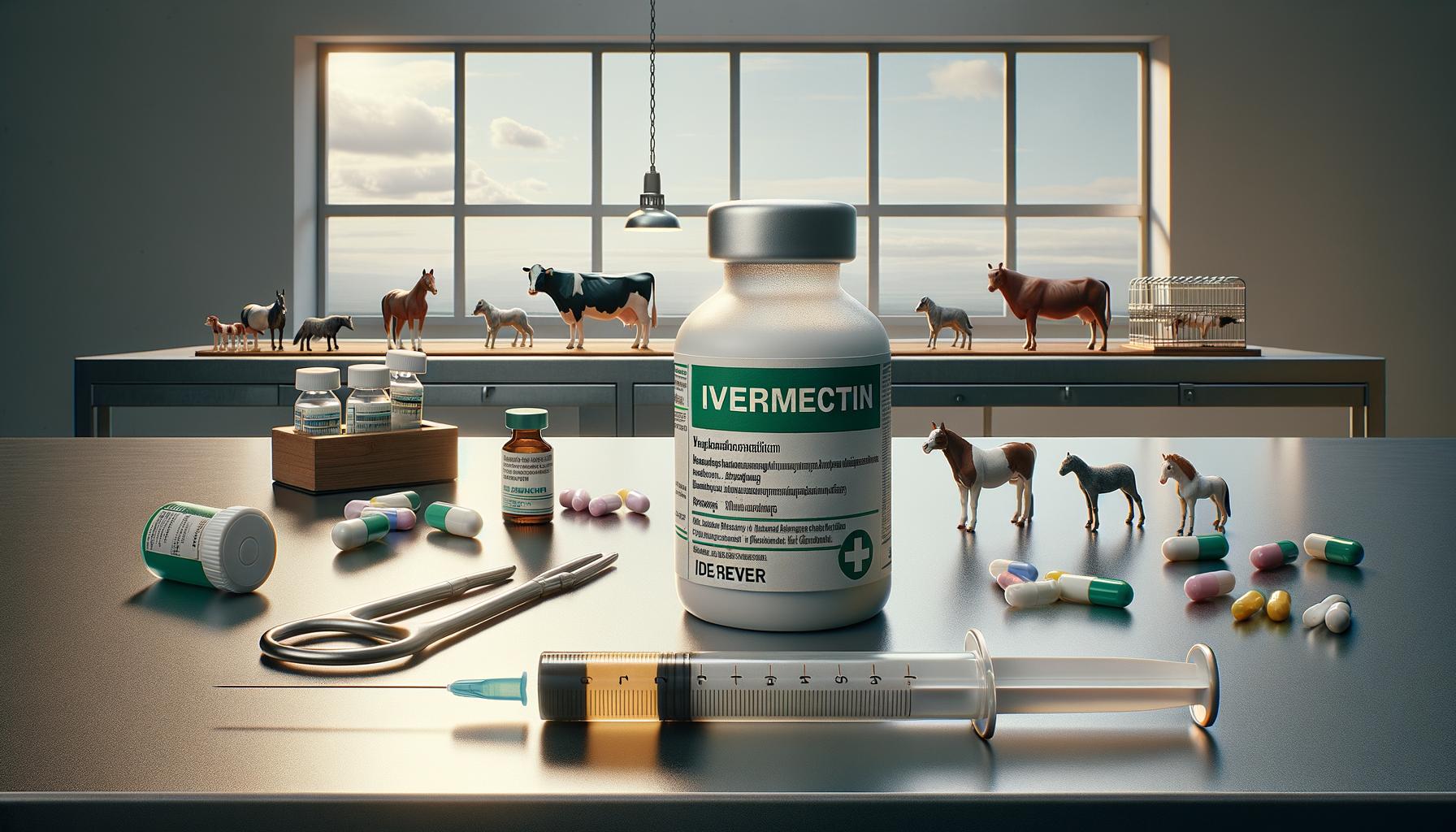
Ivermectin stands out as a powerful antiparasitic agent with a surprisingly broad spectrum of applications that extend well beyond its original use. At its core, ivermectin works by targeting the nervous system of parasites, disrupting essential processes that impair their ability to survive. This mechanism primarily involves binding to glutamate-gated chloride channels in invertebrate nerve and muscle cells, leading to paralysis and death of the parasite, while largely sparing human cells due to differences in receptor structure. Because of this specificity, ivermectin has become a cornerstone in treating various parasitic infections.
The versatility of ivermectin powder formulations lies not only in their antiparasitic efficacy but also in their potential anti-inflammatory and antiviral properties. These additional effects have spurred research into wider medical applications, including dermatological conditions and certain viral infections. For instance, ivermectin has been used successfully to treat onchocerciasis (river blindness), strongyloidiasis (threadworm infections), and other nematode infections in humans, demonstrating the drug’s broad clinical impact [1].
- Understanding the Mechanism: By interfering with neurotransmission in parasites, ivermectin causes gradual paralysis, preventing reproduction and spread.
- Uses in Human Health: Effective against a wide range of infections caused by roundworms and ectoparasites, ivermectin is integral in tropical medicine.
- Emerging Benefits: Its anti-inflammatory and antiviral actions are opening new avenues for therapeutic use beyond parasitic diseases.
Given its targeted mode of action and relative safety when used correctly, ivermectin offers a unique balance of efficacy and tolerability. However, the complexity of its mechanisms and expanding applications underline the importance of medical guidance to optimize use and avoid misuse. Understanding ivermectin’s multifaceted roles empowers patients and healthcare providers to make informed decisions grounded in sound science and clinical evidence [3].
The Versatility of Ivermectin Powder Formulations
Ivermectin powder formulations are prized for their adaptability across a broad range of medical and veterinary contexts. Their powdered form provides a stable, versatile base that can be precisely measured and compounded into various delivery methods, such as oral suspensions, topical creams, or injectables. This flexibility allows healthcare providers and veterinarians to tailor treatments effectively for different species, infection types, and severity levels.
Beyond their primary antiparasitic use, these powders have shown promise in expanding the reach of ivermectin’s properties. For instance, the high purity and consistent concentration achievable with powder forms enable researchers to explore ivermectin’s anti-inflammatory and antiviral potentials in new therapeutic arenas. Powdered ivermectin also facilitates combination formulations with other agents, enhancing efficacy or targeting multiple conditions simultaneously. Such adaptability supports ongoing clinical innovation while maintaining reliable dosing standards.
Practical advantages include ease of storage and transport, especially in resource-limited settings where liquid formulations might be less stable or require refrigeration. However, handling ivermectin powder safely is critical due to its potent bioactivity. Users should employ standard precautions-such as using protective equipment and avoiding inhalation-when preparing formulations at home or in clinical environments. Accurate dosing is essential; even slight deviations can impact efficacy or safety.
- Precision dosing: Powder form lets pharmacists and practitioners tailor dosages accurately.
- Formulation versatility: Transform powders into liquids, creams, or injectables based on clinical need.
- Storage benefits: Longer shelf life and less sensitivity to temperature fluctuations compared to liquid forms.
- Research flexibility: Facilitates investigational studies into broader applications like antiviral use.
In summary, ivermectin powders combine reliability with adaptability, meeting diverse treatment demands while fostering innovative uses that go beyond traditional antiparasitic therapies. Proper handling and professional guidance remain paramount to harnessing their full potential safely and effectively.
Applications in Veterinary Medicine: Efficacy and Safety

Few antiparasitic agents have matched ivermectin’s impact on veterinary medicine, where its effectiveness spans a broad spectrum of livestock and companion animals. This widespread utility is due in large part to its proven efficacy against internal and external parasites, including nematodes, mites, and certain insects. When utilized appropriately, ivermectin powder formulations empower veterinarians to deliver precise dosing tailored to species-specific needs and parasite loads, making treatment both efficient and targeted.
Efficacy Across Species and Parasite Types
Ivermectin works by binding to glutamate-gated chloride channels in parasite nerve and muscle cells, causing paralysis and death of the parasite. This mechanism is highly effective against many species of parasites that threaten animals such as cattle, sheep, horses, and dogs. In veterinary settings, ivermectin powder is typically compounded into oral pastes, injectables, or topical treatments to maximize absorption and compliance.
The versatility of powdered ivermectin allows for species-appropriate formulations that reduce dosing errors. For instance, carefully calibrated oral suspensions ensure that smaller animals receive therapeutic levels without risk of overdose. However, the margin between efficacy and toxicity in some species, especially certain dog breeds like Collies that have a genetic sensitivity to ivermectin, highlights the need for veterinary supervision.[[[3]](https://www.akc.org/expert-advice/health/heartworm-medication-side-effects/)
Safety Considerations and Risk Management
While ivermectin demonstrates an excellent safety profile when administered at recommended dosages, misuse or overuse – especially of large animal formulations in smaller animals – can lead to toxicity. Clinical signs of ivermectin poisoning include neurological symptoms such as ataxia, tremors, and in extreme cases, coma. Gastrointestinal upset and muscle weakness have also been reported in overdose scenarios.[[[1]](https://pubmed.ncbi.nlm.nih.gov/36374218/)
Veterinary practitioners must emphasize accurate weighing of animals before dosing and caution against off-label use of ivermectin products designed for other species. Storage and handling of the powder also necessitate care-protective equipment should be worn to prevent accidental exposure, given ivermectin’s potent bioactivity. Keeping ivermectin formulations away from unintended species and adhering to withdrawal times in food-producing animals preserves animal welfare and consumer safety.
- Always confirm the target species and parasite sensitivity before administering.
- Use formulations specifically intended for the animal class to avoid toxicity.
- Consult a veterinarian for dosing guidance, especially in mixed-species environments.
- Monitor treated animals for any adverse effects, particularly with repeat dosing.
In essence, ivermectin powder’s strength lies not just in its broad antiparasitic spectrum but also in the precision it affords to veterinary treatments when handled responsibly. Continued research and adherence to veterinary protocols ensure that the benefits of ivermectin are fully realized with minimized risk, supporting health management across diverse animal populations.[[2]](https://vetmed.tennessee.edu/ivermectin-use-in-veterinary-medicine-what-you-need-to-know/)
Ivermectin for Human Use: Guidelines and Safety Concerns

Ivermectin has earned a notable place in human medicine as an effective treatment against several parasitic infections, especially in tropical regions where such diseases are prevalent. Its well-established role includes combating river blindness (onchocerciasis) and strongyloidiasis, conditions that affect millions worldwide. However, using ivermectin responsibly requires understanding its specific indications, appropriate dosing, and the importance of professional medical guidance to avoid misuse or adverse effects.
Guidelines for Safe Use
Ivermectin for human use is typically administered orally in tablet form, with doses carefully calculated based on body weight and the condition being treated. Unlike veterinary formulations, which often come as powders or injectables, human ivermectin is approved specifically for certain parasitic infections under strict regulatory oversight. Self-medicating or using veterinary ivermectin products can be dangerous and is strongly discouraged, as formulations differ in concentration and additives.[1]
Always consult a healthcare professional before starting treatment. Doctors assess the precise diagnosis and any potential drug interactions or contraindications, especially in individuals with liver impairment or certain neurological conditions. Following prescribed courses ensures the best outcomes and reduces the risk of parasite resistance.
Safety Concerns and Monitoring
While ivermectin is generally well-tolerated at recommended doses, side effects can occur. These may include dizziness, nausea, mild skin rash, or gastrointestinal symptoms. Serious adverse reactions are rare but warrant immediate medical attention. It’s important to avoid off-label use or excessive dosing, as this increases the risk of toxicity, which can manifest as neurological symptoms like confusion or seizures. Patients with pre-existing conditions or those taking multiple medications should be closely monitored.
- Do not use ivermectin without consulting a healthcare provider.
- Strictly adhere to prescribed dosing schedules.
- Report any unusual symptoms immediately.
- Avoid using formulations not intended for human use.
Healthcare providers balance ivermectin’s benefits against potential risks through careful patient evaluation and follow-up. This approach maximizes safety while leveraging the drug’s potent antiparasitic effects.[2]
In short, using ivermectin in humans must be grounded in evidence-based practice, medical supervision, and respect for established dosing guidelines. This ensures that its therapeutic potential is realized without compromising safety or public health.
Comparative Analysis: Ivermectin vs. Alternative Treatments

Ivermectin stands out in antiparasitic therapy due to its broad spectrum and generally favorable safety profile, but it’s important to weigh its efficacy and limitations against alternative treatments to make informed healthcare decisions. For example, when treating common parasitic infections such as strongyloidiasis, ivermectin has shown superior effectiveness compared to drugs like albendazole or thiabendazole. Albendazole, while useful, is typically considered less effective than ivermectin for this purpose, and thiabendazole is often reserved when ivermectin is unavailable or contraindicated due to its higher side effect burden[[[1]](https://pmc.ncbi.nlm.nih.gov/articles/PMC4916931/).
In dermatology, ivermectin’s role in managing scabies has been extensively studied and compared to topical agents like lindane. Oral ivermectin’s ease of administration and comparable efficacy often make it a preferred choice, especially in patients who struggle with applying topical medications or where topical resistance or compliance issues are concerns[[2]](https://jamanetwork.com/journals/jamadermatology/fullarticle/477887). However, it’s important to recognize that ivermectin is not a universal solution. For some parasitic infections, combination therapy or alternative drugs remain critical, especially when ivermectin resistance emerges or when specific parasites respond better to other agents.
Benefits and Limitations in Practical Use
- Advantages of ivermectin: Convenient oral dosing, broad antiparasitic activity, and good tolerance support its widespread use.
- Limitations: Not all parasites respond equally; resistance patterns can develop, and ivermectin is ineffective against certain stages or species of parasites.
- Alternatives such as albendazole and thiabendazole: May be preferred based on parasite type, patient tolerance, or coexisting conditions.
Considering veterinary contexts, ivermectin formulations in powder or injectable form provide effective parasite control but differ from human-approved forms in dosing and safety profiles. Always use veterinary ivermectin strictly for animals, and avoid crossover use due to these differences.
Ultimately, these comparisons highlight the importance of selecting the right treatment based on parasite species, patient characteristics, and safety considerations. When in doubt, consult healthcare or veterinary professionals who can tailor therapy appropriately, balancing efficacy against potential side effects and resistance risk. This approach ensures ivermectin and its alternatives are utilized optimally within their respective therapeutic niches.
Dosage and Administration: Best Practices

Administering ivermectin accurately is key to maximizing its therapeutic benefits while minimizing risks. Because ivermectin dosing often depends on body weight, precise measurement is critical, especially when working with powder formulations intended for dilution or compounding. Underdosing may lead to treatment failure and contribute to resistance, while overdosing increases the risk of adverse effects. For humans, the typical regimen involves a single oral dose of approximately 200 micrograms per kilogram of body weight, taken on an empty stomach to enhance absorption. This means an adult weighing 70 kg would generally receive about 14 mg in one dose[[2]](https://www.medsafe.govt.nz/profs/datasheet/s/Stromectoltab.pdf).
Using ivermectin powder requires careful preparation to ensure consistent concentration and dose accuracy. When compounding powder into suspension or tablet form, pharmacists and healthcare providers must follow strict protocols to maintain stability and bioavailability. Patients should always use ivermectin exactly as prescribed and avoid self-adjusting dosage or frequency. In veterinary practice, dosing guidelines vary widely by species and weight. For example, livestock may receive ivermectin as a feed additive or subcutaneous injection with dosages tailored accordingly. It is crucial never to substitute veterinary ivermectin for human use due to differences in formulation and toxicity profiles.
Guidance on Timing and Administration
- Empty Stomach: Take ivermectin at least one hour before or two hours after meals to improve absorption and effectiveness.
- Single vs. Repeat Dosing: Many parasitic infections clear with a single dose; however, some conditions may require a second dose after 1-2 weeks, depending on clinical guidelines and infection severity.
- Avoid Off-Label Use: Do not increase dose frequency without medical advice, as excessive amounts do not improve efficacy and raise safety concerns.
Practical Tips for Safe Handling and Use
- Store ivermectin powder in a cool, dry place away from direct sunlight and moisture to maintain potency.
- Use precise scales or calibrated measuring devices when preparing doses from powder to avoid errors.
- If compounding at home, consult a pharmacist to ensure correct formulation and stability.
- Report any unusual side effects promptly to healthcare providers to allow for timely intervention.
| Weight Range (kg) | Typical Human Dose (mg) | Comments |
|---|---|---|
| 15 – 24 | 3 | Common pediatric dose range |
| 25 – 35 | 6 | Adolescents and small adults |
| 36 – 50 | 9 | Average adult dose |
| 51 – 65 | 12 | Heavier adults |
| 66 – 79 | 15 | Upper adult weight range |
Accuracy in dosing and adherence to administration instructions significantly enhance ivermectin’s success in eradicating parasites. Always seek professional guidance before initiating or modifying treatment. This approach respects ivermectin’s potent pharmacology while safeguarding patient safety and therapeutic outcomes[[[1]](https://fpnotebook.com/ID/Pharm/Ivrmctn.htm).
Potential Side Effects and Risk Management

Ivermectin is generally well-tolerated when used appropriately; however, awareness of its potential side effects is essential for safe and effective treatment. Most adverse reactions tend to be mild and temporary, such as itching, headache, and dizziness, which often resolve without intervention. These symptoms usually reflect the body’s response to dying parasites rather than direct drug toxicity. Still, recognizing early signs of intolerance allows timely adjustments and prevents more serious complications.
While rare, more significant neurological effects-including confusion, seizures, or altered consciousness-have been reported, especially with overdosing or pre-existing health conditions. This makes accurate dosing and strict adherence to prescribed regimens crucial. Because ivermectin powder requires precise measurement when compounded into suspensions or tablets, professional oversight helps minimize dosing errors. Never substitute veterinary formulations for human use, as differences in concentration and excipients can increase the risk of adverse events.
Common Side Effects
- Pruritus (Itching): The most frequently reported symptom, often linked to immune responses as parasites die.
- Dizziness and Headache: Mild neurological symptoms that typically subside within hours to days.
- Gastrointestinal Upset: Nausea, vomiting, diarrhea, or constipation may occur but are generally short-lived.
Risk Management Strategies
- Precise Dosing: Use calibrated equipment for measuring powder formulations to prevent accidental overdose or underdose.
- Medical Supervision: Always consult healthcare providers before starting treatment and report any unusual or severe symptoms immediately.
- Avoid Off-Label Usage: Stick to approved indications and dosing schedules to reduce risk exposure.
- Patient Education: Inform patients about potential side effects and the importance of completing prescribed courses without unsanctioned modifications.
Understanding these potential reactions fosters informed decisions and encourages respectful communication between patients and providers. For example, patients experiencing itching might mistake it for an allergic reaction and discontinue treatment prematurely. Educating that this symptom is often expected and manageable can improve adherence and outcomes. Additionally, individuals with neurological disorders or compromised liver function should use ivermectin cautiously, under strict medical guidance.
By embracing a proactive stance on side effect awareness and risk management, the therapeutic use of ivermectin powder can remain both safe and effective, supporting its broad applicability without compromising patient well-being[[[1]](https://pmc.ncbi.nlm.nih.gov/articles/PMC5929173/)[[[3]](https://www.goodrx.com/ivermectin/ivermectin-side-effects?srsltid=AfmBOorO71IMcSRQ0gSSFeFvKoxYw15w0wfGnByEXqr0dVl6jTB8l8NO).
Ivermectin’s Role in Disease Management: Case Studies
Few antiparasitic drugs have demonstrated as broad an impact as ivermectin, a powerful tool that has reshaped management strategies for various parasitic infections worldwide. Its ability to disrupt the nervous systems of parasites makes it especially effective against diseases like onchocerciasis (river blindness) and lymphatic filariasis, conditions that historically caused significant disability and suffering. Case studies from endemic regions reveal how sustained ivermectin use not only alleviates individual symptoms but also contributes to community-level reductions in disease transmission.
One illustrative example comes from large-scale mass drug administration (MDA) programs in Africa for onchocerciasis. Communities receiving semi-annual ivermectin treatments for over a decade witnessed dramatic declines in infection rates and associated morbidity. These programs underscore ivermectin’s role not just as a treatment but as a cornerstone for public health interventions aiming at disease elimination. Success hinges on adherence to dosing schedules and sustained engagement with local populations, illustrating the importance of combining pharmacology with community health strategies.
In veterinary medicine, ivermectin powder formulations have proven instrumental in controlling parasitic infestations among livestock, improving animal welfare and productivity. Farmers report fewer losses due to parasitic diseases, and veterinarians highlight the ease of creating tailored topical or oral formulations from powder, enhancing dosing accuracy and compliance. This flexibility supports integrated parasite management and reduces reliance on frequent high-dose treatments, mitigating resistance development concerns.
Practical Insights from Case Management
- Consistency is Key: Long-term success stories emphasize strict adherence to dosing intervals.
- Monitoring for Resistance: Periodic assessments help detect early signs of decreasing drug efficacy, allowing timely intervention.
- Customized Formulations: Compounders can adapt ivermectin powder into suspensions or tablets suited for specific patient needs or livestock species.
- Holistic Care: Combining ivermectin use with supportive care, sanitation improvements, and vector control maximizes outcomes.
Balancing efficacy with safety remains critical, particularly when translating large-scale programs to individual treatments. Healthcare providers should always tailor ivermectin use to the specific infection, patient health status, and local parasite ecology. The collective experience from case studies reinforces ivermectin powder as a flexible, effective option when integrated thoughtfully into broader disease management frameworks.
For those considering ivermectin in their treatment plans-whether in human or veterinary contexts-consulting with specialists and adhering to evidence-based protocols ensures the best benefits with minimal risks. These lessons from real-world applications highlight ivermectin’s continuing evolution from a single-drug solution to a key component of multifaceted disease control approaches[[[1]](https://medlineplus.gov/druginfo/meds/a607069.html)[[2]](https://www.cdc.gov/filarial-worms/treatment/onchocerciasis.html)[[[3]](https://vetmed.tennessee.edu/ivermectin-use-in-veterinary-medicine-what-you-need-to-know/).
Future Research Directions: Ivermectin in Modern Medicine
Ivermectin’s journey from an antiparasitic marvel to a candidate for broader therapeutic applications highlights its potential to influence modern medicine beyond traditional uses. Ongoing research is expanding the horizons of this versatile compound, with studies investigating its antiviral, anti-inflammatory, and even anticancer properties. These explorations open doors to new treatment avenues but demand careful scientific validation to ensure safety and efficacy.
One promising area involves ivermectin’s potential role against emerging viral infections. Laboratory studies have shown its ability to interfere with viral replication mechanisms, notably in vitro evidence against viruses like SARS-CoV-2. However, clinical trials so far have yielded mixed results, emphasizing the need for rigorously designed studies to clarify effective dosing, formulation, and patient selection criteria that make the best use of ivermectin’s biological effects without undue risk.[3] This cautious progression serves as a valuable reminder: laboratory success does not always translate directly to clinical benefit.
In veterinary and human medicine alike, researchers are exploring innovative powder formulations to improve drug delivery. Tailored ivermectin powders could enhance bioavailability, stability, and ease of administration, particularly in resource-limited settings. Advances in nanoparticle technologies and slow-release systems may reduce dosing frequency and mitigate resistance development, which remains a critical challenge in parasite control.
Practical Steps for Engaging with Future Ivermectin Research
- Stay Informed: Follow updates from reputable health agencies and peer-reviewed journals to understand evolving evidence.
- Consult Experts: Use ivermectin only under professional guidance, especially as new research may influence treatment protocols.
- Participate Responsibly: Clinical studies open for enrollment offer opportunities to contribute to advancing ivermectin knowledge in ethical ways.
- Focus on Integrated Care: Combine any ivermectin use with comprehensive disease management strategies, including sanitation, vector control, and supportive therapies.
Continued investment in well-designed clinical trials and formulation science will be crucial to unlocking ivermectin’s full potential while safeguarding public health. The future promises a clearer picture of how this adaptable compound can complement existing treatments and perhaps pioneer novel therapeutic frontiers. Always approach emerging findings with healthy skepticism, weighing scientific rigor over hype, to make informed, balanced decisions.
Legal and Regulatory Considerations for Ivermectin Use
Ivermectin’s legal status and prescribing regulations vary significantly across regions, reflecting the complexity of its uses and public health considerations. In some places, ivermectin is more readily accessible, while in others, strict controls govern its prescription and distribution, particularly when used for off-label purposes. Awareness of these nuances is crucial for anyone considering its use, especially in powder form, as improper handling or unauthorized use may have legal repercussions and health risks.
In Australia, for example, recent changes have eased restrictions on prescribing oral ivermectin for off-label uses. From June 2023, prescribing ivermectin is no longer confined to specialists such as dermatologists and gastroenterologists, meaning general practitioners can now prescribe it with fewer barriers. This shift aims to improve access while maintaining the ability to regulate safe use and monitor adverse effects closely[[[1]](https://www.tga.gov.au/news/media-releases/removal-prescribing-restrictions-ivermectin). In contrast, in the United States, ivermectin’s legal framework is fragmented at the state level. A few states including Tennessee, Arkansas, Idaho, and Louisiana have passed laws allowing over-the-counter (OTC) sales of ivermectin, which historically has been prescription-only, reflecting differing public health policies and local demands[[2]](https://www.medpagetoday.com/special-reports/features/116436).
Key Considerations When Navigating Ivermectin Legality
- Prescription Requirements: Check local regulations before acquiring or using ivermectin powder. It often requires a prescription, especially for human use.
- Off-label Use Guidelines: Regulatory authorities may allow ivermectin for approved indications, such as parasitic infections, while restricting unapproved uses. Always verify whether your intended use aligns with guidelines.
- Quality and Source Verification: Only obtain ivermectin from reputable pharmacies or suppliers. Using unregulated powders carries risks of contamination, incorrect dosing, and legal penalties.
- Veterinary vs. Human Formulations: Veterinary ivermectin products differ in concentration and formulation and are not interchangeable with human medications legally or safely.
While legislation evolves-sometimes rapidly-staying informed about changes can prevent misuse and protect health. Consultation with healthcare providers or pharmacists is essential not just to adhere to legal frameworks but also to ensure appropriate dosing and minimize side effects. Regulatory agencies like the U.S. Food and Drug Administration (FDA) and the Australian Therapeutic Goods Administration (TGA) regularly update guidance based on emerging evidence and safety data.
| Region | Prescription Status | Notable Legal Feature |
|---|---|---|
| Australia | Prescription required, with relaxed specialist limits since 2023 | General practitioners can now prescribe ivermectin for off-label use |
| USA (select states) | Variable; some states allow OTC ivermectin | Tennessee, Arkansas, Idaho, Louisiana permit OTC sales |
| General | Prescription-only for human use | Veterinary formulations restricted to animal treatment only |
Understanding these legal frameworks does more than ensure compliance; it underpins safe, effective, and ethical use of ivermectin powder. Ultimately, combining knowledge of law with medical advice creates a foundation for sound decisions, fostering public health while accommodating ivermectin’s valuable role in modern medicine.
Innovative Applications: Emerging Uses of Ivermectin
Ivermectin has traditionally been recognized for its effectiveness against a variety of parasitic infections, but ongoing research reveals promising new fronts where this versatile compound could make a meaningful impact. Scientists are exploring its potential beyond classic anti-parasitic roles, delving into areas such as antiviral activity, cancer therapy, and even neurological disorders. While these applications are still under investigation, early findings open interesting possibilities for expanding ivermectin’s use in medicine.
One particularly intriguing area involves ivermectin’s antiviral properties. Laboratory studies suggest it may inhibit replication of certain viruses by interfering with key cellular processes. This has sparked interest in its role within integrated treatment strategies for viral infections. However, clinical evidence remains limited, and careful evaluation through rigorous trials is essential before drawing conclusions or considering off-label use. Such emerging uses underscore the importance of continuing scientific inquiry with ivermectin powders to determine optimal dosing, safety, and efficacy.
Additionally, ivermectin’s anti-inflammatory and immunomodulatory effects are being studied for potential benefits in conditions where the immune response plays a central role. For example, preliminary research looks at how ivermectin might modulate immune pathways in diseases characterized by chronic inflammation or abnormal cell growth. Though exploratory, these findings encourage a cautious yet hopeful outlook on how this drug’s mechanisms could be harnessed beyond parasitology.
Practical Points for Considering New Applications
- Consult Healthcare Professionals: Any use of ivermectin beyond approved parasitic treatments should be discussed with qualified providers to weigh benefits against risks.
- Source Matters: Using pharmaceutical-grade ivermectin powder from reputable suppliers is critical, especially when considering experimental or off-label applications.
- Beware of Self-Medication: Despite growing interest, self-administering ivermectin for novel uses without medical supervision can lead to adverse effects or insufficient dosing.
- Stay Informed: Follow updates from regulatory and research institutions to capture emerging guidelines and evidence on new ivermectin applications.
While these innovative directions are exciting, it’s essential to maintain realistic expectations and prioritize safety. Scientific validation through thorough clinical trials remains the gold standard. This balanced approach ensures ivermectin’s great therapeutic potential is explored responsibly, offering hope for addressing unmet medical needs without compromising well-established treatment standards.
Storing and Handling Ivermectin Powder Safely
Proper storage and handling of ivermectin powder is crucial not only to preserve its effectiveness but also to ensure safety for users and those around them. Ivermectin is a crystalline powder that can be sensitive to environmental conditions such as humidity, temperature, and light. Exposure to moisture can degrade the powder, reducing its potency and potentially altering its safety profile. Therefore, keeping the powder in tightly sealed, moisture-proof containers is essential. Ideally, the storage environment should be cool and dry, away from direct sunlight or heat sources, to maintain the drug’s stability over time.
Handling ivermectin powder requires care to avoid inhalation or skin contact, particularly in pharmaceutical manufacturing or compounding settings. Although ivermectin is generally safe when taken as prescribed, accidental exposure to concentrated powder can pose risks such as irritation or allergic reactions. Wearing appropriate personal protective equipment (PPE)-including gloves, masks, and eye protection-minimizes these risks. In settings like veterinary clinics or labs where ivermectin powder is frequently used, establishing strict protocols for hygiene and disposal is recommended to prevent contamination and accidental ingestion.
Storage Environment Best Practices
- Temperature: Store between 15°C and 25°C (59°F to 77°F); avoid temperature fluctuations.
- Humidity: Keep in an environment with low humidity; use desiccants if needed inside packaging.
- Light exposure: Protect from direct sunlight and UV light by using opaque or amber containers.
- Container integrity: Use airtight containers made from inert materials such as glass or certain plastics to prevent contamination.
Safe Handling Tips
- Use PPE: Gloves and masks reduce risks of skin exposure and inhalation of powder particles.
- Work in well-ventilated areas: This limits airborne powder accumulation and enhances safety.
- Avoid cross-contamination: Clean all surfaces and equipment after use to ensure no residue remains.
- Proper disposal: Follow local regulations for pharmaceutical waste disposal to avoid environmental contamination.
By following these measures, users can maximize the therapeutic potential of ivermectin powder while minimizing any safety concerns related to its physical form. Always consult product-specific guidelines and a healthcare professional for additional recommendations tailored to your particular use case. This approach respects both the drug’s qualities and the user’s wellbeing, helping create a safe environment whether the powder is used in research, veterinary, or medical contexts.
Q&A
Q: How can ivermectin powder be safely measured and prepared for application?
A: Ivermectin powder should be precisely weighed using a calibrated scale to ensure accurate dosing. It must be dissolved or suspended according to formulation guidelines, avoiding direct inhalation. Use protective gloves and clean tools, then follow recommended administration instructions to maintain safety and effectiveness in treatment.
Q: What environmental precautions should be taken when disposing of unused ivermectin powder?
A: Dispose of unused ivermectin powder by following local pharmaceutical waste protocols. Avoid flushing powders down drains or toilets to prevent environmental contamination. Proper disposal through authorized channels minimizes ecological risks and aligns with regulatory guidelines for medication safety.
Q: Why is ivermectin powder preferred over tablets for certain veterinary applications?
A: Ivermectin powder allows flexible dosing and can be mixed into feed or topical formulations, enhancing administration ease in large or diverse animal groups. This versatility improves treatment compliance and efficacy in veterinary medicine, especially for herd or flock health management.
Q: When should ivermectin powder formulations be avoided or substituted?
A: Avoid ivermectin powder if accurate dosing is uncertain or in cases of known hypersensitivity. It may be substituted with tablets or injectables in human therapy due to precision concerns. Always consult medical or veterinary professionals for appropriate formulation choices.
Q: How does storage affect the potency of ivermectin powder?
A: Ivermectin powder must be stored in a cool, dry place away from direct sunlight and moisture. Proper sealing prevents degradation, preserving its antiparasitic potency. Follow manufacturer guidelines to maintain efficacy during shelf life and ensure safe handling.
Q: What steps improve the bioavailability of ivermectin powder when formulated for oral use?
A: Enhancing ivermectin powder bioavailability involves micronization and combining with suitable excipients to promote absorption. Preparing it in liquid suspensions or emulsions also facilitates better uptake, optimizing therapeutic outcomes in oral administration.
Q: Where can healthcare providers find validated sources for ivermectin powder dosing protocols?
A: Healthcare providers should consult peer-reviewed medical literature, regulatory agencies, and pharmaceutical guidelines to access validated dosing protocols for ivermectin powder. Reliable resources ensure safe, effective treatment tailored to species and infection types.
Q: How is ivermectin powder used off-label, and what risks should be considered?
A: Off-label use of ivermectin powder occurs in treatments not officially approved, such as emerging infections or unapproved species. Risks include incorrect dosing and adverse effects; professional guidance is essential to mitigate harm and ensure ethical application.
*For deeper insights into dosing, safety, and applications, refer to the comprehensive sections in the main article. Always consult a qualified professional before use.*
In Summary
Understanding the versatility and precise applications of ivermectin powder empowers you to make informed decisions for effective parasite control and treatment. Whether for veterinary use or specific therapeutic needs, this guide highlights how the formulation can be adapted to meet varied requirements safely and efficiently. If you have questions or want to explore dosage recommendations and best practices further, consider consulting with a healthcare or veterinary professional to complement this resource.
Ready to dive deeper? Explore related topics such as ivermectin formulations, antiparasitic treatments, and dosage guides to enhance your knowledge and optimize outcomes. Don’t miss signing up for our newsletter to stay updated on the latest research and application tips. Your engagement and insights are valuable-share your thoughts or experiences with ivermectin powder in the comments below to join the conversation and help build a trusted community resource.
Get our latest guides, news, and insights highlighted in your Google Search & AI Overviews.