Did you know that counterfeit medications, including ivermectin, pose significant health risks worldwide? Ivermectin is an important drug used to treat certain parasitic infections, but fake versions may lack effectiveness or contain harmful substances. This makes identifying real from fake ivermectin crucial for your safety and treatment success. In this article, we’ll explore practical ways to detect counterfeit ivermectin and understand why authentication matters. By learning how to spot genuine products, you can protect your health and make informed choices when it comes to medication. Keep reading to discover science-backed tips and trusted strategies that empower you to avoid counterfeit risks while respecting the importance of consulting healthcare professionals.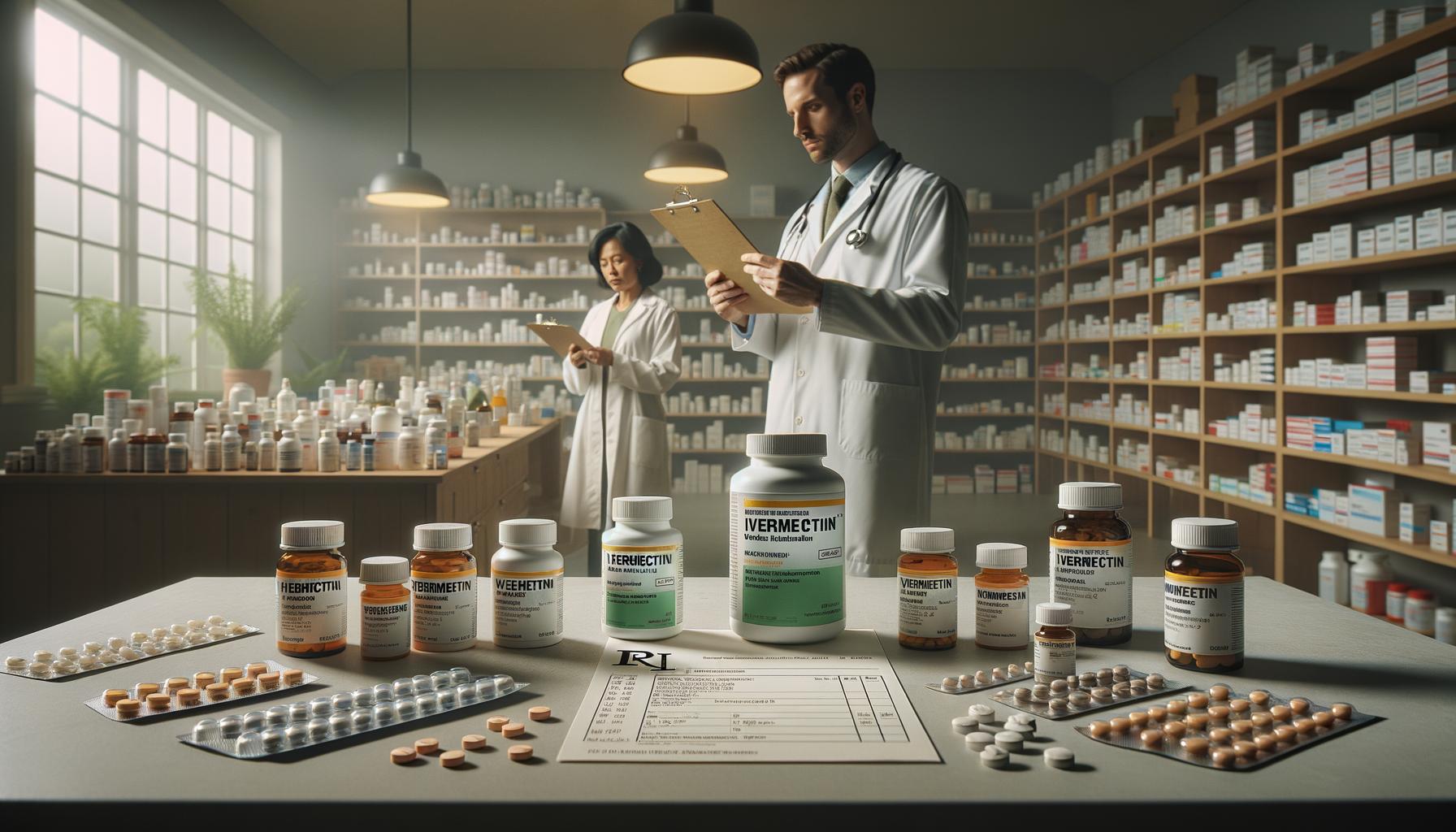
Understanding Ivermectin: Uses and Risks
Ivermectin is a widely used medication recognized for its effectiveness in treating certain parasitic infections in both humans and animals. When used as prescribed, it can help combat conditions like scabies, head lice, and some intestinal worm infections. However, its benefits come with important caveats. Not all ivermectin products are created equal, and using counterfeit or unauthorized ivermectin can pose serious health risks. Understanding its legitimate uses, along with its limitations, is vital for safe and effective treatment.
In humans, ivermectin is approved mainly for specific parasitic diseases and is available in various formulations such as oral tablets and topical creams. It works by interfering with nerve and muscle function in parasites, ultimately clearing the infection. Yet, ivermectin is not a universal cure-all; for example, it is not approved or recommended by official health authorities like the FDA or WHO for treatment of viral infections such as COVID-19, despite some misinformation circulating online. Using veterinary ivermectin products or unverified sources is especially dangerous because dosage and purity are not controlled for human use, increasing the risk of toxicity or treatment failure[2].
Balancing Benefits with Risks
While ivermectin’s track record with approved indications is generally positive, side effects and drug interactions can occur. Common side effects include skin irritation, dizziness, or gastrointestinal upset. More serious adverse reactions are rare but possible, especially if taken incorrectly or alongside other medications that may interact with ivermectin’s metabolic pathways[1][3]. Always consult a healthcare professional before starting treatment. They can provide accurate dosing, screen for contraindications, and monitor for side effects.
- Use only FDA-approved ivermectin products designed for human use.
- Avoid self-medicating with ivermectin for unapproved conditions.
- Beware of counterfeit or veterinary formulations that may be unsafe or ineffective.
- Follow professional medical guidance to balance benefits and minimize risks.
Appreciating ivermectin’s specific approved uses and potential dangers is critical in making informed health decisions. This knowledge empowers individuals to avoid counterfeit products-common in unregulated markets-and ensures that treatment is both safe and effective.
The Importance of Authentic Ivermectin
Counterfeit ivermectin is not just a financial scam-it poses real and potentially serious health threats. Using authentic ivermectin ensures that the medication delivers the expected therapeutic effect, which comes from precise formulations approved by regulatory authorities. Genuine ivermectin undergoes rigorous quality control to guarantee correct dosage, purity, and safety. In contrast, counterfeit products often contain incorrect doses, harmful contaminants, or inactive ingredients, which can lead to ineffective treatment or unexpected side effects.
Understanding the importance of genuine ivermectin means recognizing that this medication works within a delicate balance. Parasites develop resistance under inadequate dosing, which is more likely with substandard counterfeit drugs. This resistance can worsen health outcomes and limit future treatment options. Additionally, counterfeit ivermectin may trigger unexpected allergic reactions or toxicities because the ingredients and manufacturing standards are unverified. For instance, veterinary ivermectin formulations, sometimes misused by humans, differ significantly in strength and inactive components, raising the risk of overdose or adverse effects.
Healthcare providers and patients alike benefit from prioritizing authentic medications. Beyond avoiding harm, using verified ivermectin helps maintain trust in medical treatments and supports public health goals by effectively controlling parasitic infections. If there is any doubt about a product’s authenticity, consulting a pharmacist or healthcare professional is essential. They can help verify whether a product is legitimate and appropriate for your condition, helping you avoid dangerous self-medication practices.
- Always purchase ivermectin from licensed pharmacies or trusted healthcare channels.
- Be cautious of unusually low prices or unexpected online sources offering ivermectin without prescription.
- Check packaging carefully for official seals, batch numbers, and expiry dates.
- Report any suspicious products to relevant authorities to help curb counterfeit distribution.
Ensuring the authenticity of ivermectin is more than a precaution-it is a fundamental step in safeguarding health and maximizing the effectiveness of treatments you rely on.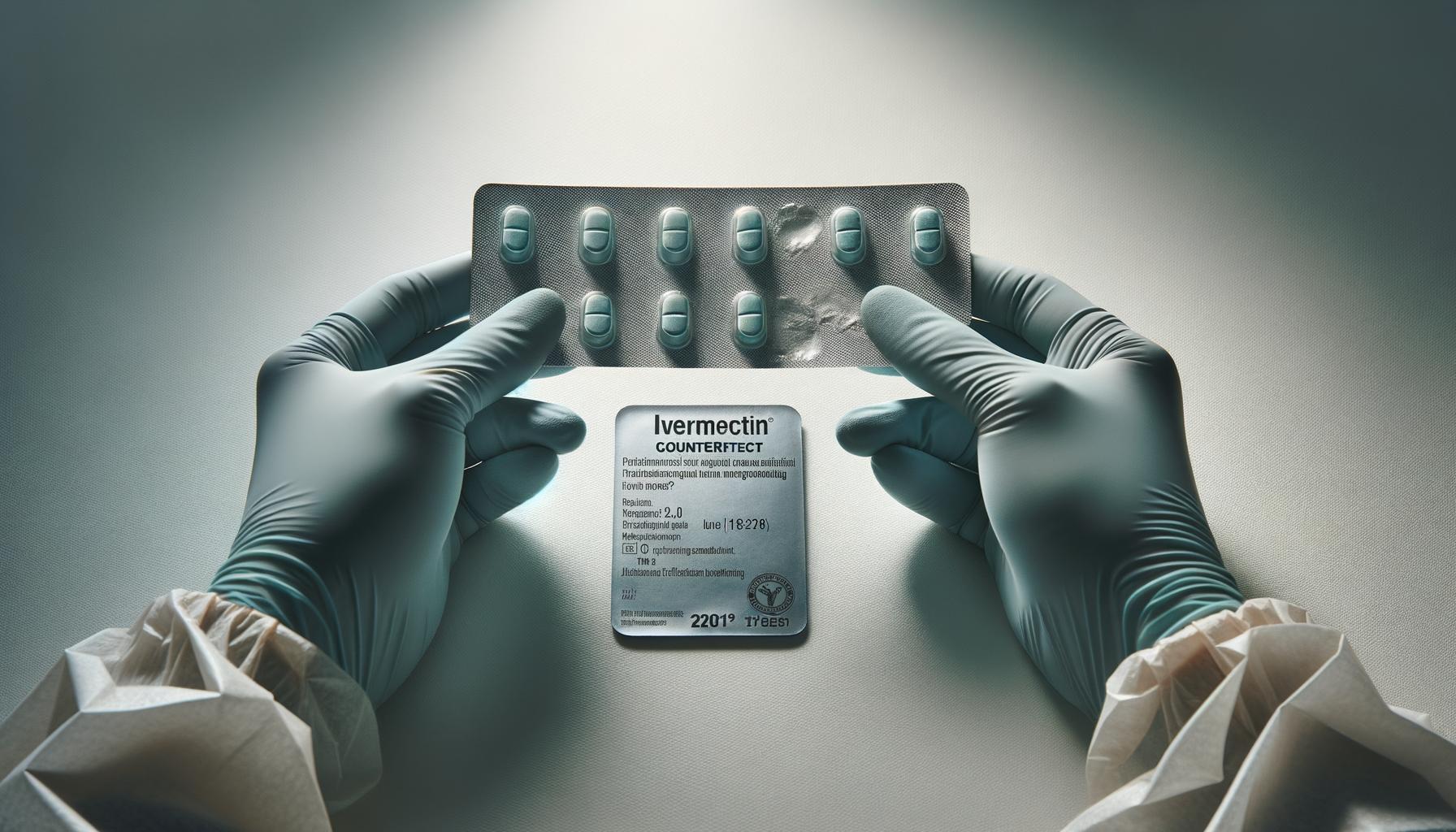
How to Spot Counterfeit Ivermectin
Counterfeit ivermectin can be surprisingly convincing, making it essential to develop a keen eye for subtle differences that hint at inauthentic products. One important fact to remember is that counterfeiters often imitate packaging closely, but they may overlook details such as font inconsistencies, misspellings, or poor-quality print. These small irregularities can be early warning signals of a forgery. Additionally, be wary of packaging that feels flimsy or unevenly sealed; genuine medications typically undergo strict quality control for packaging integrity.
- Look for official markings: Authentic ivermectin usually features clear batch numbers, manufacturing dates, and expiry dates printed in a consistent format. Blurred or missing information might indicate a fake product.
- Check seals and holograms: Many manufacturers use tamper-evident seals or holographic stickers that counterfeiters find difficult to replicate.
- Assess the seller’s credibility: If a source offers ivermectin at unusually low prices or without a prescription, question its legitimacy before purchasing.
- Compare physical appearance: Pill shape, size, color, and texture should match what is shown in verified medical resources or packaging inserts.
Trust Your Senses but Confirm with Professionals
Sometimes counterfeit ivermectin may look nearly identical to authentic medicine, but subtle differences in smell or taste (if applicable) could indicate impurities or alternate ingredients. However, these sensory checks are subjective and should not replace professional verification. Pharmacists can use modern authenticity verification tools and, if needed, direct suspect products for laboratory analysis. When in doubt, never take ivermectin from an unverified source or self-medicate without medical guidance.
Being vigilant and informed about these ways to distinguish between real and counterfeit ivermectin can protect your health and optimize treatment outcomes. When combined with cautious purchasing habits and professional consultation, these steps form a strong defense against counterfeit medication risks.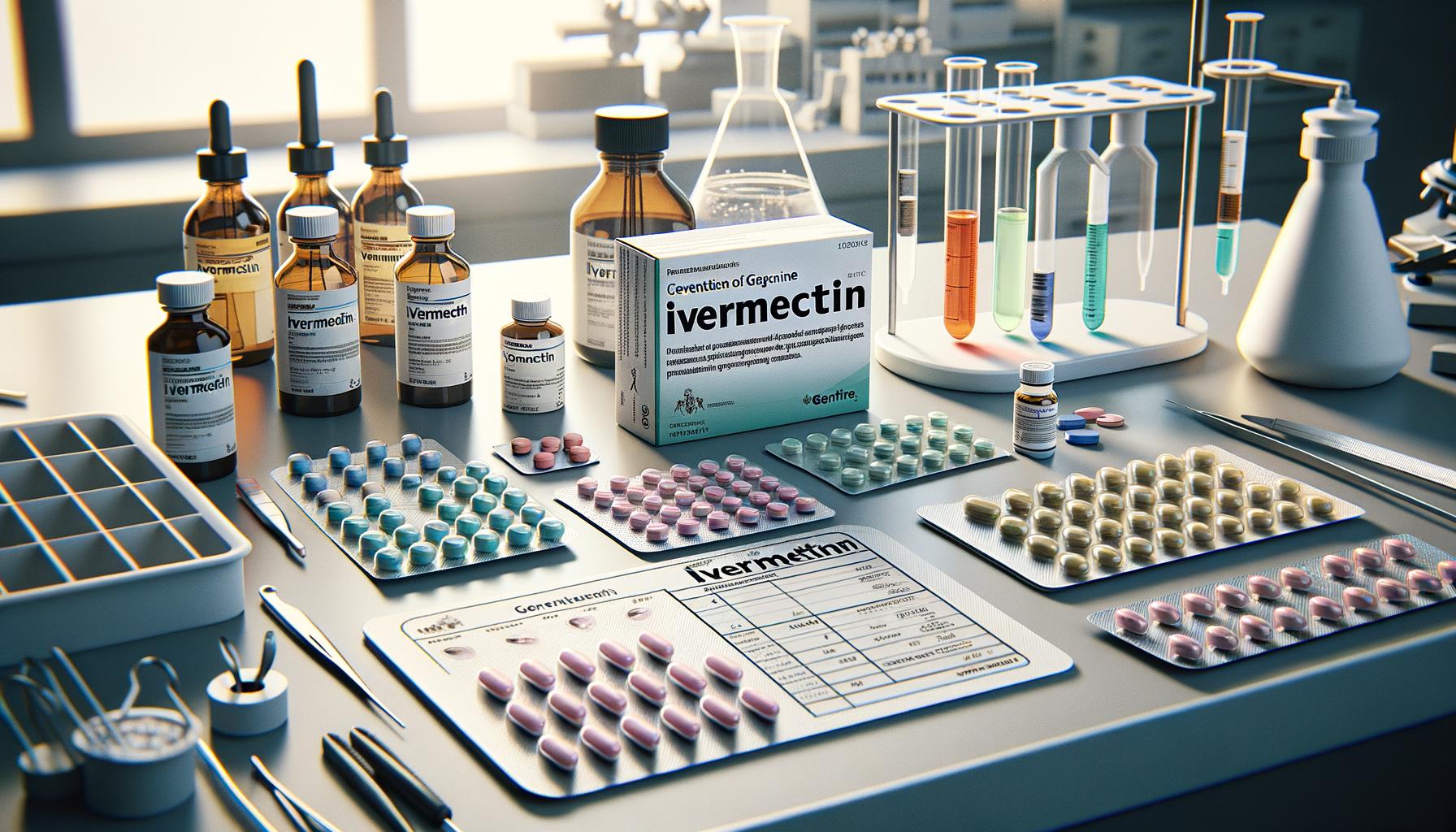
Visual Characteristics of Genuine Ivermectin
Authentic ivermectin carries distinct visual cues that set it apart from counterfeit versions, and recognizing these traits can be a key step in safeguarding your health. Genuine tablets or capsules often maintain a precise and consistent appearance that aligns with manufacturer specifications, reflecting rigorous quality controls. For example, the color is uniform without blotches, and edges are smooth rather than jagged or chipped. These subtle but clear standards mean that if you notice irregular shapes, discoloration, or uneven surfaces, it may be a warning sign of a fake product.
Packaging also reveals much about authenticity. Real ivermectin boxes feature high-quality printing with crisp, well-aligned text and logos. Important details such as batch numbers, expiration dates, and manufacturing codes appear in standard fonts and consistent locations. Genuine products often include tamper-evident seals or holograms that glisten and shift color under light, elements counterfeiters struggle to replicate accurately. Inside the packaging, blister packs or bottles should feel sturdy and sealed tightly, not flimsy or loosely closed.
- Text and font consistency: Authentic ivermectin uses uniform font style and size across all packaging labels.
- Color matching: Both the tablet and its packaging colors match official product photos or inserts, with no unexpected tints.
- Surface texture: Tablets often have a smooth finish; rough or powdery textures may indicate counterfeit.
- Security features: Presence of holograms, serial numbers, or QR codes printed clearly and not tampered with.
Visual inspection alone, however, is not foolproof. Counterfeit products can closely mimic genuine appearance, making it wise to combine your observations with purchasing from trusted sources and consulting healthcare professionals. Pharmacists, for instance, can access verified samples and help identify inconsistencies that may not be obvious to untrained eyes. Ultimately, being observant about these visual characteristics empowers you to make safer choices and minimizes the risk of exposure to ineffective or harmful counterfeit ivermectin.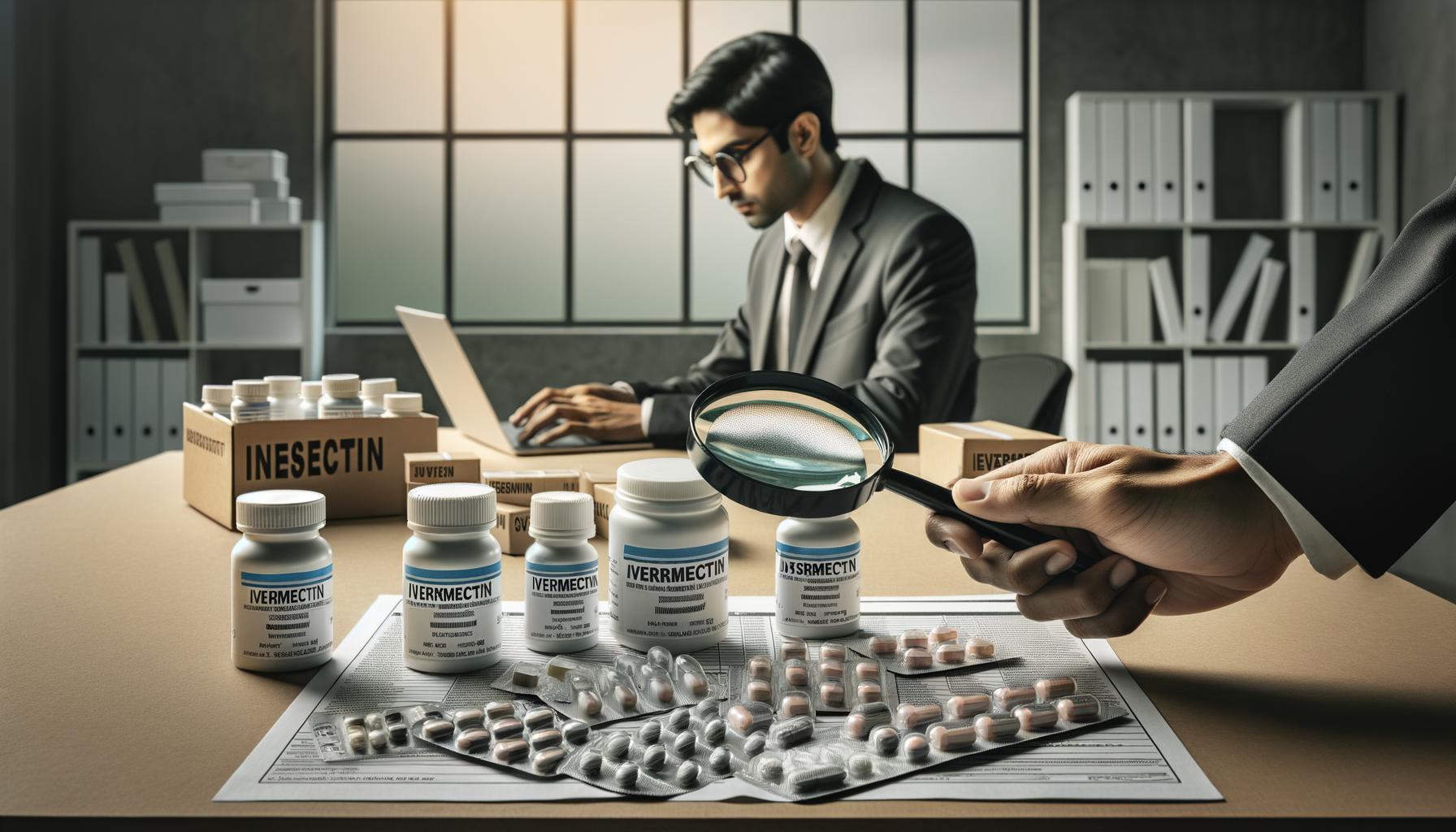
Common Counterfeit Ivermectin Scams
Counterfeit ivermectin scams are more common than many realize and often exploit the urgency people feel to obtain this medicine quickly. Scammers leverage fears and misinformation, offering ivermectin through unverified online platforms or informal channels, where the risk of receiving fake or substandard products is high. These scams not only waste money but can also lead to serious health risks due to ineffective or harmful substances being substituted.
One widespread scam involves the sale of ivermectin labeled as a “miracle cure” or heavily discounted versions that bypass regulatory oversight. Fraudsters may use cloned packaging or misleading descriptions that closely resemble genuine products to trick buyers. Sometimes, these counterfeit ivermectin pills contain inert fillers or dangerous contaminants instead of the active ingredient, making them not only useless but potentially toxic.
- Online marketplace pitfalls: Unregulated websites or social media sellers often promote ivermectin without prescriptions or quality guarantees.
- Unauthorized repackaging: Some counterfeiters repackage small quantities into unbranded bottles or foil strips, removing critical batch and expiry data.
- False endorsements: Scams may include fake testimonials or endorsements from so-called “medical experts” to build false trust.
To protect yourself, always verify the seller’s credentials and buy ivermectin only from licensed pharmacies or healthcare providers. Be wary of deals that seem too good to be true, especially when no prescription is required or when pressure tactics encourage quick purchases. If a product’s packaging or tablets appear inconsistent with known genuine forms, consult a pharmacist or healthcare professional before use. Awareness and vigilance are your best defense against falling victim to these dangerous scams.
Laboratory Testing: Verifying Ivermectin Authenticity
Far too often, what lies inside a pill is far different from what its packaging promises. Laboratory testing plays a crucial role in protecting patients by scientifically verifying whether ivermectin products contain the right ingredients in accurate amounts. These tests dive deeper than visual inspections and help reveal hidden counterfeits that can endanger health.
The verification process typically involves chemical analysis techniques such as high-performance liquid chromatography (HPLC) or mass spectrometry. These methods separate and identify the compounds present in a sample to confirm if the active ingredient-ivermectin-is indeed present and at the correct dosage. For example, an authentic batch of ivermectin oral tablets should consistently fall within a strict concentration range as specified by pharmacopeia standards. Deviations can indicate tampering, dilution, or total absence of the drug.
- HPLC analysis: Separates compounds based on chemical properties, quantifying ivermectin content precisely.
- Mass spectrometry: Detects molecular fingerprints, verifying the exact chemical structure of ivermectin molecules.
- Infrared spectroscopy: Provides a quick fingerprint of chemical bonds to identify counterfeit formulations.
In practice, pharmaceutical companies and regulatory authorities use these tests routinely during manufacturing quality control and post-market surveillance. However, smaller batches or suspicious products can also be submitted for independent laboratory testing. Some health agencies accept samples from consumers or healthcare providers to investigate suspected counterfeit drugs.
Why Laboratory Testing Matters to You
Relying on packaging alone can be misleading because counterfeiters employ sophisticated techniques to imitate labels and blister packs. Even products that look genuine might fail chemical assays, revealing counterfeit formulation or harmful contaminants. Laboratory verification ensures safety, efficacy, and trustworthiness-vital when treating parasitic infections with ivermectin.
Before turning to independent labs, always consult a healthcare professional for guidance. They can recommend licensed sources or, if needed, direct suspicious products for official testing. This step not only protects your health but supports broader public safety efforts to root out counterfeit medicines.
In summary, laboratory testing transforms the invisible chemical signature of ivermectin into objective proof of authenticity. It is a cornerstone of medication safety that empowers patients and professionals alike to distinguish real medicine from dangerous fakes. While not accessible to everyone, awareness of these scientific safeguards encourages cautious buying habits and informed health decisions.
Online Purchasing: Safe Practices for Ivermectin
Purchasing ivermectin online can seem convenient, but it carries significant risks if precautions aren’t taken. One key fact to remember is that many counterfeit medicines circulate on the internet, especially for in-demand drugs like ivermectin. Some fake sellers craft websites that look professional but offer products that lack the active ingredient, contain unsafe substances, or are improperly dosed. These risks underline the importance of verifying the source before buying.
Start by prioritizing reputable, licensed pharmacies-those requiring a valid prescription and regulated by recognized health authorities. Licensed pharmacies often have strict supply chain controls and quality assurance, reducing the chance of counterfeit products. Avoid sites that offer ivermectin without a prescription or at suspiciously low prices; these are common red flags. Checking if the seller has verifiable contact information and customer service lines can also help assess legitimacy.
- Confirm prescription requirements: Legitimate pharmacies always ask for a healthcare provider’s prescription.
- Look for approval seals: Regulatory marks from authorities such as the FDA or equivalent overseas agencies indicate compliance with safety standards.
- Review customer feedback cautiously: Be aware that some counterfeiters fabricate fake reviews.
- Check packaging details: Once received, compare visual characteristics to known authentic ivermectin packaging.
If uncertain about a product, consult a healthcare professional before use. They can provide guidance on where to buy ivermectin safely and may help verify suspicious purchases. Remember, self-medicating with unverified ivermectin carries health risks including potential toxicity or ineffectiveness against parasitic infections. Taking a cautious, informed approach to online buying not only protects individual wellness but also supports efforts to prevent counterfeit medicines from reaching the market.
Regulatory Standards for Ivermectin Quality
Ensuring ivermectin meets strict regulatory standards is fundamental in safeguarding public health and maintaining treatment effectiveness. Regulatory agencies such as the U.S. Food and Drug Administration (FDA), European Medicines Agency (EMA), and equivalent bodies worldwide enforce rigorous quality controls on ivermectin production. These controls cover every step-from sourcing raw materials and manufacturing to packaging and distribution-to prevent substandard or counterfeit products from entering the market.
Regulatory standards require ivermectin to pass detailed testing for potency, purity, and safety before approval. This means the drug must consistently contain the labeled amount of active ingredient without harmful contaminants. Manufacturers must adhere to Good Manufacturing Practices (GMP), which include validated processes, quality assurance protocols, and traceability systems. Such oversight reduces risks like underdosing, overdosing, and exposure to toxic substances often associated with fake or poorly made ivermectin.
Key Regulatory Marks and Documentation
When purchasing ivermectin, look for approval seals or registration numbers issued by recognized agencies. These marks indicate the product was reviewed and meets legally required standards. Some important documentation includes:
- Certificate of Analysis (CoA): Provides laboratory test results verifying product quality.
- Batch/Lot Numbers: Enable tracking of production batches for recalls or quality investigations.
- Expiration Dates: Confirm the product remains effective and safe within the stated period.
Beware that counterfeiters may mimic these labels, so cross-verification with regulatory databases or pharmacy verification services is recommended.
Global Variation and Harmonization Efforts
Different countries implement varying degrees of regulation, which can complicate quality assurance in some regions. However, international efforts strive toward harmonized standards through organizations like the World Health Organization (WHO). These standards support both public health and cross-border trade by establishing a universal baseline for ivermectin quality, helping to curb counterfeit distribution worldwide.
Practical Advice for Consumers
- Buy from licensed pharmacies: These outlets comply with local regulations and are less likely to sell counterfeit products.
- Request documentation: Ask your pharmacist or supplier for CoAs or batch information as proof of authenticity.
- Report suspicious products: Contact national regulatory agencies if you suspect a counterfeit ivermectin product.
Keeping informed about regulatory standards empowers you to make safer choices. While these systems greatly reduce risks, no system is infallible. Always consult healthcare professionals for guidance on treatment and sourcing quality medications like ivermectin to ensure both safety and efficacy[[[1]](https://www.drugs.com/pro/ivermectin-tablets.html).
Reporting Counterfeit Ivermectin: What to Do
Counterfeit ivermectin not only risks your health but can also undermine efforts to control parasitic infections worldwide. Reporting suspected fake medications is a crucial step that helps authorities track, investigate, and remove these dangerous products from circulation. Your vigilance can protect others and support public health initiatives by alerting regulators and law enforcement to the presence of counterfeit drugs in the market.
When you encounter ivermectin that appears suspicious-whether due to unusual packaging, lack of proper documentation, unexpected side effects, or ineffectiveness-don’t hesitate to take action. Start by gathering as much information as possible about the product: note the brand name, batch or lot numbers, expiration date, purchase location, and any labels or seals. Photographs can also serve as valuable evidence for investigations.
Steps to Effectively Report Suspected Counterfeit Ivermectin
- Contact local regulatory agencies: Reach out to your country’s drug regulatory authority or health ministry. Many have dedicated hotlines, email addresses, or online portals for reporting counterfeit medicines.
- Inform the seller or pharmacy: Notify the point of purchase about your concerns. Responsible pharmacists or licensed sellers may assist in verifying product authenticity and preventing further sales.
- Consult healthcare professionals: Speak with your doctor or pharmacist to discuss any health effects or treatment concerns and to verify if the medication’s performance aligns with expected results.
- Share with consumer protection groups: Some nonprofit organizations or patient advocacy groups compile reports on counterfeit medicines and help raise awareness.
What Happens After You Report?
Authorities typically conduct inspections, laboratory tests, and supply chain audits to confirm if a product is counterfeit. This can lead to product recalls, legal actions against counterfeiters, and improved regulatory oversight. While this process may take time, your report is essential for timely and effective intervention.
Remember, avoiding self-diagnosis or immediate product disposal before professional consultation is important-keep samples safely stored if possible, as experts may request them for analysis. Reporting counterfeit ivermectin contributes to a safer medication environment, helping to uphold the integrity of treatments and protect communities worldwide.
Legal Consequences of Selling Fake Ivermectin
Selling counterfeit ivermectin carries serious legal repercussions that extend beyond fines and business closures. Given the direct threat these fake medications pose to public health, authorities treat such offenses with heightened severity worldwide. Illegal distribution can lead to criminal charges including fraud, endangerment, and violations of drug safety regulations, often resulting in imprisonment and hefty financial penalties.
Many countries classify counterfeit drug offenses under their pharmaceutical and criminal law frameworks. For example, cases have shown distributors receiving multi-year prison sentences for knowingly peddling fake ivermectin, as these actions can cause harm or delay effective treatment. The intentional misrepresentation of a medication’s authenticity undermines trust in healthcare systems and risks patient lives, which courts factor heavily when determining punishment.
Rights and Responsibilities of Sellers
- Due diligence: Sellers, including pharmacies and online platforms, are legally required to verify the authenticity of ivermectin before resale. Failure to do so can lead to charges even if fraud was unintentional.
- Product recalls: Authorities may mandate immediate withdrawal of counterfeit stock from businesses, with strict sanctions for non-compliance.
- Consumer protection laws: Victims of counterfeit ivermectin can seek legal remedies. Sellers caught distributing fake drugs may face lawsuits and compensation claims.
Preventive Measures and Legal Awareness
Understanding the legal stakes encourages transparency and vigilance in the supply chain. Businesses that implement robust verification practices, maintain documentation, and cooperate with regulators not only protect their customers but also shield themselves from liability. Public awareness campaigns and clear regulatory guidelines further empower consumers to demand authentic ivermectin, creating pressure against counterfeiters.
In jurisdictions with well-developed legal frameworks, enforcement agencies work closely with customs, police, and health departments to dismantle counterfeit networks. While penalties vary, the trend clearly leans toward zero tolerance due to the severe public health risks associated with fake medications.
Taking these legal consequences seriously supports safer drug markets and reflects the broader commitment to patient safety and medical integrity globally. Anyone suspecting counterfeit ivermectin is strongly encouraged to report it promptly to regulatory authorities to help uphold these protections.
Resources for Accurate Ivermectin Information
Counterfeit ivermectin not only threatens individual health but also undermines public trust in medications. Accessing reliable, science-backed information is essential for making safe and informed decisions. Trusted sources, such as official regulatory agencies and well-established healthcare websites, provide up-to-date guidance on ivermectin’s approved uses, warnings, and safety concerns. These platforms distinguish between licensed ivermectin products and those that may be counterfeit or intended for veterinary use, which are unsafe for humans.
Where to Find Dependable Ivermectin Information
- Government and regulatory bodies: Websites like the U.S. Food and Drug Administration (FDA), European Medicines Agency (EMA), and World Health Organization (WHO) offer authoritative updates on ivermectin approval status, warnings, and public safety alerts.
- Medical databases and drug information portals: Resources such as Drugs.com and MedlinePlus provide comprehensive drug profiles, including uses, dosage, side effects, and consumer advice for ivermectin specifically.
- Local health departments and pharmacies: These often serve as immediate points of contact for verifying the legitimacy of medication sources and can guide safe purchasing practices.
Understanding the fine print-such as ivermectin’s FDA status and indications-avoids confusion fueled by misinformation. It is equally important to consult healthcare professionals before using ivermectin to confirm its appropriateness for your condition and to discuss verified suppliers. Remember, ivermectin is primarily approved for parasitic infections, and many health authorities do not endorse it for COVID-19 treatment due to insufficient evidence[[[1]](https://www.drugs.com/medical-answers/ivermectin-treat-covid-19-coronavirus-3535912/).
Using Technology to Stay Informed
Mobile apps and websites dedicated to drug verification and pharmacovigilance are rising tools to combat counterfeit distribution. Some allow scanning of barcodes or QR codes to validate batch information against manufacturer databases. These tools empower consumers with instant authenticity checks, a critical step amid widespread online purchases.
By combining trusted institutional knowledge with practical verification tools and professional advice, consumers can reduce the risk of encountering fake ivermectin. This proactive approach supports safer health choices and reinforces confidence in the medications we rely on daily.
Future of Ivermectin Authentication Technologies
New advancements in technology are revolutionizing how we verify the authenticity of essential medications like ivermectin. With counterfeit drugs posing serious health risks globally, innovators are turning to cutting-edge solutions that enhance transparency and trust in pharmaceutical supply chains. These emerging tools not only empower consumers but also aid regulators and manufacturers in identifying fake products quickly and accurately.
Among the most promising developments are blockchain-based tracking systems, which create an immutable digital record for each batch of medication. Each step-from production and packaging to distribution-is logged on a decentralized ledger that cannot be altered retroactively. This means that by scanning a simple QR code or barcode on the product packaging, consumers and healthcare providers can access real-time information confirming the drug’s origin and supply history. The result is a powerful deterrent against counterfeiters and a straightforward way for users to verify authenticity before use.
In addition, advanced spectroscopic techniques and portable chemical analyzers are becoming increasingly accessible. These handheld devices can analyze the molecular composition of ivermectin on the spot, comparing it against verified standards without sending samples to a lab. Such rapid testing plays a crucial role in detecting subtle differences in counterfeit products that visual inspection alone cannot reveal. For example, portable Raman spectroscopy devices are now being piloted in pharmacies and customs checkpoints, providing immediate assessments that safeguard public health.
- Machine learning algorithms are also being integrated into authenticity checks, analyzing patterns from supply chain data, packaging anomalies, and reported adverse events to flag high-risk batches.
- Emerging smartphone apps enable consumers to scan and verify medicines, linking directly to manufacturer databases or regulatory agencies for updated verification protocols.
While these technologies hold substantial promise, it is important to remember that no single method is foolproof. A layered approach combining secure digital tracking, physical testing, and vigilant regulatory oversight offers the best protection against counterfeit ivermectin. Consumers should remain cautious, purchase medications only from trusted sources, and consult healthcare professionals before use. By embracing these technological advances thoughtfully, we can build a safer environment where genuine ivermectin and other essential medicines can be trusted and effectively deployed.
Frequently asked questions
Q: What subtle packaging details can help detect fake Ivermectin?
A: Look for inconsistencies in fonts, spelling errors, and blurry printing on packaging. Authentic Ivermectin usually has clear, crisp labels, consistent batch numbers, and proper seals. Inspect holograms or QR codes if present, as counterfeit products often miss these security details. Always compare with verified packaging images to aid detection.
Q: How can pharmacy verification improve confidence in Ivermectin authenticity?
A: Purchasing Ivermectin from licensed pharmacies reduces counterfeit risk because these sources have regulated supply chains and verify product origin. Pharmacists can confirm the medication’s batch and expiry dates and provide official documentation if needed. Always request receipts to trace your purchase.
Q: Why is chemical analysis necessary beyond visual inspection for confirming Ivermectin authenticity?
A: Visual checks alone can’t guarantee authenticity; chemical analysis confirms active ingredient purity and concentration. Techniques like high-performance liquid chromatography (HPLC) precisely identify ivermectin content, distinguishing real from fake. This method is ideal when visual cues are inconclusive or for batch verification.
Q: When should consumers be especially cautious about Ivermectin authenticity?
A: Heightened caution is needed during health crises or shortages when demand surges. Counterfeiters exploit these situations by flooding the market with fake Ivermectin. Always verify sellers, avoid discounted offers that seem too good to be true, and consult healthcare professionals before purchase.
Q: How does counterfeit Ivermectin pose health risks beyond treatment failure?
A: Fake Ivermectin can contain harmful substances or incorrect dosages, leading to toxicity, allergic reactions, or ineffective treatment. Using counterfeit medicine jeopardizes your health and may worsen medical conditions. Always prioritize authentic sources to ensure safety and treatment efficacy.
Q: What technological tools are emerging to authenticate Ivermectin at home?
A: Smartphone apps with AI-based image recognition and secure QR code scanners are emerging for quick at-home ivermectin verification. These tools cross-check packaging details against authentic databases, empowering consumers to spot counterfeits before use. Stay updated on approved apps via trusted medical websites.
Q: How can patient reports help authorities combat fake Ivermectin?
A: Consumers reporting suspicious ivermectin products to regulatory bodies aid in tracking counterfeit distribution. Detailed reports including batch numbers, seller info, and packaging photos help initiate recalls and public warnings, enhancing overall drug safety. Encourage reporting if you suspect fake medicine.
Q: Where can healthcare professionals access updates on counterfeit Ivermectin trends?
A: Medical regulatory agencies and professional networks provide regular alerts on emerging counterfeit scams and authentication methods. Subscribing to official bulletins ensures healthcare workers stay informed, improving patient guidance and support against counterfeit ivermectin risks.
For more detailed guidance, review sections like “Reporting Counterfeit Ivermectin” and “Future of Ivermectin Authentication Technologies” in the main article.
In Conclusion
Ensuring you can confidently distinguish real ivermectin from counterfeit versions is crucial for your safety and health. By understanding the key markers and authentication methods, you empower yourself to make informed choices and avoid potential risks associated with fake products. Don’t wait-take advantage of the tools and resources available to verify your ivermectin today.
If you have questions or want to learn more about safe medication use, explore our related guides on drug interactions and side effects, or consider signing up for our newsletter for the latest updates. Your careful attention helps protect not only your well-being but also your community. Share your experience or ask questions below to join the conversation and stay connected with trusted information on ivermectin verification and beyond.
Get our latest guides, news, and insights highlighted in your Google Search & AI Overviews.