

Many people wonder if ivermectin, a widely known antiparasitic drug, is actually an antibiotic. While both antibiotics and ivermectin fight infections, they belong to different classes of medication with distinct functions. Ivermectin targets parasites like worms and certain insects, but it does not kill bacteria, which antibiotics specifically do. Clarifying this difference is important as confusion can affect how people understand treatments and make health decisions.
Understanding what ivermectin is-and what it is not-helps you navigate medical advice with confidence. Misinformation about drug classifications can lead to misuse, resistance, or false expectations about effectiveness against illnesses. This article breaks down ivermectin’s medical classification in clear terms, explaining why it’s not an antibiotic, how it works, and why that matters for safe, informed use. Whether you are exploring treatments or simply curious about this drug’s role, learning the facts empowers you to make better health choices and discuss options knowledgeably with medical professionals. Let’s dive into the science and cut through the confusion together.
Is Ivermectin an Antibiotic? Understanding Its Functionality and Use Cases
Few medications spark as much confusion as ivermectin, especially when it comes to its classification. It’s important to clarify right away: ivermectin is not an antibiotic. Unlike antibiotics, which target bacteria, ivermectin primarily combats parasites-both internal and external-by disrupting their nervous system function, ultimately leading to paralysis and death of these organisms.
Understanding this distinction is key for anyone considering treatment options. Antibiotics work by killing or inhibiting bacterial growth, while ivermectin’s mechanism is finely tuned against parasitic worms and certain arthropods. This fundamental difference means ivermectin is ineffective against bacterial infections, and its use should not replace antibiotics when treating such conditions.
- Function: Ivermectin acts on parasites, mainly nematodes and some ectoparasites, not bacteria.
- Usage: It is widely used in medicine and veterinary fields to treat diseases like river blindness, scabies, and strongyloidiasis.
- Limitations: It does not have broad antibacterial properties, so it cannot treat infections caused by bacteria.
Given the misuse of ivermectin in some cases, particularly outside proven parasitic indications, consulting a healthcare professional is crucial. They can offer tailored guidance based on accurate diagnosis and ensure proper treatment choices, preventing ineffective therapy and potential side effects. Keeping treatments aligned with the intended target-parasites versus bacteria-is the safest path to recovery.
The Science Behind Ivermectin: Mechanism of Action Explained
Few medicines operate as precisely as ivermectin, which targets parasites by disrupting their nervous systems-a mode of action sharply different from that of antibiotics. Ivermectin binds selectively to specific ion channels in parasites, particularly glutamate-gated chloride channels. This binding increases chloride ion influx, causing hyperpolarization of nerve and muscle cells. As a result, the affected parasites experience paralysis and eventual death, clearing the infection from the host without harming human nervous tissue.
- Target specificity: Ivermectin acts on nematodes (roundworms) and ectoparasites like lice and mites by interfering with their nerve and muscle function.
- Safety profile: Because mammals lack the same glutamate-gated chloride channels targeted by ivermectin, its effects on humans and animals are generally safe at prescribed doses.
- Mechanism advantage: This precise targeting reduces collateral damage to host cells, a critical difference compared to many broad-spectrum antimicrobials.
Why Ivermectin Is Not an Antibiotic
Antibiotics function primarily by killing or inhibiting bacteria, often through mechanisms like disrupting cell wall synthesis, protein production, or DNA replication. Ivermectin, however, causes paralysis in parasites by altering nerve and muscle signaling. This mechanism does not affect bacteria since bacteria neither possess nervous systems nor rely on ion channels targeted by ivermectin. This fundamental difference underscores why ivermectin does not have antibacterial properties and cannot treat bacterial infections effectively.
Understanding the exact science behind ivermectin’s action equips patients and healthcare providers to make informed choices. Its use is appropriate when facing parasitic infections such as river blindness, scabies, or strongyloidiasis, but not bacterial illnesses. Doctors rely on this mechanistic knowledge to avoid ineffective treatment and minimize side effects from misapplication.
Practical Insight
When used correctly, ivermectin can be a life-changing drug. However, recognizing its limits is crucial. For example, ivermectin will not be prescribed to address bacterial pneumonia or strep throat, where antibiotics remain essential. Always consult a healthcare professional to determine the appropriate medication based on the underlying cause of infection.
For those curious about the molecular biology, ivermectin’s selective binding is a brilliant example of how understanding microscopic targets leads to safer, more effective medicines-tailored to combat specific pathogens without broad collateral damage[[1]](https://en.wikipedia.org/wiki/Ivermectin).
Distinguishing Ivermectin: Antibiotic vs. Antiparasitic
Few drugs spark as much confusion as ivermectin, especially when people try to classify it alongside more familiar medications like antibiotics. Understanding the essential distinction between ivermectin and antibiotics is key to using this medicine wisely and safely. Unlike antibiotics, which target bacteria, ivermectin is designed to combat parasites by disrupting their nervous systems, a completely different biological approach.
How Ivermectin Works Differently from Antibiotics
Antibiotics operate by attacking essential functions in bacteria-such as breaking down their cell walls, blocking protein synthesis, or interfering with DNA replication. These actions inhibit bacterial growth or kill bacteria directly. Ivermectin, in contrast, targets parasites including roundworms, lice, and mites through a neurochemical mechanism. It binds selectively to parasite-specific ion channels, increasing chloride ion flow, which causes paralysis and death in the parasites. Since bacteria lack nervous systems and these ion channels, ivermectin has no effect on them. This fundamental difference defines why ivermectin is classified as an antiparasitic, not an antibiotic.
Practical Implications for Treatment
This distinction is critical when selecting treatments. For example:
- Parasitic diseases such as river blindness, scabies, and strongyloidiasis respond well to ivermectin.
- Bacterial infections like strep throat, urinary tract infections, or pneumonia require antibiotics and will not improve with ivermectin.
Using ivermectin in place of antibiotics for bacterial infections is not just ineffective-it can delay proper care. Conversely, antibiotics cannot treat parasitic infections, which require specialized drugs like ivermectin. Consulting healthcare professionals ensures treatment matches the infection type, maximizing benefits and minimizing risks.
Understanding Labels and Avoiding Confusion
The term “antibiotic” is sometimes loosely used for any infection-fighting drug, contributing to misunderstandings around ivermectin. Yet, antibiotics specifically combat bacterial organisms. Ivermectin, by contrast, is an antiparasitic agent targeting multicellular parasites, not microscopic bacteria. Recognizing this difference aids in avoiding misconceptions and unrealistic expectations about what ivermectin can do.
In short, ivermectin stands apart from antibiotics in both mechanism and medical use. This clear separation empowers patients and clinicians to make informed choices grounded in the biology of infection and treatment effectiveness. Always seek advice from qualified healthcare providers before using ivermectin or any antimicrobial, ensuring safe and appropriate care for your condition[[1]](https://en.wikipedia.org/wiki/Ivermectin)[[2]](https://www.webmd.com/drug-medication/what-is-ivermectin).
Common Misconceptions About Ivermectin’s Classification
Confusion about ivermectin’s classification often stems from its reputation as a powerful medication that “fights infections,” leading some to mistakenly group it with antibiotics. However, this broad label overlooks crucial differences in how these drugs work and what organisms they target. Antibiotics are specifically designed to kill or inhibit bacteria, which are single-celled microorganisms. Ivermectin, on the other hand, combats multicellular parasites such as roundworms, lice, and mites, which have entirely different biology and vulnerabilities.
A common misconception is that because ivermectin can treat some skin conditions or infections, it should be classified alongside antibiotics. This conflation is understandable, especially as many infections share overlapping symptoms like itching or rash. Yet, ivermectin does not attack bacterial processes like cell wall synthesis or protein production, which are the hallmarks of antibiotic action. Instead, ivermectin targets parasite-specific nerve and muscle function, a mechanism invisible to bacteria. This means ivermectin is ineffective against bacterial infections and should never replace antibiotics for conditions like strep throat or urinary tract infections.
Another source of misunderstanding arises from the frequent misuse of the term “antibiotic” in everyday language. Sometimes it is used to describe any drug that treats infections broadly, causing confusion around ivermectin’s role. Clarifying this vocabulary helps in setting realistic expectations – ivermectin is an antiparasitic, not an antibacterial. Both drug classes serve vital but distinct functions in medicine, and misusing ivermectin for bacterial infections can delay proper treatment and worsen outcomes.
- Practical tip: Always identify the infection type-parasitic or bacterial-before choosing treatment.
- Ask your healthcare provider: If unsure, seek guidance to avoid inappropriate use of ivermectin or antibiotics.
- Awareness helps: Knowing this difference empowers you to advocate for effective, evidence-based care.
Recognizing ivermectin’s correct classification is not just academic; it has real-world importance in ensuring safe and effective treatment. By dispelling myths and understanding its unique mode of action, patients and caregivers can make informed decisions and avoid the pitfalls of misinformation. Always rely on professional medical advice tailored to each individual case to navigate these complexities[[1]](https://en.wikipedia.org/wiki/Ivermectin)[[2]](https://www.goodrx.com/ivermectin/what-is?srsltid=AfmBOooi2xtfMypFR1Iu_hY7dJXWv4–B979tiYcanLNbGFjDFZWbrIN).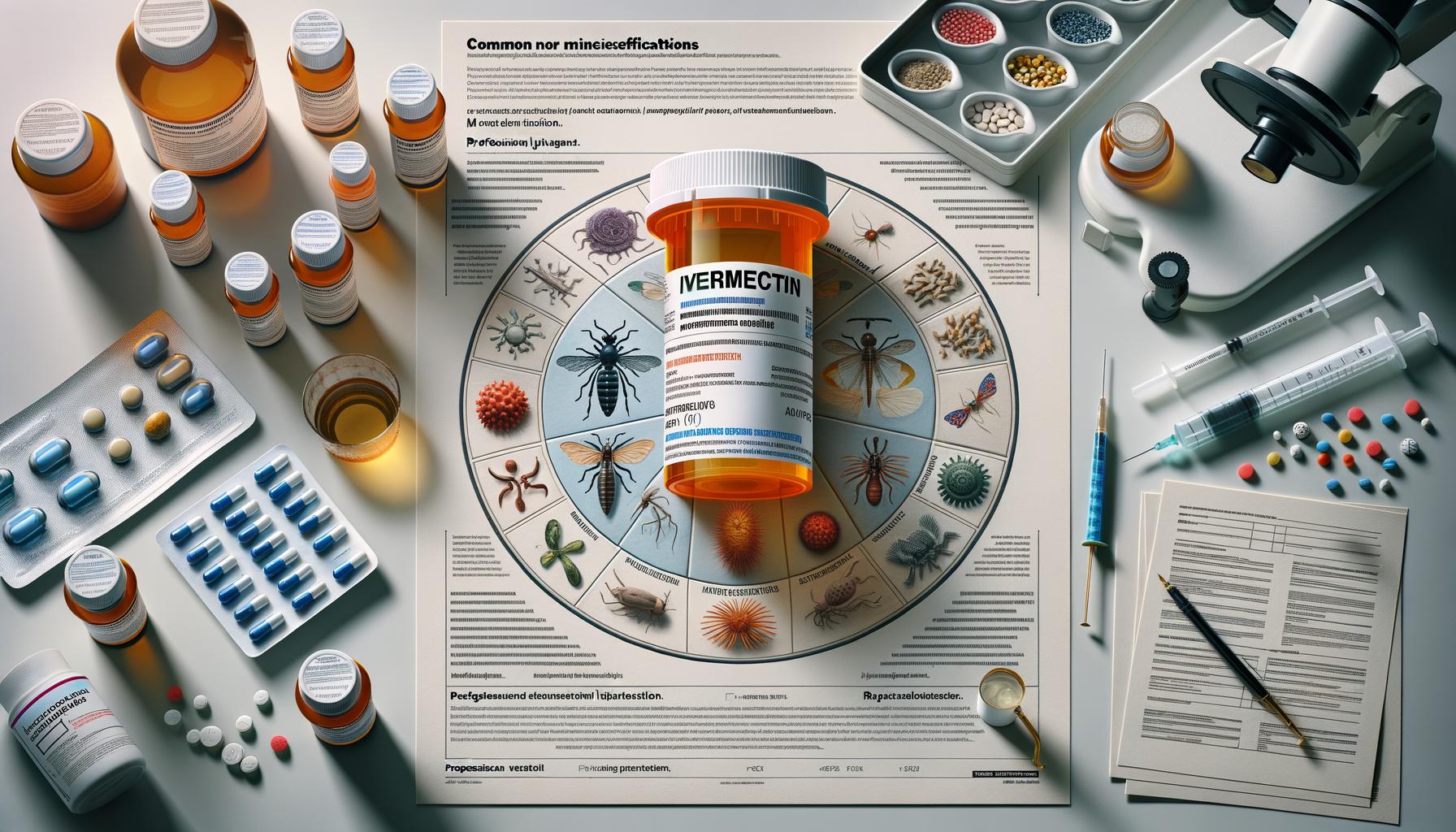
The Role of Ivermectin in Treating Parasitic Infections
Ivermectin plays a crucial role in treating parasitic infections that affect millions worldwide. Its effectiveness lies in its ability to specifically target parasites such as roundworms, lice, scabies mites, and other helminths. These parasites are responsible for diseases that often thrive in regions with limited sanitation or inadequate healthcare access. By binding to certain nerve and muscle channels unique to these parasites, ivermectin causes paralysis and death of the invaders without harming human cells. This targeted mechanism makes ivermectin a cornerstone drug for parasitic control rather than an antibacterial agent[[1]](https://www.webmd.com/drugs/what-is-ivermectin).
Effective Against a Range of Parasites
Ivermectin’s spectrum includes treatment for soil-transmitted helminth infections-intestinal worms spread through contaminated soil-and for lymphatic filariasis, a neglected tropical disease causing severe swelling and disability. It is also used widely in mass drug administration programs in endemic countries to reduce parasite transmission and prevalence. The World Health Organization and the European Medicines Agency recognize ivermectin, often in combination with other antiparasitic agents like albendazole, as an essential medicine to combat parasitic worm infections safely in adults and children over five years old[[2]](https://www.ema.europa.eu/en/news/new-combination-medicines-treat-parasitic-worm-infections).
Practical Advice for Use
- Identify the parasite: Because ivermectin is effective only against specific parasites, accurate diagnosis by a healthcare professional is vital before treatment.
- Follow prescribed dosages: The drug’s antiparasitic effect depends on correct dosing relative to the patient’s weight and infection type.
- Acknowledge limitations: Ivermectin does not treat bacterial or viral infections-using it outside approved parasitic indications can be ineffective and unsafe.
Many patients and health workers have seen ivermectin transform lives by alleviating symptoms such as itching, swelling, and discomfort caused by parasites. However, its role is strictly antiparasitic; misconceptions about it being an antibiotic risk misuse and delay appropriate treatments. Understanding this distinction helps patients seek correct care promptly and supports rational use of ivermectin as a powerful tool against parasitic diseases[[1]](https://www.webmd.com/drugs/what-is-ivermectin)[[2]](https://www.ema.europa.eu/en/news/new-combination-medicines-treat-parasitic-worm-infections).
Review of Ivermectin as a Potential Antiviral Agent
Ivermectin attracted attention beyond its antiparasitic use when initial laboratory studies suggested it might inhibit the replication of certain viruses, including SARS-CoV-2, the virus responsible for COVID-19. In vitro experiments showed that ivermectin could reduce viral particles significantly within 48 hours by interfering with the virus’s ability to hijack host cell machinery for replication. This early finding sparked hope for repurposing ivermectin as an antiviral agent, prompting extensive research efforts worldwide[[1]](https://www.nature.com/articles/s41429-020-0336-z).
However, it is important to understand that the antiviral effects observed in laboratory environments do not straightforwardly translate into proven clinical benefits for humans. Many of the doses effective in vitro exceed safe or recommended human dosages. Hence, current evidence does not support ivermectin as a standard treatment for viral infections such as COVID-19 outside of controlled clinical trials. Instead, ivermectin’s antiviral potential remains an active area of investigation, with researchers exploring whether combining it with other antiviral agents or developing new drug delivery methods might enhance its effectiveness against viruses[[2]](https://www.mdpi.com/1424-8247/15/4/445).
- Practical advice: Patients should avoid self-medicating with ivermectin for viral infections and always follow healthcare providers’ guidance.
- Ongoing studies: Clinical trials are underway to assess the safety, optimal dosing, and real-world efficacy of ivermectin in antiviral use.
- Balanced perspective: While the drug is not an antibiotic, its investigational antiviral activity highlights the complex pharmacology of some medications beyond their primary uses.
In summary, ivermectin is primarily an antiparasitic drug and is not classified as an antibiotic or a proven antiviral medication. Its potential antiviral effects represent promising but preliminary research avenues-underscoring the need for patience, rigorous scientific validation, and professional medical consultation before considering ivermectin for viral diseases[[1]](https://www.nature.com/articles/s41429-020-0336-z)[[2]](https://www.mdpi.com/1424-8247/15/4/445).
Current Research: Ivermectin and Bacterial Infections
Ivermectin is traditionally celebrated for its antiparasitic properties rather than antibacterial activity. However, recent research has explored whether it might influence bacterial infections, stimulating curiosity about its broader potential. While ivermectin is not classified as an antibiotic, emerging studies suggest it may have indirect effects on bacteria and bacterial infections, sparking interest but also caution.
Some laboratory investigations have raised questions about ivermectin’s ability to affect bacterial growth or resistance mechanisms. For example, certain studies hint that ivermectin, structurally related to macrolide antibiotics, might trigger bacterial responses linked to antibiotic resistance, such as over-expression of efflux pumps-proteins bacteria use to expel harmful substances. This possibility raises concern about how ivermectin could influence microbial ecosystems, especially when used extensively in animals or humans. Moreover, there is some evidence that ivermectin’s immune-modulating effects might suppress host defenses, potentially allowing bacterial growth in vulnerable individuals. These aspects underline the importance of cautious use and further inquiry[[1]](https://pmc.ncbi.nlm.nih.gov/articles/PMC8777850/).
What Current Evidence Tells Us
- No direct antibacterial action: Unlike antibiotics, ivermectin does not target bacterial cell walls, protein synthesis, or DNA replication. Its primary action remains focused on parasites through binding to specific chloride channels in their nervous systems.
- Potential immunosuppressive risks: In some contexts, ivermectin might transiently suppress certain immune responses, potentially creating an environment conducive to bacterial infections if the immune system is compromised.
- Antibiotic resistance considerations: Using ivermectin indiscriminately or alongside antibiotics could theoretically affect bacterial populations’ resistance profiles, but robust clinical data is lacking.
For patients, this means ivermectin should not be regarded as an alternative to antibiotics. If bacterial infections are suspected or diagnosed, standard antibacterial treatments remain essential. Self-medicating with ivermectin for bacterial issues is not advised and may delay appropriate care.
Practical Takeaways
- Consult your healthcare provider: Only a qualified professional can determine if ivermectin is appropriate, especially since its use does not replace antibiotics for bacterial infections.
- Monitor immune status: Those with weakened immune systems should be attentive to possible changes in infection risk when using ivermectin.
- Stay informed on emerging research: The scientific community continues to study ivermectin’s broader effects, including its interactions with bacteria-knowledge that could inform future clinical guidelines.
In summary, ivermectin remains firmly categorized as an antiparasitic drug. Its potential influence on bacteria is complex and not well understood, underscoring the need for more research before considering any role in treating bacterial infections. Until then, relying on proven antibiotics and following medical advice is the safest path forward to ensure effective and responsible treatment[[1]](https://pmc.ncbi.nlm.nih.gov/articles/PMC8777850/)[[3]](https://www.drugs.com/ivermectin.html).
The Legal and Medical Status of Ivermectin
Ivermectin is widely approved and regulated as an antiparasitic medication rather than an antibiotic, reflecting its primary clinical purpose and mechanism of action. In many countries, including the United States, ivermectin is classified by regulatory agencies such as the FDA (Food and Drug Administration) specifically for use against parasitic infections like onchocerciasis, strongyloidiasis, and scabies. Its legal status is tightly linked to these approved indications, which means prescriptions are issued with the explicit understanding that it is not a treatment for bacterial infections.
This legal clarity helps prevent misuse or misunderstanding about ivermectin’s capabilities. Off-label use-when doctors prescribe drugs for purposes outside their approved indications-may occur, but it typically requires careful medical justification. Importantly, ivermectin is not approved for treating bacterial diseases, nor is it a substitute for antibiotics. Using it as such can delay proper care and potentially worsen infections. Some countries have also issued warnings against self-medicating with ivermectin for viral or bacterial illnesses, especially amid misinformation spread during the COVID-19 pandemic.
Medical Guidelines and Oversight
- Prescription requirements: Ivermectin must be obtained through a healthcare professional who evaluates its suitability based on diagnosis and individual patient factors.
- Regulatory advisories: Medical authorities continuously update their guidelines to reflect evolving research. At present, ivermectin is recommended strictly for certain parasitic infections, not as a general antimicrobial.
- Risk management: When prescribed, monitoring for side effects or interactions is crucial, especially since inappropriate use may pose risks like immune modulation that complicate infections.
In the medical community, experts emphasize that maintaining a clear distinction between antiparasitics and antibiotics is vital to safeguarding public health and reducing the threat of antimicrobial resistance. This distinction is embedded in treatment protocols, clinical education, and pharmaceutical regulations worldwide.
Practical Advice for Patients
- Consult your healthcare provider: Never self-prescribe ivermectin to treat bacterial or viral infections. Only a qualified professional can correctly diagnose and recommend appropriate treatment.
- Follow official guidance: Regulatory status comes with usage recommendations-adhere to any warnings or advisories issued by national health authorities or the WHO.
- Report adverse effects: If you or someone you know experiences unexpected reactions to ivermectin, promptly inform a healthcare provider to ensure safe management.
With international consensus on ivermectin’s role, patients gain clarity about its benefits and limitations. Staying informed through trusted medical sources and having open conversations with healthcare professionals empowers safer, more effective use of this valuable antiparasitic agent.
Expert Opinions: What Do Health Professionals Say?
Few medications cause as much confusion as ivermectin when it comes to its classification. Health professionals universally emphasize that ivermectin is not an antibiotic. Instead, it belongs to a distinct class of drugs called antiparasitics, designed specifically to eliminate or control parasitic worms and external parasites. This distinction is not just semantic – it reflects crucial differences in how the drug works and what infections it can effectively treat. Experts caution against conflating antiparasitic action with antibiotic properties, as this misunderstanding can lead to inappropriate treatment choices.
Clinicians often point out that ivermectin targets parasites by interfering with their nervous systems, causing paralysis and death of the organisms. Antibiotics, on the other hand, act by disrupting bacterial cell wall synthesis, protein production, or DNA replication. This fundamental difference in the mechanism of action means ivermectin lacks efficacy against bacterial infections. Leading authorities such as the FDA and the World Health Organization clearly limit ivermectin’s use to parasitic diseases such as strongyloidiasis and onchocerciasis. Health professionals underscore that using ivermectin to treat bacterial or viral infections is unsupported by solid evidence and may delay effective therapies.
Perspectives from Medical Experts
- Infectious disease specialists highlight the importance of accurate diagnosis before prescribing ivermectin. Its effectiveness depends heavily on identifying parasitic infections that respond specifically to the drug.
- Pharmacologists stress that while ivermectin has an excellent safety profile when used appropriately, misuse-especially as a substitute for antibiotics-carries risks, including adverse reactions and potential drug interactions.
- Public health officials advocate for clear communication to the public, aiming to reduce misinformation that arose during the COVID-19 pandemic when ivermectin was sometimes erroneously promoted as a miracle cure.
From a practical standpoint, many physicians share that patient education is crucial. They encourage patients to ask questions and discuss any interest in ivermectin openly rather than seeking unverified sources. Health professionals recommend always consulting with a licensed healthcare provider for diagnosis and treatment tailored to individual health conditions. This collaborative approach helps avoid dangers linked to self-medication or off-label use without medical oversight.
Ultimately, experts agree that ivermectin remains an important and effective antiparasitic tool, but it is not a catch-all solution. Recognizing what the drug can – and cannot – do is essential. Clear medical guidance and ongoing research continue to reinforce ivermectin’s role, ensuring it is used safely and appropriately in patient care.
Patient Experiences: Ivermectin in Practice
Ivermectin has been a lifeline for many patients dealing with parasitic infections, with experiences often highlighting both the drug’s effectiveness and the importance of correct usage. For those diagnosed with conditions like strongyloidiasis or onchocerciasis, ivermectin has provided significant relief, frequently resolving symptoms after a single dose. However, patient stories also emphasize that its benefits are tied directly to accurate diagnosis and appropriate medical supervision. Using ivermectin incorrectly-for instance, mistaking it for an antibiotic or attempting to treat non-parasitic infections-can lead to ineffective treatment and potential health risks.
- Clarity on diagnosis: Many patients initially struggle to understand why ivermectin was prescribed, especially when symptoms overlap with other infections. Healthcare providers often need to clarify that ivermectin targets parasites, not bacteria or viruses, reinforcing the importance of diagnostic tests before treatment begins.
- Managing expectations: Some users report needing multiple doses to fully eliminate parasitic infections, as the lifecycle of some parasites requires repeated treatment intervals. Understanding this helps patients avoid frustration when symptoms persist temporarily.
- Side effects and safety: While most patients tolerate ivermectin well, some share experiences of mild side effects such as dizziness or mild gastrointestinal discomfort. These are typically short-lived, but underscore the need for medical guidance, especially in people with underlying conditions or those taking other medications.
Real-World Insights
In certain regions where parasitic infections are endemic, ivermectin distribution programs have transformed community health outcomes. Patients recount how access to the medication reduced the burden of diseases like river blindness, improving quality of life substantially. These success stories showcase ivermectin’s status as a targeted treatment rather than a broad-spectrum antibiotic, highlighting its specialized role.
Patients exploring ivermectin outside of recognized uses-often driven by misinformation-frequently report confusion or disappointment. This underscores a key lesson: self-medicating with ivermectin for viral or bacterial illnesses is not supported by evidence and can delay effective care.
Engaging openly with healthcare providers remains the best practice. When patients ask questions and share concerns about ivermectin, clinicians can offer tailored advice, correct misunderstandings, and ensure that treatment fits individual health needs. This cooperative approach fosters better outcomes and reduces the risks associated with off-label use.
Ultimately, patient experiences serve as a valuable reminder: ivermectin is a powerful antiparasitic when used correctly but should never be viewed as an antibiotic or cure-all. Respecting its designed purpose maximizes benefits and protects health.
Future Developments: Ivermectin Research and Potential
Ivermectin’s journey from a well-established antiparasitic to a molecule under extensive scientific scrutiny illustrates the evolving landscape of drug repurposing and biomedical research. While it is firmly classified as an antiparasitic-not an antibiotic-scientific interest continues to explore new facets of its biological activity that may broaden its clinical utility. This ongoing research underscores the importance of evidence-based medicine and highlights how clarity around a drug’s classification informs both medical practice and patient expectations.
Current investigations focus on ivermectin’s anti-inflammatory and antiviral properties. Some laboratory studies have demonstrated that ivermectin can inhibit certain pathways linked to viral replication and inflammation, such as blocking the NF-κB pathway involved in the body’s immune response to infections [[2]](https://pmc.ncbi.nlm.nih.gov/articles/PMC11008553/). However, large clinical trials have so far found no meaningful benefits for common viral infections like COVID-19 in real-world settings [[3]](https://www.phc.ox.ac.uk/news/new-study-shows-ivermectin-lacks-meaningful-benefits-in-covid-19-treatment). These findings emphasize that while laboratory results may spark hopeful hypotheses, thorough clinical validation is essential before changing treatment guidelines or public recommendations.
- Focus on parasitic diseases: Research efforts continue to refine ivermectin’s role in combating parasitic infections, especially in endemic regions. Innovative delivery methods, adjusted dosing schedules, and combination therapies seek to optimize treatment outcomes and reduce resistance risks.
- Exploring anti-inflammatory uses: Beyond parasites, ivermectin’s potential to moderate inflammatory responses is being studied in dermatology and other fields. For example, it is already approved topically for conditions like rosacea, demonstrating a measurable benefit linked to its immunomodulatory effects [[2]](https://pmc.ncbi.nlm.nih.gov/articles/PMC11008553/).
- Investigating adjunct roles: Researchers are cautiously evaluating whether ivermectin might support broader public health strategies, such as mass drug administration for mosquito-borne infections, while ensuring safety and efficacy through rigorous trials.
Practical Takeaways for Readers
Understanding ivermectin’s evolving profile helps patients and caregivers maintain realistic expectations. It remains critical to:
- Consult healthcare providers: Before considering ivermectin for any indication, especially outside parasitic infections, professional advice is essential to avoid ineffective or unsafe use.
- Follow evidence-based guidance: Keep informed about new research but recognize that not all promising laboratory findings translate into clinical benefit.
- Respect its established uses: Ivermectin’s success against parasites sets a high standard – using it for unproven purposes risks delay in receiving appropriate care.
The future of ivermectin research is focused, grounded, and responsive to medical evidence. While it is unlikely to become an antibiotic, its role in medicine may expand thoughtfully, always prioritizing patient safety and clear scientific validation. This respectful and measured approach empowers informed choices and underscores the critical difference between antiparasitic drugs like ivermectin and antibiotics designed to fight bacteria.
Navigating Ivermectin: Practical Guidelines and Considerations
Ivermectin’s distinct identity as an antiparasitic drug rather than an antibiotic is key to using it safely and effectively. Despite its popularity in some circles for viral or bacterial conditions, it is crucial to recognize where its true strengths and approvals lie. This awareness protects against improper use that could delay appropriate treatment or cause unintended side effects.
Before considering ivermectin for any condition, the best practical step is to consult a healthcare professional who can evaluate your specific health needs. They can confirm if ivermectin is suitable-most often for parasitic infections such as strongyloidiasis or onchocerciasis-or if alternative therapies are better. Self-medicating outside these parameters is not only risky but unsupported by current scientific evidence.
- Dosage and adherence: Ivermectin dosing varies depending on the parasite targeted and the patient’s health status. Following prescribed instructions carefully, including timing and quantity, maximizes effectiveness and reduces risks of resistance.
- Monitoring side effects: While generally well-tolerated, ivermectin can cause side effects ranging from mild (headache, dizziness) to more serious reactions in rare cases. Promptly reporting unusual symptoms to a healthcare provider ensures safety.
- Beware of unproven claims: Despite laboratory research suggesting some antiviral or anti-inflammatory actions, clinical evidence supporting ivermectin against viruses like COVID-19 or bacteria is lacking. Avoid using it as a substitute for proven treatments.
Contextualizing Ivermectin Use
In regions where parasitic infections are endemic, ivermectin plays a life-saving role as part of public health efforts, often through mass drug administration. Here, specialized protocols optimize timing and dosing to balance efficacy with minimizing resistance development. Such programs reflect ivermectin’s established niche and the careful stewardship required in its application.
Conversely, in settings where ivermectin’s off-label use is promoted without strong evidence, patients must remain informed and cautious. Independent research and regulatory bodies emphasize maintaining ivermectin’s reputation by aligning use strictly with validated indications. Understanding this context helps individuals navigate media claims and social pressures responsibly.
Empowering Informed Decisions
Consider ivermectin as a precisely targeted tool in a well-equipped medical toolkit. Its power shines in treating specific parasites, but expecting it to act as a broad-spectrum antibiotic or antiviral invites disappointment and health risks. Prioritizing verified applications, staying current on validated research, and partnering with healthcare providers allows patients to benefit from ivermectin’s strengths while avoiding pitfalls.
In sum, thoughtful, informed use grounded in medical guidance transforms ivermectin from a subject of controversy into a reliable therapeutic agent. This approach respects its unique pharmacological identity and fosters better health outcomes for those who need it most.
Faq
Q: Can ivermectin be used to treat bacterial infections since it’s not an antibiotic?
A: No, ivermectin is not effective against bacterial infections because it targets parasites, not bacteria. For bacterial infections, antibiotics are required. Use ivermectin only for its approved antiparasitic purposes, and always consult a healthcare professional for proper treatment guidance.
Q: How does ivermectin’s antiparasitic action differ from antibiotic mechanisms?
A: Ivermectin works by paralyzing parasites such as worms and external parasites, whereas antibiotics kill or inhibit the growth of bacteria. This fundamental difference in action means ivermectin isn’t classified as an antibiotic but as an antiparasitic medication.
Q: Why is ivermectin sometimes mistakenly called an antibiotic?
A: The confusion arises because both antibiotics and ivermectin are medications used to treat infections, but ivermectin targets parasites, not bacteria. Misunderstandings often occur when people conflate all infection treatments, ignoring ivermectin’s specific antiparasitic role.
Q: Is ivermectin safe to use without prescription if it’s not an antibiotic?
A: Ivermectin should only be used under medical supervision due to dosage and potential side effects. Misuse can cause harm, particularly since ivermectin is not a general infection treatment like antibiotics and affects the body differently. Always seek professional advice first.
Q: Can ivermectin’s potential antiviral properties replace antibiotics for viral infections?
A: No, antibiotics don’t treat viral infections either, and ivermectin’s antiviral effects are still under investigation. Ivermectin is primarily antiparasitic, and any antiviral use remains experimental. Use treatments specific to the infection type prescribed by healthcare providers.
Q: What should I know about ivermectin versus antibiotics when treating infections?
A: Understand that ivermectin targets parasites, while antibiotics target bacteria. Choosing the right medication depends on the infection’s cause. Never substitute ivermectin for antibiotics or vice versa without professional diagnosis and prescription.
Q: Are there any cases where ivermectin is combined with antibiotics in treatment?
A: In some complex parasitic infections with secondary bacterial involvement, doctors may prescribe ivermectin alongside antibiotics. However, these are specialized cases and always managed by healthcare professionals to ensure safety and effectiveness.
Q: How can I verify if ivermectin is appropriate for my medical condition?
A: The best approach is to consult with your healthcare provider who can diagnose whether your condition involves parasites suitable for ivermectin treatment or requires antibiotics for bacterial infections. Self-diagnosis risks ineffective or harmful treatment.
For more clarity on medication choices, explore the detailed sections in the main article and consult medical experts to make informed health decisions.
Final Thoughts
Understanding that ivermectin is not an antibiotic but a distinct antiparasitic agent helps clarify its appropriate medical use and set realistic expectations. This distinction is crucial for anyone seeking accurate information on treatment options and avoiding misconceptions about its role in fighting infections. If you have further questions about ivermectin’s applications or alternatives like metronidazole, exploring our related articles can broaden your insight and guide informed decisions.
Don’t stop here-stay informed by subscribing to our newsletter for the latest updates on antiparasitic therapies, antibiotic classifications, and emerging medical research. Feel free to join the conversation below by sharing your thoughts or experiences. Your engagement helps us improve and provides valuable support to others navigating similar health topics. Dive deeper into related subjects such as “antiparasitic vs. antibiotic medications” or “emerging drug therapies” to stay ahead in understanding how these treatments impact health today.
Get our latest guides, news, and insights highlighted in your Google Search & AI Overviews.


