

Many people struggle with persistent skin concerns like rosacea, acne, or inflammation that don’t always respond well to a single treatment. That’s where triple therapy-combining azelaic acid, ivermectin, and metronidazole-comes into play. This approach uses three scientifically supported topical agents, each targeting different underlying causes such as bacteria, inflammation, and skin cell turnover. Understanding how this combination works can empower you to explore more effective options beyond standard treatments. While triple therapy shows promise in improving skin clarity and reducing flare-ups, it’s important to weigh benefits alongside potential side effects and discuss these choices with a healthcare professional. By digging deeper into how each ingredient contributes to healthier skin, you’ll gain insight into a balanced, comprehensive strategy rather than quick fixes-helping you make informed decisions that align with your skin goals and lifestyle.
Understanding Azelaic Acid, Ivermectin, and Metronidazole
Skin conditions like acne and rosacea often require a nuanced approach for effective management. Combining azelaic acid, ivermectin, and metronidazole into a triple therapy regimen leverages the unique properties of each ingredient to address multiple underlying factors simultaneously. This multifaceted strategy is increasingly recognized for its ability to reduce inflammation, control microbial populations on the skin, and improve overall texture and tone.
Azelaic acid is a natural compound found in grains such as rye and wheat, and it also occurs as a byproduct of certain skin yeasts. It is valued for its anti-inflammatory, antibacterial, and antioxidant effects. Azelaic acid works by gently exfoliating dead skin cells, reducing clogged pores, and calming redness and swelling often associated with acne and rosacea. Additionally, it helps normalize the skin’s keratinization process, preventing excessive buildup that contributes to blemishes and uneven pigmentation [[1]][[2]].
Ivermectin, originally developed as an antiparasitic medication, has found a significant role in dermatology due to its potent anti-inflammatory and antiparasitic properties. It targets microscopic skin mites called Demodex, which are often implicated in rosacea flare-ups and persistent inflammation. By reducing the population of these mites and calming inflammatory responses, ivermectin supports clearer skin and fewer flare cycles. Its inclusion in triple therapy offers a targeted approach to a common but elusive contributor to rosacea symptoms.
Metronidazole has a long history of use in dermatological treatments, particularly for rosacea and acne-like conditions. As an antibiotic, it inhibits the growth of bacteria and has anti-inflammatory actions, further reducing redness, swelling, and lesions. Metronidazole helps restore the skin’s microbial balance while promoting healing and reducing irritation. It complements azelaic acid and ivermectin by addressing both bacterial overgrowth and inflammation.
How These Ingredients Work Together
The synergy of azelaic acid, ivermectin, and metronidazole in triple therapy allows for a comprehensive attack on skin issues:
- Anti-inflammatory support: All three reduce inflammation, calming irritation and preventing damage caused by chronic redness.
- Microbial control: Ivermectin targets Demodex mites, while metronidazole combats bacteria, collectively addressing multiple potential triggers.
- Skin renewal: Azelaic acid promotes gentle exfoliation and normalized cell turnover, improving texture and fading pigmentation.
Choosing this combination can be especially valuable for patients struggling with overlapping features of acne and rosacea, who have found single-agent treatments insufficient. However, it’s important to consult with a healthcare professional to tailor therapy appropriately, as individual skin sensitivities and conditions vary. Understanding the distinct yet complementary roles of these agents empowers users to make informed decisions while appreciating the thoughtful science behind triple therapy.
The Science Behind Triple Therapy for Skin Conditions
Skin conditions like acne and rosacea involve complex processes including inflammation, microbial imbalance, and abnormal skin cell turnover. Triple therapy combining azelaic acid, ivermectin, and metronidazole offers a scientifically grounded approach that tackles these factors simultaneously, providing users with a broader and often more effective treatment than any single ingredient alone.
Azelaic acid plays a crucial role by gently exfoliating the skin and normalizing how skin cells shed, which helps prevent clogged pores and reduces hyperpigmentation caused by inflammation. Its antioxidant and antibacterial qualities also minimize oxidative stress and bacterial growth that can worsen acne and rosacea symptoms. Meanwhile, ivermectin targets microscopic Demodex mites, which are increasingly recognized as hidden contributors to rosacea flare-ups due to their ability to irritate skin and provoke inflammation. Reducing these mites lowers one common trigger that is often overlooked yet pivotal in managing persistent redness and bumps.
Metronidazole complements this duo by providing potent antibacterial and anti-inflammatory effects that further calm irritated skin and inhibit harmful bacteria without overly disturbing the natural skin flora. Its longstanding dermatological use underscores its reliability, especially when combined with azelaic acid and ivermectin, creating a multi-pronged defense against skin redness, lesions, and discomfort.
Why Combining These Ingredients Matters
The success of triple therapy hinges on the distinct yet complementary actions of each component:
- Comprehensive anti-inflammatory effects: All three agents reduce skin inflammation from different pathways, helping to soothe redness and swelling more effectively.
- Multi-target microbial control: Ivermectin focuses on Demodex mites, metronidazole addresses bacterial populations, and azelaic acid disrupts microbial environments, collectively lowering microbial triggers.
- Enhanced skin renewal: Azelaic acid’s gentle exfoliation promotes clearer pores and evens out skin texture, supporting sustained improvements beyond short-term symptom relief.
Patients who have struggled with either acne or rosacea alone may find this combined approach particularly useful when conventional treatments fail to fully address overlapping symptoms. However, it remains important to tailor this therapy individually, as sensitivities and skin types vary widely. Consulting a healthcare professional ensures the regimen fits personal needs and minimizes potential irritation. This thoughtful science-backed combination offers a balanced strategy that addresses the multifactorial nature of these common skin disorders with precision and care.
Benefits of Combining Azelaic Acid with Ivermectin
Few treatments for inflammatory skin conditions effectively tackle both microbial causes and skin cell function as comprehensively as the combination of azelaic acid and ivermectin. This pairing brings together complementary mechanisms that reduce inflammation, manage microscopic skin parasites, and promote clearer, healthier skin.
Azelaic acid gently accelerates the skin’s natural renewal process by normalizing the shedding of dead cells. This helps prevent clogged pores-a primary root of acne lesions-while also reducing discoloration and pigmentation commonly triggered by inflammation. Its antibacterial and antioxidant properties further disrupt the environment that allows acne-causing bacteria to thrive. In contrast, ivermectin targets an often-overlooked culprit: Demodex mites. These tiny creatures live in hair follicles and can exacerbate rosacea and inflamed skin by triggering immune reactions. By effectively reducing mite populations, ivermectin lowers persistent inflammation, redness, and bumps that frequently resist other therapies.
How This Duo Works Synergistically
- Dual anti-inflammatory action: Azelaic acid calms oxidative stress and bacterial irritation, while ivermectin suppresses immune responses triggered by Demodex mites, resulting in more comprehensive inflammation control.
- Broadened antimicrobial coverage: Azelaic acid inhibits acne-related bacteria; ivermectin eliminates mite-induced triggers, addressing two major microbial influences simultaneously.
- Enhanced skin texture and tone: With azelaic acid encouraging exfoliation and pigmentation improvement, and ivermectin reducing irritation-driven redness, patients often notice smoother, more even skin.
From a practical perspective, patients struggling with stubborn acne or rosacea symptoms often find single-ingredient treatments insufficient because these conditions have multiple overlapping causes. The combination allows for a multi-axis approach, targeting both microbial causes and skin cell behavior without overwhelming the skin’s barrier. However, it’s important to emphasize that individual response varies, and proper guidance from a dermatologist will help optimize treatment duration, frequency, and complementary skincare.
For example, someone grappling with rosacea that worsens due to Demodex mites might see their redness and papules diminish faster when ivermectin is added to azelaic acid’s pore-clearing regimen. This synergy often results in earlier and more noticeable improvements compared to azelaic acid alone. It also means that subtle signs like post-inflammatory hyperpigmentation or persistent bumps receive simultaneous attention, enhancing overall skin confidence.
In all cases, patience and consistency are key. Gradual improvements build on one another, supported by azelaic acid’s well-documented safety and ivermectin’s focused action against mites. This combination reflects a thoughtful balance that addresses the complexity of inflammatory skin disorders with science-based precision.
Metronidazole: Its Role in Triple Therapy

Few topical treatments can match metronidazole’s proven impact in calming skin inflammation linked to rosacea and certain acne variants. This antibiotic and antiprotozoal agent has been a cornerstone in dermatology for decades, valued for its ability to reduce bacteria and inhibit immune system overreactions in affected skin. Its inclusion in triple therapy alongside azelaic acid and ivermectin broadens the microbial coverage and provides a unique anti-inflammatory dimension that complements the other two agents.
Metronidazole’s benefits extend beyond simply fighting bacteria. It helps soothe redness, swelling, and irritation by modulating the skin’s immune response. This is vital because in many inflammatory skin conditions, the body’s own defense mechanisms go into overdrive, damaging skin tissue and aggravating symptoms. When combined with azelaic acid’s exfoliating and antibacterial properties and ivermectin’s antiparasitic effects against Demodex mites, metronidazole targets multiple triggers simultaneously, creating a multi-faceted approach to healing.
Supporting Balanced Skin Healing
- Reduces bacterial load: Metronidazole combats bacteria involved in acne and rosacea without the harshness of traditional antibiotics, preserving beneficial skin flora.
- Controls inflammation: By calming immune-mediated skin irritation, it helps prevent flare-ups and prolongs remission periods.
- Enhances effectiveness of other ingredients: Metronidazole’s mechanisms can improve skin barrier function and reduce oxidative stress, allowing azelaic acid and ivermectin to work more effectively with less irritation.
Real-world examples often highlight how adding metronidazole to a regimen improves treatment outcomes where either azelaic acid or ivermectin alone had limited success. For instance, some patients experience a quicker reduction in persistent redness and pustules, leading to increased comfort and confidence. However, it’s essential to note that responses vary, and metronidazole should be used under medical supervision to tailor dosage and usage to individual skin needs.
When considering triple therapy, the inclusion of metronidazole provides a scientifically backed layer of antimicrobial and anti-inflammatory support. However, anyone exploring this combination should maintain realistic expectations and consult a dermatologist to balance benefits against potential side effects, such as mild dryness or irritation. Together, these three agents create a robust, complementary toolkit addressing the complex biology underlying acne and rosacea.
How Triple Therapy Targets Acne and Rosacea
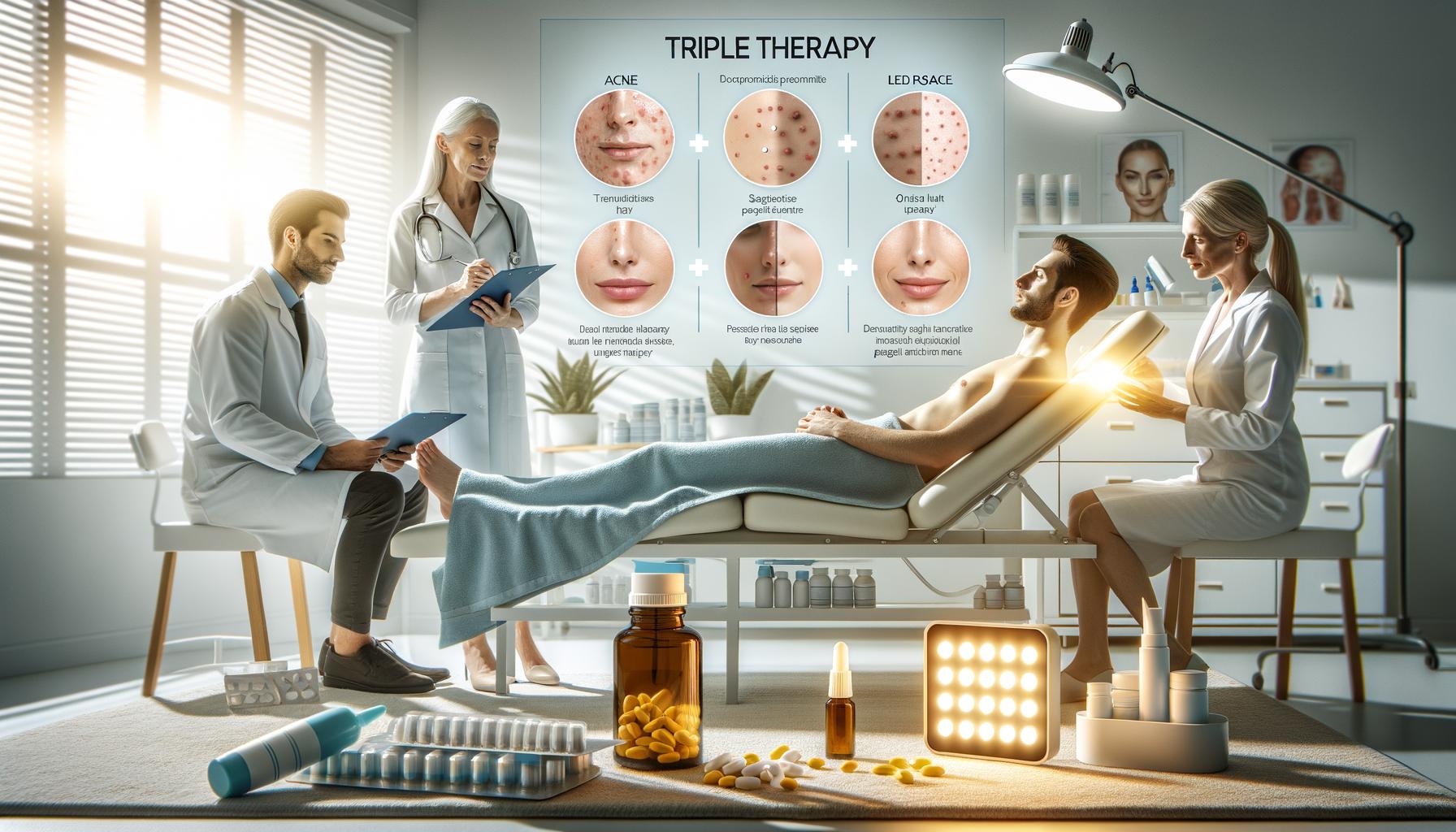
Acne and rosacea are complex skin conditions influenced by a variety of factors including bacterial growth, inflammation, and skin cell turnover. Triple therapy-a combination of azelaic acid, ivermectin, and metronidazole-offers a strategic, multi-targeted approach that tackles these underlying issues simultaneously, leading to more comprehensive management than single-agent treatments.
Azelaic acid serves several key functions: it gently exfoliates the skin, helps unclog pores, and suppresses the growth of acne-causing bacteria due to its antibacterial properties. Additionally, its anti-inflammatory effects reduce skin redness and irritation often seen in both acne and rosacea. Ivermectin brings a unique angle by targeting Demodex mites, microscopic parasites linked to rosacea’s inflammatory component. By reducing mite populations, ivermectin addresses a source of chronic immune stimulation that often goes untreated in conventional therapies.
Metronidazole complements these actions through its potent antimicrobial and anti-inflammatory mechanisms. It inhibits bacterial growth without the broad-spectrum antibiotic risks, helping maintain healthy skin flora, and effectively calms immune overactivity that causes redness, swelling, and irritation. This moderation of the immune response is crucial in rosacea, where excessive inflammation can worsen skin damage.
Why This Combination Works Better Together
- Multi-faceted attack: Whereas azelaic acid focuses on keratinization and bacterial factors, ivermectin controls parasitic involvement, and metronidazole suppresses inflammation-all critical yet distinct triggers of acne and rosacea.
- Reduced irritation: Each ingredient’s complementary effects allow lower concentrations, minimizing side effects like dryness or peeling compared to using higher doses of a single agent.
- Improved skin barrier function: Metronidazole’s anti-oxidative stress properties support recovery of the skin’s natural defenses, enabling all agents to work synergistically and efficiently.
In real-world practice, patients who struggled with persistent redness, pustules, or flare-ups often see faster and more sustained improvement when this triple regimen is employed. Of course, effectiveness can vary, and it’s essential to use these agents under dermatological guidance to tailor application frequency and monitor skin response. Combining these therapies harnesses a science-backed synergy that addresses the complex biology of acne and rosacea-beyond simple symptom relief-toward balanced, lasting skin health.
References for azelaic acid’s antibacterial and anti-inflammatory roles can be found here [1] and ivermectin’s antiparasitic action is detailed in dermatology literature. Metronidazole’s critical support role is explored thoroughly in the prior section.
Potential Side Effects of Triple Therapy

Many people find the concept of combining three powerful agents into one regimen promising, but it’s natural to wonder about the side effects such a therapy might bring. While triple therapy using azelaic acid, ivermectin, and metronidazole generally delivers effective results with good tolerability, it’s important to recognize that some individuals may experience mild to moderate reactions as their skin adjusts.
The most common issues stem from the skin’s initial response to active ingredients, especially since azelaic acid exfoliates and ivermectin targets mites, potentially disturbing the skin environment. Users might notice temporary redness, dryness, itching, or a slight burning sensation shortly after starting treatment. These symptoms often lessen as the skin builds tolerance and can usually be managed by adjusting frequency or using gentle moisturizers. For example, someone with sensitive skin might begin with every-other-day application before moving to daily use.
Less frequently, metronidazole may cause irritation or allergic reactions characterized by swelling or persistent redness. Although rare, if such signs develop, it’s essential to pause treatment and consult a dermatologist. Importantly, because this triple combination employs lower concentrations of each agent than standalone therapies, the risk of severe irritation or peeling is reduced. This balance makes the therapy more sustainable for long-term use while still effectively controlling acne and rosacea symptoms.
Practical Tips to Minimize Side Effects
- Start slow: Introduce the therapy gradually to allow the skin to adjust.
- Moisturize consistently: Use a fragrance-free moisturizer to combat dryness and support the skin barrier.
- Sun protection: Since azelaic acid can increase photosensitivity, daily sunscreen application is crucial.
- Monitor skin changes: Keep track of symptoms and communicate any concerns with a healthcare provider promptly.
In rare cases, some patients might experience flare-ups before improvement-a phenomenon known as a “purging” period, where clogged pores release trapped debris. This temporary phase typically resolves within a few weeks. Ultimately, proper medical guidance can help tailor the regimen to individual tolerance levels, ensuring benefits outweigh any discomfort.
Balancing efficacy and skin health demands attentiveness and patience, but with informed use, triple therapy offers a scientifically sound approach to managing complex skin conditions without significant compromise to skin comfort or safety.
Comparing Triple Therapy with Other Treatments

Choosing the right treatment for acne or rosacea often means weighing the benefits and drawbacks of various options. Triple therapy, combining azelaic acid, ivermectin, and metronidazole, stands out because it addresses multiple aspects of skin inflammation and microbial imbalance simultaneously. Unlike single-agent therapies, this synergistic approach targets bacteria, mites, and inflammation together, which may offer more comprehensive symptom control for many patients.
Compared to traditional treatments like topical antibiotics or retinoids, triple therapy tends to have a gentler side effect profile. For example, while antibiotics can lose effectiveness due to resistance and retinoids may cause significant irritation or peeling, the triple combination often uses lower individual doses, reducing harshness while maintaining efficacy. This balance is especially valuable for those with sensitive or reactive skin. However, it’s important to recognize that no treatment is universally perfect-some patients respond better to one therapy over another, highlighting the need for personalized care guided by a dermatologist.
How Triple Therapy Compares in Practical Use
- Duration of effect: Triple therapy can show improvements in 4 to 8 weeks, which is comparable to or faster than some monotherapies.
- Safety profile: Lower irritation risk means better adherence for long-term management.
- Mechanism: Multi-targeted action helps reduce the need for multiple separate products, simplifying routines.
- Cost considerations: While multi-agent products may seem more expensive upfront, avoiding multiple prescriptions can balance costs over time.
In some cases, patients who have not achieved results with conventional treatments find triple therapy to be a valuable alternative, particularly when rosacea mites or resistant bacteria are implicated. Nevertheless, this treatment is not a substitute for lifestyle measures or other prescribed therapies but rather a complementary tool in a broader skin health strategy.
By evaluating treatment goals, skin type, sensitivity, and previous responses, healthcare providers can help patients make informed decisions. This approach ensures that triple therapy is integrated thoughtfully into the care plan, optimizing benefits while minimizing potential downsides. Always consult a dermatologist before starting or switching treatments to ensure the best fit for your unique skin needs.
Patient Experiences: Real-Life Outcomes of Triple Therapy
Many individuals who have integrated triple therapy into their skincare routine report noticeable improvements within weeks, highlighting its practical effectiveness beyond clinical settings. This combined approach often appeals to those who’ve experienced frustration with traditional single-ingredient treatments that fail to address the complex nature of conditions like rosacea and acne. Users frequently mention clearer skin texture, reduced redness, and fewer breakouts as key benefits, which can contribute significantly to improved confidence and quality of life.
Real-life experiences reveal that the gradual onset of results is common-patients usually notice visible changes after about 4 to 8 weeks. This timeframe aligns with the skin’s natural renewal cycle and reflects the therapy’s multi-pronged action: azelaic acid works to normalize skin cell turnover and inhibit bacteria, ivermectin targets skin mites linked to inflammation, and metronidazole soothes redness and irritation. For many, this means a more balanced complexion without the harsh dryness or peeling often seen with other treatments.
- Consistency is crucial: Users emphasize that sticking to the prescribed routine maximizes benefits, as irregular use may blunt progress.
- Individual response varies: Some notice quick relief from redness, while others find that acne lesions take longer to resolve.
- Side effects tend to be mild: Occasional irritation or dryness is reported, but these typically diminish as skin adjusts.
Clear communication with a healthcare professional enhances outcomes. Many patients find it helpful when dermatologists provide guidance on managing initial side effects and setting realistic expectations. Patients also appreciate when treatment plans incorporate lifestyle advice addressing triggers such as sun exposure or diet, complementing the benefits of triple therapy.
By sharing and learning from these real-world insights, prospective users can better prepare for the journey ahead, understanding that while triple therapy is promising, it works best as part of a personalized, carefully monitored strategy aimed at long-term skin health.
Consultation and Personalized Treatment Approaches
Navigating treatment for skin conditions like acne and rosacea can feel overwhelming, but a personalized approach often makes all the difference. Since triple therapy combines distinct active ingredients-azelaic acid, ivermectin, and metronidazole-each targeting different aspects of inflammation and bacterial overgrowth, tailoring usage to individual skin types and concerns is crucial for success. This ensures not only effectiveness but also reduces the likelihood of unwanted side effects.
Open dialogue with a dermatologist or healthcare provider empowers patients to understand how each component of the therapy works. For instance, azelaic acid helps regulate skin cell turnover and fights bacteria, ivermectin focuses on controlling mites implicated in rosacea, and metronidazole calms redness and irritation. A professional can assess your skin’s unique sensitivity and guide you on how to introduce these treatments gradually, adapting frequency or concentration as needed. For example, starting with azelaic acid alone for a week before adding ivermectin can minimize irritation for those with sensitive skin.
Customizing the Treatment Plan
Every individual’s skin reacts differently, influenced by genetics, environment, and lifestyle factors. Your healthcare provider might suggest adjusting application techniques or combining triple therapy with other skincare routines such as moisturizers or sun protection. Lifestyle advice-like avoiding known rosacea triggers such as sun exposure, spicy foods, or alcohol-is often integrated into these plans. This holistic strategy enhances overall results and comfort.
- Monitor Progress Regularly: Keeping a symptom diary can help track improvements or side effects, enabling timely adjustments.
- Balance Treatment and Supportive Care: Using gentle cleansers and avoiding harsh scrubs reduces irritation during therapy.
- Set Realistic Expectations: Understanding that visible improvement typically takes weeks encourages patience and adherence.
By viewing triple therapy as a flexible, evolving process rather than a fixed regimen, patients are more likely to achieve lasting skin health. Professional guidance paired with patient feedback creates a dynamic treatment experience, maximizing benefits while respecting individual skin needs. Always consult your healthcare provider before making changes to your regimen and report any persistent or severe side effects promptly.
The Future of Topical Treatments in Dermatology
Advancements in dermatology are rapidly reshaping how we approach topical treatments for complex skin conditions like acne and rosacea. The success of triple therapy-combining azelaic acid, ivermectin, and metronidazole-has paved the way for more targeted and personalized formulations. Researchers are now focusing on enhancing efficacy while minimizing side effects through innovations in drug delivery systems, including nano-carriers and bio-compatible gels that improve skin absorption and reduce irritation.
One exciting direction is the integration of precision medicine principles. By understanding individual genetic, microbiome, and environmental factors, future topical treatments could be tailored with greater accuracy. Imagine formulations adjusted not only for skin type but also for microbial balance and inflammatory markers, allowing for dynamic adaptation over the course of treatment. This approach promises more consistent outcomes and shorter treatment durations.
- Smart Delivery Systems: Novel carriers such as liposomes and nanoparticles can protect active ingredients, release them gradually, and target affected skin layers more effectively.
- Combination Therapies Beyond Three: Expanding on the concept of triple therapy, future regimens may include additional agents that address specific triggers or symptoms, improving comprehensive skin health.
- Enhanced Patient Compliance: Simplified application methods, such as once-daily formulations or skin patches, can improve adherence and overall success rates.
Though promising, these innovations require rigorous clinical validation to ensure safety and reliability. Staying informed through open communication with dermatologists remains crucial. Patients should continue to view triple therapy as a foundational regimen, complemented by emerging treatments as advised by their healthcare providers. This balanced perspective empowers individuals to navigate future options confidently, combining proven science with evolving innovation for healthier skin.
Tips for Effective Use of Triple Therapy Products
Many people underestimate how much the way you use topical treatments can influence their effectiveness. When dealing with a combination like azelaic acid, ivermectin, and metronidazole, proper application techniques and routine adherence become key factors in achieving the best results. These products each have unique properties and requirements that, when respected, can maximize benefits and minimize discomfort or irritation.
Establishing a Consistent Routine
Consistency is crucial. Applying triple therapy products at the same time daily-preferably twice a day if recommended by your dermatologist-helps maintain steady therapeutic levels on the skin. Before application, gently cleanse your face with a mild, non-irritating cleanser to remove excess oils and dirt, which can interfere with absorption. Avoid harsh scrubbing or exfoliants that might disrupt skin barrier function, especially early in treatment.
Layering and Application Tips
Because these ingredients can sometimes cause dryness or redness, it’s important to apply them in a way that reduces irritation:
- Use pea-sized amounts: Over-applying won’t speed up results but can increase side effects.
- Apply to dry skin: Wait for your skin to fully dry after washing; applying on damp skin may increase irritation.
- Allow absorption time: If using multiple products (like moisturizers or sunscreens), apply triple therapy first, wait 10-15 minutes, then continue with additional skincare.
Managing Sensitivity and Side Effects
Some users may experience tingling, redness, or peeling during initial weeks. To manage this:
- Use a fragrance-free, non-comedogenic moisturizer liberally to soothe skin and support the skin barrier.
- Start with once-daily application, gradually increasing to twice daily as tolerated.
- Limit sun exposure and apply a broad-spectrum sunscreen daily, since these ingredients can increase photosensitivity.
When to Consult Your Dermatologist
If irritation persists or worsens, or if you aren’t noticing improvement after several weeks, reach out to your healthcare provider. They may adjust the regimen, suggest additional supportive treatments, or check for underlying issues. Remember, triple therapy is a powerful tool, but it works best as part of a personalized care approach tailored to your skin’s needs.
By taking thoughtful steps with application and listening to your skin’s signals, you empower yourself to achieve clearer, healthier skin with this comprehensive treatment.
FAQs: Common Questions About Triple Therapy
Most questions about using triple therapy with azelaic acid, ivermectin, and metronidazole revolve around safety, effectiveness, and how to integrate this regimen into daily life. People often wonder if combining these ingredients is safe or if the skin will become too irritated. While these medications each have unique functions that complement one another-azelaic acid targets acne and pigmentation, ivermectin tackles mites and inflammation, and metronidazole soothes redness and rosacea-they can cause mild dryness or irritation at first. Starting slowly and moisturizing well can help manage these side effects effectively.
How Soon Will I See Results?
Results typically take several weeks to become noticeable because skin turnover and inflammation reduction require time. Most users begin to see improvements in acne or rosacea symptoms after 4 to 8 weeks, though full benefits may develop over 3 months or longer with consistent use. Patience and routine adherence are essential.
Can I Use This Therapy If I Have Sensitive Skin?
Yes, but with caution. Sensitive skin may react more strongly to the active ingredients. It’s best to start with once-daily application and increase frequency as tolerated. Using fragrance-free, non-comedogenic moisturizers alongside the treatment combats dryness and supports the skin barrier. Sunscreen is vital, as these ingredients increase sun sensitivity.
Is It Safe to Use Other Skin Products Alongside Triple Therapy?
You can, but timing and product choice matter. Avoid harsh exfoliants, strong retinoids, or abrasive scrubs while on treatment, as they may worsen irritation. Apply triple therapy products to clean, dry skin first. After they absorb (wait 10-15 minutes), you may layer gentle moisturizers or sunscreen. This sequencing helps prevent barrier disruption and maximizes efficacy.
What Should I Do If Side Effects Occur?
Mild redness, peeling, or tingling is common initially and often improves with time. To alleviate discomfort:
- Use a soothing moisturizer frequently.
- Apply treatments less often (once daily) then gradually increase usage.
- Limit direct sun exposure and wear broad-spectrum SPF daily.
- Consult a dermatologist if irritation is severe, persists beyond a few weeks, or worsens.
Can Triple Therapy Replace Oral Medications?
For many mild to moderate cases of acne and rosacea, topical triple therapy can be highly effective without the risks oral antibiotics or isotretinoids carry. However, severe or resistant cases may still require systemic treatment under medical supervision.
By understanding how these three ingredients work together and knowing what to expect, you can better navigate your skin’s response and partner with your healthcare provider to tailor treatment to your unique needs. Never hesitate to reach out to a dermatologist with concerns or questions for the safest and most effective outcomes.
Faq
Q: How does triple therapy with azelaic acid, ivermectin, and metronidazole improve treatment outcomes for rosacea?
A: Triple therapy enhances rosacea treatment by combining anti-inflammatory, antibacterial, and antiparasitic effects from azelaic acid, ivermectin, and metronidazole. This multi-target approach reduces redness, bumps, and skin mites more effectively than single treatments, offering better overall symptom control and skin texture improvement.
Q: When is triple therapy recommended over single or dual treatments for acne or rosacea?
A: Triple therapy is recommended for moderate to severe cases of acne or rosacea that don’t respond well to single or dual therapies. It is especially useful when inflammation, bacterial overgrowth, and parasitic factors coexist, providing a comprehensive approach for resistant or complex skin conditions.
Q: Can triple therapy with azelaic acid, ivermectin, and metronidazole reduce the risk of antibiotic resistance?
A: Yes, combining these three agents can reduce antibiotic resistance risk by targeting different causes of skin inflammation without relying solely on antibiotics. Azelaic acid and ivermectin provide non-antibiotic antimicrobial action, which helps minimize prolonged antibiotic use and resistance development.
Q: What skin types benefit most from azelaic acid, ivermectin, and metronidazole triple therapy?
A: Triple therapy suits sensitive, acne-prone, and rosacea-affected skin types due to its gentle yet effective ingredients. Each component targets specific skin issues while minimizing irritation, making it ideal for patients who need a balanced approach to controlling redness, pimples, and mite infestations.
Q: How can patients optimize the effectiveness of triple therapy with azelaic acid, ivermectin, and metronidazole?
A: To optimize results, patients should apply each medication as directed, maintain consistent use, avoid harsh skincare products, and protect skin with daily sunscreen. Consulting a dermatologist for personalized guidance ensures safe, effective treatment and improved skin barrier support.
Q: Does triple therapy help with post-inflammatory hyperpigmentation in acne and rosacea?
A: Yes, azelaic acid in the triple therapy has skin-brightening properties that reduce post-inflammatory hyperpigmentation. When combined with ivermectin and metronidazole, it improves skin clarity and tones down dark spots caused by inflammation or acne lesions.
Q: How soon can patients expect to see results from triple therapy with azelaic acid, ivermectin, and metronidazole?
A: Patients often notice improvements within 4 to 8 weeks, particularly reduced redness and fewer lesions. Full benefits may take up to 12 weeks, so consistent use and patience are key. Early consultation can ensure proper skin assessment and follow-up.
Q: Are there any specific precautions when combining azelaic acid, ivermectin, and metronidazole in triple therapy?
A: Yes, patients should monitor for skin dryness, irritation, or sensitivity and use moisturizers to maintain hydration. Avoid excessive sun exposure and consult a healthcare professional if severe reactions occur. Proper spacing of application and following medical advice reduces side effects.
Explore more on personalized treatment plans and safety tips in the article sections on Consultation and Effective Use for ongoing skin health.
Closing Remarks
Combining azelaic acid, ivermectin, and metronidazole offers a powerful approach to managing resistant skin conditions by targeting inflammation, bacteria, and other underlying causes simultaneously. This triple therapy presents a balanced solution that can improve outcomes where single treatments fall short. If you’re considering this treatment, it’s important to consult with a healthcare professional to tailor it safely to your needs and monitor progress closely.
To deepen your understanding of topical treatments and skin health, explore our related guides on azelaic acid benefits, ivermectin uses, and metronidazole precautions. Signing up for our newsletter also ensures you stay updated on the latest research and expert advice. Feel free to share your experiences or questions below – your insights help build a supportive community focused on informed skincare choices. Dive into these topics now and take the next step toward clearer, healthier skin with confidence and care.
Get our latest guides, news, and insights highlighted in your Google Search & AI Overviews.


