

Fleas are more than just a nuisance; they can cause discomfort and even transmit diseases to pets. Many pet owners wonder if ivermectin, a medication known for treating parasitic infections, is effective against fleas. This article explores whether ivermectin kills fleas and examines its role in protecting your furry friends. Understanding how ivermectin works-and its benefits and limitations-can help you make informed decisions about flea control. If you’re looking for a clear, science-based perspective on this common concern, read on to uncover what ivermectin can truly do and when other treatments might be necessary. Always consult a veterinarian before starting any new medication to ensure the safest approach for your pet’s health.
Does Ivermectin Effectively Kill Fleas?
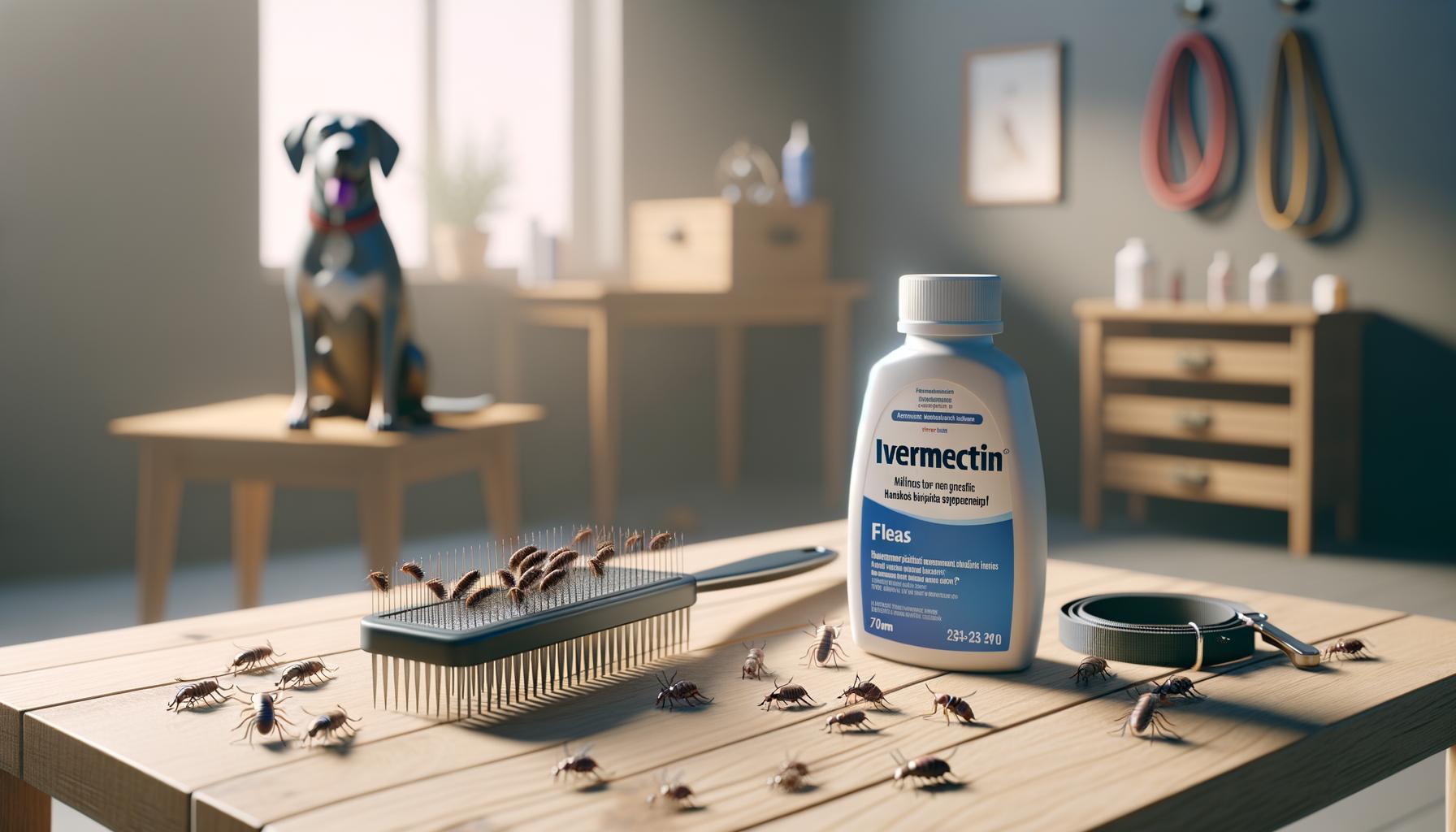
Fleas are a common and persistent problem for pets, leading many owners to seek effective solutions. While ivermectin is widely known for treating various parasitic infections, its effectiveness specifically against fleas is more nuanced. Ivermectin primarily targets internal parasites such as worms and certain external parasites like mites, but its action on fleas is limited and not typically the first line of defense recommended by veterinarians.
Fleas have a complex lifecycle, including eggs, larvae, pupae, and adults, and ivermectin’s ability to interrupt this cycle is minimal. Unlike some flea-specific medications that directly kill adult fleas and their immature stages, ivermectin does not reliably affect flea populations on pets. It works by binding to nerve and muscle cells in susceptible parasites, causing paralysis and death; however, fleas are generally less sensitive to this mechanism at the doses used safely in pets.
- Key point: Ivermectin is not labeled or approved as a primary flea control agent.
- Practical advice: If your pet has a flea infestation, it’s best to use products specifically designed for flea control such as topical treatments, oral medications, or flea collars that kill fleas rapidly and break their lifecycle.
For example, veterinary-recommended flea products often include ingredients like fipronil, selamectin, or spinosad, which have proven effectiveness against fleas and are formulated for safe use in pets. Using ivermectin for flea control without professional guidance may not only be ineffective but could also risk improper dosing or toxicity, especially in sensitive breeds.
Always consult your veterinarian before using ivermectin or any other medication for fleas. They can provide tailored recommendations based on your pet’s health status, flea infestation severity, and other environmental considerations. This ensures safe, effective flea management and avoids delays in getting proper relief for your pet.
The Science Behind Ivermectin and Fleas
Few people realize that while ivermectin revolutionized parasite control in animals, its direct impact on fleas is quite limited. Ivermectin works by binding to specific nerve and muscle cells in certain parasites, causing paralysis and death. This mechanism is highly effective against many internal parasites-like roundworms and some external parasites such as mites-but fleas are less susceptible to it at the safe doses used in pets. This difference largely stems from flea biology and their reduced sensitivity to ivermectin’s mode of action.
How Ivermectin Targets Parasites
Ivermectin affects parasites by enhancing the activity of glutamate-gated chloride channels in their nerve and muscle cells. This leads to increased permeability to chloride ions, causing paralysis and subsequent death of the parasite. However, fleas, compared to other parasites, have nerve and muscle systems that respond differently, requiring either higher doses or different compounds to achieve effective control. Since high doses pose toxicity risks in pets, ivermectin’s flea-killing capacity becomes minimal in practical use.
Why Fleas Are Different
Fleas have a unique lifecycle, including eggs, larvae, pupae, and adults, all residing partially off the host in the environment. Ivermectin is not known to significantly affect immature flea stages in the environment, nor does it reliably kill adult fleas already on the pet. This contrasts with flea-specific treatments, which focus on interrupting this lifecycle through direct contact killing or systemic action designed for fleas.
- Fleas are less sensitive to ivermectin’s mode of action compared to other parasites.
- Ivermectin does not effectively interrupt flea reproduction or immature development.
- Safe dosing limits prevent using high enough ivermectin levels to impact fleas.
Practical Implications for Pet Owners
Because of these scientific realities, ivermectin is not a first choice to manage fleas. Flea control requires products specifically formulated and tested to kill fleas and their immature stages effectively. Ingredients like fipronil, selamectin, or spinosad target fleas through different pathways that work at safe doses in pets. Using ivermectin alone risks ineffective flea management and possible side effects, particularly in sensitive breeds prone to ivermectin toxicity.
To safeguard your pet, always consult your veterinarian before using ivermectin for flea control. They can advise on the safest, most effective approach and may recommend integrated flea treatments combining environmental control and appropriate medications. This ensures better relief from fleas while protecting your pet’s health.
For a balanced perspective, remember: ivermectin remains valuable for other parasites but not as a stand-alone flea solution. Understanding this science helps pet owners make informed choices and avoid unnecessary risks when tackling flea infestations.
Understanding Flea Lifecycles and Infestation
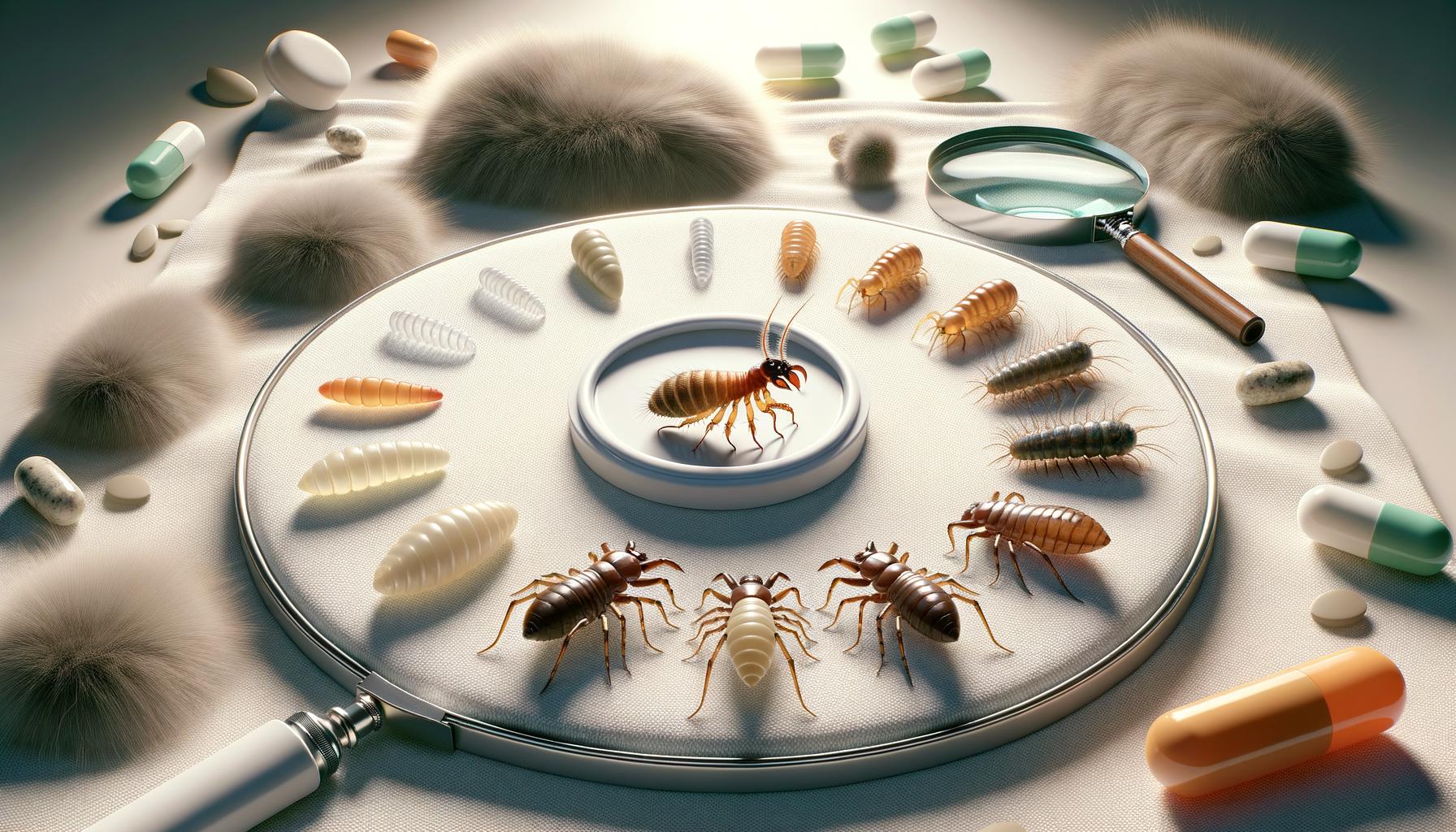
Fleas are deceptively small, yet their lifecycle is complex and resilient, making infestations notoriously difficult to control. Understanding this cycle is essential for effective flea management because the pests spend much of their early life off your pet, hiding in the environment. Flea eggs, larvae, and pupae develop in places like carpets, pet bedding, and cracks in flooring-areas that often go unnoticed during typical cleaning.
The flea lifecycle has four stages: egg, larva, pupa, and adult. Adult fleas live on the host, feeding on its blood, while the eggs and immature stages develop in the surrounding environment. Eggs hatch into larvae within a few days, which then feed on organic debris before spinning cocoons to pupate. This pupal stage can last from days to months, depending on temperature and humidity. Once mature, adult fleas emerge, waiting to jump onto a passing pet. This environmental reservoir of immature fleas is a major challenge, because even if you kill the adult fleas on your pet, new adults keep emerging from pupae hidden in your home.
- Eggs: Laid on the pet but fall into the environment; hatch within 2-5 days.
- Larvae: Live in dark, humid areas; feed on flea dirt and organic matter for about 5-10 days.
- Pupae: Encased in a cocoon; can remain dormant for weeks to months waiting for a host.
- Adults: Live on the pet’s skin; begin feeding, mating, and laying eggs quickly.
Because much of the flea lifecycle occurs off the animal, relying solely on treatments that kill adult fleas on pets can be ineffective. Interrupting the cycle requires a combined approach: treating the pet to kill adults and using environmental controls to eliminate eggs, larvae, and pupae. Vacuuming regularly, washing pet bedding in hot water, and applying yard treatments where pets spend time can help reduce the environmental flea population. Some products also include insect growth regulators (IGRs), chemicals that prevent flea eggs from developing into adults, which are critical for comprehensive control.
This lifecycle explains why ivermectin, which primarily affects parasites feeding directly on the host, is not effective for fleas. Since eggs and immature stages develop off-host and ivermectin does not reliably kill adult fleas at safe doses, it cannot break the flea lifecycle or suppress infestations on its own. Recognizing the full flea lifecycle empowers pet owners to take targeted actions-both on pets and in their surroundings-for lasting relief from these persistent parasites. Always consult your veterinarian to design a treatment plan that addresses both pet health and environmental control.
Alternative Flea Treatments: How Do They Compare?

Fleas are notoriously persistent pests, and finding the right treatment often means exploring options beyond ivermectin, which lacks efficacy against fleas. Fortunately, several alternative treatments target different stages of the flea lifecycle or work via mechanisms better suited to controlling these tiny invaders. Understanding how these options compare can help pet owners choose safe, effective approaches tailored to their needs.
Topical and Oral Flea Medications
Many vets recommend topical spot-on treatments or oral medications specifically formulated to kill adult fleas rapidly and interrupt reproduction. These products often contain ingredients like fipronil, imidacloprid, selamectin, or newer compounds such as fluralaner. Unlike ivermectin, which mainly targets internal parasites, these chemicals act on the flea’s nervous system directly, causing paralysis and death within hours of application. Oral treatments like afoxolaner or spinosad offer systemic protection, killing fleas when they bite the treated pet.
Insect Growth Regulators (IGRs)
IGRs such as methoprene and pyriproxyfen disrupt flea development by preventing eggs and larvae from maturing into adults. While they don’t kill adult fleas instantly, they serve a crucial role in breaking the flea lifecycle and reducing environmental infestations. Many effective flea control products combine adulticides and IGRs for a comprehensive approach, something ivermectin does not provide.
Environmental and Mechanical Controls
Because a majority of the flea lifecycle occurs off the pet, complementary environmental control is vital. Routine vacuuming, washing pet bedding in hot water, and applying yard treatments with insecticides or natural alternatives like diatomaceous earth can dramatically reduce flea eggs and larvae lurking in carpets and outdoor areas. These methods, while labor-intensive, support chemical treatments by targeting stages ivermectin cannot affect.
| Treatment Type | How It Works | Strengths | Limitations |
|---|---|---|---|
| Topical/Oral Adulticides | Kills adult fleas on the pet | Fast action, easy application, systemic option | Does not affect eggs/pupae; resistance possible |
| Insect Growth Regulators (IGRs) | Prevents immature fleas from developing | Breaks lifecycle, reduces reinfestation | Slow to impact adult flea numbers |
| Environmental Control | Removes flea eggs, larvae, pupae from surroundings | Targets off-pet stages, supports chemical treatments | Needs repeated effort, time-consuming |
| Ivermectin | Targets parasites feeding on host internally | Useful for some parasites (e.g., worms, mites) | Not reliably effective against fleas |
Choosing the right combination depends on your pet’s lifestyle, health, and the severity of the infestation. For example, pets with outdoor access or multi-pet households may benefit from longer-lasting oral medications plus environmental management. Conversely, indoor-only pets might respond well to regular topical treatments and diligent cleaning. It’s important to remember no single method works perfectly in isolation.
Always discuss treatment plans with your veterinarian, especially before switching products or adding new components. A professional can consider your pet’s unique needs, potential drug interactions, and any health issues. By combining targeted flea-killing agents with environmental control and using scientifically supported products, pet owners can effectively combat fleas without relying on ivermectin, which is not designed for this purpose.
Dosage and Administration Guidelines for Pets
Flea control requires precise dosing and thoughtful administration to ensure safety and effectiveness for your pet. While ivermectin is used to treat various internal and external parasites in animals, it is important to clarify that it is not typically dosed or recommended specifically for flea treatment. Instead, flea medications designed for pets have specific dosage guidelines tailored to their mode of action and the pet’s weight, age, and health status.
When administering flea treatments, whether topical or oral, always follow label instructions or veterinary guidance closely. The right dose maximizes effectiveness and minimizes risks like toxicity or adverse reactions. For example, spot-on treatments usually come in weight-specific tubes applied directly to the pet’s skin, usually between the shoulder blades, to prevent the animal from licking the medication off. Oral flea medications require confirming the pet’s weight accurately since overdosing can cause issues, and underdosing may lead to treatment failure and resistance.
- Topical treatments: Apply only on dry skin, ensuring the pet cannot lick the application site immediately after dosing.
- Oral medications: Use a pill or chewable form given with or without food as advised by your vet. Always confirm you’re using the product approved for your pet species and size.
- Environmental management: Medications alone rarely control fleas completely. Regular cleaning routines and environmental treatments complement dosing efforts to disrupt the flea lifecycle.
Veterinary Consultation Is Key
Since ivermectin’s role does not extend reliably to combating fleas, consult your veterinarian for appropriate flea-specific medications and corresponding dosage. Your vet will consider your pet’s overall health, breed sensitivities (some breeds like Collies have increased ivermectin sensitivity), and any concurrent medications to avoid harmful interactions. Always avoid self-prescribing with ivermectin or any anti-parasitic drug, as inappropriate dosing can lead to serious health consequences.
A typical dosing schedule for flea-specific oral medications may range from monthly to every three months depending on the product, while topical products often require monthly applications. Maintaining consistent dosing schedules alongside environmental steps offers the best protection-not ivermectin misuse. Remember, correctness in administration-not necessarily complexity-is what protects your pet effectively from fleas and prevents the development of resistance or adverse effects.
Potential Risks and Side Effects of Ivermectin

Ivermectin is a powerful antiparasitic drug but using it to control fleas in pets carries notable risks that pet owners must carefully consider. While effective against many parasites, ivermectin is not specifically approved or recommended as a flea treatment, and improper use can lead to serious side effects. This is especially true in breeds with a genetic sensitivity to ivermectin, such as Collies, Australian Shepherds, and other herding dogs, where even low doses may cause neurological symptoms.
Common side effects seen in animals include mild gastrointestinal upset like diarrhea or nausea, and occasional swelling or dizziness. However, more severe reactions – though rare – can involve neurological issues such as tremors, ataxia (loss of coordination), seizures, or even coma when dosed improperly or in sensitive pets. Severe skin reactions and potential liver damage have also been reported in isolated cases, highlighting the need for veterinary oversight when considering ivermectin use in any capacity [[1]](https://www.mayoclinic.org/drugs-supplements/ivermectin-oral-route/description/drg-20064397), [[2]](https://www.healthline.com/health/drugs/ivermectin-tablet-side-effects).
Key Considerations for Safe Use
- Breed Sensitivity: Genetic mutations affecting certain breeds make ivermectin dangerous even at low doses. Always inform your vet about your pet’s breed before administration.
- Proper Dosage: Overdosing can cause toxicity, while underdosing risks ineffective treatment and potential parasite resistance. Confirm your pet’s precise weight and use only vet-approved products.
- Watch for Side Effects: Monitor your pet closely after treatment for signs of adverse reactions such as excessive drooling, disorientation, weakness, or seizures. Immediate veterinary care is essential if symptoms appear.
- Drug Interactions: Ivermectin can interact with other medications, so a full health and medication history review by a veterinarian is critical to avoid complications.
Why Veterinary Guidance Matters
Self-prescribing ivermectin for flea control is risky and not advised. Your veterinarian can recommend safer, flea-specific treatments designed to target all flea life stages without unnecessary risk. These medications often come with clear dosage instructions tailored for different species and sizes, minimizing the chance of adverse effects or wasted treatment. Environmental management and consistent follow-up treatments also play an essential role in flea control, reducing the reliance on any single medication.
Being informed and cautious ensures your pet receives effective protection without compromising their health. When in doubt, seek your vet’s advice before using ivermectin or any antiparasitic drug. This approach guarantees safety, maximizes benefits, and supports long-term parasite control strategies best suited for your pet’s unique needs[[[3]](https://www.drugs.com/sfx/ivermectin-side-effects.html).
Is Ivermectin Approved for Pet Use?
Although ivermectin is widely recognized for its antiparasitic properties, it is important to understand that it is not specifically approved by regulatory agencies such as the FDA for the treatment or prevention of fleas in pets. Instead, ivermectin’s official use in veterinary medicine primarily targets parasites like heartworms, certain internal worms, and some external mites. Its role in flea control remains unofficial and off-label, meaning veterinarians may sometimes recommend it based on their clinical judgment but it is not a flea-targeted medication by design.
This distinction matters because medications approved for specific uses undergo rigorous testing to confirm their safety, efficacy, and appropriate dosage for that condition. In the case of fleas, there are numerous pesticides and insect growth regulators (IGRs) that have been thoroughly vetted and formulated for safe and effective flea control without the risks associated with using ivermectin off-label. Using ivermectin for flea control risks ineffective treatment and can cause serious side effects, especially in breeds with known genetic sensitivity, such as Collies and Australian Shepherds. These dogs may experience neurological toxicity even at doses that are considered safe for others.
What Pet Owners Should Know About Ivermectin Use
- Not FDA-Approved for Fleas: Ivermectin is not labeled or approved for flea treatment in pets, making it an off-label option that requires veterinary oversight.
- Potential for Misuse: Without proper guidance, incorrect dosing can lead to toxicity or treatment failure – this is particularly true if used as a flea preventative or flea killer.
- Veterinary Supervision Is Essential: Vets may prescribe ivermectin safely for other parasite problems, but recommending flea-specific products ensures targeted action and fewer risks.
- Breed Sensitivities Must Be Assessed: Genetic testing and breed history guide vets to avoid ivermectin in animals at risk for adverse reactions.
Many veterinarians prefer conventional flea control products such as spot-on treatments, oral tablets, or collars designed specifically for flea infestations. These options have been scientifically proven to break the flea life cycle and are formulated to be safe when used according to instructions. Choosing an approved flea medication reduces the chance of accidental harm and increases the likelihood of successfully eliminating fleas.
For pet owners who are curious about ivermectin due to its antiparasitic reputation, the best course of action is to discuss all parasite concerns with a veterinarian. They can assess your pet’s health, risk factors, and specific parasite issues, then recommend a treatment plan tailored to your pet’s needs. This ensures you don’t inadvertently compromise your pet’s safety by using a medication for unapproved purposes.
In summary, ivermectin is a valuable drug within veterinary medicine but is not authorized or recommended as a flea treatment. Relying on established, approved flea control methods and seeking professional veterinary advice is the safest and most effective way to protect pets from fleas and other parasites.
Owner Experiences: Success Stories and Challenges
Many pet owners have shared mixed experiences regarding the use of ivermectin for flea control, underscoring the importance of understanding its limitations and risks. Some have reported partial success when ivermectin was prescribed alongside other parasite treatments, noticing a reduction in flea activity. However, these anecdotal cases often involved concurrent use of flea-specific products, making it difficult to attribute improvements solely to ivermectin. More commonly, owners have encountered challenges when relying on ivermectin alone, with persistent flea infestations causing frustration and prompting a switch to approved flea medications.
It is crucial for pet owners to recognize that success with ivermectin often depends on careful veterinary guidance, particularly given the drug’s variable effectiveness against fleas and potential for toxicity. For example, owners of sensitive breeds like Collies have experienced serious side effects from improper dosing. These real-world stories highlight the need for personalized veterinary oversight and caution against using ivermectin as a first-choice flea solution.
- Complementary Use: Some owners have found ivermectin helpful when combined with targeted flea treatments, rather than as a standalone remedy.
- Challenges with Ineffectiveness: Fleas often persist if ivermectin is used improperly or without an integrated control plan addressing all stages of the flea lifecycle.
- Adverse Effects Reported: Neurological symptoms such as ataxia or seizures have been noted in certain pets, especially in breeds with known genetic sensitivity.
- Importance of Veterinary Partnership: Owners who worked closely with vets to adjust treatments usually reported better outcomes and fewer complications.
These experiences serve as a practical reminder that while ivermectin plays a vital role in parasite control, it is not a silver bullet for flea infestations. Pet owners looking for effective, safe flea relief should seek out veterinarian-approved flea products designed specifically for this purpose. Consulting a veterinary professional ensures appropriate diagnosis, treatment selection, and dosing accuracy-factors integral to protecting your pet’s health and comfort. Remember, managing fleas successfully often involves a multi-pronged approach, including environmental control and consistent treatment protocols.
By listening to other owners’ experiences and valuing expert advice, you can make informed decisions that balance efficacy and safety for your furry friends.
Understanding Resistance: Fleas and Medication
Fleas are notorious for their ability to adapt quickly, making resistance to medications a real concern in effective flea control. Over time, fleas exposed repeatedly to the same class of drugs can develop genetic traits that reduce a medication’s ability to kill them. This means that products which were once highly effective may lose potency, leaving pet owners frustrated by recurring infestations despite treatment.
Resistance doesn’t happen overnight. It often arises from inconsistent dosing, improper use, or reliance on a single medication without rotating treatments or integrating other control methods. For instance, using ivermectin or any flea medication as a standalone, long-term solution increases the risk that fleas will develop resistance, weakening the drug’s effectiveness. This is why many veterinarians recommend multi-pronged approaches that combine environmental management with a variety of flea control measures.
- Rotating Medications: Switching between different classes of flea treatments can help reduce resistance development.
- Environmental Control: Vacuuming, washing bedding, and treating living environments prevent flea eggs and larvae from maturing and perpetuating cycles of infestation.
- Integrated Flea Management: Using insect growth regulators (IGRs) alongside adulticides targets different flea life stages, helping break resistance patterns.
Understanding that resistance can render ivermectin less effective against fleas highlights the need for strategic veterinary guidance. Your vet can help tailor a flea control program based on current resistance trends in your area, your pet’s health profile, and lifestyle. This personalized approach maximizes treatment success while minimizing risks associated with overuse or misuse of any single medication.
Ultimately, recognizing resistance prepares pet owners to ask proactive questions, such as how often to rotate medications or when to incorporate additional environmental controls. Early vigilance and smart, combined strategies not only protect your pet’s comfort but also preserve the usefulness of essential medications like ivermectin in fighting other parasites.[[1]]
Veterinary Insights: Expert Opinions on Ivermectin
It’s a common misconception that ivermectin is a frontline treatment for flea infestations, but veterinary experts emphasize that its primary use is for internal parasites like heartworms, certain mites, and intestinal worms, rather than fleas. While ivermectin has broad antiparasitic properties, it is not specifically formulated or approved to kill fleas effectively in pets. This distinction is crucial when considering flea control, as relying on ivermectin alone may lead to ineffective treatment and ongoing discomfort for your pet.
Veterinarians highlight the importance of targeted flea control products that are designed specifically for breaking the flea lifecycle. These products often include adulticides (which kill adult fleas) and insect growth regulators (IGRs) that disrupt flea development stages like eggs and larvae. Ivermectin lacks these specialized actions against fleas, and its dosing for internal parasites differs significantly from what would be required for any external pest control. Therefore, vets caution against off-label use of ivermectin for fleas due to limited efficacy and potential safety concerns, especially given its narrow therapeutic margin in some breeds.
How veterinarians approach flea control:
- Integrated pest management: Experts advocate combining environmental control (cleaning and treating the pet’s surroundings) with appropriate topical or oral flea medications.
- Resistance awareness: Some flea populations have shown resistance to common insecticides, so vets stress rotating products and using multi-mechanism treatments to maintain effectiveness.
- Consultation and monitoring: A vet’s personalized advice considering pet health, lifestyle, and local parasite pressures remains the cornerstone of effective flea management.
In practice, a veterinarian will likely recommend proven flea control measures such as topical spot-on treatments containing fipronil, imidacloprid, or selamectin, or oral medications like nitenpyram or fluralaner, rather than ivermectin. These drugs have undergone rigorous safety and efficacy testing for fleas and are specifically approved for that purpose. Ivermectin may appear in combination products addressing multiple parasites, but its flea-killing action is negligible compared to dedicated flea treatments.
Veterinary insights remind pet owners that while ivermectin is valuable for certain parasitic diseases, it should not be viewed as a silver bullet for fleas. Instead, integrating treatments, environmental management, and regular veterinary follow-up offers the best chance to keep fleas at bay safely and effectively. Always seek professional guidance before choosing or changing flea medications to ensure the best outcomes for your pet’s health.[[1]]
Safe Practices for Flea Prevention in Pets
Many pet owners underestimate how crucial consistent and thorough flea prevention measures are for keeping their pets comfortable and healthy. Fleas not only cause itching and discomfort but may also transmit diseases and trigger allergic reactions. Effective prevention goes beyond a single treatment-it requires a holistic approach that blends proper environmental care, regular pet maintenance, and informed product choices.
Environmental Management: The First Line of Defense
Since fleas spend much of their lifecycle off the pet-in carpets, bedding, and outdoor areas-regular cleaning is essential. Frequent vacuuming reduces flea eggs and larvae in the home, disrupting the infestation cycle. Washing pet bedding weekly in hot water helps eliminate flea stages harbored in sleeping areas. Treating your yard with veterinarian-approved insecticides or nematodes can reduce the outdoor flea population. Remember, a flea-free home environment supports the effectiveness of any medication used on your pet.
Choosing and Using Flea Treatments Wisely
Not all flea treatments are created equal, and understanding the distinctions helps prevent both under-treatment and overexposure to chemicals. Products often combine adulticides-agents that kill adult fleas-with insect growth regulators (IGRs) that prevent eggs and larvae from developing. These multi-mechanism treatments are far more effective than agents like ivermectin, which lacks targeted action against fleas. Consult your veterinarian to identify products safe for your pet’s species, age, and health status, especially since some breeds may have sensitivities or drug interactions.
- Follow dosage instructions strictly. Overdosing can harm your pet, while underdosing diminishes effectiveness and encourages resistance.
- Use product rotation. Rotating between active ingredients after veterinary guidance can help combat flea resistance.
- Consider combined parasite protection. Some formulations protect against ticks, heartworms, and mites along with fleas for comprehensive coverage.
Regular Monitoring and Veterinary Partnership
Observing your pet’s behavior and skin condition is invaluable. Early signs like persistent scratching, hair loss, or red spots warrant prompt veterinary advice. Flea infestations can escalate quickly, and waiting too long may complicate treatment. Regular veterinary check-ups allow tailored prevention plans based on your pet’s environment, lifestyle, and risk factors.
A veterinarian’s consultation ensures that you’re not relying on ineffective or unsafe treatments such as ivermectin for fleas, which is neither approved nor recommended for this use. Instead, you’ll receive guidance on proven methods tailored to your pet’s unique needs-striking the best balance between efficacy and safety.
Summary Table: Steps to Effective Flea Prevention
| Prevention Step | Key Actions | Benefits |
|---|---|---|
| Environmental Cleaning | Vacuum floors, wash bedding weekly, treat yard | Reduces flea eggs and larvae outside the pet |
| Appropriate Flea Medication | Use vet-approved adulticides and IGRs; follow dose | Kills adult fleas and disrupts lifecycle safely |
| Regular Monitoring | Watch for itchiness or skin changes; veterinary checks | Early detection prevents severe infestations |
| Consultation & Rotation | Vet advice on product rotation and combination therapy | Limits resistance, maximizes long-term control |
Ultimately, safe and effective flea prevention hinges on understanding the flea lifecycle, selecting the right products, and maintaining an environment that discourages reinfestation. While ivermectin plays a valuable role against certain parasites, it should not be part of your flea control plan. Partnering with your veterinarian ensures your pet’s protection remains comprehensive, safe, and scientifically sound.
When to Consult Your Veterinarian About Fleas
Sometimes, despite your best efforts, flea problems persist or worsen, signaling the need for veterinary assistance. Fleas multiply quickly and can lead to complications like skin infections, anemia, or allergic reactions. If you notice intense scratching, redness, bald patches, or behavioral changes such as irritability or restlessness, these are clear signs it’s time to seek professional advice. Early intervention not only eases your pet’s discomfort but also prevents the infestation from escalating further in your home.
- Persistent or severe itching: If over-the-counter treatments or home remedies fail to bring relief within a few days.
- Visible fleas or flea dirt: Continual observation of fleas or tiny black specks (“flea dirt”) in your pet’s fur, especially after treatment.
- Skin infections or lesions: Open sores, scabs, or areas of thickened skin from excessive scratching.
- Signs of systemic effects: Lethargy, pale gums, or weakness could indicate flea-induced anemia, particularly in young or small pets.
- Concerns about medication safety and resistance: When unsure whether products like ivermectin are suitable or effective for your pet.
Veterinarians offer more than just prescriptions; they provide tailored advice based on your pet’s species, breed, age, and health conditions. For example, certain dog breeds are sensitive to specific medications and require alternative treatments. Additionally, vets can recommend integrated flea control programs, combining environmental management, safer, effective medications, and guidance on preventing resistance. Given that ivermectin is not approved or effective for flea control, your veterinarian’s insights can help avoid ineffective or potentially unsafe choices.
Regular check-ups are also valuable when you live in high-risk areas or have multiple pets. Flea prevention is a dynamic process that may need adjustment over time. When in doubt, consulting a professional offers reassurance and a scientifically sound plan, protecting your pet’s health while minimizing unnecessary exposure to ineffective or risky interventions.
Frequently asked questions
Q: Can Ivermectin be used as a preventive measure against flea infestations in pets?
A: Ivermectin is not typically recommended as a flea preventive since it targets internal parasites, not external pests like fleas. For effective flea prevention, use vet-approved topical or oral flea control products designed specifically for that purpose. Always consult your veterinarian before starting prevention protocols.
Q: How does Ivermectin affect fleas compared to other common flea treatments?
A: Ivermectin has limited direct effect on adult fleas and is less effective than specialized flea treatments like fipronil or selamectin. Other flea products target fleas at multiple lifecycle stages, providing comprehensive control. For best results, choose flea treatments formulated specifically for pets.
Q: Why is Ivermectin not the first choice for treating flea infestations in dogs and cats?
A: Ivermectin is primarily designed to treat internal parasites and has minimal impact on fleas, which are external pests. Flea infestations require targeted topical or oral medications that disrupt flea lifecycle stages effectively and safely, making them the preferred treatment option.
Q: Are there risks in using Ivermectin for flea control in pets?
A: Yes, using Ivermectin off-label for fleas can pose health risks, especially in certain dog breeds like Collies that are sensitive to this drug. Incorrect dosage or misuse may cause neurological side effects, so flea control should always be guided by a veterinarian.
Q: When should a pet owner avoid using Ivermectin for flea treatment?
A: Avoid using Ivermectin for fleas if your pet has a history of sensitivity to the drug, is very young, or if flea infestation needs fast and effective external treatment. Instead, seek vet-approved flea products, as Ivermectin is not designed for flea eradication or prevention.
Q: How can I complement Ivermectin treatment to protect my pet from fleas?
A: To protect pets from fleas while using Ivermectin for parasite control, combine it with vet-recommended flea preventives like topical sprays, collars, or oral medications for comprehensive care. Regular cleaning of your pet’s environment also helps break flea lifecycles effectively.
Q: Does the use of Ivermectin help in reducing flea-borne diseases in pets?
A: Ivermectin does not directly reduce flea-borne diseases because it does not effectively kill fleas. Controlling fleas with proper flea products is essential to prevent flea-borne illnesses. Consult your veterinarian for integrated parasite and flea management strategies.
Q: How often can I safely administer Ivermectin if I want flea protection along with parasite control?
A: Ivermectin dosing frequency depends on the parasite being treated and your pet’s species. It should not be used repeatedly for flea control. Follow your veterinarian’s guidance strictly to avoid toxicity and complement flea treatment with approved flea-specific products.
For deeper insights, explore the article sections on dosage, side effects, and veterinary advice to make informed decisions regarding your pet’s flea and parasite protection.
Final Thoughts
Understanding how ivermectin works against fleas helps you make informed decisions about your pet’s protection. While ivermectin can address certain parasites, its effectiveness on fleas varies, so exploring targeted flea treatments remains crucial for comprehensive pet care. Taking timely action not only keeps your furry friend comfortable but also prevents potential infestations.
If you want to dive deeper into flea control options or learn more about safe parasite treatments, explore our related guides and expert FAQs. Don’t hesitate to consult your veterinarian for personalized advice tailored to your pet’s needs. Stay engaged by subscribing to our newsletter and sharing your experiences below-your input helps build a trusted community focused on pet health.
Keep exploring topics like flea prevention, parasite management, and pet wellness to safeguard your companion year-round. Together, we can ensure your pets enjoy a healthier, happier life with the right solutions at your fingertips.
Get our latest guides, news, and insights highlighted in your Google Search & AI Overviews.


