

Liver flukes are parasitic flatworms that can cause serious health problems in livestock and, occasionally, humans. Understanding the effectiveness of treatments like ivermectin against these parasites is crucial for managing infections and protecting animal health. While ivermectin is widely known for controlling various internal and external parasites, its ability to kill liver flukes is less clear and often involves combination therapies. If you’re dealing with parasitic infections or want to ensure the best care for your herd, knowing how ivermectin works-and when it may need to be paired with other drugs like clorsulon-can help you make informed decisions. This article explores ivermectin’s role in liver fluke control, clarifying what science says and what it means for effective parasite management. Let’s unpack the facts together so you can weigh the options and consult confidently with your veterinarian.
Does Ivermectin Kill Liver Flukes? Understanding the Basics of Liver Flukes
Liver flukes are parasitic flatworms that primarily affect the liver of various mammals, including cattle, sheep, and sometimes humans. These parasites cause significant health problems by damaging liver tissue, leading to symptoms like weight loss, reduced growth, and decreased productivity in livestock. Understanding their biology is essential: liver flukes have complex life cycles involving freshwater snails as intermediate hosts before infecting their definitive mammalian hosts. This complexity makes controlling liver fluke infections challenging, as interventions must target multiple life stages.
When it comes to treatment, not all antiparasitic drugs are equally effective against liver flukes. Ivermectin, a widely used broad-spectrum antiparasitic, is very effective against many internal and external parasites. However, its ability to kill liver flukes, specifically *Fasciola hepatica*, is limited. Studies have shown that ivermectin alone does not effectively eliminate adult liver flukes. Instead, the drug of choice for treating liver fluke infections in livestock is clorsulon, which targets the fluke’s adult stages more directly. In fact, ivermectin is often combined with clorsulon in commercial preparations to offer broader parasite control, capitalizing on clorsulon’s efficacy against liver flukes while also addressing other parasites with ivermectin [[1]](https://extension.missouri.edu/publications/g2119), [[3]](https://bi-animalhealth.com/cattle/products/ivomec).
Recognizing this distinction helps avoid the common misconception that ivermectin alone can solve liver fluke infections. For farmers and veterinarians, it means using combination therapies thoughtfully rather than relying solely on ivermectin. Equally important is understanding the life cycle of liver flukes to implement effective prevention measures, such as managing wet grazing areas where the snail hosts thrive and rotating pastures. By pairing proper diagnosis, targeted treatments, and environmental controls, it’s possible to reduce the impact of liver flukes while preserving the effectiveness of valuable drugs like ivermectin.
- Key points: Ivermectin alone is not reliably effective against liver flukes.
- Clorsulon is the principal drug used to target adult liver flukes.
- Combination products containing both ivermectin and clorsulon provide wider parasite control.
- Understanding liver fluke biology helps in strategizing treatment and prevention.
- Professional veterinary guidance is crucial for effective parasite management.

The Role of Ivermectin in Parasitic Infection Treatment
Ivermectin has revolutionized parasite control across many animal species due to its broad-spectrum activity and safety profile. It effectively targets a wide range of internal and external parasites-including nematodes (roundworms), arthropods like mites and lice, and certain ectoparasites-making it a cornerstone in veterinary parasitology. This versatility has made ivermectin invaluable for improving animal health, productivity, and welfare by reducing parasite burdens that cause illness and economic losses.
However, it’s important to recognize that ivermectin’s efficacy is parasite-specific. While it excels against many worm species, its action against liver flukes, especially *Fasciola hepatica*, is limited. Liver flukes have a complex physiology and lifecycle that reduce ivermectin’s effectiveness. As a result, ivermectin alone is generally not sufficient to clear liver fluke infections. In practical terms, veterinarians and livestock producers often rely on combination therapies, pairing ivermectin with drugs like clorsulon, which specifically target adult liver flukes. This synergy allows for broader parasite control within a single treatment, improving outcomes and simplifying management routines [[3]](https://bi-animalhealth.com/cattle/products/ivomec).
- Why use ivermectin? It offers reliable control of many common parasites affecting animals.
- Limitations against liver flukes: It does not effectively kill adult liver flukes by itself.
- Combination therapy: Formulations including ivermectin and clorsulon provide a “one-two punch” to handle multiple parasites.
Understanding the specific target range of ivermectin helps avoid misuse and drug resistance-an increasingly critical concern. For example, using ivermectin alone in areas with high liver fluke prevalence may leave infections untreated, worsening animal health and productivity. Combining ivermectin with liver fluke-targeted drugs and implementing environmental controls is a more sustainable and effective approach.
Given these factors, professional veterinary advice is indispensable to tailor parasitic infection treatments to individual herds or animals, considering parasite profiles and drug resistance patterns. Thoughtful treatment choices not only improve parasite control but also preserve ivermectin’s ongoing effectiveness for the parasites it best controls.
How Ivermectin Works Against Liver Flukes
Ivermectin’s mechanism hinges on disrupting the nervous system of many parasites, causing paralysis and death. It binds selectively to glutamate-gated chloride channels found in nerve and muscle cells of susceptible parasites, increasing chloride ion permeability. This leads to hyperpolarization, interfering with muscle contractions and nervous signaling necessary for survival. However, liver flukes (*Fasciola* species) possess a different physiology and a distinct nervous system structure that reduces ivermectin’s impact.
Unlike nematodes or many arthropods, liver flukes have limited or different types of glutamate-gated chloride channels to which ivermectin can bind effectively. This means the drug cannot reliably induce paralysis or kill adult liver flukes on its own. Additionally, the complex life cycle and thick tegument (outer protective layer) of liver flukes further shield them from ivermectin’s action. This protective barrier can limit drug penetration, thereby reducing ivermectin’s efficacy.
Why Combination Therapy Matters
Practical veterinary experience shows that while ivermectin successfully controls many internal and external parasites, liver fluke infections require targeted antiparasitic agents. Drugs such as clorsulon or triclabendazole are specifically designed to penetrate liver flukes and disrupt their metabolism or tegument integrity, effectively killing adult flukes. When ivermectin is combined with such drugs, it offers a broader spectrum approach: ivermectin handles nematodes and arthropods, while the partner drug attacks liver flukes.
- Enhanced spectrum: Combination therapy targets a wider range of parasites simultaneously.
- Reduced resistance risk: Using targeted agents lowers the likelihood that liver flukes survive and develop drug resistance.
- Improved outcomes: Livestock treated with combined formulations often show better health and productivity gains.
To ensure effective liver fluke control, it’s essential to understand the limits of ivermectin and consult veterinary professionals for tailored treatment plans, especially in regions with high liver fluke prevalence. Relying solely on ivermectin risks untreated infections that can damage liver tissue and impair animal health over time.
By combining knowledge of parasite biology with strategic drug use, livestock managers can optimize parasite control and safeguard long-term herd health without overestimating ivermectin’s role against liver flukes [[3]](https://www.sciencedirect.com/science/article/pii/S1471492217300624).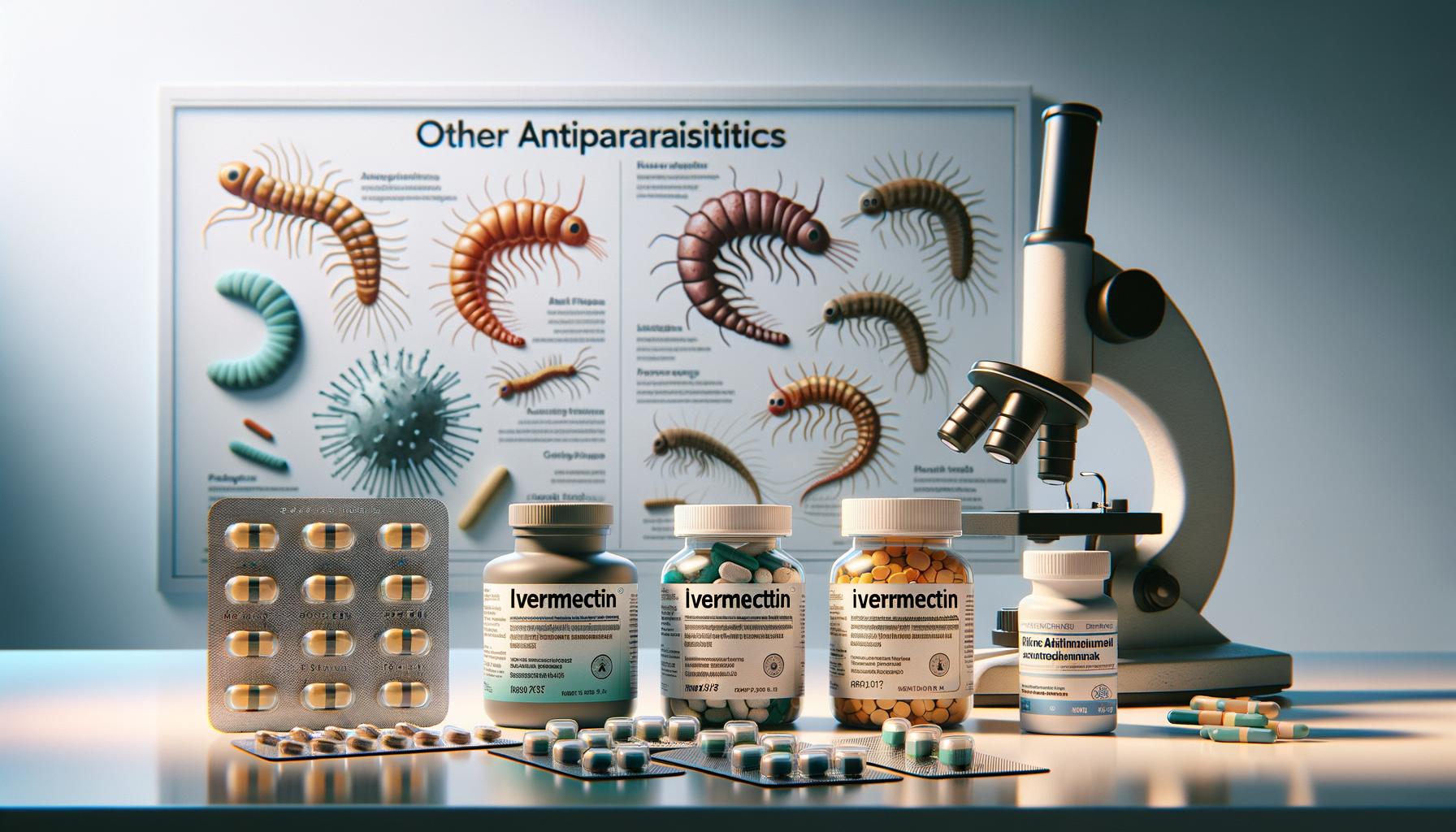
Comparative Efficacy: Ivermectin vs. Other Antiparasitic Medications
Liver fluke infections pose a unique challenge because these parasites have distinct biology compared to many other worms targeted by common antiparasitic drugs. While ivermectin is highly effective against a wide range of internal and external parasites-such as nematodes and certain arthropods-its efficacy against liver flukes (*Fasciola* species) is limited. This difference largely stems from the drug’s mechanism, which depends on targeting specific nerve and muscle receptors that liver flukes either lack or possess in different forms, making ivermectin less potent against them.
In contrast, specialized antiparasitic medications like triclabendazole and clorsulon have been formulated specifically to combat liver flukes. These drugs work by disrupting the fluke’s metabolism or damaging their protective outer layer (tegument), leading to effective parasite death. Triclabendazole, in particular, has become the standard treatment due to its strong ability to kill both immature and adult flukes, offering a comprehensive approach that ivermectin alone cannot match.
Practical Differences in Treatment Outcomes
The choice between ivermectin and liver fluke-specific treatments can greatly influence health outcomes in infected hosts, whether livestock or humans. Ivermectin’s broad-spectrum action means it excels where mixed infections occur-simultaneously controlling intestinal worms and ectoparasites. However, when it comes to liver flukes, relying solely on ivermectin risks incomplete treatment, allowing the flukes to persist and cause ongoing liver damage.
Many veterinary protocols now endorse combination therapies that pair ivermectin with triclabendazole or clorsulon. This synergy broadens parasite control, tackling nematodes and arthropods with ivermectin, while liver flukes are addressed by the complementary drug. This dual-action approach not only improves parasite clearance but also helps reduce the likelihood of drug resistance by hitting parasites through multiple biological pathways.
- Broader Parasite Coverage: Combination therapy ensures a wider range of parasites is targeted in one treatment round.
- Reduced Risk of Fluke Persistence: Targeted fluke drugs improve the chance of eradicating both immature and mature liver flukes.
- Better Health Outcomes: Animals and patients tend to recover faster and maintain stronger health with combined treatment strategies.
| Drug | Primary Target Parasites | Effectiveness Against Liver Flukes | Notes |
|---|---|---|---|
| Ivermectin | Nematodes, ectoparasites (mites, lice) | Low; limited impact on adult liver flukes | Effective for many parasites, but inadequate alone for liver flukes |
| Triclabendazole | Liver flukes (immature and adult) | High; gold standard for liver fluke treatment | Penetrates fluke tegument, disrupts metabolism |
| Clorsulon | Adult liver flukes | Moderate to high | Used in combination with ivermectin for broader efficacy |
While ivermectin remains indispensable for treating many parasitic infections, its role in liver fluke control is mostly supportive and is best integrated into a broader treatment plan involving specific flukicides. Anyone suspecting liver fluke infection should seek professional advice to obtain the appropriate diagnosis and treatment tailored to the parasite species and infection stage. This ensures safety, efficacy, and reduced risk of drug resistance, ultimately improving health outcomes for patients and livestock alike [[3]](https://www.durvet.com/wp-content/uploads/2020/02/ivermectin-plus-inj_1000mL_0719.pdf).
Signs and Symptoms of Liver Fluke Infection
Liver fluke infections often develop quietly, with many individuals unaware they carry the parasite until symptoms emerge or complications arise. This stealthy nature makes understanding the signs crucial for timely detection and treatment. The liver flukes, primarily *Fasciola hepatica* and related species, inhabit the liver and bile ducts, causing physical damage as they migrate and mature, which triggers a range of clinical symptoms.
Early infection typically presents with nonspecific symptoms such as fatigue, abdominal discomfort, fever, and nausea. These vague signs can easily mimic other liver conditions, making liver fluke infections challenging to diagnose without proper medical investigation. As flukes mature, more distinctive symptoms may appear, including pain in the upper right abdomen where the liver is located, jaundice (a yellowing of the skin and eyes), and digestive disturbances like diarrhea or loss of appetite. In livestock, animals may show weight loss, reduced milk production, and general weakness, reflecting the impact of chronic liver damage.
Recognizing Symptoms Over Time
The progression of symptoms corresponds to the parasite’s lifecycle stages:
- Acute phase: Occurs weeks after initial infection; marked by fever, muscle aches, and sometimes allergic reactions due to tissue damage caused by migrating immature flukes.
- Chronic phase: As adult flukes settle in bile ducts, symptoms shift to intermittent abdominal pain, jaundice, and potential inflammation of the bile ducts (cholangitis).
- Complications: Long-term infections can lead to secondary bacterial infections, fibrosis (scar tissue formation in the liver), and impaired liver function.
Because symptoms can be subtle or mistaken for common illnesses, many cases remain undiagnosed until liver function tests reveal abnormalities or imaging identifies bile duct changes. Awareness of travel or dietary history-such as consumption of raw or undercooked freshwater vegetation and fish from endemic regions-can raise suspicion.
Understanding these signs is essential, especially since treatments like ivermectin are not sufficiently effective against liver flukes alone. Prompt recognition encourages early veterinary or medical consultation for appropriate diagnostic testing and targeted treatment, helping prevent irreversible liver damage.
| Symptom | Description | Stage |
|---|---|---|
| Fatigue | Persistent tiredness due to systemic infection | Acute/Chronic |
| Abdominal Pain | Discomfort or sharp pain in the upper right quadrant | Chronic |
| Jaundice | Yellowing of skin and eyes from bile duct obstruction | Chronic |
| Fever | Body temperature elevation during migration phase | Acute |
| Digestive Issues | Including nausea, diarrhea, and loss of appetite | Acute/Chronic |
If you or your animals exhibit these symptoms, particularly after exposure to risk factors linked with liver flukes, seeking professional evaluation is critical. Diagnostic tests can confirm infection, enabling clinicians to recommend specific treatments beyond ivermectin-such as triclabendazole-that effectively target liver flukes. Early action can significantly reduce the risk of long-term liver damage and improve recovery outcomes.
Diagnosis: How to Identify Liver Fluke Infection
Early detection of liver fluke infection is critical, yet often challenging due to the parasite’s ability to mimic other liver diseases and present vague symptoms. Identifying this parasitic invasion requires a combination of clinical suspicion, detailed patient history, and targeted diagnostic tools to confirm the presence of *Fasciola hepatica* or related species. Since liver flukes affect the bile ducts and liver tissue, specialized tests focus on detecting parasite eggs, immune reactions, or characteristic changes in liver function.
Diagnostic Methods
- Stool Examination: Examination of stool samples under a microscope is a common first step. Detection of fluke eggs confirms infection, but eggs may not appear until weeks after infection once flukes mature inside the bile ducts. This delay means early infections can be missed with stool tests alone.
- Serological Tests: Blood tests that detect antibodies against liver flukes provide earlier evidence of infection. These immune markers can appear even when eggs are absent in stool, helping clinicians identify infections during the acute phase.
- Imaging Techniques: Ultrasound, CT scans, or MRI can reveal bile duct dilation, liver inflammation, or fluke-induced lesions. These imaging studies support diagnosis by visualizing organ changes consistent with chronic infection or heavy parasite loads.
- Liver Function Tests: Blood chemistry panels assessing liver enzymes (such as ALT, AST, and alkaline phosphatase) often show abnormalities during infection, signaling liver damage and prompting further investigation.
Practical Considerations
Obtaining a thorough exposure history is invaluable. Travel to endemic regions, consumption of raw water plants or freshwater fish, and contact with livestock or contaminated water increase suspicion. In veterinary settings, changes in animal behavior, appetite, or production parameters prompt parasitological or serological screening.
| Test | When to Use | Strengths | Limitations |
|---|---|---|---|
| Stool Microscopy | Suspected chronic infection | Direct evidence of infection, low cost | Delayed detection, false negatives early on |
| Serological Tests (ELISA, Western blot) | Early/acute phase suspicion | Early detection, sensitive | May cross-react with other parasites |
| Imaging (Ultrasound, CT) | Symptoms of liver/biliary disease | Visualizes structural changes | Non-specific findings, cost |
| Liver Function Tests | Initial assessment of liver health | Indicates liver damage | Cannot confirm cause |
If liver fluke infection is suspected, it is important to consult healthcare or veterinary professionals for appropriate testing. While some symptoms overlap with other diseases, precise diagnosis guides effective treatment decisions-crucial given that medications like ivermectin alone may not adequately address liver fluke infections. Early detection through combined diagnostic approaches improves outcomes and reduces the risk of long-term liver damage.
Potential Side Effects of Ivermectin Use
Ivermectin is often regarded as a well-tolerated antiparasitic medication, but like all treatments, it carries the potential for side effects that users should be aware of. Understanding these reactions helps patients and caregivers recognize what to expect and when to seek medical attention. Most individuals tolerate ivermectin with minimal discomfort; however, its side effects can range from mild to, in rare cases, serious.
Common side effects include digestive issues such as nausea and diarrhea, which typically resolve shortly after completing the treatment course. Others might experience dizziness or mild swelling. These symptoms are generally transient and less severe but can cause discomfort that may require supportive care. In some situations, especially when used for certain parasitic infections, mild skin reactions like rash or itching may also occur. Such responses usually do not necessitate stopping the medication but should be monitored closely.
Serious but Rare Adverse Effects
More severe reactions are uncommon but important to recognize. Reports have detailed serious neurologic symptoms, including confusion, ataxia (loss of full control of bodily movements), and seizures in some cases of ivermectin toxicity. These typically occur with accidental overdoses or in scenarios where the blood-brain barrier is compromised. Additionally, significant hypotension (low blood pressure) has been noted in rare toxicity cases. Some patients may develop joint pain or intense skin reactions that warrant prompt evaluation.
If symptoms suggest liver distress-such as persistent abdominal pain, jaundice, or unusual fatigue-it is essential to consult a healthcare professional immediately, as ivermectin metabolism occurs primarily in the liver and pre-existing liver conditions may affect drug tolerance.
Practical Advice for Safe Use
- Always follow prescribed dosages: Avoid self-medicating or exceeding recommended amounts, as higher doses increase the risk of adverse effects.
- Inform your doctor about other health conditions: Liver disease, neurological disorders, or allergies can impact suitability or risk profile.
- Monitor symptoms during treatment: Report any unexpected or worsening side effects to your healthcare provider without delay.
- Consult before combining medications: Some drugs may interact with ivermectin, altering its effectiveness or safety.
| Side Effect | Typical Severity | Frequency | Recommended Action |
|---|---|---|---|
| Nausea, Diarrhea | Mild | Common | Hydration, symptomatic relief, usually self-resolving |
| Dizziness, Mild Swelling | Mild to Moderate | Common | Rest, monitor symptoms, medical advice if persistent |
| Skin Rash, Itching | Mild to Moderate | Occasional | Antihistamines or medical evaluation if worsens |
| Neurologic Symptoms (Confusion, Seizures) | Severe | Rare | Seek emergency medical care immediately |
| Hypotension | Severe | Rare | Immediate medical attention required |
While ivermectin has shown efficacy against several parasites, its usage should be carefully weighed against possible side effects in the context of liver fluke treatment. Some studies suggest that ivermectin may not be the primary choice for liver fluke infections, emphasizing the importance of accurate diagnosis and appropriate drug selection under medical supervision. Always engage in an open dialogue with your healthcare provider to ensure safe and effective management tailored to your specific situation.
For those considering or prescribed ivermectin, staying informed about potential side effects promotes safer outcomes. Never hesitate to seek medical guidance if uncertainties or adverse reactions arise during treatment. Your health professional is the best resource for advice specific to your health status and treatment goals.
Case Studies: Ivermectin Success Against Liver Flukes
Though ivermectin is celebrated for its broad antiparasitic properties, its effectiveness against liver flukes remains a subject of careful examination. Case reports and clinical experiences indicate that ivermectin’s role in directly eliminating liver flukes is limited compared to other specialized antiparasitic agents. However, in some veterinary and human scenarios, ivermectin has been part of treatment regimens aimed at controlling parasite burdens, including liver flukes, especially when combined with other therapies.
In livestock medicine, for instance, formulations containing ivermectin alongside other antiparasitics have been used to mitigate internal parasites, including adult liver flukes, demonstrating some practical success in managing mixed infections. These combination treatments help target a broader spectrum of parasites and reduce overall parasitic load, improving animal health and productivity. Yet, it is important to note that ivermectin alone is generally not considered effective against liver flukes, as it lacks direct activity on fluke species such as *Fasciola hepatica* [[1]](https://www.durvet.com/wp-content/uploads/2020/02/ivermectin-plus-inj_1000mL_0719.pdf).
In human medicine, clinical data specifically highlighting ivermectin’s success against liver fluke infections are sparse. When liver fluke infections have been diagnosed, anti-fluke agents like triclabendazole are typically the preferred choice due to their proven efficacy. Nonetheless, in parasitic disease control programs, ivermectin has been invaluable for treating other coexisting infections, such as those caused by nematodes and ectoparasites, reducing overall parasite transmission and burden in endemic communities[[[2]](https://pmc.ncbi.nlm.nih.gov/articles/PMC10507222/).
For patients and caregivers considering options:
- Do not rely solely on ivermectin for liver fluke infection: Collaboration with healthcare providers is crucial for correct diagnosis and recommended treatment.
- Combination therapies might be employed in veterinary settings: These can help manage multiple parasites, including liver flukes, but are species-specific and require professional supervision.
- Monitoring response to treatment is essential: If ivermectin is used adjunctively, regular follow-up ensures the effectiveness of therapy and adjustment if needed.
This cautious approach underlines the importance of evidence-based therapy when confronting liver fluke infections. It encourages open communication with medical or veterinary professionals to align treatment goals with the parasite involved and available drugs’ efficacy. While ivermectin contributes significantly to parasitic infection control, its success against liver flukes demands context, precision, and integrated strategies rather than standalone use.
Alternative Treatments for Liver Fluke Infection
Liver fluke infections demand treatments that specifically target the unique biology of these flatworms. Unlike broad-spectrum antiparasitic drugs such as ivermectin, which excel against many worms but falter against liver flukes, alternative therapies focus on agents proven to be effective against Fasciola species. Understanding these options helps patients and caregivers make informed decisions.
The gold standard for treating liver fluke infections in humans is triclabendazole, a benzimidazole compound recognized for its potent activity against both immature and adult flukes. It directly disrupts the parasite’s energy metabolism, leading to its death. Triclabendazole typically requires one or two doses and boasts high cure rates, making it the frontline choice worldwide [1]. For veterinary cases, drugs like clorsulon, albendazole, and oxyclosanide serve as targeted adulticides, efficiently clearing liver fluke infections in cattle and sheep when administered at appropriate times in the parasite’s lifecycle [2].
Supporting Treatment Approaches
Beyond pharmaceuticals, supportive care is essential. Addressing symptoms such as abdominal pain, fever, or inflammation improves comfort during treatment. Follow-up diagnostic tests ensure that the infection is fully resolved, as incomplete clearance can lead to chronic liver damage.
For those exploring complementary strategies, it’s important to note that herbal remedies or alternative medicines currently lack robust clinical evidence for efficacy against liver flukes. Relying solely on unproven treatments can delay effective care and worsen outcomes.
- Always consult a healthcare professional: Proper diagnosis and prescription are critical to avoid ineffective or harmful treatments.
- Inform your provider about all medications and supplements: This helps prevent drug interactions and optimize treatment plans.
- Consider veterinary expertise for animals: Liver fluke management in livestock requires specific dosages and timing to break parasite cycles effectively.
Ultimately, liver fluke infections respond best to well-established antiparasitic agents approved for this use. Although ivermectin has broad antiparasitic effects, relying on alternative drugs designed for the biology of liver flukes ensures the best chance for a successful recovery.
Preventative Measures for Liver Fluke Infection
Preventing liver fluke infection is often more effective and less complicated than treating an established case. These parasites require specific environmental conditions to complete their life cycle, making targeted control strategies both practical and essential. For example, liver flukes thrive in wet, swampy areas where their intermediate snail hosts live. Avoiding or managing access to such environments significantly reduces infection risks in both humans and livestock.
In agricultural settings, fencing off marshy or waterlogged pastures prevents cattle and sheep from grazing in high-risk zones. This interruption of the parasite’s life cycle is a cornerstone of liver fluke control. Strategic timing of anti-fluke treatments, administered when flukes are most vulnerable, further enhances prevention efforts. For instance, drenches are often given during specific seasons aligned with parasite development in endemic regions, helping break infection cycles effectively[[[2]](https://au.virbac.com/health-care/cattle-fluke/tackling-liver-fluke-disease).
In human populations, simple behavioral changes can make a big difference. Avoid drinking or using untreated water from streams or ponds near grazing animals, as these can harbor infectious fluke larvae. Cooking freshwater plants thoroughly and washing produce carefully also limit accidental ingestion of infective stages[[3]](https://www.medicalnewstoday.com/articles/319479). Public health campaigns that educate communities on these risks have proven successful in reducing liver fluke infection rates.
- Control animal access to wet habitats: Use fencing to prevent livestock exposure to snail habitats.
- Practice safe water consumption: Drink treated or boiled water, and avoid raw aquatic plants.
- Schedule veterinary antiparasitic treatments: Coordinate dosing to target the parasite life cycle phases.
- Maintain pasture hygiene: Regularly remove feces to reduce contamination.
- Educate all stakeholders: Awareness empowers farmers and communities to adopt effective measures.
Ultimately, prevention combines environmental management with practical interventions. While ivermectin has broad use against many parasites, it does not target liver flukes effectively. Instead, employing a multifaceted approach, including habitat control and appropriate antiparasitic agents, fosters sustainable protection. Consulting veterinary or medical professionals ensures these measures are tailored to local parasite patterns, maximizing success and helping safeguard both animal and human health[[1]](https://extension.umn.edu/beef-cow-calf/liver-flukes-and-redwater-disease-minnesota-beef-cattle).
Why Seek Professional Medical Advice?
Liver fluke infections can be complex and vary widely depending on the species involved, the host, and the stage of infection. Self-diagnosis or treatment based on limited information risks ineffective care or missed complications. That’s why expert guidance is essential-to tailor treatment plans that consider specific parasite types, infection severity, and individual health factors.
While ivermectin works well against many parasites, it is not reliably effective against liver flukes on its own. Professionals can recommend the appropriate antiparasitic agents-often combinations like ivermectin with clorsulon-that target both liver flukes and other co-infections simultaneously, improving outcomes and preventing resistance[[[2]](https://extension.missouri.edu/publications/g2119)[[3]](https://bi-animalhealth.com/cattle/products/ivomec). They also determine the correct dosage and timing, which is critical given the parasite’s complex life cycle.
Benefits of Professional Evaluation and Monitoring
- Accurate Diagnosis: Confirm infections using diagnostic tools such as blood tests, stool analysis, or imaging, avoiding assumptions based on symptoms alone.
- Customized Treatment Plans: Adjust medication choices and schedules depending on species, infection stage, and host responses.
- Side Effect Management: Monitor for and mitigate adverse reactions to treatment, particularly with drugs like ivermectin that can have side effects in sensitive individuals.
- Prevention Guidance: Receive expert advice on managing environments and behaviors to prevent reinfection or spread within herds or communities.
In both human and veterinary contexts, professional oversight ensures communication of the latest scientific insights and product approvals. It empowers patients and animal caretakers alike to make informed decisions without relying on incomplete or outdated information. Always seek advice from qualified healthcare providers or veterinarians before attempting treatments, especially with complicated parasites such as liver flukes where the stakes are high and treatment regimens can be nuanced.
Real-World Example
In livestock management, farmers who collaborate with veterinarians achieve better parasite control outcomes. For instance, using IVOMEC® Plus, a combination of ivermectin and clorsulon, has shown success treating liver flukes alongside other parasites, but only when administered under veterinary guidance tailored to local parasite presence and animal health[[3]](https://bi-animalhealth.com/cattle/products/ivomec). Such precision prevents unnecessary drug use, lowers costs, and supports sustainable parasite control.
Overall, professional medical advice is the foundation for safe, effective, and sustainable management of liver fluke infections. It respects the complexity of parasitic diseases and honors individual needs-helping you or your animals regain health while avoiding common pitfalls in self-treatment.
Future Directions in Parasitic Infection Research
Parasitic infections like liver fluke disease remain a moving target for researchers due to the parasites’ complex life cycles and varying resistance patterns. Although ivermectin is a powerful tool against many parasites, its limited efficacy alone against liver flukes highlights the urgent need for novel approaches. Future research is increasingly focused on integrated strategies that combine drug development, diagnostics, and environmental management to outsmart these resilient parasites.
One promising direction lies in the refinement of drug combinations that enhance efficacy while minimizing resistance risks. For example, formulations pairing ivermectin with compounds like clorsulon-which is specifically effective against liver flukes-show practical success when dosed correctly under veterinary guidance. Moving forward, researchers are exploring new molecules that target distinct biochemical pathways in liver flukes, aiming to disrupt their metabolism or reproduction without harming the host. This could expand treatment options beyond existing drugs, which is essential considering the potential for drug resistance and the limited number of liver fluke-specific antiparasitics currently available.
Advances in molecular diagnostics also promise to revolutionize how liver fluke infections are detected and monitored. Rapid, accurate tests that identify infections early-sometimes before symptoms appear-can improve treatment timing and outcomes. Coupling diagnostics with geographic information systems (GIS) and environmental data enables targeted control measures, such as pasture management or seasonal treatment scheduling, reducing unnecessary drug use and helping prevent reinfection cycles.
Bridging Science and Practice
- Customized Treatment Protocols: Future protocols may use real-time diagnostic data to tailor treatment regimens at the herd or individual level, optimizing drug use and efficacy.
- Vaccine Development: Although no commercial vaccine for liver flukes exists yet, ongoing studies in immunology hold potential for long-term control by boosting host immunity.
- Environmental and Biological Controls: Research into biological agents, such as natural predators or parasites of liver flukes, alongside improved pasture management, provides sustainable alternatives to drug reliance.
While these innovations are exciting, readers should remember that scientific progress takes time and validation. Until new therapies or vaccines become widely available and approved, working closely with healthcare or veterinary professionals remains essential. They can help navigate current treatments effectively and implement preventive measures rooted in the latest evidence. Staying informed through trusted sources empowers you to make decisions that balance innovation with safety, protecting health now and into the future.
FAQ
Q: Can ivermectin be combined with other drugs to effectively kill liver flukes?
A: Yes, ivermectin is often combined with clorsulon to effectively target liver flukes. Clorsulon specifically kills adult liver flukes, while ivermectin controls many other parasites. This combination maximizes parasite control, especially in livestock, and improves treatment outcomes [2].
Q: Why is ivermectin alone not recommended for treating liver fluke infections?
A: Ivermectin alone is not effective against liver flukes because it lacks activity against these parasites. For liver fluke control, ivermectin must be combined with flukicides like clorsulon or triclabendazole to fully eliminate the parasites [1].
Q: How does liver fluke resistance impact ivermectin treatment strategies?
A: Liver fluke resistance to common flukicides can reduce treatment success. Since ivermectin doesn’t kill flukes, relying only on it is ineffective. Integrated parasite management including rotating drugs and combining ivermectin with effective flukicides helps manage resistance and improve control [2].
Q: What types of parasites does ivermectin control besides liver flukes?
A: Ivermectin efficiently controls various external parasites, such as lice, mites, and some ticks, as well as internal parasites like stomach worms and lungworms. However, it does not affect liver flukes or tapeworms [1].
Q: Can ivermectin be used in mass treatment campaigns for parasitic infections?
A: Ivermectin is widely used in mass drug administration for controlling certain parasitic diseases, especially ectoparasITES and nematodes. However, its use for liver fluke infections in mass campaigns is not supported due to its lack of flukicide activity [3].
Q: How important is veterinary consultation before administering ivermectin for parasite control?
A: Veterinary consultation is crucial when using ivermectin, particularly for liver fluke control. Professionals ensure proper drug combinations, correct dosages, and resistance management to optimize parasite treatment and animal health [2].
Q: What are safe and effective preventive measures for liver fluke infection?
A: Prevent liver fluke infection by controlling snail populations (fluke intermediate hosts), managing pastures to avoid wet, muddy areas, and using effective flukicides in combination with ivermectin. Regular diagnostics and herd health monitoring also play key roles [2].
Q: When should alternative treatments be considered over ivermectin for liver flukes?
A: Alternatives like triclabendazole or clorsulon should be chosen when targeting liver flukes because ivermectin alone is ineffective. Use these flukicides based on veterinary guidance, especially in regions with known fluke prevalence [1].
For more detailed insights on parasite control and treatment options, consider consulting a veterinary expert or parasitology specialist.
In Summary
Understanding how ivermectin works against liver flukes is essential for effective parasitic infection control. While ivermectin shows promise against various internal parasites, combining it with targeted treatments like triclabendazole may enhance outcomes for liver fluke infections. If you’re dealing with parasitic concerns, timely consultation with a healthcare professional is key to choosing the safest and most effective treatment plan.
To deepen your knowledge about ivermectin’s role in parasitic disease management and explore related topics like fluke prevention strategies or parasite resistance, browse our detailed guides and resources. Don’t miss the opportunity to subscribe to our newsletter for the latest research updates and expert insights tailored to parasitic infections. Have questions or personal experiences with ivermectin? Share them below-your engagement helps build a trusted community focused on informed health decisions.
Get our latest guides, news, and insights highlighted in your Google Search & AI Overviews.


