

Did you know that ivermectin, a drug long approved for treating certain parasitic infections, has sparked widespread interest-and controversy-over its potential use against COVID-19? Despite promising laboratory studies showing it can inhibit the virus in cell cultures, the U.S. Food and Drug Administration (FDA) has not approved ivermectin for preventing or treating COVID-19 in humans. This distinction matters because FDA approval means a drug has been rigorously evaluated for safety and effectiveness in specific conditions. Many people are left wondering: is ivermectin truly FDA-approved, and what does that mean for its use today? Understanding the regulatory status helps you make informed choices based on credible science rather than misinformation. This article will clarify what ivermectin is approved for, the current evidence regarding COVID-19, and why consulting health professionals remains essential. Let’s unravel the facts and explore the real picture behind ivermectin’s status.
Is Ivermectin FDA Approved: Understanding the Facts
Many people are curious about whether ivermectin is officially approved by the FDA for use against COVID-19 or other conditions beyond its traditional applications. It’s important to separate the facts from misinformation that often circulates online. While ivermectin is indeed an FDA-approved medication, this approval is specific and limited-it applies to certain parasitic infections in humans and particular topical uses, not COVID-19 treatment or prevention.
The FDA has approved ivermectin for treating parasitic worms in humans, as well as for topical formulations to address conditions like head lice and rosacea. These approvals are based on evidence of safety and effectiveness for those particular uses. However, the FDA has not authorized or approved ivermectin for the treatment or prevention of COVID-19 in humans or animals. This means that despite some laboratory studies showing ivermectin may reduce viral replication in vitro (in cell cultures), the clinical data so far do not demonstrate clear benefits against COVID-19 in actual patients.
- FDA-approved uses for humans: parasitic worm infections, topical treatments for lice and skin conditions
- Not approved for: COVID-19 prevention or treatment
- Animal products: formulations differ and are not substitutes for human medical use
This distinction is crucial because medications are only FDA-approved after rigorous testing to confirm they are safe and effective for specific indications. Using ivermectin outside these approved uses, especially at doses meant for animals, can be dangerous. The FDA and many medical organizations strongly recommend patients consult healthcare professionals for COVID-19 treatment and not self-medicate with ivermectin except within a clinical trial setting.
Understanding this regulatory context helps you make informed health decisions and avoid potential harm. When considering any treatment, always look for clear FDA approval for your specific condition and trust scientific evidence supported by well-conducted human studies rather than early laboratory findings alone.[3] [1]
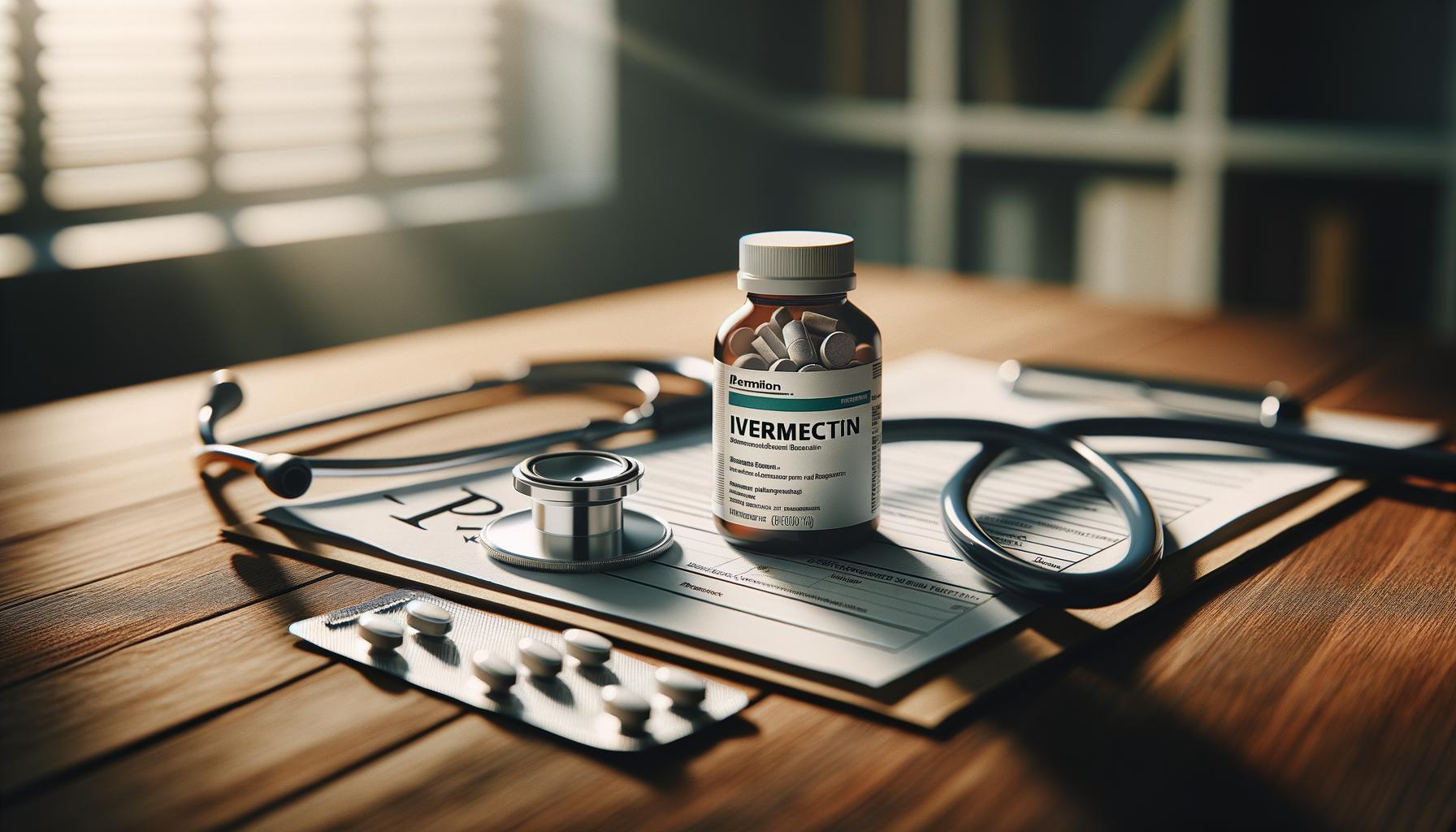
Ivermectin: A Brief Overview of Its Uses
Ivermectin is a well-established medication with a track record spanning several decades, primarily known for its effectiveness against a variety of parasitic infections. Its broad use in human medicine focuses on treating conditions caused by parasitic worms, such as onchocerciasis (river blindness) and strongyloidiasis. Beyond these systemic infections, ivermectin has also been formulated for topical applications to manage conditions like head lice infestations and certain skin disorders, notably rosacea. These uses are supported by rigorous clinical testing, which confirms the drug’s safety and efficacy for these specific purposes.
Common FDA-Approved Human Uses
- Oral ivermectin tablets: Prescribed primarily for parasitic worm infections affecting the intestines and skin.
- Topical ivermectin lotion and cream: Used effectively to treat infestations such as head lice and skin conditions including inflammatory rosacea.
While ivermectin’s original role centers on parasitic diseases, researchers have been exploring its potential broader applications, including anti-inflammatory and antiviral effects. However, despite some promising laboratory findings, these alternative uses remain experimental and are not part of any current FDA-approved indications.
Practical Considerations and Advice
If you suspect a parasitic infection or a skin condition that might respond to ivermectin, consulting a healthcare provider is essential. Self-medicating or using ivermectin products formulated for animals is strongly discouraged, as these formulations differ in concentration and purity and may be unsafe for humans. The drug’s dosing and administration routes are carefully calibrated for approved indications, and misuse can lead to serious side effects.
Understanding the scope of ivermectin’s approved uses helps you navigate treatment options responsibly. Always seek professional medical guidance to ensure any use of ivermectin aligns with evidence-based practices and regulatory standards. This approach safeguards your health and maximizes the potential benefits the medication can offer.
The FDA Approval Process: What You Need to Know
FDA drug approval is a rigorous, step-by-step process designed to ensure that medications are both safe and effective for their intended uses before reaching the public. Unlike some misconceptions that the FDA might approve drugs quickly or without exhaustive testing, the reality is that this process involves multiple phases of clinical trials, thorough data reviews, and ongoing monitoring even after approval. For a drug like ivermectin, each approved use has undergone this careful evaluation to verify that benefits outweigh risks at specific doses and for particular conditions.
The journey begins in the laboratory, where researchers explore how a drug performs in cell cultures and animal models. Positive preclinical results allow scientists to move into clinical trials, which occur in three main phases: Phase 1 assesses safety in healthy volunteers, Phase 2 tests efficacy and dosing in a small patient group, and Phase 3 involves large-scale trials to confirm effects and monitor for side effects across diverse populations. Only when this robust body of evidence shows clear benefit does a pharmaceutical company submit a New Drug Application (NDA) to the FDA for review.
Key Aspects of FDA Evaluation
- Safety Profile: The FDA closely examines adverse events and long-term safety data to minimize dangers to patients.
- Efficacy Data: Clinical trials must demonstrate the drug performs well for its specific indication.
- Manufacturing Quality: Standards ensure the drug is consistently produced to exacting specifications.
- Labeling and Usage: Approved prescribing information guides clinicians on safe, effective administration.
It’s important to recognize that FDA approval is indication-specific. This means that ivermectin’s approval applies only to certain parasitic infections and not to unapproved uses, such as treating or preventing COVID-19, despite laboratory studies suggesting antiviral effects in vitro. Such findings are intriguing scientific leads but require full clinical validation through trials before new approvals can be granted. Until then, off-label or unauthorized uses carry unknown risks and are not endorsed by the FDA.
Understanding this process equips you to evaluate drug claims critically and prioritize treatments backed by solid evidence. Always consult healthcare professionals before starting or changing any medication regimen. Their guidance ensures your treatment aligns with approved uses and safeguards your health with trusted, science-based approaches.
Current FDA Status of Ivermectin for Human Use
Ivermectin is an FDA-approved medication, but it’s important to understand exactly what this approval entails. The FDA has authorized ivermectin for specific uses, primarily for treating certain parasitic infections such as onchocerciasis (river blindness) and strongyloidiasis. These approvals come after thorough evaluation of safety and effectiveness data for these specific conditions. However, ivermectin has not been authorized or approved by the FDA for the prevention or treatment of COVID-19 or any viral infection, despite some laboratory studies showing antiviral activity in cell cultures. This distinction is crucial to avoid confusion and misuse.
Many people wonder why ivermectin, widely available and effective for parasites, isn’t officially recommended for COVID-19. The answer lies in the nature of FDA approval: it is indication-specific. In other words, a drug remains approved for the conditions it was tested and proven safe and effective to treat. When it comes to new uses, such as COVID-19, ivermectin must undergo rigorous clinical trials that demonstrate clear benefits and acceptable safety. Currently, no such conclusive evidence has emerged, and the FDA, along with other organizations, actively advises against its use for COVID-19 outside clinical trials. Patients should be wary of unproven treatments and seek options supported by strong scientific research.
What This Means for Patients
- Follow Approved Uses: Use ivermectin only for its FDA-approved indications under a healthcare provider’s guidance.
- Avoid Off-Label Use for COVID-19: The FDA does not support ivermectin for COVID-19, highlighting the need for caution to avoid unnecessary risks.
- Consult Trusted Sources: Medical professionals base recommendations on current evidence and regulatory guidance, ensuring safe and effective care.
- Participation in Trials: Patients interested in ivermectin for COVID-19 should consider enrolling in clinical trials where its effects and safety are systematically studied.
By clearly distinguishing the approved uses from unapproved applications, individuals can make informed decisions. Always engage with healthcare providers before starting or stopping any medication. This ensures treatments match your health needs and are grounded in science, not speculation or incomplete data. The FDA’s position encourages responsible medication use rather than endorsing unsupported therapies, preserving safety and trust in healthcare.

Ivermectin in Veterinary Medicine: Approved Uses
Ivermectin has established itself as a trusted and versatile medication within veterinary medicine. Its approval by regulatory bodies for animal use highlights its essential role in controlling a wide range of parasitic infections in diverse species. From household pets to large farm animals, ivermectin’s targeted action against internal and external parasites contributes significantly to animal health and welfare.
In livestock such as cattle, sheep, and horses, ivermectin is commonly used to combat parasites including mites, lice, grubs, and gastrointestinal worms. Treating these parasites helps prevent performance losses, poor growth, and disease-issues that can impact animal productivity and farm economics. For example, ivermectin applied to cattle can effectively control horn flies and other external pests, reducing irritation and skin damage. Its long-acting properties in some formulations allow for extended protection, making parasite management more manageable for farmers.
Practical Uses of Ivermectin in Companion Animals
In dogs, ivermectin often serves as a preventive medication for heartworm disease, which is transmitted by mosquitoes and can be fatal if untreated. Monthly low-dose administration of ivermectin-based medications is a widely accepted, safe approach to heartworm prevention. Additionally, ivermectin treats conditions like mange, a skin disease caused by mites, providing relief and improving quality of life for affected dogs. However, dosage must be carefully tailored to the dog’s size and breed, as some breeds can be sensitive to this medication.
Safety and Regulatory Guidance
While ivermectin is effective, it is important to remember that it is approved for specific uses and animal species. Overuse or incorrect dosing can lead to toxicity, especially in animals with certain genetic traits (e.g., some herding dog breeds). This is why veterinary guidance is crucial. The FDA and veterinary authorities have approved ivermectin formulations that differ by animal type and purpose, reflecting distinct safety profiles. Pet owners and farmers alike should follow veterinary prescriptions closely and avoid off-label use without professional advice.
- Approved Uses: Treatment and control of specific external and internal parasites in animals like lice, mites, grubs, and heartworms.
- Species-Specific Formulations: Different formulations and dosages for dogs, cattle, sheep, horses, and others.
- Veterinary Oversight: Ensuring appropriate dosing and timing for safety and efficacy.
Proper use of ivermectin in veterinary medicine helps maintain animal health, supports productivity, and prevents the spread of parasites. Always consult a veterinarian before starting treatment to ensure it aligns with regulatory standards and individual animal needs. This approach protects animals and safeguards human health by supporting responsible medication practices.

Common Misconceptions About Ivermectin Approval
Ivermectin often becomes the subject of confusion because its approval status differs markedly depending on the context of use, leading many to assume it is universally approved for all purposes. A key misconception is that because ivermectin is FDA-approved for certain parasitic infections in both humans and animals, it is also approved as a treatment or preventative for all diseases, including COVID-19. This is not the case. The FDA’s approval is highly specific to indications supported by rigorous clinical trials, and while ivermectin is approved for parasitic diseases like onchocerciasis and strongyloidiasis in humans, it is not authorized or approved by the FDA for treating or preventing COVID-19 in humans [3].
Another frequent misunderstanding stems from the difference between in vitro (laboratory) studies and clinical efficacy. Laboratory research has shown ivermectin can inhibit replication of certain viruses, including SARS-CoV-2, under controlled conditions. However, these findings do not directly translate into safe or effective treatment in humans. Reviewing such studies without the context of clinical trial results can lead to overestimating the drug’s benefits or mistaking laboratory potential for real-world approval [1].
Why FDA Approval Is Not a Blanket Green Light
The FDA approval process is an extensive journey involving:
- Evaluation of Safety and Efficacy: Careful testing in multiple phases of clinical trials.
- Indication Specificity: Approval applies only to carefully defined uses and dosages.
- Ongoing Monitoring: Post-approval reporting helps track any adverse effects or misuse.
Because ivermectin is approved for particular parasitic infections, it does not mean all forms, dosages, or formulations (such as those intended for animals) are safe or approved for human use. Notably, ivermectin labeled for veterinary use is not approved for people and can be dangerous if ingested [3].
Practical Advice to Navigate Common Misconceptions
People interested in ivermectin should:
- Check trusted sources: FDA announcements and peer-reviewed journals provide the most reliable information.
- Avoid self-medicating: Use only medications prescribed by healthcare professionals for approved conditions.
- Differentiating uses: Understand the difference between ivermectin for parasitic infections and experimental or unsupported uses.
- Be cautious with off-label promotions: Media reports and social platforms can mix facts with anecdotes and misinformation.
Respecting these distinctions helps individuals make informed choices, avoids harmful misuse, and supports public health efforts grounded in science and regulatory safeguards. Consulting a healthcare provider is key to safely navigating the complexities surrounding ivermectin and understanding its role-and limits-in current medical practice.

Ivermectin and COVID-19: Regulatory Insights
The conversation around ivermectin’s potential role in managing COVID-19 has captured significant public attention, but regulatory agencies like the FDA emphasize a clear distinction between laboratory findings and clinical approval for treatment. While early laboratory (in vitro) studies indicated that ivermectin could reduce the SARS-CoV-2 virus in cell cultures, these promising results have not translated into evidence of safety or effectiveness in actual patients. The FDA has not authorized ivermectin for preventing or treating COVID-19 and explicitly warns against using formulations intended for animals, which can be unsafe for humans [2], [3].
Understanding the regulatory stance requires recognizing the rigorous standards the FDA applies before approving any drug for a new use. For COVID-19, no large-scale, high-quality clinical trials have demonstrated that ivermectin is effective or safe at the doses typically used in humans. This distinction protects public health by ensuring treatments meet strict benchmarks of efficacy and safety rather than being driven by anecdotal reports or preliminary data. The FDA continues to remind the public that self-medication, especially with veterinary or unapproved ivermectin products, poses risks including toxicity and dangerous side effects.
What This Means for You
- Approved Uses Differ: Ivermectin remains FDA-approved for specific parasitic infections in humans, such as onchocerciasis (river blindness) and strongyloidiasis, but this is unrelated to COVID-19 treatment.
- Cautious Interpretation of Research: Laboratory studies are an early step in drug research but don’t replace thorough clinical trials that prove benefits outweigh risks in real-world use.
- Avoid Animal Products: Veterinary ivermectin is formulated differently and can be toxic to people – never substitute it for human medications.
- Consult Healthcare Providers: Always seek guidance from medical professionals for COVID-19 prevention and treatment options that are authorized and supported by solid evidence.
With evolving science, regulatory guidance may be updated as new trial data emerges, but currently, the FDA’s position aims to safeguard individuals from unproven and potentially harmful use. Staying informed through trusted sources and consulting healthcare experts ensures safe, effective care decisions during the pandemic and beyond.
The Science Behind Ivermectin: How It Works
Few drugs have sparked as much curiosity as ivermectin, especially during the recent global health challenges. Originally developed as an antiparasitic, ivermectin’s mechanisms in the body go well beyond simply targeting worms and parasites. Its action hinges on interrupting crucial biological pathways in parasites and, as research suggests, may impact viral processes too. Understanding how ivermectin works can help clarify why it remains FDA-approved for certain uses but not others, like COVID-19.
At the core, ivermectin works by binding to specific ion channels in parasites’ nerve and muscle cells, particularly those regulating chloride ions. By opening these channels more than usual, ivermectin causes an influx of chloride ions that overwhelm the parasite’s nervous system, leading to paralysis and eventual death. This mechanism explains ivermectin’s longstanding success in treating illnesses caused by parasitic worms such as onchocerciasis (river blindness) and strongyloidiasis. Importantly, this specific action targets features unique to parasites, which is why ivermectin can be safe for human cells at approved doses.
Beyond these antiparasitic effects, emerging laboratory studies have looked into ivermectin’s potential antiviral properties. Research suggests ivermectin may interfere with the transport of viral proteins into the nucleus of human cells, possibly inhibiting the replication of viruses like SARS-CoV-2 in vitro. Additionally, ivermectin has been found to modulate inflammatory pathways, such as blocking the NF-κB pathway, which plays a role in the production of pro-inflammatory cytokines. These combined effects give rise to hypotheses about how ivermectin might reduce viral infections or inflammation, though these findings remain preliminary and have not been shown effective in clinical practice for COVID-19.
Key Mechanisms Summarized
| Mode of Action | Target Organisms or Cells | Effect |
|---|---|---|
| Binding to Parasite Ion Channels (Glutamate-gated Chloride Channels) | Parasitic Nematodes and Arthropods | Paralysis and Death of Parasite |
| Inhibition of Nuclear Transport Proteins | Human Cell “Importin” Pathways for Viral Proteins | Potential Reduced Viral Replication (In vitro) |
| Blocking NF-κB Pathway | Human Immune Cells | Reduced Production of Pro-inflammatory Cytokines |
While the science highlights ivermectin’s versatility, it also clarifies why approval for new uses requires robust clinical evidence. Laboratory and simulation studies lay important groundwork but cannot substitute for controlled human trials proving benefit and safety. This distinction informs regulatory bodies like the FDA, emphasizing that until comprehensive clinical data are available, ivermectin’s use should remain confined to its FDA-approved indications, ensuring patient safety.
- Understand the Limits: Laboratory findings are exciting but should not prompt self-medication or off-label use without medical advice.
- Always Consult Healthcare Professionals: They can help navigate which treatments are appropriate based on the latest evidence.
- Stay Informed: Scientific understanding evolves, and trustworthy guidance adapts accordingly.
Together, knowing how ivermectin works-and where the science currently stands-empowers you to make thoughtful health decisions grounded in facts and professional care rather than hype.
Risks and Benefits of Ivermectin Use
Ivermectin has a well-established track record as a safe and effective antiparasitic medication when used correctly. Its benefits in treating conditions like onchocerciasis, strongyloidiasis, and certain other parasitic infections are well-documented. These FDA-approved uses are based on thorough clinical trials confirming its safety and efficacy at specific dosages. For patients suffering from these diseases, ivermectin can provide significant relief and prevent serious complications.
However, risks arise when ivermectin is used outside its approved indications or at incorrect dosages. Self-medicating or obtaining ivermectin products not intended for human use-such as formulations designed for animals-can lead to harmful side effects. Common adverse reactions include nausea, dizziness, rash, and in rare cases, more severe neurological effects. These risks are magnified when the drug is misused, emphasizing why medical supervision is essential.
The controversy around ivermectin’s off-label use, especially during the COVID-19 pandemic, highlights the importance of distinguishing between laboratory findings and proven clinical benefit. While some in vitro studies suggested antiviral activity against viruses like SARS-CoV-2, the FDA and other health authorities have found no convincing evidence from clinical trials demonstrating ivermectin’s effectiveness against COVID-19 in humans. This regulatory stance reflects a cautious approach aimed at protecting public health from unproven treatments that could cause harm or create false hope.
- Stick to FDA-approved uses: Ivermectin’s safety is established within its labeled parasitic indications.
- Avoid non-human formulations: Veterinary ivermectin differs significantly and can be toxic to humans.
- Consult healthcare providers: Always seek professional advice before starting or changing treatment.
- Be aware of side effects: Common symptoms include gastrointestinal upset and dizziness; serious effects require prompt medical attention.
By understanding both the benefits and limits of ivermectin, patients can make informed decisions anchored in science and safety. It remains a powerful drug for certain parasitic infections but is not a “cure-all.” Until more definitive evidence emerges for other uses, medical guidance is key to ensuring ivermectin’s benefits outweigh its risks.
Alternatives to Ivermectin: A Comparative Guide
Many individuals seek alternatives to ivermectin, often motivated by concerns about side effects, off-label use, or specific treatment needs. Fortunately, several FDA-approved and well-studied medications exist that can serve as effective substitutes depending on the condition being treated. Understanding these options helps patients and healthcare providers tailor treatments safely and effectively.
Common Alternatives for Parasitic Infections
Depending on the infection, drugs like permethrin, lindane, or crotamiton offer established alternatives to ivermectin, especially for skin parasites such as scabies and lice. For instance, permethrin cream is widely recommended and has a favorable safety profile, acting topically to kill mites. Lindane, while effective, requires caution due to potential neurotoxicity and is generally reserved for cases resistant to other treatments. Studies have demonstrated that ivermectin and lindane have comparable efficacy in treating scabies, but ivermectin’s oral administration is often easier for patients to use [[2]](https://jamanetwork.com/journals/jamadermatology/fullarticle/477887).
Natural and Herbal Options
Some people explore natural alternatives like neem extract, which has been studied for its antiparasitic properties and potential to trigger biological responses similar to ivermectin in certain insects. While neem (Azadirachta indica) shows promise as a botanical option, it is not FDA-approved for human parasitic infections, and its efficacy and safety in humans remain less established[[[3]](https://peerj.com/preprints/26770v1.pdf). Such natural remedies should only be considered with professional guidance to avoid ineffective or unsafe self-treatment.
Additional Topical and Environmental Treatments
For head lice and scabies, non-ivermectin topical treatments like Eurax (crotamiton), Nix (permethrin cream rinse), or Acticin offer alternative routes of eradication. In environments where reinfestation risks exist, lice bedding sprays and thorough cleaning protocols complement medication use to prevent recurrence[[[1]](https://www.drugs.com/compare/ivermectin). Choosing the right alternative depends heavily on patient age, medical history, and specific parasite involved.
- Consider treatment complexity: Oral ivermectin is simpler for some patients, but topical alternatives are effective where precise application is possible.
- Side effect profiles vary: Each medication carries unique risks; for example, lindane requires caution due to potential toxicity.
- Consult healthcare professionals: They can recommend the safest, evidence-based alternative tailored to your condition and needs.
In summary, a range of effective alternatives to ivermectin exists, each with strengths and limitations. Being informed about these options, guided by scientific evidence and regulatory approvals, empowers patients to avoid unproven or unsafe treatments and seek the best, safest care options available.
Where to Find Reliable Information on Ivermectin
Reliable information on ivermectin stems from sources dedicated to science, transparency, and patient safety. With misinformation circulating widely, especially concerning its use beyond FDA-approved indications, turning to authoritative organizations and peer-reviewed research helps separate facts from speculation. A trusted starting point is the FDA itself, which provides clear statements on ivermectin’s approved uses and warnings against unapproved applications, such as treating or preventing COVID-19[[[1]](https://www.ama-assn.org/public-health/infectious-diseases/what-fda-wants-doctors-tell-patients-asking-ivermectin). Their official updates reflect ongoing evaluations and regulatory stances, which are vital for informed choices.
Where to Look for Verified, Up-to-Date Guidance
- FDA Website and Communications: The FDA’s pages on ivermectin detail FDA-approved uses, dosage guidelines, and safety information. They also address misconceptions directly, especially regarding unapproved or experimental uses. Following FDA announcements or their verified social media accounts helps stay abreast of policy changes.
- Centers for Disease Control and Prevention (CDC): The CDC provides clinical guidelines on parasitic diseases treated with ivermectin and advice on off-label use. Their site is a reliable reference for clinicians and patients alike.
- Peer-Reviewed Medical Journals and Databases: Platforms like PubMed host rigorous studies on ivermectin’s pharmacology, efficacy, and safety profiles. Consulting these helps understand scientific consensus rather than anecdotal claims.
- Professional Medical Associations: Groups such as the American Medical Association (AMA) and Infectious Diseases Society of America (IDSA) publish position statements and clinical recommendations surrounding ivermectin’s proper role in therapy.
Tips for Evaluating Information Sources
When researching ivermectin, be cautious of websites selling drugs without prescriptions or promoting unproven “miracle cures.” Reliable information usually includes references to clinical trials, explains drug approval status clearly, and discloses any conflicts of interest. Avoid sensational headlines or advice that contradicts established guidelines unless it links to credible evidence. For example, during the COVID-19 pandemic, multiple federal agencies reiterated that ivermectin is not authorized for COVID-19 treatment outside carefully monitored clinical trials[[[3]](https://x.com/US_FDA/status/1691937764667760946?lang=en).
Before making any health decisions related to ivermectin, consult your healthcare provider. They can interpret current evidence, clarify FDA-approved uses, and tailor advice based on your health history. This personalized approach ensures safe use and helps navigate the complex landscape of medication information.
| Source | What to Expect | Why It’s Reliable |
|---|---|---|
| FDA Official Website | Clear drug approval status, safety alerts, clinical trial updates | Regulatory authority overseeing drug approvals and safety |
| CDC Guidelines | Clinical use recommendations for parasitic infections | Public health expertise with evidence-based guidelines |
| Peer-Reviewed Journals (e.g., PubMed) | Research studies on ivermectin’s pharmacology and efficacy | Scientific evaluation through peer review |
| Professional Medical Associations (AMA, IDSA) | Position statements, clinical guidance | Expert consensus grounded in current research |
Consulting Healthcare Professionals: Why It Matters
Navigating the complex world of medications like ivermectin requires more than self-guided research-it calls for personalized, professional insight. Healthcare providers possess the training and experience to interpret evolving scientific evidence and regulatory updates while considering your unique health history. This makes them indispensable allies when deciding whether ivermectin is appropriate for your condition or if safer, more effective alternatives exist.
Many people are drawn to ivermectin due to widespread discussions online or in the media, particularly regarding unapproved uses. However, a doctor or pharmacist can clarify what the FDA has approved ivermectin for-primarily specific parasitic infections-and explain why its use outside these indications, such as for COVID-19, lacks sufficient evidence and could pose risks. Professionals help translate jargon like “off-label use” and “clinical trial data” into straightforward terms, enabling informed decisions grounded in science rather than speculation.
How Healthcare Professionals Guide Safe Use
- Tailoring Treatment: They evaluate your overall health, medications, and potential allergies to ensure ivermectin won’t cause unintended interactions or side effects.
- Monitoring and Follow-up: Providers can track your response and adjust dosing or switch therapies if necessary, improving outcomes while minimizing risks.
- Dispelling Myths: With access to authoritative, up-to-date resources, they can correct misinformation and answer your questions honestly and clearly.
- Legal and Ethical Considerations: Healthcare choices influenced by licensed professionals comply with regulatory standards, protecting you from unsafe or unapproved drug use.
By engaging with your healthcare team, you empower yourself to make choices that reflect current knowledge and your personal health context. This collaborative approach ensures treatments like ivermectin are used responsibly, maintaining safety and efficacy at the forefront of care. Remember, no online source can replace the value of a trusted medical professional’s guidance tailored just for you.
Frequently Asked Questions
Q: How does the FDA differentiate ivermectin approvals for human versus animal use?
A: The FDA approves ivermectin only for specific human uses, like treating parasitic worms, while veterinary ivermectin products use different formulations meant strictly for animals. The FDA warns against using animal ivermectin for humans due to safety risks and formulation differences. Always use FDA-approved human formulations as directed.[[[1]]
Q: Why is ivermectin not authorized by the FDA for COVID-19 treatment despite in vitro results?
A: Although ivermectin inhibits SARS-CoV-2 virus replication in vitro, the FDA has found clinical trial data insufficient to support its safety or effectiveness for COVID-19 treatment in humans. Laboratory success does not translate directly into real-world treatment without rigorous human studies.[[[1]] [[[3]]
Q: What legal risks exist when using non-FDA-approved ivermectin products?
A: Using ivermectin products not FDA-approved for human use-such as veterinary formulations-can lead to serious health risks and legal issues. Misuse may result in adverse effects, and self-medicating with unapproved drugs bypasses crucial safety oversight. Always consult healthcare professionals for approved treatments.[[[1]]
Q: How can I verify if an ivermectin product is FDA-approved?
A: To confirm FDA approval, check the FDA’s official database or product labeling for dosage, usage indications, and approval status. Only use ivermectin prescribed by a healthcare provider based on these verified, FDA-approved human uses, not veterinary or online sources.[[[1]]
Q: What are the implications of using ivermectin outside FDA-approved indications?
A: Using ivermectin outside its FDA-approved indications risks ineffectiveness, harmful side effects, and delayed proper treatment. FDA-approved uses ensure safety and efficacy through rigorous testing; off-label use without medical supervision may compromise health and legal protections.[[[1]]
Q: When should healthcare professionals consider prescribing ivermectin?
A: Healthcare professionals prescribe ivermectin only for FDA-approved parasitic infections and related conditions, after evaluating patient-specific factors. They rely on current regulatory guidelines and scientific evidence to determine its safe, appropriate use, emphasizing consultation for all treatments.[[[1]]
Q: How does FDA approval impact public trust in ivermectin’s safety and effectiveness?
A: FDA approval provides a trusted benchmark for safety, effectiveness, and quality control of ivermectin products. Without it, public trust diminishes due to uncertainties about dosing, side effects, and treatment benefits. Accurate information and official approvals build confidence and promote responsible use.[[[1]]
Q: Where can I find the most reliable, up-to-date information about ivermectin’s regulatory status?
A: The FDA website and official health agency announcements are the most reliable sources for current ivermectin approval status and guidelines. Consult these regularly and seek advice from licensed healthcare providers to stay informed and make safe treatment decisions.[[[1]]
The Way Forward
Understanding the regulatory status of ivermectin is essential for making informed health decisions. While ivermectin is FDA-approved for specific parasitic infections, it is not authorized or approved for COVID-19 prevention or treatment. Staying updated with trusted sources and clinical guidance ensures you avoid misinformation and prioritize safe, effective care.
If you have questions about treatments or want to explore related topics like FDA drug approvals, clinical trial updates, or COVID-19 therapies, browse our comprehensive resources. Don’t hesitate to join our newsletter for reliable insights and expert analysis that keeps you informed and empowered. Share your thoughts or experiences below to help build a knowledgeable community and support others navigating similar concerns.
Continuing to learn about FDA approvals, safe medication use, and emerging treatments enriches your health decisions. Explore our articles and tools designed to deepen your understanding of regulatory processes, therapeutic options, and public health updates-helping you stay confident and proactive in your wellness journey.
Get our latest guides, news, and insights highlighted in your Google Search & AI Overviews.


