

Did you know that intestinal parasites affect millions worldwide, often causing discomfort and health complications? Ivermectin dewormer is a well-established anti-parasitic medication designed to effectively eliminate many common parasites, including worms that can impact your digestive and overall health. Understanding how ivermectin works and its appropriate use can empower you to protect yourself or your family from these hidden threats. While ivermectin offers a powerful tool against parasites, it’s important to use it responsibly and under medical guidance to ensure safety and effectiveness. This introduction will guide you through the essentials of ivermectin as a dewormer-what it treats, how it operates, and key considerations-helping you make informed decisions about parasite management. By learning the facts and recognizing the importance of proper treatment, you can take confident steps toward improving health and well-being in a natural, science-backed way.
Ivermectin: An Overview of Its Uses
Ivermectin has become a cornerstone in treating a wide range of parasitic infections due to its broad effectiveness and generally well-tolerated profile. Originally developed as an anti-parasitic agent for both humans and animals, it targets several types of worms and parasites that can cause serious health issues worldwide. One remarkable aspect of ivermectin is how it selectively paralyzes parasites without harming the host, making it a trusted option for various conditions.
This medication is commonly prescribed for infections like strongyloidiasis caused by threadworms, onchocerciasis (also known as river blindness), and certain skin infestations such as cutaneous larva migrans. In veterinary medicine, it’s widely used to control parasites in livestock and pets, including heartworms in dogs. These diverse uses highlight ivermectin’s versatility and importance in managing parasitic diseases that affect millions globally.
Practical Uses and Considerations
- Human treatment: Used primarily for intestinal worms, skin parasites, and filarial infections.
- Animal treatment: Effective against a range of parasites in domestic and farm animals, improving animal health and productivity.
- Accessibility: Its oral administration and relatively low cost make it suitable for mass drug administration programs in endemic regions.
Despite its many benefits, ivermectin is not a cure-all. It works best when combined with appropriate medical supervision and hygiene measures. Always consult healthcare providers to ensure the medication aligns with your specific condition and circumstances. The thoughtful, informed use of ivermectin empowers individuals and communities to combat parasitic infections effectively while minimizing potential risks.

What Parasites Can Ivermectin Eliminate?
Parasites vary widely in their biology and impact on health, but ivermectin has proven effective against many common and problematic types. This medication works well against nematodes (roundworms) and arthropods, making it a go-to treatment for several important infections in both humans and animals. Its mechanism targets specific parasite nerve and muscle cells, causing paralysis and eventual death of the parasite, allowing the body to clear the infection naturally.
In humans, ivermectin is primarily prescribed for intestinal parasites such as *Strongyloides stercoralis* (threadworm), which can cause strongyloidiasis, and filarial worms responsible for diseases like onchocerciasis (river blindness). It’s also effective against certain skin parasites, including those causing scabies and cutaneous larva migrans-a skin condition caused when animal hookworm larvae penetrate human skin. These applications make ivermectin valuable in tropical and subtropical regions where such infections are endemic.
Common Parasites Susceptible to Ivermectin
- Strongyloides stercoralis: Threadworms causing potentially severe intestinal infection.
- Onchocerca volvulus: The cause of river blindness, a disabling disease affecting vision.
- Scabies mites: Tiny arthropods that burrow in the skin, causing intense itching and rash.
- Cutaneous larva migrans: Skin infection from dog and cat hookworm larvae.
- Other intestinal nematodes: Some species of roundworms and hookworms respond well to ivermectin treatment.
For animals, ivermectin’s scope is even broader. It eliminates parasites such as heartworms in dogs, various internal and external worms in livestock, and mites or lice that can cause discomfort or disease in farm and companion animals. Its use in veterinary medicine has improved animal health and productivity, indirectly supporting human health as well.
While ivermectin is potent against many parasites, it is important to understand its limits. It doesn’t treat all types of worms, such as tapeworms or flukes. Because of this, proper diagnosis and veterinary or medical advice remain crucial. Using the correct medication ensures effective treatment and prevents resistance or misuse.

The Science Behind Ivermectin’s Effectiveness
Few antiparasitic drugs combine simplicity and effectiveness quite like ivermectin. This compound acts by paralyzing parasites, exploiting vulnerabilities unique to these unwanted invaders without significantly affecting the host. Understanding how ivermectin achieves this selective action provides insight into why it remains a cornerstone in treating a variety of parasitic infections.
At the heart of ivermectin’s effectiveness is its ability to interfere with the nervous and muscular systems of parasites. Specifically, ivermectin binds to glutamate-gated chloride channels found in nerve and muscle cells of many invertebrates, such as nematodes and arthropods. These channels regulate the flow of chloride ions, which influence nerve signal transmission and muscle contraction. When ivermectin binds, it causes an influx of chloride ions, leading to hyperpolarization of the cells. Simply put, the parasites’ nerve and muscle cells lose the ability to send normal signals, resulting in paralysis. Unable to move or feed, the parasites eventually perish or are expelled naturally from the host’s body.
This mechanism explains ivermectin’s high specificity; mammals, including humans and pets, lack glutamate-gated chloride channels in their nervous systems, reducing the risk of toxicity when the drug is administered appropriately. However, it is crucial to follow dosage guidelines closely, as excessive amounts may cause side effects in sensitive individuals or animals with certain enzyme deficiencies.
Factors Contributing to Ivermectin’s Broad Spectrum
- Targeted Ion Channels: Effective against nematode and arthropod parasites due to shared chloride channel structures not present in hosts.
- Potent Paralytic Action: Rapidly immobilizes parasites, halting feeding and reproduction.
- Low Resistance Rates: Though resistance exists in some parasite populations, ivermectin remains largely effective when properly used.
Real-world examples underscore ivermectin’s role in global health. In onchocerciasis (river blindness) endemic regions, mass administration of ivermectin drastically reduced the burden of microfilariae, improving quality of life and preventing blindness. Similarly, in veterinary settings, ivermectin controls heartworm disease and external parasites, enhancing animal welfare and productivity.
Despite these strengths, ivermectin is not a one-size-fits-all solution. It does not affect all parasite species (such as tapeworms or flukes) and cannot reverse damage already caused by chronic infections. Combining ivermectin with accurate diagnosis and professional guidance ensures the best outcomes while minimizing risks.
Consulting a healthcare or veterinary professional is always recommended before starting treatment, especially since individual health, co-existing conditions, and potential drug interactions can influence safety and efficacy. Knowledge empowers better decisions and highlights ivermectin’s place within a comprehensive parasite control plan.

Administering Ivermectin Safely and Effectively
Administering ivermectin requires careful attention to detail to ensure both safety and effectiveness. Its potency against parasites is well-documented, but incorrect dosing or use without proper guidance can lead to serious complications. For this reason, understanding how to properly take or give ivermectin is essential for achieving optimal results.
Before starting treatment, it’s best to confirm the exact parasite involved through diagnosis. Ivermectin does not work for every type of parasite, so identifying the specific infection helps avoid unnecessary exposure to the drug. Once prescribed, follow the dosage instructions precisely. Ivermectin is typically taken orally in tablet form for humans or as a topical, injectable, or oral formulation in veterinary care. Never increase the dose or frequency beyond what a healthcare provider recommends-higher doses won’t speed recovery and may increase the risk of side effects.
Best Practices for Safe Use
- Confirm Dosage Based on Body Weight: Ivermectin dosing often depends on weight, especially in animals. Accurate measurement helps prevent under- or overdosing.
- Use As Directed, Without Self-Medication: Avoid using ivermectin without professional advice, particularly formulations designed for veterinary use, which can differ in concentration and safety.
- Take With Food, When Recommended: Some forms of ivermectin absorb better with a light meal. Check the prescription details or ask your provider.
- Be Mindful of Drug Interactions: Inform healthcare providers about all medications and supplements being taken to avoid harmful interactions.
Monitoring and Follow-Up
After administration, observe for any adverse reactions or changes in symptoms. Mild side effects might include dizziness or gastrointestinal upset, but more serious issues should prompt immediate medical attention. For veterinary patients, watch for neurological signs such as tremors or weakness, especially in breeds known for sensitivity to ivermectin. Scheduling follow-up appointments allows healthcare professionals to assess treatment effectiveness and adjust plans if necessary.
In real-world settings, mass drug administration programs for parasitic diseases emphasize training and education to ensure ivermectin is given safely. Whether treating a single patient or administering to groups, understanding the importance of precision and caution helps maintain ivermectin’s status as a reliable and safe antiparasitic agent.

Ivermectin Dosage: Guidelines for Adults and Pets
Ivermectin dosing is a precise matter, influenced strongly by body weight, the type of parasite, and the species being treated. This makes personalized dosing essential to ensure safety and effectiveness. In humans, doses are typically calculated in micrograms per kilogram (mcg/kg), reflecting the patient’s weight to avoid underdosing, which may fail to clear the parasite, or overdosing, which can cause toxicity. For example, a common regimen to treat parasitic infections like strongyloidiasis involves a single oral dose of approximately 150-200 mcg/kg. In veterinary medicine, dosing must similarly be calculated carefully, as animals vary widely in size, metabolism, and sensitivity.
The potential for variation is especially important with ivermectin because formulations designed for animals can be far more concentrated than those made for humans. Administering veterinary ivermectin without professional guidance can lead to harmful overdose, particularly in breeds of dogs with known sensitivity such as Collies and Shetland Sheepdogs, which require significantly lower doses or alternative treatments.
Practical Tips for Accurate Dosing
- Always weigh accurately: Use a calibrated scale for both humans and pets to determine the exact dose.
- Follow veterinary or medical advice exactly: Never exceed recommended doses or frequencies.
- Use appropriate formulation: Human tablets should not be substituted with veterinary injectable or topical forms without consultation.
- Observe and monitor: Watch for signs of adverse reactions after giving ivermectin, especially neurological symptoms in animals.
| Species | Common Dosage Range | Typical Administration | Notable Precautions |
|---|---|---|---|
| Humans | 150-200 mcg/kg single dose | Oral tablets with food (sometimes) | Check for drug interactions; avoid without diagnosis |
| Dogs | Up to 200 mcg/kg (varied by breed) | Oral or injectable | Risk of neurotoxicity in sensitive breeds |
| Cattle/Sheep | 200 mcg/kg usual | Injectable or oral drench | Follow species-specific dosing and withdrawal periods |
By tailoring the dose carefully and respecting species-specific sensitivities, ivermectin remains a powerful, safe tool in parasite control. Always prioritize consultation with healthcare or veterinary professionals for dose determination and administration instructions. This approach not only maximizes efficacy but also minimizes risks, ensuring that ivermectin’s benefits are fully realized without unintended harm.[1] [3]
Potential Side Effects and Risks of Ivermectin
Ivermectin is generally well-tolerated when used correctly, but like all medications, it carries the potential for side effects and risks that should not be overlooked. Its safety profile depends heavily on proper dosing, individual sensitivity, and the presence of any underlying health conditions. Understanding these factors helps users make informed decisions and recognize when to seek medical advice.
Most side effects in humans are mild and temporary, often including symptoms like dizziness, nausea, diarrhea, or fatigue. These reactions typically arise as the body reacts to dying parasites or the medication itself. Less commonly, some may experience rash, itching, or temporary swelling. Serious side effects are rare but can involve neurological symptoms such as headaches, confusion, or vision changes, especially if the dosage is too high or the medication interacts with other drugs. In veterinary use, certain dog breeds (e.g., Collies and Shetland Sheepdogs) are notably susceptible to ivermectin toxicity, which can manifest as tremors, drooling, or even seizures due to a genetic sensitivity affecting how the drug crosses the blood-brain barrier.
Managing Side Effects and Minimizing Risks
- Always adhere to prescribed doses: Overdosing can increase the risk of severe reactions, while underdosing might not effectively clear parasites.
- Monitor symptoms carefully: Report unusual or worsening side effects to your healthcare provider immediately.
- Be cautious with drug interactions: Some medications can alter ivermectin’s metabolism or effects, so disclose all drugs and supplements you take.
- Never use veterinary ivermectin formulations for humans: Animal products are much stronger and unsafe for human use without professional guidance.
| Common Side Effects | Less Common / Rare Side Effects | Serious Risks |
|---|---|---|
| Dizziness, Nausea, Diarrhea, Fatigue | Rash, Itching, Swelling | Neurological symptoms (headache, confusion, seizures in sensitive cases) |
While ivermectin is a powerful tool against parasites, its benefits always come with some safety considerations. Consulting a healthcare professional before starting treatment ensures the right dose and helps monitor for adverse effects. This approach is especially vital for vulnerable populations, including pregnant women, the elderly, and pets with breed-specific sensitivities. By respecting these precautions, ivermectin users can safely harness the drug’s effectiveness while minimizing risks.[1] [2] [3]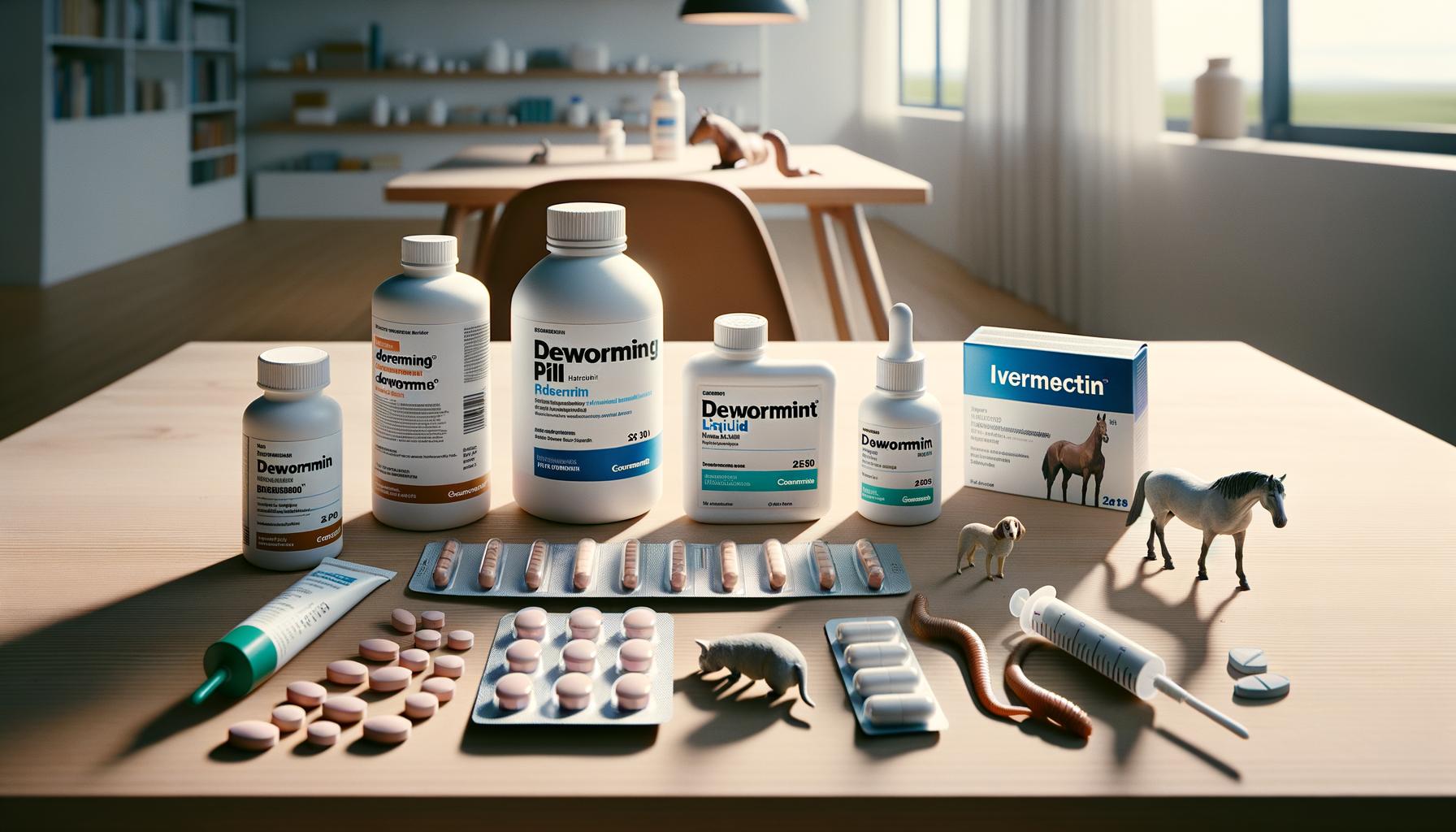
Comparing Ivermectin to Other Dewormers
Ivermectin stands out among dewormers for its broad-spectrum potency and favorable safety profile, making it a common choice in both human and veterinary medicine. Unlike some other antiparasitic drugs that target specific parasite types, ivermectin is effective against a wide range of internal and external parasites, including various worms and mites. This versatility gives it an advantage in treating mixed infections that might not respond fully to single-target medications.
When comparing ivermectin to other commonly used dewormers such as albendazole, mebendazole, and pyrantel pamoate, differences in effectiveness, spectrum, and resistance patterns emerge. For example, albendazole and mebendazole primarily act on intestinal worms like hookworms and roundworms by disrupting their energy metabolism, whereas ivermectin works by binding selectively to parasite nerve and muscle cells, causing paralysis and death. This distinct mechanism means ivermectin can target parasites outside the gut, such as lice and scabies mites, expanding its therapeutic reach. However, some parasites have shown emerging resistance to ivermectin, emphasizing the importance of appropriate use and rotating medications when necessary.
Key Differences to Consider
- Range of parasites: Ivermectin covers nematodes and ectoparasites but is less effective against tapeworms, where drugs like praziquantel excel.
- Administration forms: Ivermectin is available in oral, topical, and injectable forms, offering flexibility depending on the infection and patient type.
- Onset of action: Many ivermectin treatments act rapidly, often clearing infections in one dose or short regimen, whereas some alternatives require longer courses.
- Safety and side effects: Ivermectin generally has a good safety margin but requires caution in certain dog breeds and humans with specific conditions; other dewormers have different risk profiles to consider.
| Parameter | Ivermectin | Albendazole | Pyrantel Pamoate | Praziquantel |
|---|---|---|---|---|
| Parasite Spectrum | Nematodes, mites, lice | Intestinal worms (roundworm, hookworm) | Intestinal worms (roundworm, hookworm) | Tapeworms |
| Typical Use | Broad use: human & veterinary | Human & veterinary intestinal infections | Common intestinal worm infections | Tapeworm infections |
| Formulations | Oral, topical, injectable | Oral tablet, suspension | Oral tablet, suspension | Oral tablet |
| Resistance Issues | Emerging in some parasites | Increasing resistance in some regions | Variable resistance reported | Generally effective, low resistance |
| Safety Notes | Generally safe; breed sensitivity in dogs; watch drug interactions | Potential liver toxicity with high doses or long-term use | Generally mild side effects; avoid overdosing | Well tolerated; rare side effects |
For pet owners and caregivers, selecting the right dewormer involves assessing the parasite species involved, the patient’s health status, and potential allergies or breed sensitivities. Veterinarians often recommend ivermectin for certain worm and parasite infections due to its efficacy and ease of administration, but alternatives may be preferred for specific parasites or if resistance is suspected.
Ultimately, no dewormer is perfect for every situation. Ivermectin’s broad utility makes it a valuable option, but its use should be guided by parasite identification, veterinary or medical advice, and consideration of potential resistance and safety factors. Combining professional consultation with careful monitoring helps ensure effective parasite control without unnecessary risks.
Recent Research: Ivermectin’s Broader Applications
Researchers continue to explore ivermectin’s potential beyond its well-established role as a dewormer, revealing intriguing possibilities in various medical fields. While its primary use remains parasite elimination, recent studies suggest ivermectin might possess antiviral, anti-inflammatory, and even anticancer properties, though these findings are preliminary and require further validation before clinical adoption.
One area of interest is ivermectin’s potential antiviral effects. Laboratory studies have shown it can inhibit replication of certain viruses in cell cultures. These findings sparked considerable attention during viral epidemics, prompting clinical trials to examine if ivermectin could support treatment for viral infections. However, experts emphasize the importance of relying only on rigorously vetted data before using ivermectin for anything beyond parasitic diseases, and they discourage its unsupervised use due to safety concerns and inconclusive efficacy in this context.
In addition to antiviral research, ivermectin’s anti-inflammatory effects are being investigated to understand whether it might help modulate immune responses in conditions characterized by excessive inflammation. Meanwhile, some in vitro studies have explored its ability to interfere with cancer cell growth. Although promising at a laboratory level, these applications are far from ready for practical use and should not replace standard therapies.
Why Caution Matters
- Scientific rigor: It’s crucial that any new uses for ivermectin undergo thorough clinical trials to confirm safety and effectiveness.
- Regulatory guidance: Health authorities currently approve ivermectin specifically for parasitic infections; off-label use carries risks.
- Consult professionals: Always consult healthcare providers before considering ivermectin for anything beyond prescribed indications.
This evolving research exemplifies how a well-known medication can inspire new therapeutic hypotheses but also illustrates the need for patience and prudent evaluation before broadening its use. Staying informed through trusted sources and ongoing dialogue with medical experts can help patients navigate emerging information responsibly while benefiting from ivermectin’s proven parasite-fighting strengths.
User Experiences: Ivermectin Success Stories
Many people have found ivermectin to be a reliable ally in managing and eliminating parasitic infections, often reporting noticeable improvements shortly after treatment. One common thread among user experiences is the relief from uncomfortable symptoms such as abdominal pain, fatigue, or skin irritation caused by parasites. These early positive changes underscore ivermectin’s effectiveness when used according to proper medical guidance.
Individuals who have gone through treatment often emphasize the importance of understanding the correct dosage and timing. For example, several pet owners have shared how ivermectin helped clear parasites in their dogs or horses, improving the animals’ overall health and energy levels. These stories highlight not just the medication’s efficacy but also the need for careful administration tailored to each patient – human or animal.
Practical Tips from Users
- Follow professional advice: Many successful outcomes trace back to consulting healthcare or veterinary professionals before starting treatment.
- Monitor symptoms: Users recommend tracking symptom changes, noting improvements or any side effects, and reporting back to medical providers.
- Adhere to dosage schedules: Correct dosing ensures maximum effectiveness and minimizes risks; skipping doses or self-medicating can reduce benefits.
- Support recovery: Complementing treatment with good nutrition and hydration seems to help some users feel better faster.
While many stories reflect ivermectin’s strengths, it’s important to remember that individual responses can vary based on factors like the type of parasite, overall health, and concurrent medications. Some users have noted mild side effects, reinforcing the value of discussing any concerns with a healthcare provider before and during treatment. Ultimately, real-world experiences demonstrate ivermectin’s well-established role as a valuable parasite-fighting tool when used responsibly and under expert supervision.
Alternatives to Ivermectin for Parasite Treatment
Ivermectin isn’t the only option when it comes to tackling parasitic infections. Various medications and treatment approaches exist, each with its own strengths, limitations, and target parasites. Exploring alternatives can be valuable, especially for those who may have sensitivities, contraindications, or specific needs that make ivermectin less suitable. It’s always crucial to approach treatment decisions with professional guidance to select the most effective and safe choice.
Several widely used drugs act against a range of parasites similar to ivermectin. For example, albendazole and mebendazole are broad-spectrum anti-parasitics commonly used against intestinal worms like roundworms, hookworms, and whipworms. These medications work by disrupting the parasite’s energy metabolism, leading to their gradual death. Unlike ivermectin, which targets certain nervous system functions of parasites, these alternatives have different mechanisms and spectrums of activity, so the selection depends heavily on the infection type.
Common Alternatives to Ivermectin and Their Uses
- Albendazole & Mebendazole: Effective for soil-transmitted helminths and some tapeworms; widely used in both humans and animals.
- Praziquantel: Specifically targets flatworms like schistosomes and tapeworms, often used in regions with endemic schistosomiasis.
- Pyrantel pamoate: A fast-acting option for certain roundworms and hookworms, frequently administered in pediatric cases and veterinary medicine.
- Levamisole: Used for nematode infections, also notable for its immune-modulating properties but with some safety concerns requiring careful use.
Choosing the Right Alternative
Substituting ivermectin isn’t simply a matter of swapping one pill for another; the choice depends on parasite type, severity of infection, patient age, and health status. For instance, pets often require different medications or formulations than humans, and drug resistance patterns may influence effectiveness. Additionally, some alternatives may require multiple doses or longer treatment durations.
For patients unable to tolerate ivermectin due to side effects or allergies, exploring these alternatives under medical supervision can prevent complications and enhance outcomes. It’s also helpful to consider emerging treatments in development or regional variations in drug availability.
If you are considering alternative treatments, always discuss with a healthcare provider who can perform the necessary diagnostic testing, recommend tailored therapy, and monitor response. Self-medicating or switching drugs without professional input may reduce effectiveness or increase risks.
| Drug | Target Parasites | Typical Use | Notes |
|---|---|---|---|
| Albendazole | Roundworms, tapeworms, hookworms | Human and veterinary use | Widely available; good for broad spectrum |
| Praziquantel | Flatworms, schistosomes, tapeworms | Areas with schistosomiasis, tapeworm infections | Highly effective for specific flatworms |
| Pyrantel pamoate | Roundworms, hookworms | Children and animals; rapid action | Often over-the-counter |
| Levamisole | Nematodes | Limited use due to side effects | Requires monitoring |
In summary, while ivermectin remains a powerful dewormer with a broad range of uses, several other antiparasitic agents can serve as effective alternatives. Each comes with distinct advantages and considerations. The key is to tailor treatment to individual needs based on accurate diagnosis and clinical advice. This ensures the greatest chance of clearing the infection safely and efficiently without unintended complications.[[[1]][[[2]][[[3]]
Consulting Healthcare Professionals: When and Why
Deciding to use ivermectin or any antiparasitic medication should never be taken lightly. While ivermectin is highly effective, it’s vital to involve a healthcare professional who can accurately diagnose the type of parasitic infection. Many parasites require different treatments, and misdiagnosis can lead to ineffective treatment or even harmful side effects. A provider’s expertise ensures that the medication choice matches your specific condition, improving your chances for a quick and safe recovery.
Healthcare professionals bring more than just diagnosis to the table-they monitor how your body responds to treatment. Side effects from ivermectin, though generally uncommon when properly dosed, can vary from mild to severe. For those with underlying health conditions, pregnant or breastfeeding individuals, or people taking other medications, professional guidance helps prevent adverse interactions. They can adjust dosage, suggest supportive care, or recommend alternative medications if ivermectin isn’t suitable.
Key Reasons to Consult Before Using Ivermectin
- Confirming Parasite Type: Different parasites respond to different drugs; a stool test or blood test can pinpoint your infection.
- Customized Dosage: Age, weight, and health status influence the correct amount of ivermectin to use.
- Monitoring Safety: Early identification of side effects or allergic reactions protects your wellbeing.
- Understanding Drug Interactions: Professional advice helps avoid harmful combinations with other medications or supplements.
- Comprehensive Care: Follow-up appointments can confirm infection clearance and address lingering symptoms.
In real-world settings, patients who self-medicate often face delays in receiving effective care due to improper dosing or incorrect drug use. For example, a patient treating presumed “worms” without testing may overlook a tapeworm infection that requires a different medication. This can prolong symptoms or cause complications. Professionals also guide pet owners, as animal formulations and doses differ significantly from those for humans.
Ultimately, involving a healthcare provider makes the treatment journey safer and more effective. It empowers you with knowledge, ensuring you understand both the benefits and the limitations of ivermectin in managing parasitic infections. Their balanced guidance respects your intelligence and prioritizes your health above all, providing the best chance for complete parasite elimination and long-term wellbeing.
Understanding Regulatory Stances on Ivermectin Use
Ivermectin’s regulatory status varies worldwide, shaped by a balance between its proven effectiveness in parasite control and the need for cautious oversight. Health authorities such as the U.S. Food and Drug Administration (FDA), European Medicines Agency (EMA), and the World Health Organization (WHO) approve ivermectin primarily for specific parasitic infections based on robust clinical evidence. However, its use outside these indications-especially in certain viral or non-parasitic contexts-often lacks regulatory endorsement, reflecting the importance of scientifically validated applications. This measured stance underscores the principle that medication should be used appropriately to maximize benefits while minimizing risks.
In many countries, ivermectin is classified as a prescription-only medicine, requiring healthcare provider supervision to ensure safe and effective use. This regulation helps tailor treatment to individual needs, considering factors like infection type, patient weight, and potential drug interactions. For example, regulatory agencies emphasize caution when prescribing ivermectin for off-label uses or encouraging self-medication, as misuse can lead to serious side effects or ineffective treatment. The accessibility of ivermectin products should always come with clear guidance to avoid confusion between formulations meant for humans and those intended for animals, which differ significantly in concentration and safety profiles.
Practical Implications for Patients and Caregivers
- Follow Approved Indications: Use ivermectin only for parasitic infections confirmed by a healthcare professional.
- Obtain from Trusted Sources: Ensure your medication comes from licensed pharmacies or healthcare providers to guarantee quality and correct dosing.
- Be Wary of Misinformation: Regulatory bodies actively warn against non-evidence-based claims and unapproved uses circulating online or in some communities.
- Report Side Effects Promptly: Engage with your healthcare provider to monitor and manage any adverse effects or drug interactions.
Understanding these regulatory frameworks empowers you to make safer choices and fosters respect for ivermectin’s place in modern medicine-as a powerful tool against parasites with limitations defined by rigorous oversight. Always consult healthcare professionals before beginning treatment to align with best practices and regulatory guidelines, ensuring protection for your health and wellbeing.
Frequently asked questions
Q: How does Ivermectin Dewormer work against resistant parasites?
A: Ivermectin Dewormer disrupts nerve and muscle functions in parasites, effectively overcoming many drug-resistant strains. Its unique action targets parasite-specific receptors, making it a potent option when other dewormers fail. Always consult a healthcare provider for resistance concerns and proper treatment adjustments.
Q: When is the best time to administer Ivermectin for parasite elimination?
A: The optimal timing for Ivermectin Dewormer depends on the parasite life cycle and host species. For many infections, early morning dosing enhances absorption. Follow veterinarian or medical guidance tailored to your situation to maximize effective parasite elimination.
Q: Can Ivermectin Dewormer be used as a preventive measure for parasites?
A: Yes, Ivermectin Dewormer is often used prophylactically in animals and some humans at risk of parasitic infections. Preventive use should be under medical supervision to avoid misuse, resistance, and side effects. Consult your healthcare professional for personalized advice.
Q: What are the signs that Ivermectin Dewormer is effectively eliminating parasites?
A: Effective parasite elimination with Ivermectin typically shows reduced symptoms like itching, digestive upset, or weight loss within days. Laboratory tests can confirm parasite clearance. Monitoring symptoms and consulting a healthcare provider ensures timely adjustments if needed.
Q: How should Ivermectin Dewormer be stored to maintain its effectiveness?
A: Store Ivermectin Dewormer in a cool, dry place away from direct sunlight and moisture. Proper storage preserves its potency and safety. Check expiration dates and avoid exposing the medication to extreme temperatures for optimal parasite elimination results.
Q: Can Ivermectin Dewormer be combined with other antiparasitic treatments?
A: Combining Ivermectin with other antiparasitic drugs is sometimes recommended to tackle multiple parasite types or stages. Always consult a healthcare professional before combining treatments to avoid adverse interactions and ensure effective parasite elimination.
Q: Why might some parasites be less responsive to Ivermectin Dewormer?
A: Reduced parasite responsiveness may result from genetic resistance or improper dosing. Parasites can develop tolerance over time, diminishing Ivermectin’s effectiveness. Ensuring correct dosage and medical supervision helps prevent resistance and maintain treatment success.
Q: Are there specific populations that should avoid Ivermectin Dewormer?
A: Certain individuals, including those with allergies to Ivermectin or specific health conditions like liver disease, should avoid this dewormer. Pregnant or breastfeeding individuals should consult healthcare providers before use. Always seek professional advice for safe and effective treatment choices.
Wrapping Up
Understanding the power of ivermectin as an effective dewormer can be a crucial step toward maintaining health and combating parasitic infections. By targeting a range of internal parasites, ivermectin supports your body’s natural balance with a well-established safety profile. If you have questions about dosing, side effects, or drug interactions, consulting healthcare professionals ensures the best outcome for your specific needs.
Ready to explore more about parasite management and related treatments? Dive into our comprehensive resources, expert guides, and user experiences to make informed decisions confidently. Don’t hesitate to share your thoughts or questions below – your engagement helps build a knowledgeable community focused on wellness. Stay connected for updates on safe, science-backed parasite elimination strategies and related health topics that can empower your well-being journey.
Get our latest guides, news, and insights highlighted in your Google Search & AI Overviews.


