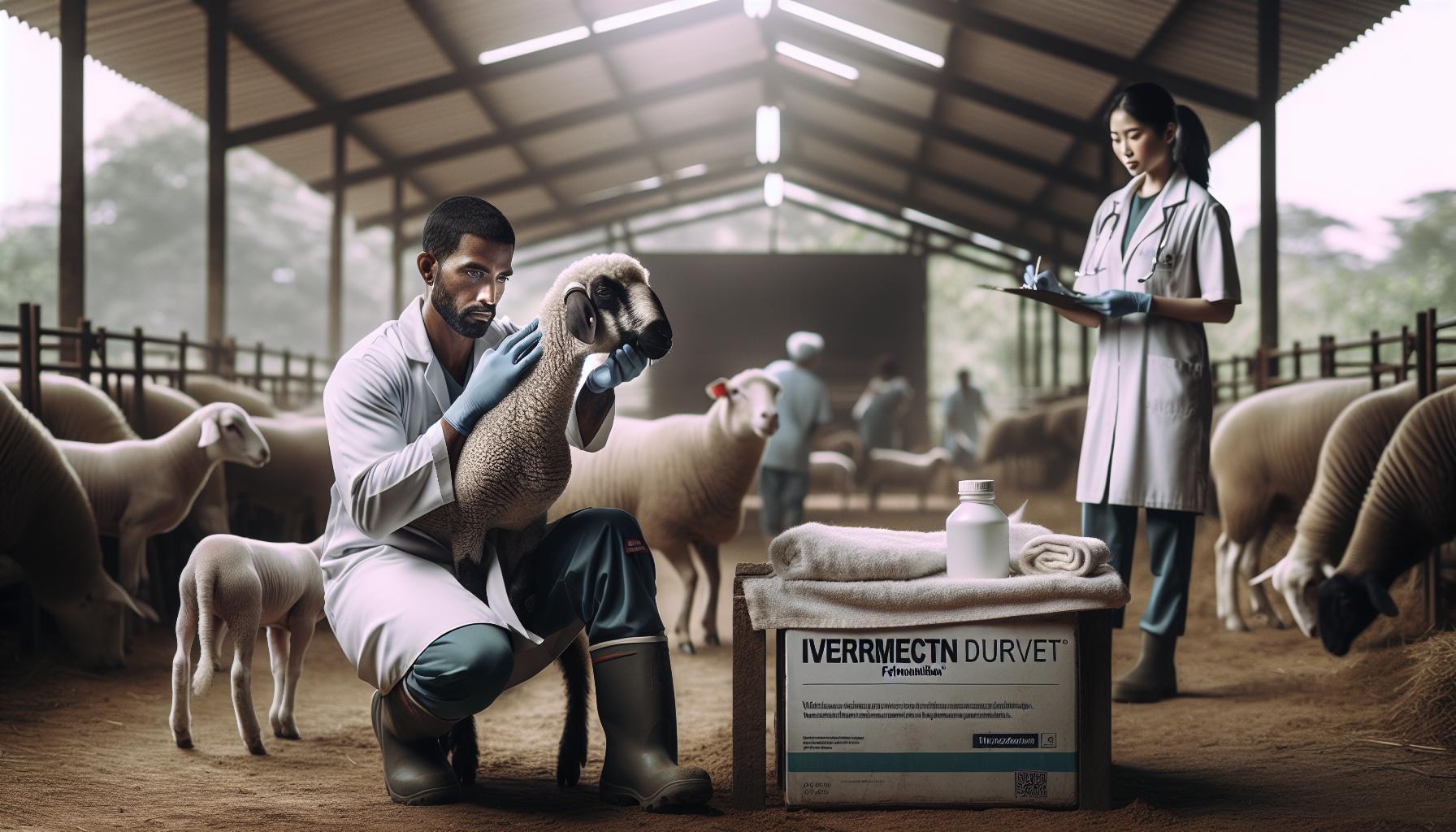
Parasites can quietly undermine the health and performance of horses and livestock, making effective deworming a critical part of animal care. Ivermectin Durvet is a veterinary formulation designed to combat a broad range of internal parasites, including worms and bots, with ease and reliability. Understanding how this dewormer works, its benefits, and its proper use can help animal owners make informed decisions to keep their livestock healthy and thriving. In this review, we’ll explore the quality and effectiveness of Durvet’s ivermectin paste, providing clear, science-backed insights so you can weigh its role within your parasite management strategy. Whether you’re a seasoned livestock owner or new to equine care, learning about trusted veterinary solutions like Durvet’s paste supports better outcomes and promotes animal welfare while encouraging consultation with your veterinarian for tailored advice.
Quality Overview of Ivermectin Durvet for Veterinary Use
Ivermectin Durvet stands out in the veterinary market due to its consistent formulation quality and targeted effectiveness against a range of parasites. The product boasts a well-balanced concentration of the active ingredient, 1.87% ivermectin, which is carefully calibrated to maximize parasite control while minimizing risks associated with overdosing. This precision reflects the manufacturer’s commitment to delivering reliable parasite management solutions for horses and other animals.
One notable aspect of Durvet’s ivermectin paste is its formulation as an apple-flavored gel paste, making it easier to administer, especially in equine patients who often resist medication. Convenience plays a critical role in effective parasite control-when owners can dose quickly and accurately, treatment adherence improves, which in turn supports overall animal health. The easy-to-use syringe format is designed to provide a precise dose based on the animal’s body weight, promoting safety and reducing waste.
Quality assurance doesn’t stop at formulation. Durvet maintains rigorous manufacturing standards and invests in testing to ensure that each batch meets consistent potency and safety criteria. This is particularly important given ivermectin’s broad-spectrum activity against various worms, including pinworms, lungworms, and bots. By choosing a product with reputable quality controls, pet owners and veterinarians can trust that the treatment delivers on its intended promise without unexpected variations in efficacy.
For optimal results, it’s essential to combine the product’s quality with correct usage – consulting a veterinarian for diagnosis and dosing ensures best practices. While ivermectin is effective, it is not a blanket remedy for all parasites or ailments, and proper identification of parasitic infections will guide whether Durvet’s ivermectin paste is the best fit. Overall, its balance of efficacy, palatability, and measured dosing makes Durvet a dependable choice in parasite management in veterinary care.
- Precise 1.87% ivermectin concentration: Effective parasite control with reduced risk of overdose
- Apple-flavored gel paste: Enhances ease of administration and animal compliance
- Pre-measured syringe dosing: Facilitates accurate dosing per body weight
- Stringent quality testing: Ensures batch consistency and safety
Practical Insight
Owners managing large-scale equine herds often find that the ease of dosing and the palatability of Durvet’s ivermectin paste reduce the stress associated with parasite control routines. Its reliable composition further supports scheduled deworming protocols without the need to switch products due to concerns about potency or safety. Always remember, despite these quality factors, veterinary guidance remains crucial to tailor treatment according to specific health needs and parasite profiles.
Understanding Ivermectin: Uses and Benefits
Ivermectin is a cornerstone in veterinary parasitology, trusted for its broad-spectrum effectiveness against many internal and external parasites. Its ability to disrupt the nervous system of parasites makes it highly efficient in treating a variety of infestations common in horses, cattle, and other animals. This treatment not only improves animal health but also supports overall herd productivity by reducing parasite-related diseases, which can otherwise cause weight loss, poor coat condition, and decreased performance.
Durvet’s ivermectin formulation leverages this proven active ingredient in a user-friendly paste that simplifies administration. For example, in equine care, parasites such as bots, roundworms, and lungworms respond well to ivermectin treatment when dosed accurately-something Durvet facilitates with its pre-measured syringes. Beyond simply eliminating parasites, effective use of ivermectin helps break life cycles of common pests, reducing environmental contamination and slowing resistance development.
- Broad-spectrum control: Effective against a wide range of gastrointestinal and external parasites.
- Improves animal welfare: Reduces parasite burden, which is linked to better weight gain, energy, and coat health.
- Supports herd management: Regular treatment helps maintain healthy populations and minimizes spread within groups.
Veterinary practitioners emphasize that ivermectin is most beneficial when integrated into a targeted parasite management plan. This means identifying specific parasite problems through diagnostic testing before treatment. Although ivermectin covers many parasites, it does not treat all possible infections, so professional guidance ensures it is the right tool for the situation. Regular monitoring and correct dosing-adjusted for species and weight-maximize benefits while minimizing risks like resistance or toxicity.
In essence, Durvet’s ivermectin paste offers a potent, palatable solution geared to practical needs. Its formulation supports consistent parasite control aligned with veterinary recommendations, making it a valued choice for both horse owners managing individual animals and professionals overseeing larger herds.
Key Ingredients in Durvet’s Ivermectin Formulation
Ivermectin is the key active ingredient in Durvet’s formulation, renowned for its potent antiparasitic properties derived from avermectin compounds originally isolated from *Streptomyces avermitilis*. At a concentration of 1.87%, this compound acts by interfering with invertebrate nerve and muscle cells, causing paralysis and death of parasites. This mechanism targets a broad spectrum of internal and external parasites, making it highly effective for equine and livestock use.
Durvet’s ivermectin paste is uniquely formulated as an apple-flavored gel, enhancing palatability which encourages easy acceptance by animals during dosing. This is a practical consideration that reduces stress for both the animal and caregiver. The paste base includes safe, inert carriers that ensure consistent dosing and proper absorption while maintaining the stability of ivermectin over time. These excipients do not interfere with the drug’s efficacy but improve handling and administration, especially in field conditions.
The formulation is delivered via pre-measured syringes calibrated for body weight, which helps ensure precise dosing. This accuracy is critical because ivermectin’s efficacy and safety depend on correct dosage tailored to the animal’s size. Over- or under-dosing can lead to adverse reactions or incomplete parasite control. Durvet’s approach to combining ivermectin with user-friendly delivery underscores the importance of optimizing both the active ingredient and the vehicle to promote compliance and maximize therapeutic outcomes.
- Active Ingredient: Ivermectin (1.87%), a macrocyclic lactone effective against nematodes and arthropods.
- Flavoring: Apple flavor to improve taste and ease of administration.
- Carrier Base: Gel-paste formulation ensures stability and accurate dosing.
- Delivery System: Pre-filled, dosage-calibrated syringes facilitate safe and convenient application.
This thoughtful combination makes Durvet’s ivermectin paste a reliable choice for parasite control in veterinary practice, blending scientific efficacy with practical usability. As always, consulting a veterinarian before use ensures the formulation fits the specific animal’s needs and parasite profile.
Comparative Analysis: Durvet vs. Competitors
Ivermectin formulations for veterinary use vary significantly in aspects such as concentration, delivery methods, palatability, and dosing accuracy. Durvet’s ivermectin stands out due to its thoughtful combination of science and practicality, especially when compared to many competitors who focus primarily on the active ingredient without optimizing the user experience. The apple-flavored gel base in Durvet’s paste addresses a common issue in animal treatments: refusal or stress during administration. This simple but effective feature improves compliance, a critical factor in ensuring full parasite control.
Many competing products rely on liquid or powder forms that often require mixing or complicated dosing, increasing the risk of dosing errors. In contrast, Durvet’s pre-filled syringes provide precise, weight-calibrated doses, which reduce guesswork and potential harm from over- or under-dosing. This form also supports ease of use in field conditions, making it practical for owners and veterinarians alike. Additionally, the gel-paste formulation promotes better absorption and stability, which can sometimes be compromised in simpler carriers used by competitors.
Key Differences Worth Noting
- Dosing Accuracy: Pre-measured syringes versus multi-step dosing in other brands.
- Palatability: Apple flavor in Durvet versus often unflavored or unpleasant options.
- Formulation Stability: Gel paste enhances ivermectin stability compared to oils or suspensions.
- Ease of Use: Single-step administration aids compliance versus complex mixing or measuring.
For animal owners, choosing a product that encourages consistent and stress-free administration can lead to better treatment outcomes. It’s important to note that while all ivermectin formulations share the same active ingredient and mechanism, the vehicle and delivery system can influence the real-world effectiveness and safety of treatments. As always, consulting a veterinarian ensures the chosen brand and formulation fit the target animal’s species, parasite burden, and health conditions. Understandably, some competitors might offer cost advantages or broader distribution, but these benefits should be weighed against potential challenges in administration and compliance.
| Feature | Durvet Ivermectin Paste | Typical Competitor Products |
|---|---|---|
| Active Ingredient Concentration | 1.87% | Varies, often 1% or lower |
| Formulation Type | Apple-flavored gel paste | Liquid, powder, or unflavored pastes |
| Dosing Method | Pre-filled, calibrated syringe | Manual measuring or mixing required |
| Palatability | Enhanced with apple flavor | Often bland or bitter |
| Stability and Shelf Life | Optimized gel base for stability | Variable, possibly less stable |
Choosing a veterinary ivermectin product is about more than active ingredients; it’s also about how the medication fits into daily management and animal behavior. Durvet’s formula is designed with these practical realities in mind, aiming to support both efficacy and ease of use. This balanced combination often makes it a preferred option for those who want dependable parasite control without complicated preparations or stressed animals.
Administration Guidelines for Ivermectin Durvet
Administering Ivermectin Durvet correctly is critical in achieving optimal parasite control while minimizing risks to the animal. One of the standout conveniences of this formulation is its pre-measured, apple-flavored gel paste delivered via a calibrated syringe. This design removes much of the guesswork often associated with dosing ivermectin, which is especially valuable in field settings or when treating multiple animals with varying weights.
Before administration, ensure the animal is calm to reduce stress and improve acceptance of the paste. The apple flavor helps mask the medication’s natural bitterness, encouraging voluntary consumption or easier oral dosing. Typically, the paste is administered orally by carefully placing the syringe tip into the side of the animal’s mouth, aiming to deposit the treatment onto the back of the tongue. This method facilitates swallowing and absorption. Avoid placing the paste too far back to prevent choking or spitting out the medication.
Practical Tips for Safe and Effective Use
- Weigh Your Animal Accurately: Dose according to precise body weight as overdosing can cause adverse effects, while underdosing reduces efficacy.
- Use the Pre-Calibrated Syringes: Follow the syringe markings to deliver the correct volume; do not attempt to divide doses manually.
- Administer on an Empty or Light Stomach: While not always mandatory, dosing before feeding can enhance absorption.
- Monitor Post-Administration: Observe animals for any immediate adverse reactions such as excessive salivation or coughing.
- Follow Withdrawal Times: For food-producing animals, strictly adhere to recommended withdrawal periods before milk or meat consumption.
Because Durvet’s ivermectin paste is formulated for ease of use, it suits a range of farm animals including horses, cattle, sheep, and swine. However, species-specific variation exists in dosing schedules and parasite targets, so consulting a veterinarian is always advised to set an appropriate treatment plan. Additionally, avoid simultaneous use with other medications unless approved by a vet, as drug interactions can affect safety and effectiveness.
| Step | Recommended Action |
|---|---|
| 1 | Confirm exact weight of the animal before treatment. |
| 2 | Select the appropriate syringe dose based on weight. |
| 3 | Calm the animal and restrain gently but firmly. |
| 4 | Insert syringe tip into side of mouth, deliver paste towards back of tongue. |
| 5 | Withdraw syringe, allow animal to swallow naturally. |
| 6 | Observe animal for any immediate side effects. |
By following these administration guidelines, animal owners and caretakers can help ensure that ivermectin reaches its intended targets effectively and safely, maximizing treatment success. Always avoid improvising dosing methods and contact a veterinarian for any uncertainties-careful administration is key to harnessing the full therapeutic potential of Durvet’s ivermectin paste.
Safety and Side Effects of Ivermectin in Animals
Ivermectin is generally regarded as safe when used according to veterinary guidelines, but like any medication, it carries risks that warrant careful attention. One striking fact is that ivermectin’s margin of safety-meaning the gap between an effective dose and a harmful dose-is quite broad for most livestock species, making it a reliable choice for parasite control. However, overdosing or improper administration can cause toxicity, so precise dosing based on the animal’s exact weight is crucial.
Adverse reactions, while uncommon, can range from mild to severe and often manifest shortly after treatment. Typical side effects include temporary lethargy, excessive salivation, or mild digestive upset. In some sensitive animals, such as certain dog breeds with a genetic mutation called MDR1 (multi-drug resistance gene), ivermectin can cross the blood-brain barrier, potentially causing neurological symptoms like tremors, disorientation, or ataxia (loss of coordination). For this reason, consultation with a veterinarian before use is essential, especially in species or breeds known to have heightened sensitivity.
Minimizing Risks Through Proper Use
- Accurate Weight Measurement: Always weigh animals precisely to avoid underdosing, which reduces effectiveness, or overdosing, which raises toxicity risk.
- Follow Species-Specific Guidelines: Dosing varies by species; for example, cattle require different amounts than horses or swine. Using Durvet’s calibrated syringes helps simplify correct dosing.
- Observe Withdrawal Periods: Residues in meat or milk can pose health risks to humans; therefore, adhering to recommended withdrawal times ensures food safety.
- Monitor After Treatment: Keep animals under observation for at least several hours to catch early signs of adverse effects and intervene if necessary.
Certain health conditions or concurrent medications may influence ivermectin’s safety profile. For instance, animals afflicted with severe parasite burdens can sometimes experience an inflammatory reaction as parasites die (known as the “die-off” effect), which can temporarily worsen clinical signs. Alert your veterinarian if the animal shows unusual behavior or symptoms post-treatment.
Examples From Field Use
Farmers using ivermectin pour-on formulations for cattle have reported excellent tolerance and minimal side effects when following instructions carefully. Conversely, misapplication-such as giving injectable formulations orally or overdosing-has led to serious toxicity cases. This underscores the importance of using the product specifically as designed. Durvet’s ivermectin pour-on and paste formulations come with detailed safety instructions to reduce such risks [1].
By respecting dosage limits, understanding species variation, and maintaining open communication with veterinary professionals, animal caretakers can confidently incorporate ivermectin Durvet into parasite control programs while safeguarding animal health. When in doubt, professional advice is the best shield against unintended complications.
Efficacy of Ivermectin in Common Pet Conditions
Ivermectin has long been a cornerstone in managing parasitic infections in pets, prized for its broad-spectrum efficacy against a variety of internal and external parasites. Its ability to interrupt the nervous system function of parasites leads to their paralysis and death, making it highly effective for common conditions like heartworm prevention in dogs and treatment of mange mites in both dogs and cats. This targeted action helps improve pet health and comfort quickly, though results can vary depending on parasite burden and species.
In dogs, ivermectin Durvet is often used to prevent heartworm disease, a serious and potentially fatal illness transmitted by mosquitoes. When used under veterinary guidance, ivermectin effectively kills the larval stages (microfilariae) before they mature. Additionally, it tackles intestinal worms such as roundworms, hookworms, and whipworms, addressing multiple internal parasites with one medication. For cats, its use is more selective, primarily targeting certain types of mites and intestinal parasites, as cats can be more sensitive to ivermectin’s effects.
Practical Considerations for Effective Treatment
- Species-Specific Sensitivity: While effective, ivermectin requires careful dosing, especially in sensitive breeds such as collies or Australian shepherds, which may have a genetic trait (MDR1 mutation) affecting drug metabolism.
- Correct Diagnosis: Accurate identification of the parasite type and burden by a veterinarian ensures ivermectin is appropriate and that other treatments aren’t needed.
- Follow-Up Monitoring: Improvement may take days to weeks depending on the infection; keep regular clinical check-ups to verify parasite clearance and pet wellbeing.
Real-World Examples
Many pet owners report noticeable reduction in itching and skin irritation within days after treatment of demodectic or sarcoptic mange with ivermectin Durvet. In heartworm-endemic regions, consistent monthly administration of ivermectin-based preventatives has dramatically reduced heartworm incidence, underscoring its preventive value when used reliably.
Overall, ivermectin Durvet remains a trusted, scientifically supported option for controlling a range of parasitic diseases in pets. However, it’s essential to combine its use with veterinary supervision and specific parasite testing to achieve the best outcomes while avoiding adverse effects. Always consult your veterinarian before starting any treatment to ensure safety and efficacy tailored to your pet’s unique needs.
Dosage Recommendations by Species and Weight
Ivermectin dosing in veterinary medicine must be precise to ensure safety and maximize effectiveness across different animal species. This is particularly important because sensitivity varies not only by species but also by breed and individual factors such as genetics. For example, certain dog breeds like collies and Australian shepherds carry the MDR1 gene mutation, which makes them more vulnerable to adverse effects from ivermectin, even at standard doses.
Dosages are typically calculated based on the animal’s body weight, usually expressed in micrograms per kilogram (mcg/kg). For dogs, ivermectin is most commonly administered at preventive doses ranging from 6 to 12 mcg/kg of body weight monthly for heartworm prevention. However, when treating intestinal parasites or mite infestations, higher one-time doses, such as 200 mcg/kg, may be prescribed under close veterinary supervision. In cats, ivermectin dosage is generally more conservative due to their heightened sensitivity, often using lower doses specifically targeted for mite or worm infestations.
| Species | Common Dose Range (mcg/kg) | Frequency | Typical Uses |
|---|---|---|---|
| Dog | 6-12 mcg/kg (heartworm prevention) Up to 200 mcg/kg (parasite treatment) | Monthly (prevention) Single or repeated dose (treatment) | Heartworm prevention, intestinal worms, mange mites |
| Cat | 50-200 mcg/kg | Single or repeated dose as prescribed | Mite infestations, some intestinal parasites |
| Horse | 200 mcg/kg | Single dose or as recommended | Internal parasites such as strongyles |
| Livestock (e.g., cattle, sheep) | 200 mcg/kg | Varies by parasite and condition | Control of gastrointestinal and external parasites |
Practical Tips for Dose Accuracy and Safety
- Weigh Your Pet Accurately: Dosage precision depends on correct body weight measurement; over- or underestimating weight can lead to ineffective treatment or toxicity.
- Follow Veterinary Guidance: Never self-prescribe ivermectin. Dosage and scheduling vary widely depending on parasite type, infection severity, and animal health status.
- Breed-Specific Considerations: Inform your vet if your pet is of a sensitive breed. Genetic testing for the MDR1 mutation is recommended before ivermectin use in at-risk dogs.
- Observe for Side Effects: Watch for neurological signs such as lethargy, ataxia, or tremors after dosing, especially in sensitive animals. Immediate veterinary consultation is critical if these occur.
In everyday practice, the effectiveness and safety of ivermectin Durvet hinge on respecting these dosing principles. Pet owners often see rapid improvements in parasite-related symptoms when doses are correctly tailored. Meanwhile, repeated doses to prevent heartworm disease are a proven strategy in endemic areas, greatly reducing risk. Remember, ongoing communication with your veterinarian ensures dosage adjustments if your pet gains weight or experiences changes in health, maintaining treatment effectiveness and safety over time.
User Experiences: Reviews and Testimonials
Many users report that Durvet Ivermectin Paste delivers reliable parasite control in horses and other livestock, often noting a noticeable improvement shortly after administration. Its convenient syringe format and clear weight markings help ensure accurate dosing, which can be especially reassuring for caretakers managing animals of varying sizes. Positive feedback frequently highlights the paste’s efficacy against common internal parasites such as strongyles and bots, with some users praising its ease of use even with young foals and breeding animals[[[3]](https://www.calranch.com/products/pet-animal/livestock/health-wellness/durvet-ivermectin-paste-00373110562).
A practical tip from experienced users is to carefully estimate each animal’s weight before dosing, as this product’s success depends heavily on precision; slight overdosing can carry risks, while underdosing diminishes effectiveness. Some reviewers mention that the paste’s palatability is surprisingly good compared to other treatments, which reduces stress during administration, although it remains essential to confirm the correct dose. It’s also recommended to keep close veterinary oversight, especially when treating animals with known sensitivity or genetic predispositions to ivermectin reactions[[[2]](https://www.ebay.com/urw/Durvet-Duramectin-Paste-for-Horses-Ivermectin-1-87-001-1070-/product-reviews/1800333000).
User Tips for Best Results
- Follow Weight Guidelines Precisely: Use a reliable scale and do not guess body weight to maintain dosing accuracy.
- Monitor Post-Treatment Behavior: Watch animals closely for any unusual signs such as lethargy or staggering, particularly after the first use.
- Consult Your Veterinarian: Maintain ongoing communication to adjust treatment based on the animal’s response and health changes.
- Store Properly: Keep the paste refrigerated or as advised to preserve potency and quality.
Some users find that Durvet’s Ivermectin paste matches or exceeds other brands in effectiveness, praising its safety profile when used as directed. Nevertheless, experiences can vary depending on the condition treated, animal species, and individual sensitivity. For example, while horses and cattle often show prompt and sustained parasite reduction, dog owners emphasize the need for professional guidance due to breed-specific risks and dosing complexities. By sharing such insights, owners become better equipped to make informed decisions, emphasizing safety without compromising treatment effectiveness[[[1]](https://www.tractorsupply.com/tsc/product/durvet-ivermectin-paste-187-608-g).
In summary, while user reviews affirm Durvet Ivermectin Paste as a dependable option, the consensus underscores the importance of veterinary supervision, precise dosing, and attentive monitoring to ensure safe and successful parasite control.
Frequently Asked Questions About Ivermectin Durvet
Ivermectin is widely recognized for its effectiveness against various internal parasites in livestock and pets, but naturally, many caretakers have questions before using Durvet’s formulations. Understanding how to safely and effectively administer Durvet Ivermectin products can make a significant difference in treatment outcomes and animal health.
One of the most common inquiries regards dosing accuracy. Since ivermectin’s effectiveness relies heavily on correct dosing relative to an animal’s weight, it’s essential never to guess weight. Use a reliable scale or weight tape designed for the species in question. Overdosing can lead to toxicity, while underdosing risks incomplete parasite control and potential resistance. Durvet’s paste syringes come with clear dosage markings tailored for specific weight ranges, making precise administration more straightforward when carefully followed[[[2]](https://www.durvet.com/product/ivermectin-paste/).
Another frequent question concerns the types of parasites treated. Durvet Ivermectin products are effective against a broad spectrum-including strongyles, lungworms, pinworms, and bots in horses, as well as similar worms in other livestock. However, ivermectin does not treat all parasites (e.g., tapeworms or flukes), so confirm your animal’s specific needs with a veterinarian to ensure the correct product and regimen are chosen[[[3]](https://www.tractorsupply.com/tsc/product/durvet-ivermectin-paste-187-608-g).
Safety is a top concern for many, especially regarding side effects. While generally safe when used as directed, some animals-particularly certain dog breeds with MDR1 gene mutations-may display adverse reactions such as lethargy or incoordination. Monitoring animals closely after the initial dose is crucial. If unusual behavior occurs, consult a veterinarian promptly. Also, avoid using Durvet Ivermectin products in animals intended for human consumption due to regulatory restrictions[[[2]](https://www.durvet.com/product/ivermectin-paste/).
Practical Advice for Use
- Consult a Vet First: Discuss your animal’s parasite status, health condition, and the right ivermectin product choice before treatment.
- Store Properly: Keep the paste refrigerated or as indicated on the label to maintain potency over time.
- Follow the Label: Concentration and dosage instructions vary slightly between product types; always adhere strictly to guidelines.
| Animal Type | Typical Dosage | Common Parasites Targeted |
|---|---|---|
| Horse (paste) | 200 mcg/kg body weight | Strongyles, bots, pinworms, lungworms |
| Sheep (drench) | 0.2 mg/kg body weight | Various gastrointestinal worms |
| Cattle (injectable or drench) | 0.2 mg/kg body weight | Internal and external parasites |
Because Durvet’s ivermectin is formulated specifically for veterinary use, it is neither safe nor legal for human consumption. Misuse can cause severe harm. Always keep the product away from children and unauthorized persons. If you suspect an adverse reaction or accidental ingestion, contact a poison control center or veterinarian immediately.
By addressing these common concerns with clear, practical answers, animal caretakers can approach parasite control with confidence, minimizing risks and maximizing the health benefits that Durvet Ivermectin products provide.
Regulatory Considerations for Veterinary Ivermectin
Veterinary ivermectin products like Durvet’s are regulated carefully to ensure safety, efficacy, and appropriate use in animals. These regulations exist to protect both animal health and the broader public by preventing misuse and minimizing risks such as drug resistance or inadvertent human exposure. Since ivermectin is a potent antiparasitic agent, its distribution, labeling, and usage are closely monitored under federal and state agricultural or veterinary guidelines.
One key regulatory aspect is that veterinary ivermectin formulations are approved only for specific animal species and parasites. This means that products like Durvet’s ivermectin paste are legally intended solely for animal use and must be administered following precise dosage and species indications provided by the manufacturer and overseen by a licensed veterinarian. Using veterinary ivermectin in unintended species or for unapproved conditions can lead to ineffective treatment or harmful side effects. For example, federal law restricts access to ivermectin products for animals to use by or on the order of a veterinarian, ensuring professional guidance in treatment[[[2]](https://www.federalregister.gov/documents/2002/03/13/02-5060/oral-dosage-form-new-animal-drugs-ivermectin-tablets).
Equally important is the clear prohibition against using veterinary ivermectin products in humans. Despite some misconceptions, ivermectin formulated for animals can differ significantly in concentration, purity, and inactive ingredients compared to human-approved medicines. The FDA and other regulatory bodies strongly warn against self-medicating with animal ivermectin products, as this can cause severe toxicity or even life-threatening reactions[[[1]](https://www.fda.gov/safety/medical-product-safety-information/ivermectin-intended-animals-letter-stakeholders-do-not-use-humans-treatment-covid-19). These warnings underscore the critical nature of adhering strictly to veterinary use only.
Practical Tips to Navigate Regulatory Compliance
- Always Consult a Veterinarian: Before starting ivermectin treatment, seek professional advice to confirm the product’s suitability and correct dosage for your animal.
- Check Product Labels: Ensure the ivermectin product explicitly states the intended species and approved uses to maintain compliance.
- Purchase from Reputable Sources: Obtain Durvet ivermectin through licensed suppliers or veterinary clinics to guarantee product authenticity and adherence to legal standards.
- Do Not Use Off-Label Without Guidance: Off-label use must only occur under strict veterinary supervision, considering regulatory and safety implications.
Understanding these regulatory frameworks empowers you to use Durvet ivermectin products responsibly, enhancing animal welfare while avoiding legal complications. Adherence to these guidelines ultimately supports sustainable parasite control and helps maintain the integrity of veterinary pharmacology.
Where to Purchase Ivermectin Durvet Safely
Finding a trustworthy source for veterinary medications like Durvet Ivermectin paste is crucial-not just for ensuring product authenticity but also for safeguarding your animal’s health. Since ivermectin is a potent antiparasitic medication with strict regulatory controls, purchasing it from reputable suppliers helps guarantee the right formulation, concentration, and safety profile designed specifically for animal use.
Many reliable outlets include licensed veterinary clinics, established farm supply stores, and reputable online retailers specializing in animal health products. For example, major farm and livestock suppliers such as Tractor Supply Co stock Durvet Ivermectin paste, offering easy access along with expert staff who can guide on proper use[[[2]](https://www.tractorsupply.com/tsc/product/durvet-ivermectin-paste-187-608-g). Buying from such sources reduces risks associated with counterfeit or improperly stored medications. It also supports compliance with legal requirements, which usually mandate that ivermectin products for animals be dispensed only by or under the direction of a veterinarian.
Tips for Safe and Responsible Purchasing
- Verify the Seller’s Credentials: Confirm the retailer is licensed to sell veterinary pharmaceuticals. This ensures they follow storage protocols and product handling procedures that preserve efficacy.
- Ask for Veterinary Consultation: Many suppliers require or encourage consulting a veterinarian before sale. This professional involvement ensures ivermectin is appropriate for your animal’s species, weight, and health status.
- Inspect Packaging and Labels: Authentic Durvet ivermectin paste is apple-flavored and clearly labeled with strength (1.87%) and usage directions specific to horses or other livestock. Avoid products with unclear or damaged labels.
- Beware of Unverified Online Sellers: While internet purchases may be convenient, avoid marketplaces or websites without transparent contact information or customer service, as these can be sources of illegitimate products.
Purchasing through trusted and well-established supply channels not only enhances product reliability but also protects your investment in your animal’s health. If ever in doubt about where to acquire Durvet ivermectin safely, your local veterinarian remains the best starting point for advice and legitimate prescriptions. This approach balances convenience with responsible stewardship of veterinary medications, supporting safe and effective parasite control.
Frequently Asked Questions
Q: How does Durvet Ivermectin Pour-On compare in absorption rates to other ivermectin formulations?
A: Durvet Ivermectin Pour-On is designed for efficient skin absorption, providing sustained parasite control in cattle without injections. Its formulation ensures rapid transdermal uptake, often resulting in prolonged efficacy compared to oral or injectable ivermectin, making it suitable for livestock needing easy, stress-free application[1].Q: What environmental precautions should be taken when using Ivermectin Durvet products?
A: When using Ivermectin Durvet, avoid contamination of water sources as ivermectin residues can harm aquatic organisms. Dispose of packaging responsibly and limit pasture runoff. Implementing proper withdrawal times also minimizes environmental impact while ensuring animal safety[1].
Q: Why is Durvet Ivermectin not approved for use in species other than cattle?
A: Durvet Ivermectin formulations are specifically tested and labeled for cattle only due to species-specific metabolism and safety profiles. Using it on other animals like dogs or horses can risk toxicity or ineffective treatment; always follow label instructions and consult a veterinarian for other species[3].
Q: How should Durvet Ivermectin Pour-On be stored to maintain potency?
A: Store Durvet Ivermectin Pour-On in a cool, dry place away from direct sunlight and extreme temperatures. Keeping the container tightly closed prevents degradation and ensures the product remains effective until the stated expiration date. Proper storage safeguards both quality and safety[1].
Q: Can Durvet Ivermectin Pour-On be safely used during cattle pregnancy?
A: Durvet Ivermectin Pour-On is generally considered safe during pregnancy in cattle when used as directed. However, always consult a veterinarian before treatment during gestation to avoid potential risks and ensure animal welfare in sensitive periods[1].
Q: What are the signs of ivermectin overdose in cattle, and how should it be managed?
A: Signs of ivermectin overdose include lethargy, tremors, ataxia, and hypersalivation. If overdose is suspected, contact a veterinarian immediately for supportive care. Avoid overdosing by precisely following dosage guidelines based on species and weight[1].
Q: How does Durvet address concerns regarding ivermectin use and parasite resistance?
A: Durvet recommends using ivermectin products like Pour-On as part of an integrated parasite management program, rotating with other anthelmintics to reduce resistance risk. Adhering to proper dosage and treatment intervals is key to maintaining long-term efficacy[1].
Q: Where can I find official information about veterinary approvals and regulations for Durvet Ivermectin?
A: Official regulatory details for Durvet Ivermectin are available via the product label and company website. Always verify the latest approvals and usage restrictions through trusted veterinary regulatory agencies to ensure compliance and safety[2].
For more detailed insights, feel free to revisit the main article sections or consult with a veterinary professional to tailor treatment to your specific needs.
Final Thoughts
Understanding the reliable veterinary benefits of Ivermectin Durvet highlights its role as a trusted solution in parasite control for livestock. Whether managing internal or external parasites, this formulation demonstrates consistent efficacy and safety when used as directed. To ensure optimal animal health and productivity, timely integration of quality products like Ivermectin Durvet remains essential.
If you’re ready to explore dosage guides, specific product variations, or veterinary recommendations further, our in-depth resources and expert consultations await you. Staying informed with the latest updates on livestock parasite management empowers you to make confident, science-backed decisions-because healthy animals mean better outcomes. Don’t hesitate to share your experiences or questions below, helping build a knowledgeable community focused on effective animal care.
Continue discovering more about equine wormers, injectable options, and pour-on treatments to expand your understanding of veterinary parasiticides. Sign up for our newsletter to receive ongoing insights and practical tips. Your commitment to informed livestock care starts here-with Ivermectin Durvet leading the way.
Get our latest guides, news, and insights highlighted in your Google Search & AI Overviews.