Did you know that ivermectin, a medication widely used to treat parasites in animals, can be a valuable tool in managing your cat’s health when used correctly? Understanding how to safely dose and apply ivermectin is crucial because dosing errors can lead to serious side effects. Many cat owners seek effective parasite control but worry about how to do it safely and responsibly. This guide will walk you through the essential facts about ivermectin for cats, including safe dosing practices and proper application methods. By learning the right approach, you can protect your feline friend from unwanted parasites while minimizing risks. Remember, while ivermectin has benefits, it is vital to consult your veterinarian before use to ensure it is appropriate and safe for your cat’s specific needs. Let’s explore this topic to empower you with clear, trustworthy information so you can make informed choices about your cat’s care.
Ivermectin: What Cat Owners Need to Know
Ivermectin is a widely recognized medication in veterinary care, praised for its effectiveness against a variety of parasites. However, when it comes to cats, its use demands careful consideration due to differences in sensitivity compared to other animals. Many cat owners are surprised to learn that ivermectin, while beneficial, can pose risks if not dosed correctly or administered under veterinary guidance. Understanding these nuances is key to safeguarding your feline friend’s health.
Cats metabolize ivermectin differently, and certain breeds, especially those with genetic predispositions like the MDR1 gene mutation, may experience adverse reactions even at low doses. This makes professional consultation essential before beginning any treatment. Additionally, products formulated for dogs or livestock can contain concentrations unsafe for cats, so never use ivermectin intended for other species.
- Know the exact purpose: Ivermectin is typically used to treat internal and external parasites such as heartworms and some mites.
- Use only vet-approved products designed for cats: This ensures dosing accuracy and safety.
- Follow dosage instructions meticulously: Even slight deviations can lead to toxicity.
- Watch your cat closely post-administration: Early signs of sensitivity include lethargy, drooling, or uncoordinated movements.
By approaching ivermectin use with informed caution, you empower yourself to protect your cat effectively while minimizing risks. Always prioritize open communication with your veterinarian to ensure any parasite treatments align with your pet’s specific health needs.
Understanding the Safety of Ivermectin for Cats
Ivermectin’s effectiveness in controlling parasites is well documented across many animal species, but its safety profile in cats requires extra caution. Unlike dogs or livestock, cats process ivermectin differently, making them more vulnerable to adverse effects if the dosage is too high or if the drug is given without veterinary oversight. This difference highlights the need for careful risk assessment and tailored dosing when treating feline patients.
One critical factor contributing to ivermectin’s variable safety in cats is genetic sensitivity. Cats with mutations in the MDR1 gene, which affects the function of a protein responsible for drug transport in the nervous system, can accumulate toxic levels of ivermectin even at low doses. Such buildups can lead to neurological symptoms and other serious complications. Because it is not always obvious whether a cat carries this mutation, a veterinarian’s evaluation is essential before starting treatment.
- Only use formulations approved for cats: Many ivermectin products are intended for dogs or larger animals and contain concentrations unsuitable or dangerous for cats.
- Strictly adhere to dosing instructions: Slight overdosing is a common cause of toxicity, so precise measurement and timing are crucial.
- Monitor your cat carefully after administration: Early signs of intolerance may be subtle, such as reduced activity, drooling, or uncoordinated movements, and prompt veterinary advice can prevent worsening.
In practice, veterinarians often weigh the benefits of ivermectin treatment against the potential risks, especially when alternative parasiticides may be available. Transparency and thorough discussion with your vet will ensure you understand why ivermectin is recommended, how to administer it safely, and what signs to watch for. By respecting these safety guidelines, cat owners can confidently use ivermectin to protect their pets without compromising their well-being.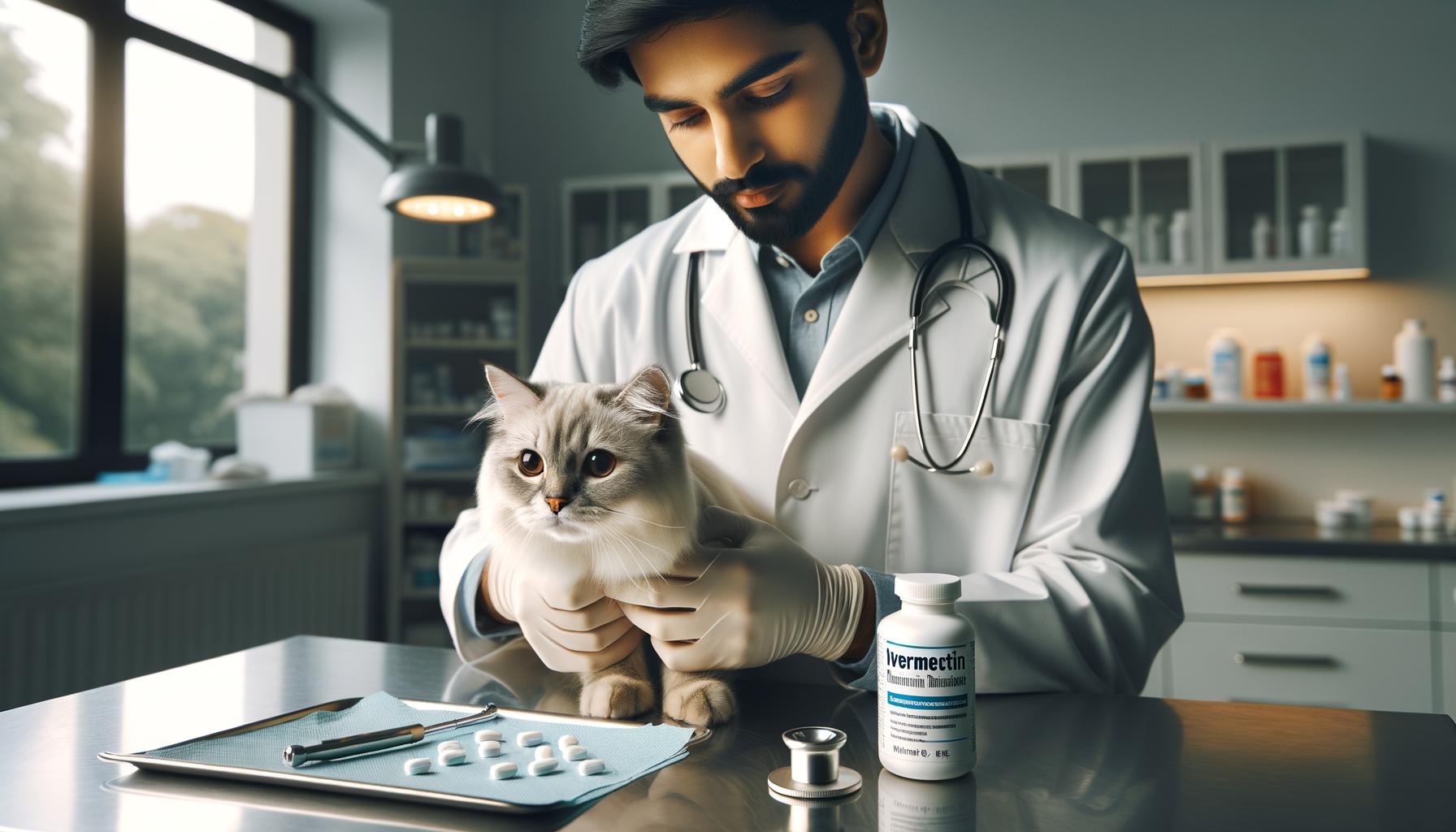
Correct Dosage Guidelines for Feline Ivermectin
Ivermectin dosing in cats demands exceptional precision because even slight deviations can lead to toxicity. Unlike some other animals, cats have a uniquely sensitive metabolism that processes ivermectin differently, making it essential to use the smallest effective dose. Veterinarians typically calculate the dose based on your cat’s exact weight, emphasizing that “a one-size-fits-all” approach can be dangerous. This sensitivity is compounded by the possibility of genetic variations that affect how the drug moves through the nervous system, underlining the importance of professional guidance.
- Dosage range: For most cats, ivermectin doses generally fall between 0.2 to 0.3 mg per kilogram of body weight. However, some conditions or breeds may require doses at the lower end to reduce risk.
- Formulation matters: Use only veterinary-approved ivermectin formulations specifically designed for cats to avoid concentration errors common in products for dogs or livestock.
- Precision tools: Employ a proper syringe or dosing device to ensure measurement accuracy rather than estimating by eye, especially given the tiny volumes involved.
Adjusting doses for special cases
Kittens, senior cats, or those with existing health concerns-especially neurological or liver issues-may require adjusted doses or alternative treatments altogether. Because ivermectin can cross into the brain and cause symptoms if it accumulates, vets often recommend starting with the lowest effective dose and closely monitoring the cat’s response. Never increase the dose without veterinary advice.
Common pitfalls to avoid
- Never self-prescribe: Even if ivermectin worked for your dog or another pet, feline dosing is different and must be prescribed by a veterinarian.
- Always weigh your cat first: Estimations risk overdosing or underdosing, which can either cause harm or reduce effectiveness.
- Clear vet communication: Ask your vet about the exact dose in milligrams and how to measure it accurately, as packaging labels may list concentrations in different units.
| Cat Weight (kg) | Approximate Dose (mg) | Notes |
|---|---|---|
| 2.5 | 0.5 – 0.75 | Common small adult dose; verify with your vet |
| 4.0 | 0.8 – 1.2 | Watch for sensitivity in this range |
| 6.0 | 1.2 – 1.8 | Upper limit for many cats; only under strict supervision |
In summary, the cornerstone of safe ivermectin use in cats is exact, individualized dosing paired with veterinary evaluation. Always keep dosing discussions open with your vet, monitor your cat after administration, and never hesitate to seek professional advice if you notice anything unusual. This approach ensures maximum benefit while minimizing potential risks.
How to Administer Ivermectin to Your Cat
Administering ivermectin to your cat requires both care and confidence, as the process involves more than just giving a pill or applying a topical solution. Cats can be sensitive to medication doses, so precise handling ensures the treatment is safe and effective while minimizing stress for both you and your pet. A calm environment combined with the right technique can turn a potentially tricky task into a manageable routine.
Before giving ivermectin, confirm the exact dose prescribed by your veterinarian. This dose often comes in a liquid form for cats and is measured using a specialized syringe or dropper to guarantee precision. Avoid using oral human syringes or guessing measurements, as small volume errors can lead to underdosing or toxicity. If your cat is particularly squirmy or anxious, having a helper to gently hold your cat can make the process smoother. Wrapping your cat in a soft towel can also help prevent scratches and keep them calm.
- Oral administration: Tilt your cat’s head slightly upward and gently insert the syringe at the side of the mouth, aiming toward the back of the throat but avoiding the windpipe. Administer the dose slowly to allow swallowing.
- Topical application: For spot-on formulations, part the fur at the base of the skull until the skin is visible. Place the prescribed amount directly on the skin. Do not massage excessively; let it absorb naturally.
- Monitor after dosing: Observe your cat quietly for at least 30 minutes to ensure there are no immediate adverse reactions such as drooling, vomiting, or excessive lethargy.
Helpful Tips to Make the Process Easier
- Stay patient: Cats are intuitive and may resist medication if they sense stress. Talk softly and reward your cat right after dosing with treats or gentle affection.
- Use distraction: Offering a favorite treat or a toy immediately after administration can associate the experience with positive outcomes.
- Keep records: Log dates, times, and doses to avoid accidental double dosing or missed treatments.
Remember, never alter the dose or method without your veterinarian’s approval. If you have any doubts or if your cat shows signs of distress during administration, reach out promptly to your vet for tailored advice. Diligent and careful administration paired with open communication creates the foundation for ivermectin’s safe and successful use in cats.
Signs of Ivermectin Overdose in Cats
Rare but serious, ivermectin overdose in cats demands immediate attention and awareness from every cat owner using this medication. Because cats are more sensitive to ivermectin than some other animals, even a slight overdose can trigger noticeable symptoms. Recognizing these early warning signs can make a crucial difference in preventing long-term harm and ensuring your feline friend’s safety.
Overdose typically affects the nervous system, as ivermectin crosses into the brain in excessive amounts, leading to neurological symptoms. Common signs include unusual lethargy, uncoordinated movements (ataxia), tremors, and drooling. You might also observe your cat experiencing dilated pupils or excessive salivation. In more severe cases, cats can show signs of blindness, seizures, or even coma. Vomiting and loss of appetite may accompany these neurological signs. Since these symptoms can escalate quickly, monitoring your cat closely after administering ivermectin is vital, especially if the dose was uncertain or accidentally increased.
Key Indicators to Watch For
- Lethargy or weakness: Noticeable drop in energy levels or reluctance to move.
- Ataxia: Stumbling, wobbling, or difficulty walking straight.
- Excessive salivation or drooling: More than usual saliva discharge.
- Tremors or muscle twitching: Uncontrolled shaking movements.
- Vision problems: Dilated pupils or apparent blindness.
- Seizures or convulsions: Sudden involuntary muscle spasms.
- Vomiting or loss of appetite: Signs of gastrointestinal distress.
If you notice any of these signs – especially in combination – contact your veterinarian immediately. Overdose may require supportive care such as intravenous fluids, medications to control seizures, or close neurological monitoring. In some cases, hospitalization could be necessary. Do not attempt to induce vomiting or treat overdose symptoms at home without veterinary guidance, as improper intervention can worsen the cat’s condition.
Understanding these overdose symptoms also reminds us why strict adherence to the prescribed dose and veterinary supervision cannot be overstated. Even well-meaning adjustments by owners can unintentionally put cats at risk due to their heightened sensitivity to ivermectin. When in doubt, always reach out to a veterinary professional for advice-early intervention can be life-saving. By staying informed and vigilant, you protect your cat while benefiting from ivermectin’s effective parasite control.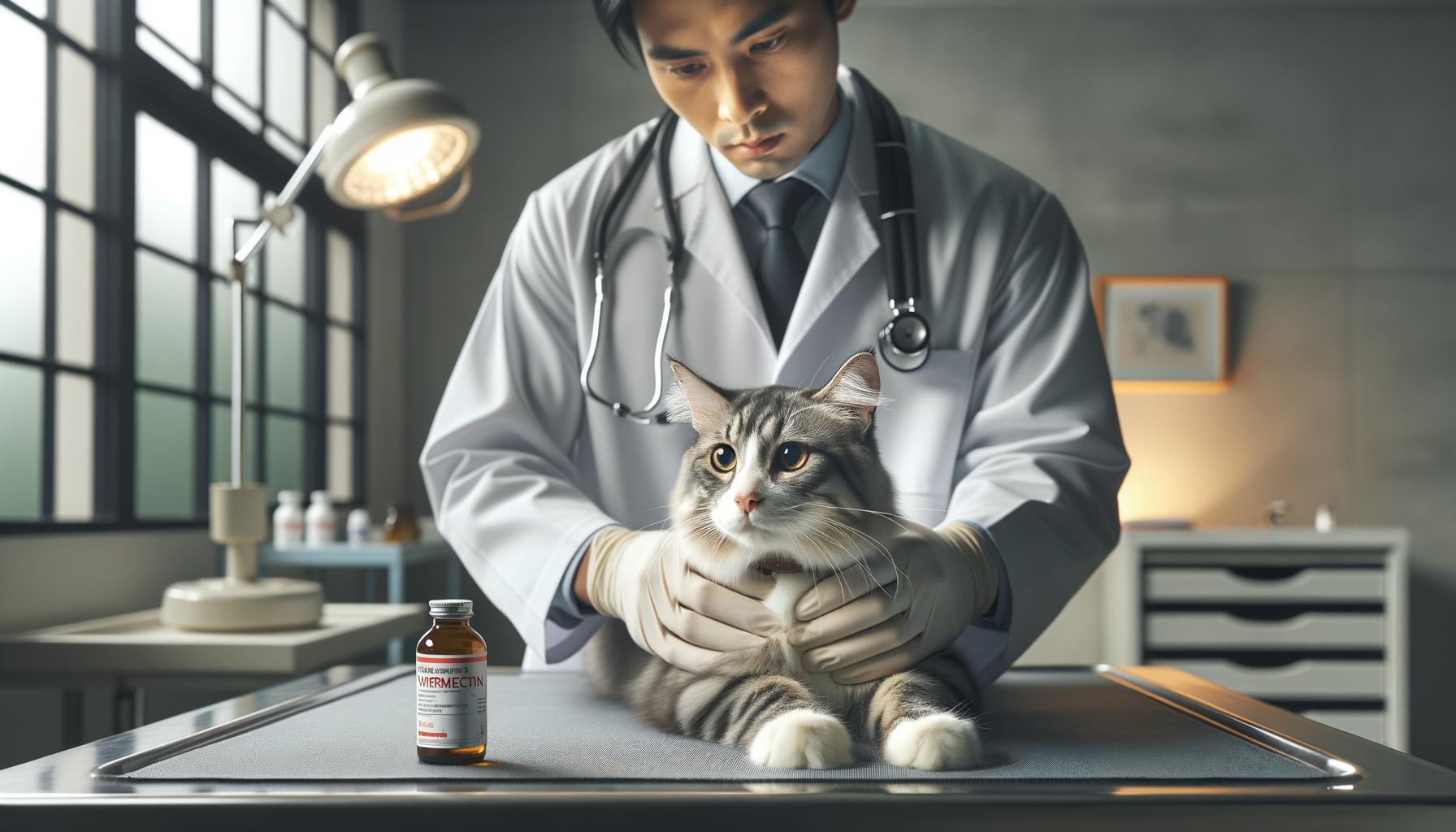
Common Uses of Ivermectin in Veterinary Medicine
Ivermectin has long been valued in veterinary medicine for its broad-spectrum activity against many internal and external parasites, making it a versatile tool in maintaining feline health. In cats, it is most commonly used to target parasites such as certain types of mites and nematodes, which can cause uncomfortable and potentially serious conditions. For instance, ivermectin is effective against *Notoedres cati*, the mange-causing mite responsible for notoedric mange, a highly contagious skin disease. Timely treatment can relieve itching, inflammation, and secondary infections, improving your cat’s comfort significantly.
Beyond mites, ivermectin is sometimes employed to treat intestinal parasites like roundworms, though its use in cats must be carefully controlled due to their heightened sensitivity to the drug compared to other species. Veterinary guidance ensures the correct dose minimizes risks while effectively clearing worm infestations. Additionally, ivermectin can play a role in heartworm prevention, particularly in areas where feline heartworm disease is a concern, though it’s not the sole preventative option available. Depending on a cat’s lifestyle-such as outdoor exposure or cohabitation with dogs-your vet may recommend ivermectin as part of a broader parasite control strategy.
Why Veterinary Oversight Matters
Ivermectin’s potency is a double-edged sword. While it can deal decisively with parasites, improper dosing or off-label use can place cats at risk of toxicity. Unlike dogs or livestock, cats absorb and metabolize ivermectin differently, which requires veterinary expertise to navigate safely. For example, products formulated for dogs can be highly toxic to cats, highlighting the necessity of using products specifically prescribed or approved for feline use. Your veterinarian will consider your cat’s weight, health status, and specific parasite risks before deciding if ivermectin is appropriate.
- Mange treatment: Resolves intense itching and hair loss caused by mites.
- Intestinal worms: Reduces worm burden to prevent nutrient malabsorption and illness.
- Heartworm prevention: Acts as part of a prevention plan, albeit one of several options.
Ultimately, ivermectin’s uses in cats underscore the need for a tailored approach based on individual health profiles and parasite exposure risks. Collaboration with your veterinarian ensures safe, effective treatment that improves your cat’s well-being without unnecessary side effects or risks. Always seek professional advice rather than attempting to self-prescribe, as alternative parasite control methods might better suit your cat’s particular needs.
Potential Side Effects of Ivermectin in Cats
Ivermectin is generally safe for cats when used correctly, but like any medication, it carries the risk of side effects, especially if dosed improperly or used without veterinary guidance. Cats are particularly sensitive to this drug because of their unique metabolism, which makes them more prone to adverse reactions compared to other animals. Understanding these potential effects can help you spot early warning signs and ensure your feline friend’s treatment is as safe as possible.
Common side effects tend to be mild and temporary, often resolving once the treatment course ends. These may include slight lethargy, decreased appetite, or minor digestive upset such as vomiting or diarrhea. Some cats might show mild skin irritation if topical formulations are used. While these symptoms are usually not serious, they should still prompt a call to your veterinarian to rule out complications or dose adjustments.
More severe reactions, though rare, can occur-especially with overdose or administration of products not intended for cats. Neurological signs are the most concerning and can include tremors, uncoordinated movements (ataxia), drooling, excessive salivation, disorientation, or even seizures. These symptoms indicate ivermectin toxicity and require immediate veterinary intervention. Certain breeds or cats with pre-existing conditions may be more vulnerable to these severe effects.
Monitoring and What to Do
- Observe behavior: Keep a close eye on your cat after treatment, noting any unusual tiredness, twitching, or changes in coordination.
- Follow dosage precisely: Never use ivermectin products intended for other species, as these carry a higher risk of overdose.
- Communicate with your vet: Report any side effects promptly. Your veterinarian can adjust dosage or suggest alternative treatments if necessary.
By partnering closely with your vet and maintaining careful observation, you can help ensure ivermectin’s benefits are realized while minimizing risks. This approach supports your cat’s comfort and health during parasite control, avoiding unintended complications from this powerful medication.
Ivermectin vs. Other Parasite Treatments for Cats
Ivermectin remains a valuable tool in controlling parasites in cats, but it’s important to recognize that it’s one option among several effective treatments. Different parasite medications vary in their spectrum of action, safety profiles, and method of application. For instance, while ivermectin targets a broad range of internal and external parasites, other treatments might be more specialized or better tolerated by certain cats, depending on their health status.
One of the key differences lies in ivermectin’s mechanism-it disrupts nerve and muscle function in parasites, which makes it potent but also raises the risk of side effects if overdosed or given to sensitive breeds. Alternatives such as selamectin (found in topical products like Revolution®) or fipronil (used for fleas and ticks) often offer safer profiles because they come in formulations specifically designed for cats and typically do not require complex dosing calculations. Unlike ivermectin, these products are usually applied topically, which can reduce stress for both cats and owners who find oral administration challenging.
- Parasite Coverage: Ivermectin is effective against a variety of parasites including certain worms and mites, but may not be the best choice against fleas or ticks, where products like fipronil or selamectin excel.
- Safety and Sensitivity: Cats metabolize drugs differently; some may tolerate topical preventives better, reducing the risk of neurological side effects sometimes seen with ivermectin.
- Administration Convenience: Ivermectin often requires careful dosing based on weight and may be given orally or by injection, while many other parasite treatments are simple spot-on applications, improving compliance.
Making the Best Choice for Your Cat
Deciding between ivermectin and other parasite treatments should always come down to your cat’s specific needs, including parasite risk profile, existing health conditions, and tolerance for medications. For example, a cat prone to ataxia or neurological issues may be better suited to a topical approach. Always consult your veterinarian before starting or switching treatments-they can recommend the safest, most effective option tailored to your feline friend.
| Medication | Common Parasites Treated | Formulation | Typical Use | Considerations |
|---|---|---|---|---|
| Ivermectin | Heartworms, mites, some worms | Oral, injectable | Internal & external parasites | Requires precise dosing; watch for toxicity |
| Selamectin | Fleas, ticks, ear mites, some worms | Topical (spot-on) | Prevention & treatment | Cat-specific formulation; convenient application |
| Fipronil | Fleas, ticks | Topical (spot-on) | External parasites | Generally safe; does not treat internal parasites |
By weighing these factors and maintaining ongoing communication with your vet, you ensure your cat receives parasite protection that is both effective and safe-not just a one-size-fits-all solution. The right choice may vary over time, depending on your pet’s age, lifestyle, and risk factors. Staying informed empowers you to make decisions that prioritize your cat’s well-being without unnecessary risks.
Expert Recommendations on Ivermectin Use
Ivermectin can be a powerful tool in managing parasites in cats, but its use requires a careful and thoughtful approach. Experts emphasize that dosing must be precise, tailored to your cat’s weight and health status, because even small miscalculations can lead to serious side effects. Unlike some topical parasite preventives, ivermectin is often administered orally or by injection, which demands greater attention to detail from cat owners and veterinarians alike.
Veterinarians recommend always starting with a thorough assessment of your cat’s overall health and any breed-specific sensitivities before deciding on ivermectin. Certain breeds and individual cats can have heightened sensitivity to the drug, especially those with underlying neurological conditions or genetic predispositions affecting drug metabolism. In these cases, alternative treatments might be safer.
- Always follow your veterinarian’s exact dosage instructions. Overdosing is a leading cause of ivermectin toxicity in cats.
- Use formulations specifically intended for cats. Avoid using ivermectin products designed for larger animals or other species, as concentrations can vary widely.
- Monitor your cat closely after administration. Early signs of intolerance might include lethargy, drooling, tremors, or loss of coordination.
- Report any unusual symptoms immediately to your vet. Prompt action can prevent progression of adverse effects.
Making Informed Choices with Professional Guidance
Experts stress that ivermectin is just one option among many, and its place in a parasite control program should be personalized. Many veterinarians combine ivermectin with other treatments or opt for alternatives such as selamectin, especially for cats with complex health profiles. Because ivermectin has a mode of action that affects parasite nerve and muscle function, it’s incredibly effective-but this potency comes with risk. Pairing this knowledge with your vet’s expertise ensures your cat receives the safest, most effective care.
A practical example: For a young, healthy cat exposed to heartworm risk, your vet might recommend ivermectin at carefully calculated doses to prevent infection. Meanwhile, in a senior cat with preexisting neurological signs, your vet might lean toward safer topical options. This tailored approach minimizes risk and maximizes benefit. Ultimately, your veterinarian is the best partner in ensuring ivermectin is used safely and effectively-never hesitate to ask questions or seek clarification about your pet’s treatment plan.
Frequently Asked Questions About Ivermectin for Cats
Ivermectin is a versatile medication, but its use in cats raises many practical questions from concerned owners. One of the most common uncertainties is about the correct dosage and how to ensure it’s safe. Because cats are sensitive to ivermectin, the dose must be precisely tailored-often based on weight and individual health. Overdosing can lead to serious side effects, so never guess or use treatments intended for other animals. Always rely on your veterinarian’s guidance to determine the right amount and frequency for your cat.
Many cat owners ask about the best methods to administer ivermectin. The medication can be given orally or by injection, depending on the condition being treated and the formulation prescribed. Oral tablets or liquids should be given carefully, ensuring your cat swallows the full dose. Injections are typically done by a vet or trained professional. To reduce stress and avoid errors, some owners find it helpful to use pill pockets or engage their cat in gentle restraint during administration-always making sure to reward them afterward to build positive associations.
Questions often arise about potential side effects and what symptoms warrant immediate veterinary attention. Mild reactions sometimes include temporary lethargy or drooling, but more serious signs like tremors, loss of coordination, or unusual behavior may indicate toxicity. If you observe any of these symptoms after ivermectin treatment, contact your veterinarian without delay. Quick intervention can prevent complications and guide supportive care.
- Can ivermectin be given with other medications? Always inform your vet about all medications your cat is taking, as interactions may occur, especially with other drugs affecting the nervous system.
- Is ivermectin safe for kittens? Younger cats can be more sensitive. Your vet will advise if treatment is appropriate based on age and health.
- How does ivermectin compare to topical parasite treatments? While very effective against specific parasites, ivermectin is systemic and requires more precision. Topicals may be safer for some cats, especially those with neurological sensitivities.
Understanding these nuances helps you advocate effectively for your cat’s health. Remember, ivermectin is just one piece of the parasite control puzzle, and your veterinarian’s expertise remains your best resource for safe use tailored to your cat’s unique needs.
What to Do If Your Cat Reacts to Ivermectin
Observing an unexpected reaction after administering ivermectin can be alarming, but knowing how to respond promptly helps protect your cat’s health. Ivermectin sensitivity varies widely among cats, especially with accidental overdosing or if your cat has genetic vulnerabilities affecting drug metabolism. If you notice signs like tremors, disorientation, excessive drooling, vomiting, or weakness, these may indicate a toxic reaction requiring urgent care.
Remain calm and isolate your cat in a quiet, comfortable space to prevent stress or injury. Avoid administering any home remedies or additional medications without veterinary approval, as this might worsen the situation. Make note of the dose given, the time of administration, and the specific symptoms your cat is displaying. This information will be critical when communicating with your veterinarian or emergency clinic.
Immediate Steps to Take
- Contact your veterinarian immediately. Early intervention can be lifesaving. Your vet may instruct you to bring your cat in or may provide guidance for emergency home care depending on the severity.
- Do not induce vomiting at home unless explicitly directed. Unlike some poisons, inducing vomiting without professional advice can cause aspiration or worsen neurological symptoms.
- Monitor your cat closely. Keep a watchful eye on breathing, responsiveness, and mobility while awaiting veterinary help.
What to Expect at the Vet
At the veterinary clinic, professionals may perform supportive treatments such as intravenous fluids to support kidney function and dilute the toxin, activated charcoal to help reduce absorption, or medications to control seizures and tremors. Since there is no specific antidote for ivermectin poisoning, treatment focuses on supportive care and managing symptoms until your cat metabolizes the drug safely.
Prevention Through Awareness
Understanding your cat’s individual sensitivity and strictly following veterinary dosage instructions will minimize risk. For instance, certain breeds or cats with preexisting neurological conditions can be more vulnerable to ivermectin side effects. Always disclose your cat’s full medical history and current medications to your vet to help prevent adverse reactions.
Prompt recognition and professional intervention are key to managing ivermectin reactions in cats effectively. Keeping emergency contacts handy and maintaining open communication with your veterinarian empowers you to act swiftly and thoughtfully if your cat ever reacts adversely.
Consulting Your Veterinarian: Best Practices
Connecting with your veterinarian before using ivermectin for your cat is one of the smartest steps you can take to ensure safety and effectiveness. Cats have unique sensitivities and metabolic differences that can influence how they process this medication. Your vet can tailor dosage and administration guidance specifically for your cat’s age, weight, health status, and any underlying conditions-particularly neurological concerns that may increase risk. Open communication also allows your vet to consider any previous medications or treatments your cat is on, preventing harmful drug interactions.
When discussing ivermectin use, don’t hesitate to share comprehensive details about your cat’s lifestyle and environment. For example, if your cat roams outdoors or encounters other animals treated with parasiticides, this information helps your vet assess exposure risk and design a holistic parasite control plan. Bringing any questions or concerns-such as about possible side effects or what to watch for after dosing-helps build a partnership rooted in shared vigilance. Always ask for clear instructions on dosage measurements and administration techniques to avoid accidental overdosing or ineffective treatment.
Questions to Ask Your Veterinarian
- Is ivermectin safe for my cat’s specific breed or health history?
- What is the precise dosage based on my cat’s weight?
- How should I administer the medication properly?
- What signs of adverse reactions should I monitor?
- Are there alternative parasite treatments better suited to my cat?
- What steps should I take if my cat accidentally overdoses?
Vets may also advise follow-up appointments or monitoring schedules, especially for cats at higher risk of sensitivity. This allows timely detection and management of any adverse effects. Remember, even when ivermectin is prescribed, its success depends on responsible administration and informed oversight. Your veterinarian’s guidance ensures your cat’s parasite treatment is both safe and effective, emphasizing prevention and swift action if problems arise. Prioritizing professional consultation protects your cat’s well-being and empowers you as a knowledgeable guardian.
Frequently asked questions
Q: How does the absorption of ivermectin differ when administered topically versus orally in cats?
A: Ivermectin absorption varies by administration method; *oral ivermectin* is absorbed through the gastrointestinal tract offering systemic effect, while *topical application* delivers slower, localized absorption through the skin. Proper dosing adjustments are crucial based on the route to ensure *safe and effective parasite control* in cats. Consult your vet for guidance.
Q: Can ivermectin be safely combined with other parasite treatments in cats?
A: Ivermectin can sometimes be combined with certain parasite medications, but *combining treatments increases risk of side effects or toxicity*. Always consult your veterinarian before mixing ivermectin with other drugs to ensure a *safe and effective multi-parasite control strategy* tailored for your cat.
Q: What specific risks does ivermectin pose to certain cat breeds or ages?
A: Some cat breeds and very young or elderly cats may be more sensitive to ivermectin, increasing the risk of adverse reactions. Breeds with genetic mutations affecting drug metabolism or animals with preexisting health conditions should receive *veterinary assessment before treatment* to avoid toxicity.
Q: How can I recognize if my cat is experiencing a mild versus severe reaction to ivermectin?
A: Mild reactions to ivermectin often include *temporary lethargy, drooling, or mild diarrhea*, whereas severe reactions may involve *tremors, seizures, or coma*. Early recognition of symptoms and prompt veterinary care are essential to prevent serious complications following ivermectin use.
Q: Why is precise dosing important when using ivermectin for cats, and what methods ensure accuracy?
A: Precise dosing is critical because ivermectin has a *narrow safety margin* in cats. Using a veterinarian-prescribed dosage based on weight and administering with calibrated tools like syringes or oral applicators helps prevent overdosing and enhances treatment safety and efficacy.
Q: What are the best storage practices to maintain ivermectin’s effectiveness for cats?
A: Store ivermectin in a *cool, dry place away from direct sunlight and out of reach of pets*. Proper storage preserves drug potency, ensuring effective parasite treatment and minimizing the risk of administering degraded medication.
Q: How often can ivermectin treatments be safely repeated in cats for ongoing parasite prevention?
A: The frequency of ivermectin administration depends on the parasite targeted and veterinary guidance. Typically, treatments may be repeated every *4 to 6 weeks*, but only under veterinary supervision to avoid toxicity and ensure continual safe parasite control.
Q: Is it safe to use ivermectin off-label for unapproved feline parasites? What precautions should I take?
A: Off-label ivermectin use is sometimes necessary but carries *risks of inappropriate dosing and side effects*. Always consult your veterinarian beforehand to confirm safety, adjust dosing, and monitor your cat closely during and after treatment.
*For more detailed insights, refer to our article sections on safety, dosing, and veterinary recommendations to make the best-informed decisions regarding ivermectin use in cats.*
In Retrospect
Understanding safe dosing and proper application methods of ivermectin for cats is essential to protect your feline friend’s health. By following trusted guidelines and consulting your veterinarian, you can confidently manage parasite control while minimizing risks. Remember, every cat’s needs differ, so professional advice ensures the safest and most effective use of ivermectin.
If you found this guide helpful, explore our resources on feline health and parasite prevention next. Signing up for our newsletter delivers expert tips straight to your inbox, helping you stay informed about safe treatments and emerging care options. Have questions or experiences with ivermectin? Share your thoughts below to join the conversation and support our community of knowledgeable cat owners.
Safe ivermectin administration for cats requires care and informed decision-making, but with the right approach, you can protect your pet effectively. Visit related articles on dosing schedules, side effects, and alternative treatments to deepen your understanding and keep your cat healthy year-round. Your journey to responsible pet care continues here.
Get our latest guides, news, and insights highlighted in your Google Search & AI Overviews.