
Did you know that perioral dermatitis-a common, chronic skin condition causing redness and rash around the mouth-can be challenging to treat with conventional methods? Many people struggle with discomfort and the impact on their confidence. Recent studies show that topical ivermectin, a cream originally used for other skin disorders, is emerging as an effective treatment option. Ivermectin works by reducing inflammation and potential skin irritants, offering a targeted approach for managing these persistent facial rashes. If you’ve been searching for solutions beyond steroids and antibiotics, learning about ivermectin might provide valuable insight. This introduction aims to explore how ivermectin helps control perioral dermatitis, what science says about its benefits and limitations, and why consulting a dermatologist is essential before starting any new treatment. Understanding your options can empower you to make informed choices for clearer, healthier skin.
Ivermectin: What Is It and How Does It Work?
Ivermectin is a medication originally developed to combat parasitic infections, but it has gained attention in dermatology for its unique anti-inflammatory and anti-microbial properties. When applied topically, ivermectin targets skin conditions by reducing the presence of harmful microorganisms and calming the immune response that often contributes to skin irritation. This dual action makes it particularly useful for inflammatory conditions like perioral dermatitis, a stubborn facial rash affecting the skin around the mouth.
Unlike traditional antibiotics or steroids, ivermectin works by selectively inhibiting certain proteins in parasites and microbes, which disrupts their survival mechanisms. In skin care, this means it helps control the microscopic organisms that may trigger or worsen inflammation without broadly disturbing the skin’s natural flora. Its targeted approach reduces redness and bumps while minimizing the risk of side effects commonly seen with other topical treatments.
Patients often appreciate that ivermectin is generally well tolerated, with a lower chance of skin irritation compared to some creams or ointments. Its once-daily application also supports easy integration into daily skincare routines. However, as with any medication, results can vary, and it’s important to use ivermectin under medical guidance to ensure it’s appropriate for your specific skin condition and overall health.
- Mechanism of action: Antiparasitic and anti-inflammatory effects help reduce inflammation and microbial overgrowth.
- Application: Typically used topically in a cream form for targeted treatment.
- Advantages: Lower irritation risk and fewer adverse effects compared to steroids.
- Use with caution: Always consult a dermatologist before starting treatment.
This practical understanding of ivermectin empowers you to consider it as a thoughtful option among skincare treatments aimed at calming persistent facial rashes like perioral dermatitis.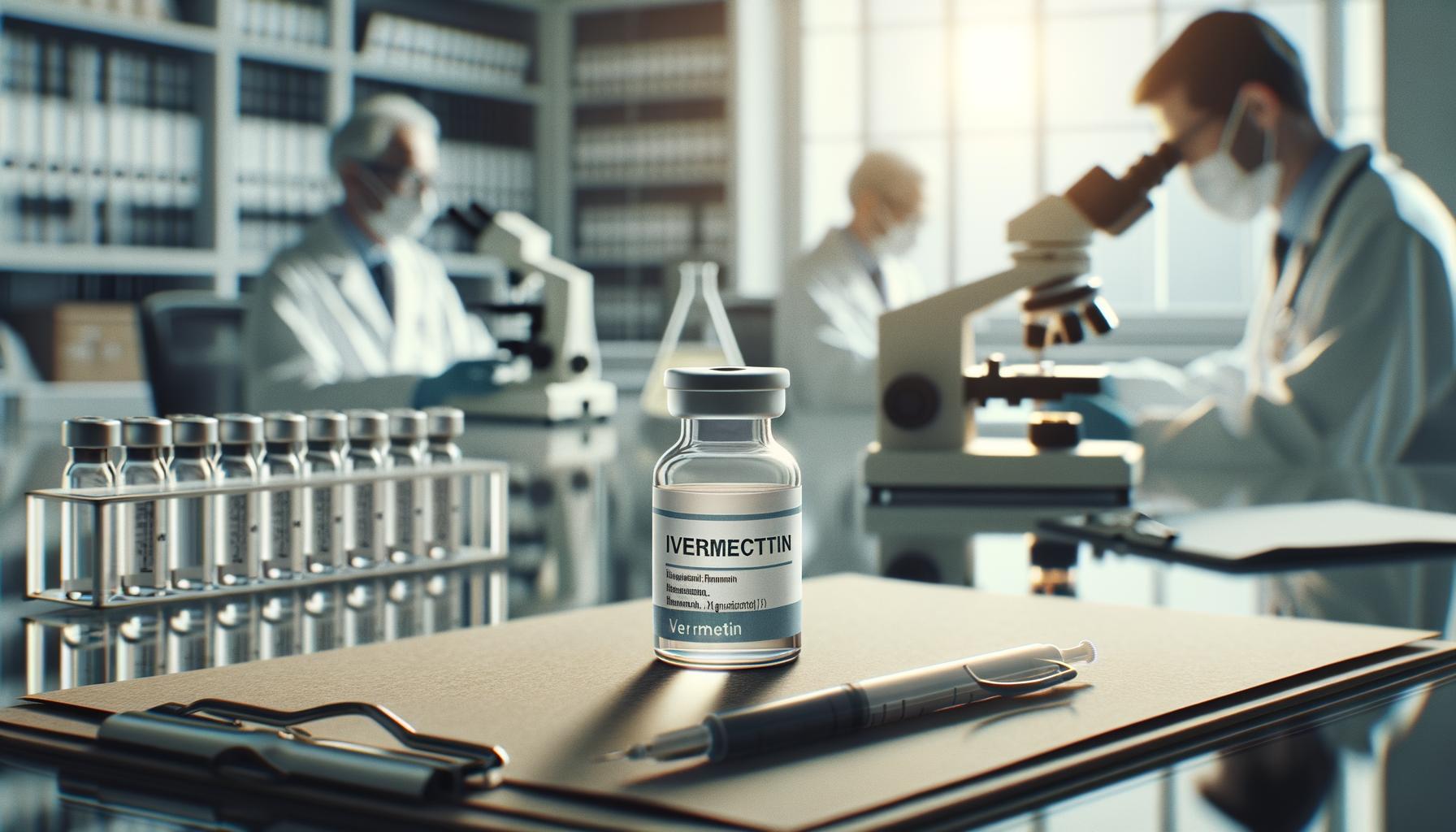
Perioral Dermatitis: Causes and Symptoms Explained
Perioral dermatitis often begins as a seemingly harmless redness or irritation around the mouth but can quickly develop into a persistent skin challenge that impacts confidence and comfort. While the exact cause isn’t fully understood, it typically arises from a combination of factors that upset the delicate balance of your skin’s barrier and immune response. It is not an allergic reaction or an infection in most cases, yet it shares similarities that often result in misdiagnosis.
Several triggers are commonly linked to the onset of perioral dermatitis. Prolonged use of topical steroids on the face is a well-known culprit, paradoxically worsening the condition instead of helping it. Other factors include the overuse of heavy skincare products, cosmetics, or fluorinated toothpaste, which may irritate the facial skin over time. Environmental influences such as humidity, heat, or changes in weather can also spark flare-ups by stressing sensitive skin. Additionally, hormonal shifts and certain microbial imbalances, particularly involving skin bacteria or tiny mites, may contribute to the inflammation and bumps associated with the rash.
Recognizing the Symptoms
Perioral dermatitis primarily shows up as red, inflamed patches or tiny pustules clustered around the mouth, often extending to the nose or eyes. It may feel rough or scaly, and some people experience burning, itching, or tightness. Unlike acne, it lacks blackheads or whiteheads and is usually confined to the perioral area – hence the name. Early detection is key because untreated, the rash can spread and become more resistant to treatment.
- Typical signs include: Small red bumps or pustules
- Common symptoms: Redness, mild itching, burning sensation
- Affected zones: Skin surrounding the mouth, sometimes the nose and eyes
Understanding these causes and symptoms equips you to identify perioral dermatitis confidently and seek appropriate care. Since various skin conditions can mimic this rash, consulting a dermatologist is crucial to confirm the diagnosis and avoid treatments that might worsen the condition, like steroids. With informed guidance, managing triggers and selecting the right treatments become straightforward steps toward clearer, calmer skin.
Exploring Ivermectin’s Role in Treating Perioral Dermatitis
Ivermectin has emerged as a notable treatment option for perioral dermatitis, offering a targeted approach that addresses some of the underlying factors contributing to this stubborn skin condition. Unlike traditional therapies that mainly suppress inflammation, ivermectin works by reducing microbial agents believed to aggravate skin inflammation, including tiny mites (Demodex) and certain bacteria. This dual action helps calm the skin and reduce the characteristic redness and pustules without the harsh effects of steroids.
Clinically, topical ivermectin cream has demonstrated effectiveness in clearing perioral dermatitis lesions with relatively low risk of skin irritation, making it a well-tolerated option for many patients. Its anti-inflammatory and antiparasitic properties allow it to break the cycle of flare-ups that often persist when using steroids or heavy topical antibiotics. Patients have reported improvements in itching, burning, and overall skin texture within weeks of consistent use, though some cases may require longer treatment periods for sustained remission.
- How ivermectin works: Targets and reduces skin mites and bacteria that can trigger inflammation.
- Topical application: Typically applied once daily to affected areas for optimal results.
- Compatibility: Can be used alone or alongside other dermatologist-recommended treatments.
It’s important to remember that ivermectin is not a universal cure; individual responses vary, and it may be less effective if underlying triggers like topical steroids or irritants continue to affect the skin. Consulting a dermatologist ensures appropriate diagnosis and treatment planning, combining ivermectin with necessary lifestyle adjustments for the best outcome. This treatment represents a valuable step forward by providing a safer, targeted therapy that aligns well with the needs of those seeking relief from persistent perioral dermatitis without risking further skin barrier damage[[1]](https://pmc.ncbi.nlm.nih.gov/articles/PMC7997069/) [[2]](https://www.penndermspecialists.com/perioral-dermatitis/).
Benefits of Using Ivermectin for Facial Rash Treatment
Many people struggle with persistent facial rashes that resist common treatments, making ivermectin a compelling alternative thanks to its unique dual action. Unlike traditional therapies that mainly reduce inflammation, ivermectin tackles both the inflammation and the underlying microbial culprits-particularly tiny mites like *Demodex*-which often play a hidden role in sustaining facial rashes such as perioral dermatitis. This targeted approach helps break the cycle of flare-ups that many experience.
One significant benefit is its gentle nature on the skin. Ivermectin cream is typically well tolerated, causing less irritation compared to stronger topical antibiotics or steroids. Patients often notice improvements in redness, bumps, and discomfort, such as itching or burning, within weeks of daily application. This can be especially encouraging for those who have faced setbacks due to sensitivities or adverse reactions to other treatments.
How Ivermectin Supports Skin Healing
- Antiparasitic effect: Ivermectin paralyzes and reduces populations of *Demodex* mites, which can trigger inflammation in sensitive skin areas.
- Anti-inflammatory properties: Beyond killing mites, it helps calm immune responses in the skin, decreasing redness and swelling.
- Improved skin barrier: By reducing irritants without harsh chemicals, it helps the skin’s natural barrier recover and stay healthy.
Another practical advantage is its convenience. With just a once-daily application, it fits easily into daily routines. It can also be combined with other treatments under a dermatologist’s guidance, tailoring therapy to individual needs without compounding irritation risks. This flexibility makes it a useful tool for managing not only perioral dermatitis but related facial rashes where microbial imbalance and inflammation play roles.
While ivermectin shows promising results, it’s important to remember that response times vary and persistence is key. Some patients may require several weeks to months for lasting remission. Consulting a dermatologist ensures the right diagnosis and helps integrate ivermectin safely into a broader skin care plan. This thoughtful, science-backed approach empowers patients to regain control over challenging facial rashes with an effective and gentle option[[1]](https://pmc.ncbi.nlm.nih.gov/articles/PMC7997069/) [[2]](https://curology.com/blog/how-ivermectin-is-used-in-skincare/).
Potential Side Effects and Risks of Ivermectin
Sometimes even the gentlest skin treatments can bring unexpected reactions, and ivermectin is no exception. While ivermectin cream for perioral dermatitis is generally well tolerated and causes fewer irritations than many traditional topical antibiotics or steroids, it’s important to be aware of potential side effects. Understanding these helps you recognize normal treatment responses and know when to seek medical advice.
Most people applying ivermectin topically experience mild side effects if any. Some common reactions include slight redness, dryness, itching, or burning sensations – often temporary and fading as the skin adjusts. These minor effects usually resolve within a few days to weeks, reflecting the skin’s response to a new active ingredient. However, if irritation worsens or persists, stopping use and consulting a dermatologist is advisable to prevent further discomfort or damage.
More rarely, some individuals may experience allergic reactions or sensitive skin flare-ups. These can present as increased redness, swelling, or rash beyond the original affected areas. If you notice any unexpected skin changes, especially hives or blistering, discontinue use immediately and get medical evaluation. Also, while systemic absorption of topical ivermectin is minimal, oral ivermectin (often used for other parasitic infections) carries broader risks like dizziness, nausea, or neurological effects in rare cases, underscoring why dermatologist guidance is key for safe use[[1]](https://www.nejm.org/doi/full/10.1056/NEJMc2114907) [[2]](https://www.healthline.com/health/drugs/ivermectin-tablet-side-effects).
Practical Tips for Minimizing Side Effects
- Patch test first: Apply a small amount of ivermectin cream to a discreet skin patch before wider use to check for sensitivity.
- Moisturize: Using a gentle moisturizer alongside helps reduce dryness and supports skin barrier healing.
- Avoid irritants: Steer clear of harsh cleansers, exfoliants, or other active treatments during the initial weeks to prevent compounding irritation.
- Follow medical advice: Use ivermectin exactly as prescribed, and never increase frequency or amount without dermatologist approval.
By staying informed and observant of your skin’s response, you can navigate treatment confidently and safely. Remember, open communication with your healthcare provider ensures any concerns about side effects are addressed promptly while maximizing the benefits of ivermectin for your facial rash.
Comparing Ivermectin with Other Treatments for Dermatitis
Perioral dermatitis treatments vary widely, but ivermectin has emerged as a noteworthy option, especially due to its unique combination of anti-inflammatory and antiparasitic properties. Unlike traditional antibiotics or corticosteroids, which target bacteria or reduce inflammation respectively, ivermectin directly addresses microscopic skin parasites and mites that may contribute to the condition. This mechanism can offer relief where other treatments sometimes struggle, especially for those with persistent or recurrent symptoms.
Topical antibiotics like metronidazole or erythromycin have long been used, but they sometimes cause skin dryness or resistance with prolonged use. Steroids, while effective at quickly calming inflammation, may worsen perioral dermatitis over time and are generally not recommended. In contrast, ivermectin’s gentle profile means it tends to cause fewer irritations and has a lower risk of rebound flares after discontinuation. This makes it a valuable complement or alternative for patients looking for a more sustainable approach.
Practical Considerations When Choosing a Treatment
- Tolerability: Ivermectin cream is often better tolerated by sensitive skin compared to antibiotics or steroids.
- Effectiveness: Studies have shown significant clearance rates with ivermectin, sometimes within weeks, highlighting its potency.
- Side effects: Ivermectin’s side effects are usually mild and temporary, like slight redness or dryness, whereas steroids can cause skin thinning or worsening dermatitis.
- Resistance and relapse: Antibiotics can lose effectiveness if resistance develops, and steroids risk rebound flares; ivermectin may reduce these concerns due to its unique action.
While ivermectin shines in many aspects, it’s important to remember no single treatment fits all. Some patients respond better to other topical agents or oral therapies depending on their skin type and disease severity. Combining treatments under dermatologic supervision often yields the best results. Always consult a healthcare professional to tailor therapy safely and effectively.
| Treatment Type | Main Benefits | Common Limitations |
|---|---|---|
| Ivermectin (topical) | Targets mites and inflammation; well tolerated; low irritation risk | May cause mild dryness or redness initially; prescription needed |
| Topical Antibiotics | Reduces bacterial colonization; widely studied | Possible antibiotic resistance; can dry skin; slower results |
| Topical Steroids | Rapid anti-inflammatory effect | Risk of skin thinning; rebound flare; not recommended for long term |
| Oral Antibiotics | For severe or widespread cases; systemic effect | Side effects; antibiotic resistance; monitoring needed |
In summary, ivermectin stands out by offering an effective option with fewer drawbacks compared to traditional treatments. Its ability to target underlying factors distinct from bacteria or inflammation alone provides a valuable edge. By weighing benefits against risks and consulting a dermatologist, individuals can make informed choices tailored to their unique skin needs[[1]](https://pmc.ncbi.nlm.nih.gov/articles/PMC7997069/) [[3]](https://www.jaad.org/article/S0190-9622(16)31009-X/fulltext).
How to Use Ivermectin Safely and Effectively
The effectiveness of ivermectin depends largely on proper application, which is straightforward but demands consistency and care. This topical cream is usually prescribed to be applied once daily, covering the affected areas with a thin layer. Using more than the recommended amount won’t speed healing and may increase irritation. Gently cleansing the skin with a mild, non-irritating cleanser before applying ivermectin helps ensure better absorption while avoiding worsening symptoms due to harsh soaps or scrubs.
Ivermectin’s mode of action targets microscopic skin parasites and inflammation, so patience is crucial-the cream may take several weeks to show noticeable improvement. During the first days of use, some mild redness or dryness can occur; this is typically temporary and tends to diminish as the skin adjusts. If irritation worsens or persists, stopping treatment and consulting a healthcare professional is advised.
Practical Tips for Safe and Effective Use
- Follow your prescription: Use the cream exactly as directed by your dermatologist or healthcare provider. Avoid self-adjusting frequency or dose.
- Avoid combining with steroids: Topical steroids can aggravate perioral dermatitis and reduce ivermectin’s effectiveness, so do not apply corticosteroids alongside without medical advice.
- Moisturize gently: If dryness occurs, using a fragrance-free, non-comedogenic moisturizer can help reduce irritation without interfering with the treatment.
- Protect your skin: Daily use of a gentle sunscreen supports skin healing as treated skin can be more sensitive to UV exposure.
When to Reach Out for Medical Guidance
If symptoms persist beyond 8 to 12 weeks of consistent use or worsen, consult your dermatologist. Sometimes, adjustments or complementary treatments are necessary based on your skin’s response. Never hesitate to seek advice if you experience unusual swelling, rash spreading, or signs of allergy.
Applying ivermectin as part of a targeted skincare routine, under professional supervision, optimizes outcomes while minimizing risks. This balanced approach empowers you to tackle perioral dermatitis effectively and with confidence.
Expectations: What Results to Anticipate with Ivermectin
Many people notice that improvement with ivermectin treatment for perioral dermatitis isn’t immediate-it often requires patience. This cream works by reducing inflammation and targeting microscopic skin irritants, so visible results typically appear gradually over several weeks. Generally, a noticeable reduction in redness, bumps, and irritation can be expected within 4 to 8 weeks of consistent, daily application. However, the timeline can vary based on individual skin type, severity of the rash, and adherence to the treatment regimen.
During the initial phase, mild skin reactions like dryness or slight redness might occur. These are normal as the skin adjusts, not signs that the treatment is failing. For some, symptoms may temporarily flare before improving-this is sometimes called a “healing crisis” and signals that the medication is triggering a response against the underlying inflammation. If these sensations persist beyond a couple of weeks or worsen significantly, consulting a dermatologist is essential to reassess the approach.
What You Can Expect During Treatment
- Gradual fading of visible lesions: Papules and pustules generally shrink, and skin texture evens out.
- Reduced redness and irritation: Inflammation calms down as ivermectin’s anti-inflammatory effects take hold.
- Improvement in symptoms: Burning, itching, and discomfort tend to decrease over time.
- Possible mild initial dryness: Moisturizing helps manage this without interrupting treatment.
It’s important not to expect overnight results or assume the medication isn’t working if quick changes aren’t seen. Perioral dermatitis can be stubborn and influenced by many triggers, so ivermectin’s power lies in steady, consistent use. Regular follow-ups with your healthcare provider help tailor the plan if progress stalls, and combining ivermectin with supportive skincare and lifestyle adjustments can enhance results.
Remember, while ivermectin is effective for many, it’s not a guaranteed cure for every case. Some individuals may need additional treatments or longer duration to achieve clear skin. Staying informed, communicating openly with your dermatologist, and maintaining realistic expectations set the stage for the best experience and outcome.
Long-Term Management of Perioral Dermatitis
Perioral dermatitis can be a persistent condition, and even after visible symptoms improve, maintaining clear skin requires ongoing attention. Successful long-term management revolves around preventing flare-ups by integrating consistent skincare habits with mindful lifestyle choices. Many patients find that the strategies which helped resolve their rash continue to play a crucial role in keeping it at bay.
A cornerstone of lasting control is the cautious use of topical medications like ivermectin under medical guidance. While ivermectin effectively reduces inflammation and irritation, its prolonged use should be balanced to avoid potential skin sensitivity or resistance. Often, dermatologists recommend tapering treatment gradually once the skin improves, transitioning to maintenance with gentle cleansers and moisture-balancing creams. Regular follow-up appointments help monitor skin health and address any early signs of recurrence promptly.
Key Practices for Sustained Skin Health
- Gentle skin care routine: Opt for fragrance-free, non-comedogenic cleansers and moisturizers to minimize irritation.
- Avoid triggers: Common culprits include topical steroids, heavy cosmetics, and fluoride-containing toothpaste.
- Sun protection: Use broad-spectrum sunscreens suitable for sensitive skin, as UV exposure can worsen inflammation.
- Stress management: Since stress can exacerbate skin conditions, incorporating relaxation techniques may help reduce flare-ups.
- Monitor skincare products: Introduce new products gradually and discontinue any that cause redness or discomfort.
Patients sometimes discover that seasonal changes or hormonal fluctuations prompt minor recurrences, which can often be controlled with brief, targeted use of ivermectin or alternative therapies prescribed by a dermatologist. Importantly, long-term success is rarely about finding a one-time cure but rather about developing a personalized approach informed by clinical advice and self-awareness.
By embracing a proactive mindset and recognizing that perioral dermatitis is manageable rather than spontaneously curable, many individuals regain confidence and comfort in their skin. Ongoing education, patience, and open communication with healthcare providers remain vital components to navigating the condition’s ups and downs over time.
Lifestyle Changes to Support Skin Health
Your skin’s environment plays a pivotal role in managing perioral dermatitis and supporting the effectiveness of treatments like ivermectin. Small adjustments in daily habits can create a protective barrier that reduces irritation and helps maintain skin balance. For instance, choosing skincare and hygiene products formulated for sensitive skin-that are free from harsh chemicals, fragrances, and heavy oils-can prevent aggravation and keep flare-ups at bay. Many people overlook how ingredients in common items like toothpaste or facial cleansers might worsen their condition, so reading labels carefully pays off.
Practical Tips to Foster Healthy Skin
- Use gentle cleansing routines: Wash your face twice daily with a mild, non-soap cleanser. Avoid scrubbing or using abrasive cloths, as this can damage the skin barrier and trigger inflammation.
- Choose non-comedogenic moisturizers: Hydration is essential, but oily or occlusive products might clog pores and worsen symptoms. Lightweight, fragrance-free formulations help maintain moisture without irritation.
- Limit exposure to known irritants: Many with perioral dermatitis find that fluoride-containing toothpaste, heavy makeup, or topical steroids exacerbate their rash. Switching to alternative products or eliminating unnecessary applications often yields noticeable improvement.
- Protect your skin from sun damage: Ultraviolet (UV) light can aggravate inflammation and complicate healing. Use broad-spectrum sunscreens designed for sensitive skin, and incorporate physical protection such as hats or shade when possible.
- Manage stress proactively: Emotional stress is linked to skin flare-ups by disrupting immune responses. Mindfulness practices, regular exercise, and adequate rest may reduce the frequency and severity of outbreaks.
Developing awareness of personal triggers is key. For example, some individuals experience worsened redness during hormonal shifts or seasonal changes, while others notice reactions after trying new cosmetic products. Keeping a simple skin diary can help identify patterns, empowering you to make informed adjustments.
Ultimately, these lifestyle strategies complement medical treatments like ivermectin by creating a foundation where skin can heal and remain resilient. Regular communication with your dermatologist about your routine and any changes can ensure your approach remains safe and effective tailored to your needs. Remember, managing perioral dermatitis is a journey that combines science, self-care, and patience to achieve lasting comfort and confidence in your skin.
When to Consult a Dermatologist About Dermatitis
Skin conditions like perioral dermatitis can feel persistent and frustrating, but knowing when to seek specialized care can make all the difference in achieving lasting relief. If your symptoms worsen despite over-the-counter remedies or lifestyle adjustments, it’s wise to consult a dermatologist. Early intervention helps prevent complications and tailors treatment to your unique skin profile, especially when considering prescription options like ivermectin.
Certain warning signs signal that professional guidance is needed. For instance, if redness expands beyond the typical perioral zone, or if swelling, intense itching, or pain accompany your rash, these changes could indicate a secondary infection or an alternative diagnosis requiring medical assessment. Additionally, if you’ve previously used topical steroids, which often worsen perioral dermatitis, a dermatologist can help safely transition you to more suitable therapies without triggering rebound inflammation.
When Professional Help Is Crucial
- Persistent or worsening rash: Symptoms that don’t improve after two to four weeks of basic skin care adjustments and gentle treatments.
- Severe discomfort: Significant itching, burning, or swelling that impacts daily life or sleep.
- Uncertain diagnosis: If lesions look unusual or you suspect other conditions like eczema, rosacea, or infections.
- Repeated flare-ups: Frequent recurrences despite following recommended skincare routines and avoiding irritants.
- Concerns about treatment: Questions regarding the safety, side effects, or correct use of medications such as topical ivermectin.
A dermatologist offers more than just prescriptions – they evaluate your skin through clinical experience, sometimes supplemented by diagnostic tests, ensuring an accurate diagnosis and tailored therapy plan. This personalized approach optimizes the safe use of ivermectin, which works by targeting microscopic skin mites and reducing inflammation, but still requires correct application and monitoring.
For example, patients who began treatments on their own or misused topical steroids often experience “steroid rebound,” a worsening of their rash that demands professional care. In these cases, a dermatologist can guide gradual withdrawal from steroids while introducing ivermectin or alternative treatments.
Ultimately, entrusting your care to a knowledgeable skin specialist empowers you with confidence and clarity. Do not hesitate to reach out if your symptoms disrupt your quality of life or if you want expert advice on integrating ivermectin into your skincare regimen safely. Early engagement boosts the chances of a smoother, faster recovery from perioral dermatitis.
Key Takeaway
Consult a dermatologist promptly when your rash worsens, persists, or causes significant discomfort. Professional evaluation not only confirms the diagnosis but also customizes treatment, maximizing benefits of therapies like ivermectin while minimizing risks. Informed care is the foundation for healthy, comfortable skin.
Real Patient Experiences: Ivermectin Treatment Stories
Many individuals struggling with persistent facial redness and irritation find that topical ivermectin offers more than just temporary relief-it often marks a turning point in their skin’s healing journey. Patients frequently report noticeable improvements within a few weeks of consistent use, with reductions in inflammation, itching, and visible rash. One common theme among success stories is the importance of patience and adherence to the prescribed treatment plan. Since perioral dermatitis can be stubborn, skin may take several weeks to fully calm down.
Some patients describe the initial application phase as a period of mild irritation or dryness, which tends to subside as the medication works to reduce inflammation and target underlying factors like microscopic skin mites. This experience highlights why professional guidance is crucial: a dermatologist can advise whether to adjust application frequency or incorporate supportive skincare products to minimize discomfort.
- Consistency matters: Most users emphasize following the daily regimen without skipping doses, as irregular use can delay results.
- Complementary care: Patients often combine ivermectin with gentle cleansers and avoid topical steroids, which helps prevent flare-ups or rebound effects.
- Gradual improvements: Many note that visible changes appear steadily rather than overnight, encouraging realistic expectations.
Stories from those who transitioned from prolonged steroid use to ivermectin treatment underscore its potential to break the cycle of rebound inflammation. Users report feeling empowered by the clearer complexion and revived confidence. However, they also stress the value of open communication with their dermatologist to navigate any side effects. These firsthand experiences serve as a reminder that while ivermectin is an effective tool, it works best as part of a comprehensive, personalized approach to managing perioral dermatitis.
Practical Tips From Patients
- Apply a thin layer as directed to avoid unnecessary irritation.
- Maintain a simplified skincare routine during treatment-less is more.
- Be vigilant about sun protection, as skin may be more sensitive.
- Track progress with photos to see gradual improvements and stay motivated.
Ultimately, these real-world perspectives reinforce that while ivermectin offers promising results, patience, consistency, and professional guidance are key to harnessing its full benefits safely and effectively. Always consult with a dermatologist to tailor treatment and address any concerns along the way.
FAQ
Q: How does ivermectin help reduce inflammation in perioral dermatitis?
A: Ivermectin helps reduce inflammation in perioral dermatitis by targeting the skin’s tiny mites and calming the immune response. Its anti-inflammatory properties soothe redness and swelling, offering relief from the characteristic facial rash, making it an effective option for managing symptoms naturally and safely.
Q: Can ivermectin cream be combined with other skincare products for perioral dermatitis?
A: Yes, ivermectin cream can often be used alongside gentle skincare products like mild cleansers and non-comedogenic moisturizers. Avoid steroid creams, as they can worsen perioral dermatitis. Always consult your dermatologist to tailor a safe and effective routine that supports ivermectin treatment.
Q: How long does it typically take for ivermectin to improve perioral dermatitis symptoms?
A: Ivermectin usually shows noticeable improvement in perioral dermatitis within 4 weeks of daily topical application. However, individual responses vary, and continued use as prescribed helps maintain symptom control. Patience and consistent treatment are key to achieving clear skin.
Q: Is ivermectin safe for sensitive skin affected by perioral dermatitis?
A: Ivermectin is generally well-tolerated on sensitive skin, as it specifically targets inflammation and mites without harsh chemicals. Still, monitor for any irritation during initial use and discuss any concerns with a dermatologist for personalized advice tailored to your skin type.
Q: What precautions should be taken when discontinuing ivermectin for perioral dermatitis?
A: When stopping ivermectin, taper use gradually under medical supervision to prevent flare-ups. Maintain a soothing skincare routine and monitor your skin closely. If symptoms return, consult your dermatologist promptly to adjust your treatment plan safely.
Q: Are there any lifestyle factors that can enhance the effectiveness of ivermectin in treating perioral dermatitis?
A: Yes, reducing skin irritation by avoiding heavy makeup, fragranced products, and harsh cleansers enhances ivermectin’s effectiveness. Incorporating stress management, a balanced diet, and sun protection supports skin healing and prolongs symptom relief.
Q: Can ivermectin treat resistant or recurring cases of perioral dermatitis?
A: Ivermectin has shown success in treating resistant or recurring perioral dermatitis by targeting underlying mite-related triggers and inflammation. For stubborn cases, combining treatment with dermatologist guidance ensures the best results and helps prevent relapse.
Q: What should I do if I experience side effects from topical ivermectin during perioral dermatitis treatment?
A: If side effects like irritation or dryness occur during ivermectin treatment, reduce frequency or pause application, and use gentle moisturizers. Consult your dermatologist promptly to adjust your regimen or explore alternative therapies safely.
—
*Explore these insights alongside the main article sections for a complete understanding of ivermectin’s role in perioral dermatitis. Always seek professional advice to ensure the best care for your skin condition.*
Future Outlook
Discovering how ivermectin can effectively soothe perioral dermatitis offers a promising path to clearer, calmer skin. By targeting inflammation and underlying irritants like skin mites, this topical treatment stands out as a trusted option to help manage facial rash symptoms with precision and care. If you’re considering ivermectin, now is the perfect time to explore further and take proactive steps toward relief.
To learn more about optimizing your skin health, explore our detailed guides on related conditions like rosacea and scabies, or sign up for our newsletter to receive the latest expert insights directly. Remember, consulting a healthcare professional ensures the best personalized approach. Share your experiences or questions below-your journey could inspire others managing similar skin concerns.
Stay connected for science-backed information on perioral dermatitis treatments and beyond. Together, we can navigate the path to healthier skin with confidence and clarity.
Get our latest guides, news, and insights highlighted in your Google Search & AI Overviews.