

Did you know heartworm disease can be fatal to dogs if left untreated? Fortunately, ivermectin-a widely used, proven medication-helps prevent this dangerous parasite by targeting immature heartworms before they develop into serious threats. Understanding how ivermectin works and its role in heartworm prevention empowers you to protect your dog’s health effectively. This guide will walk you through vital facts about ivermectin’s use, benefits, and safe application, helping you make informed choices to keep your pet safe. While ivermectin is generally safe and effective, it’s important to consult your veterinarian to tailor prevention to your dog’s specific needs. Keeping your furry friend free from heartworm not only safeguards their well-being but also gives you peace of mind in your daily life together. Let’s explore how this medication plays a critical role in preventing a life-threatening condition, ensuring your dog enjoys many healthy years ahead.
Understanding Ivermectin for Heartworm Prevention
Ivermectin has revolutionized the way we protect pets from heartworm, a serious and potentially fatal parasite. This medication is widely trusted because it targets the early, microscopic stages of heartworm before they develop into adult worms that can damage the heart and lungs. By interrupting the lifecycle of heartworm larvae shortly after a mosquito bite, ivermectin prevents the infection from ever taking hold, safeguarding your pet’s health proactively.
One of the strengths of ivermectin lies in its simplicity and effectiveness as a preventive. It is typically administered monthly, which not only fits easily into pet owners’ routines but also maintains consistent protection. However, the success of ivermectin depends on timely and regular dosing. Missing doses or delaying administration can leave pets vulnerable during the critical window when heartworm larvae begin to mature. This is why following your veterinarian’s recommended schedule is so important.
Many pet owners wonder if ivermectin is safe for all animals. It is generally safe when given at the prescribed doses for heartworm prevention. Nevertheless, some dog breeds with a specific genetic mutation called MDR1 (multi-drug resistance) may be more sensitive to ivermectin at higher doses. This does not usually affect the small preventive doses used for heartworm, but if treatment requires stronger doses, genetic testing is advisable to avoid adverse effects. Consulting your vet about breed-specific risks ensures the safest approach.
- Consistency is key: Monthly administration ensures ongoing protection.
- Early intervention: Ivermectin targets immature heartworm larvae before they cause damage.
- Breed considerations: Some breeds may require additional precautions due to genetic sensitivity.
Understanding how ivermectin fits into a comprehensive heartworm prevention plan empowers you to make informed decisions that protect your pet’s health without unnecessary worry. Always consult your veterinarian for personalized advice and be mindful that prevention is far easier and safer than treatment once heartworm infection occurs. [[1]] [[2]]
How Ivermectin Works Against Heartworm
Heartworm prevention hinges on disrupting the parasite’s early lifecycle, and ivermectin excels at this precise task. Once a mosquito carrying immature heartworm larvae bites a pet, these tiny invaders begin migrating through the bloodstream, eventually reaching the lungs and heart. Ivermectin works by targeting these microscopic larvae-known as L3 and L4 stages-before they mature into adults that cause severe, often life-threatening damage to vital organs.
The drug acts on the nervous system of the larvae, causing paralysis and preventing their development. Without intervention, immature heartworms grow and multiply inside the pet’s cardiovascular system, where adult worms can block blood flow and trigger dangerous inflammation. By eradicating these early forms shortly after infection, ivermectin prevents full-blown heartworm disease from taking hold, offering a silently powerful defense that pet owners often don’t see but rely on heavily.
- Targets immature larvae: Ivermectin kills heartworm larvae within 30 days of infection, stopping adult worm formation.
- Interrupts parasite lifecycle: This early action prevents heartworms from reaching organs where they cause damage.
- Safe preventive doses: The medication is given monthly in low, steady doses to maintain continuous protection throughout the mosquito season and beyond.
Understanding why ivermectin must be administered on a strict monthly schedule is key. Missing doses can allow larvae to survive, develop, and evade treatment, increasing the risk of adult heartworm establishment. Additionally, while ivermectin is highly effective against larval stages and some reproductive aspects of adult worms, it does not eliminate mature adult heartworms already present. This underscores the importance of timely preventive use rather than relying on ivermectin as a treatment for established infections.
If your pet lives in or travels to areas with high mosquito activity, using ivermectin as part of a comprehensive prevention plan remains one of the most reliable ways to avoid the heartworm threat. Still, always seek veterinary guidance tailored to your pet’s breed, health status, and environment. This ensures that you balance effective parasite control with safety, especially for breeds sensitive to certain medications. Regular testing and consistent medication help keep ivermectin’s protective mechanism working effectively to safeguard your pet’s heart and lungs over the long term. [[1]][[2]]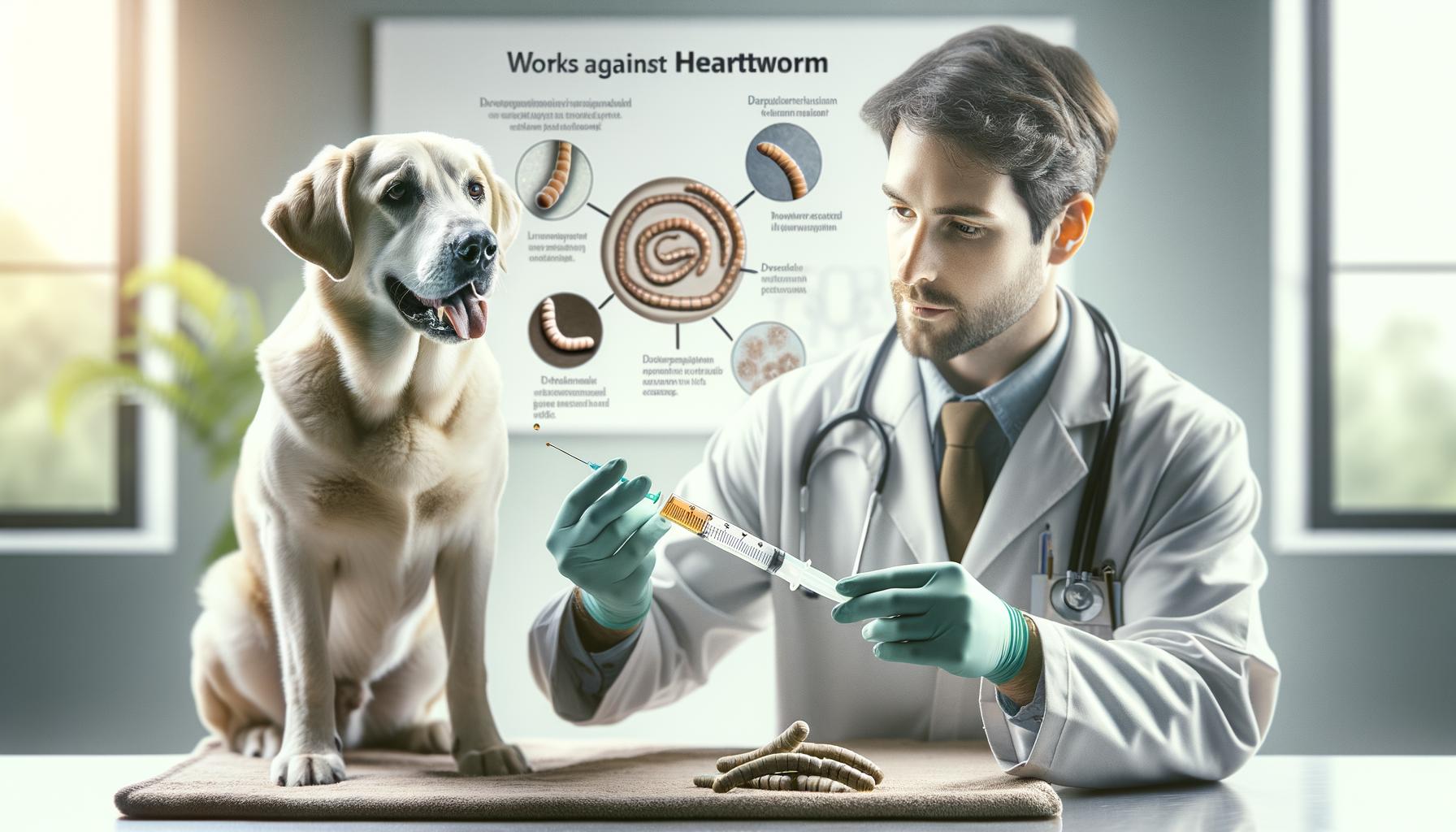
Identifying Heartworm in Pets: Symptoms and Risks
Heartworm infection often progresses silently, making early detection a challenge. Pets may show subtle signs or no symptoms at all during the initial stages, which is why pet owners must remain vigilant, especially in regions where mosquitoes thrive. The heartworms themselves reside in the heart and lungs, causing internal damage long before obvious signs appear.
As the infection advances, symptoms become more apparent and alarming. Common signs include a persistent cough, reduced energy levels, and exercise intolerance-your pet may tire quickly or refuse to play. In some cases, pets develop difficulty breathing, fainting episodes, or even a swollen abdomen due to fluid buildup caused by heart failure. These symptoms reflect serious cardiovascular and respiratory distress that demands immediate veterinary attention.
- Coughing and wheezing: Result from irritation caused by adult worms in the lungs.
- Fatigue and weakness: Indicate decreased oxygen delivery as heart function is compromised.
- Weight loss and decreased appetite: Common in later stages due to overall poor health.
- Swollen belly: May signal fluid accumulation due to congestive heart failure.
- Collapse or fainting: Occurs in severe cases from blocked blood flow.
Pets with underlying health issues or older animals face higher risks from heartworm disease. Moreover, some dog breeds may be more susceptible to severe complications. Because symptoms can mimic other illnesses like kennel cough or allergies, accurate diagnosis through veterinary testing is crucial.
Understanding the Risks
Left untreated, heartworm disease can be fatal. Adult worms clog arteries and strain the heart’s ability to pump blood efficiently. This can lead to irreversible heart and lung damage. Pets may suffer from heart failure, blood clots, or sudden death. Even with treatment, recovery can be costly and emotionally taxing.
Early recognition and prompt preventive measures offer the best chance for a healthy life. Always consult your veterinarian if you notice any unusual signs. Regular screening tests combined with consistent preventive medication-such as ivermectin-are key defenses. Awareness of symptoms and risks empowers you to act swiftly, protecting your beloved pet from this potentially life-threatening condition.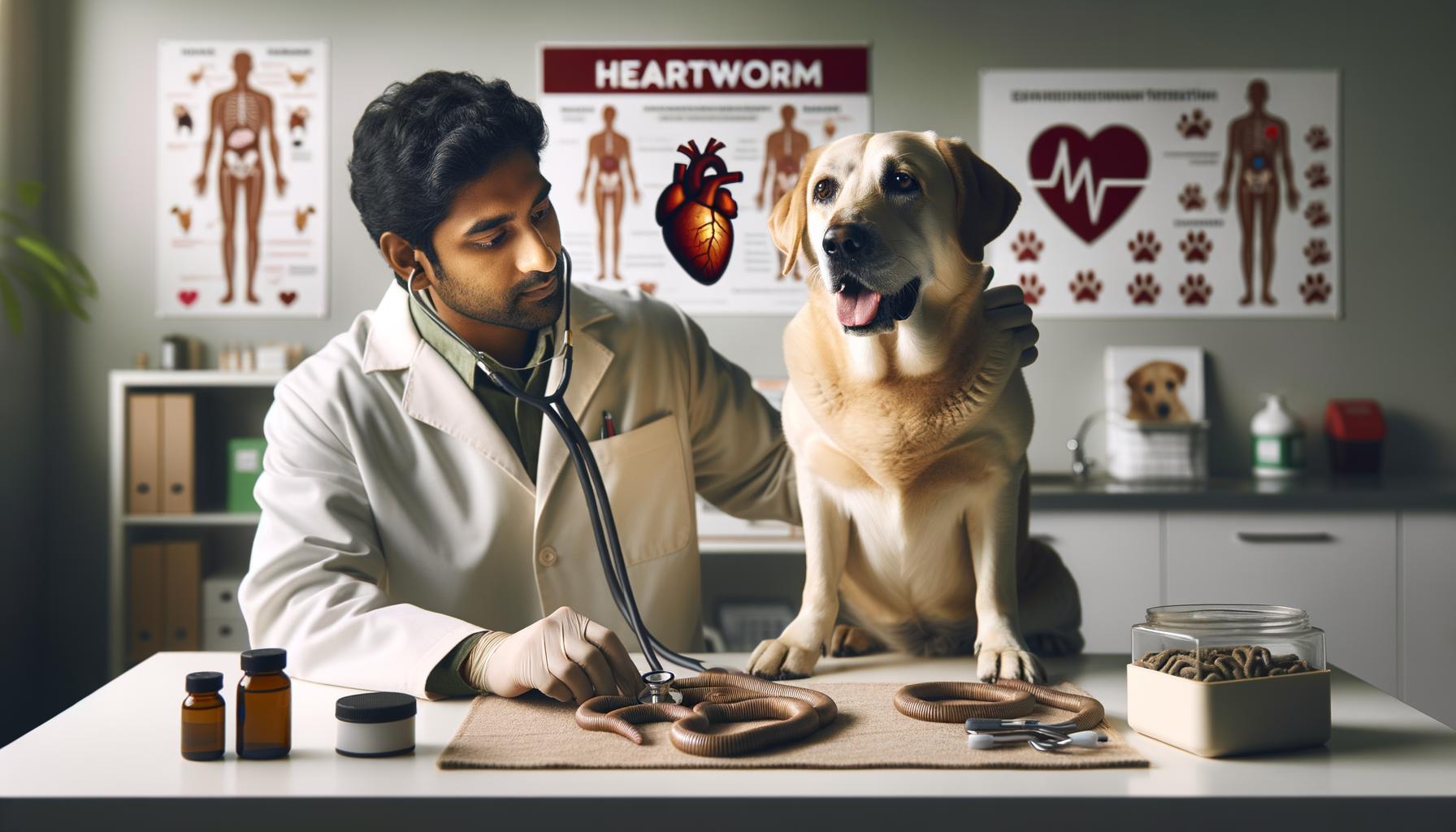
Essential Preventive Measures for Heartworm
Heartworm prevention is a vital commitment that can spare your pet from a dangerous and often costly disease. The cornerstone of prevention involves the regular administration of heartworm preventives, like ivermectin, which effectively disrupt the life cycle of heartworms before they mature and cause harm. These medications work best when given consistently every month, year-round, even in colder months or areas where mosquitoes seem scarce. Interrupting the heartworm life cycle early is crucial because once the worms reach adulthood, treatment becomes more complicated and risky.
Beyond medication, reducing your pet’s exposure to mosquito bites plays an important role. Mosquitoes are the carriers that transmit heartworm larvae, so minimizing outdoor activity during peak mosquito hours, using mosquito repellents safe for pets, and eliminating standing water around your home can significantly decrease risk. When combined, these preventative steps form a robust defense against infection.
Pragmatic Tips for Consistent Prevention
- Maintain Year-Round Medication: Administer ivermectin or other vet-recommended preventives monthly without fail. Skipping doses or seasonal breaks can leave your pet vulnerable.
- Regular Vet Checkups: Your vet will perform annual heartworm tests to confirm your pet remains uninfected and adjust prevention if needed.
- Environmental Control: Remove stagnant water where mosquitoes breed and use pet-safe insect repellents.
- Educate and Monitor: Stay informed about heartworm risks in your area and watch for early symptoms.
By weaving these strategies into your pet’s routine, you guard not only against heartworm but also safeguard their overall well-being. Prevention isn’t just about medication-it’s about consistent, informed care that keeps your companion safe all year long. Always talk to your veterinarian before starting or changing any preventive regimen to ensure it fits your pet’s specific health needs and local risks. This partnership between you and your vet is key to beating heartworm before it starts.
Safe Ivermectin Dosage for Different Pets
Ivermectin dosing requires careful attention because the right amount depends on your pet’s species, size, and sometimes breed. The margin between a therapeutic and a harmful dose can be quite narrow, especially in certain dog breeds with genetic sensitivity to ivermectin, such as Collies, Australian Shepherds, and other herding breeds that carry the MDR1 gene mutation. For these animals, standard doses can lead to serious side effects, so veterinary guidance is essential.
Generally, for heartworm prevention in dogs, ivermectin is given at a low, safe dose-around 6 micrograms per kilogram of body weight (0.006 mg/kg) once monthly. This dose is effective in preventing heartworm larvae from developing into adult worms, while minimizing the risk of toxicity. Smaller dogs might receive doses in the range of 0.05 mL per 5 pounds of body weight when using oral formulations, with the dosage scaling up carefully for heavier dogs to ensure accuracy [[1]](https://toltrazurilshop.com/getting-the-ivermectin-dose-right-for-dogs/?srsltid=AfmBOooCeNdL7hwtSV8ko3FvRCsse7_qpDbnIBAxdAalDR7dHuc07ltJ).
For cats, ivermectin is less commonly used for heartworm prevention, but when prescribed, the dosing is substantially lower, typically around 0.012 mg per pound (about 0.024 mg/kg) once monthly. Since cats are more sensitive to many medications than dogs, strict adherence to a veterinarian’s instructions is crucial to avoid side effects [[3]](https://www.petplace.com/article/drug-library/drug-library/library/ivermectin-ivomec-heartgard-for-dogs-and-cats).
Safe Dosing Guidelines for Dogs
| Weight Range | Ivermectin Dose (Oral) | Frequency |
|---|---|---|
| Up to 5 lbs | 0.05 mL | Once monthly |
| 5-15 lbs | 0.1 mL | Once monthly |
| 15-30 lbs | 0.2 mL | Once monthly |
| 30-60 lbs | 0.3 mL | Once monthly |
| 60-100 lbs | 0.4 mL | Once monthly |
These quantities are approximate and based on typical oral ivermectin concentration; always use the precise dosing prescribed by your veterinarian.
Key Safety Considerations
- Breed Sensitivity: Certain herding breeds with MDR1 gene mutations are at greater risk of ivermectin toxicity even at preventive doses.
- Other Conditions: Pets with liver disease or neurological disorders may metabolize ivermectin differently and require dose adjustments.
- Formulation Matters: Ivermectin comes in different strengths and forms. Do not substitute animal formulations intended for livestock or horses, as these can be dangerously concentrated for pets.
- Consistent Timing: Administer ivermectin monthly without interruption to maintain effective heartworm protection.
Because of these variables, the safest approach is to have your veterinarian calculate the exact dosage based on your pet’s weight, health status, and breed disposition. Never guess or adjust doses yourself, as underdosing may leave your pet unprotected and overdosing can cause neurological harm.
Following your vet’s dosing schedule precisely and monitoring your pet for any unusual symptoms will ensure ivermectin remains a reliable and safe defender against heartworm disease. When in doubt, always consult your veterinarian before starting or changing any preventive treatment regimen. This careful, informed approach upholds the health and safety of your beloved companion throughout their heartworm prevention journey [[2]](https://www.merckvetmanual.com/pharmacology/systemic-pharmacotherapeutics-of-the-integumentary-system/antiparasitic-drugs-for-integumentary-disease-in-animals).
Managing Ivermectin Side Effects in Animals
Administering ivermectin to prevent heartworm is generally safe, but knowing how to recognize and manage possible side effects is crucial to protect your pet’s well-being. Side effects can occur even at preventive doses, particularly in sensitive breeds or animals with underlying health issues. Early awareness and prompt action can make all the difference in ensuring your pet stays healthy while benefiting from this powerful medication.
Mild reactions such as itching, swelling, diarrhea, or slight lethargy are relatively uncommon but possible. These may resolve without intervention but should be monitored carefully. More serious side effects-like persistent vomiting, severe neurological signs (tremors, seizures, lack of coordination), or unusual weakness-could indicate toxicity and demand immediate veterinary attention. Because ivermectin can cross the blood-brain barrier in animals with the MDR1 gene mutation, dogs like Collies or Australian Shepherds may be at higher risk even with typical preventive doses.
Practical Tips for Monitoring and Managing Side Effects
- Observe Behavior and Physical Signs: After giving ivermectin, watch your pet for at least 24 hours for changes in appetite, activity level, or unusual behaviors.
- Keep Records: Note the dose given, timing, and any symptoms that appear; this helps your veterinarian make informed decisions.
- Safe Handling and Dosage: Never administer doses above the recommended preventive level. Avoid using formulations intended for livestock, as these are much more concentrated and risk overdose.
- Immediate Veterinary Care: If severe side effects appear, such as neurological problems or swelling of limbs or face, seek emergency veterinary care promptly.
Handling Breed Sensitivities and Special Cases
For breeds predisposed to ivermectin sensitivity, regular genetic testing for the MDR1 mutation is a valuable precaution. Your vet may recommend alternative heartworm preventives or adjust dosage cautiously. In cases of liver or neurological disease, metabolism of ivermectin may be impaired, requiring tailored treatment plans.
What to Expect from Veterinary Support
Veterinarians may recommend supportive treatments for side effects, such as fluids for dehydration or medications to control itching and nausea. In rare toxic cases, hospitalization with close monitoring may be necessary until the drug clears the system. Communication with your vet before starting ivermectin not only reduces risks but ensures rapid intervention if needed.
Managing side effects effectively turns potential risks into manageable challenges. By staying informed, observing your pet closely, and partnering with your veterinarian, you help maintain the delicate balance between preventing a serious heartworm infection and ensuring your beloved companion’s safety and comfort[[1]](https://www.drugs.com/sfx/ivermectin-side-effects.html)[[2]](https://www.healthline.com/health/drugs/ivermectin-tablet-side-effects).
Heartworm Treatment: What You Need to Know
Treating heartworm disease requires timely and carefully managed care because the condition can be severe and life-threatening if left unchecked. Unlike prevention, treating an active heartworm infection involves eliminating adult worms residing in the heart and major blood vessels, which is more complex and risk-prone. Early diagnosis greatly improves treatment outcomes, so recognizing symptoms and regular testing are crucial to give your pet the best chance for recovery.
Treatment typically revolves around a multi-step approach. First, your veterinarian may administer medications to kill adult heartworms, often using drugs such as melarsomine. This process must be done carefully to minimize the risk of complications caused by dead worms lodging in blood vessels, which can trigger serious blockages or inflammation. Throughout treatment, strict exercise restriction is vital because physical activity can increase the risk of dangerous embolisms as worms die and break apart.
Supportive Care During and After Treatment
- Medications to target juvenile heartworms: Ivermectin and similar drugs may be used concurrently or shortly after to eliminate immature worms and microfilariae, preventing reinfection and aiding overall parasite control.
- Anti-inflammatory therapies: To reduce inflammation triggered by dying worms, vets may prescribe corticosteroids or other supportive medications.
- Monitoring and follow-up testing: Regular checkups and blood tests help track progress and detect any complications early, allowing your vet to adjust care as needed.
Because treatment can take several months and may cause discomfort or side effects, owner vigilance is key. Signs such as coughing, reduced appetite, difficulty breathing, or swelling should prompt immediate veterinary attention.
Considering Your Pet’s Overall Health
Pets with underlying health issues such as heart or lung disease may require tailored treatment plans. In some cases, the risks associated with adulticide therapy might outweigh the benefits, leading your veterinarian to recommend alternative management strategies focused on controlling symptoms and improving quality of life.
Passing on heartworm treatment is not an option since leaving the infection untreated can result in fatal heart failure. However, informed discussions with your veterinarian can help set realistic goals, prepare you for the commitment involved, and ensure safe and effective care for your pet.
By understanding the complexities of heartworm treatment-including medication regimens, activity restrictions, and careful monitoring-you play an active role in helping your furry friend recover and avoid potentially devastating complications. Always consult your veterinarian promptly if you suspect heartworm or observe troubling symptoms to maximize success in managing this challenging condition[[1]](https://www.thesprucepets.com/treating-heartworm-disease-with-ivermectin-5208064)[[2]](https://vcahospitals.com/know-your-pet/ivermectin).
Alternative Heartworm Prevention Methods
Heartworm prevention doesn’t rely solely on pharmaceutical solutions like ivermectin. For many pet owners, especially those seeking a holistic approach or managing pets with sensitivities, exploring alternative methods can provide additional layers of protection. These natural or complementary strategies focus on supporting your pet’s overall health and reducing the chances of infection by interrupting the mosquito-to-pet transmission cycle-the primary route for heartworms.
A strong immune system can be your pet’s first line of defense. Diet plays a crucial role here: feeding a balanced, nutrient-rich diet helps pets maintain resilience against various parasites, including heartworms. Some herbal supplements and natural remedies claim to discourage mosquitoes or create an internal environment less favorable to larvae development. Ingredients like garlic, neem, or diatomaceous earth have been used anecdotally but should be approached with caution and under veterinary guidance, as their effectiveness and safety are not universally established.
Environmental and Behavioral Strategies
- Reduce mosquito exposure: Mosquitoes are attracted to standing water, so eliminating puddles and ensuring good outdoor drainage drastically lowers risk.
- Limit outdoor activity during peak mosquito hours: Dawn and dusk are the most active times for mosquitoes, so keeping pets indoors can help prevent bites.
- Use mosquito repellents safely: Some natural repellents, such as citronella or certain essential oil blends, may offer limited protection but always confirm their safety for pets, as many can be toxic if used improperly.
Considerations When Using Alternative Methods
While natural prevention methods can complement traditional medication, they should never replace vet-prescribed heartworm preventives unless under strict professional supervision. Continuous heartworm testing remains essential to catch any early infections, especially if relying partly or wholly on alternative approaches.
Many herbal or natural products lack rigorous clinical trials confirming their reliability. This doesn’t mean they’re ineffective but highlights the importance of an informed, cautious approach. Discuss any complementary therapies with your veterinarian to ensure they fit your pet’s health profile and won’t interfere with other treatments.
By combining environmental control, nutritional support, and regular veterinary oversight, pet owners can tailor a more comprehensive heartworm prevention plan. This balanced strategy honors the benefits of ivermectin and other approved preventives while addressing individual pet needs and owner preferences with a holistic mindset.[1][2]
The Importance of Regular Heartworm Testing
Heartworm infection can develop silently, often without obvious symptoms until the disease has progressed significantly. This is why routine testing is absolutely crucial, even for pets on preventive medication like ivermectin. Early detection through regular screening allows for prompt intervention, greatly increasing the chances of successful treatment while minimizing health risks and costly complications.
Heartworm tests usually check for antigens-proteins released by adult female heartworms-or antibodies indicating exposure. These blood tests are quick and minimally invasive but provide vital information about your pet’s heart health[[1]](https://www.avma.org/resources-tools/pet-owners/petcare/heartworm-disease). Given that heartworms require months to mature within the host, testing helps identify infections that might otherwise go unnoticed during early stages, before clinical signs appear.
When and How Often Should Testing Occur?
- Initial test: Before starting any preventive treatment, baseline testing confirms your pet is currently free of heartworm infection.
- Annual testing: Even pets on consistent preventive medication should be tested yearly to ensure the medication is effective and no infection has developed.
- Post-treatment monitoring: Pets undergoing heartworm therapy require follow-up tests to track progress and confirm the infection’s resolution.
Understanding Testing Limitations and Why Veterinary Guidance Matters
No single test can guarantee 100% accuracy in all cases, particularly in early or low-level infections. False negatives may occur shortly after infection, emphasizing why testing must be part of a comprehensive prevention strategy that includes continuous protection with ivermectin or other veterinarian-prescribed preventives[[2]](https://www.ksvdl.org/resources/news/diagnostic_insights/january2017/canine.html). Veterinarians interpret test results within the context of your pet’s health history, risk factors, and local heartworm prevalence, tailoring advice accordingly.
Regular testing also serves as an educational touchpoint for pet owners to discuss concerns, update preventive approaches, and adjust care plans. Proactive communication with your vet ensures your pet’s heartworm prevention remains effective despite changes in environment or health status.
By making heartworm testing a consistent habit, you empower yourself to detect infections early, avoid severe complications, and provide your pet with the best chance of long-term health. It’s a simple step that can save lives.
Ivermectin Myths: Separating Fact from Fiction
Many pet owners hear about ivermectin and assume it’s a cure-all, but understanding its proper use prevents costly mistakes and potential harm. Ivermectin is a powerful medication specifically effective against heartworm larvae in pets, acting as a preventive rather than a treatment for adult heartworms. However, myths that exaggerate its capabilities or misuse it without veterinary guidance can put pets at risk. Separating fact from fiction helps owners make informed, safe decisions for their animals.
One common misconception is that ivermectin alone can treat all stages of heartworm infection. In reality, it targets the immature larvae before they develop into adult worms. Once heartworms mature, more complex treatments are necessary, often involving multiple medications and veterinary supervision. Using ivermectin as a “fix-all” after infection can delay appropriate care and worsen health outcomes. Always consider ivermectin as part of a comprehensive prevention plan recommended by your vet.
Another myth involves dosing. Some believe giving higher than recommended doses of ivermectin will offer extra protection or treat other parasites simultaneously. This can be dangerous, as overdose risks include neurological symptoms in sensitive breeds like Collies. Following your veterinarian’s prescribed dosage is critical to ensure safety and effectiveness. Never adjust or combine treatments without professional advice.
Common Ivermectin Myths and Facts
- Myth: Ivermectin treats adult heartworm infections.
Fact: It only prevents heartworm larvae from maturing, not adult worms. - Myth: More ivermectin equals better protection.
Fact: Overdosing is harmful and offers no added benefit. - Myth: Ivermectin is safe to give to all pets without a vet’s approval.
Fact: Species, breed sensitivities, and health conditions affect safety-veterinary guidance is essential.
Being proactive means consulting your vet regularly and understanding the scope of ivermectin’s role in heartworm prevention. This not only protects your pet’s health but also helps avoid costly errors and misinformation. When armed with knowledge, you can confidently safeguard your furry friend from this life-threatening condition.
Consulting Your Vet: When and Why It Matters
Ivermectin is a powerful tool in preventing heartworm disease, but its effectiveness and safety hinge on proper administration under veterinary guidance. Your veterinarian plays a critical role in tailoring heartworm prevention plans based on your pet’s unique health profile, breed sensitivities, and lifestyle. For example, certain breeds like Collies and other herding dogs can have a genetic mutation called MDR1, which affects how they tolerate ivermectin. Without veterinary insight and, possibly, genetic testing, giving ivermectin to these pets could lead to harmful side effects even at standard doses.
Regular veterinary consultations also ensure timely heartworm testing, which is essential because ivermectin prevents new infections but does not kill adult heartworms. Your vet can recommend the right tests and interpret the results to catch infections early or confirm your pet’s heartworm-free status. This step is crucial since untreated adult heartworm infections require complex treatments that ivermectin alone cannot provide.
When working with your veterinarian, be open about any other medications or supplements your pet is taking. Some drugs can interact with ivermectin and increase side effects, especially neurological ones. Adjusting dosage or changing prevention strategies without professional advice can risk your pet’s health. Trust your vet to update and adapt your pet’s preventive care, ensuring safe and effective protection year-round.
Tips for a smooth vet partnership:
- Schedule heartworm tests as recommended, usually annually.
- Discuss breed-specific risks and ask about genetic testing if your dog belongs to sensitive breeds.
- Never change ivermectin doses or combine it with other treatments without vet approval.
- Report any unusual behavior or side effects promptly for veterinary evaluation.
Your veterinarian is your best ally in navigating heartworm prevention safely, turning complex medical information into clear, personalized care for your beloved pet.
FAQ
Q: How does ivermectin resistance affect heartworm prevention in dogs?
A: Ivermectin resistance occurs when heartworm larvae survive despite medication, reducing prevention effectiveness. To combat resistance, consult your vet for updated treatments, maintain regular testing, and consider combination preventatives. Staying informed helps ensure continuous protection against this life-threatening parasite.Q: Can ivermectin be safely used with other medications for heartworm prevention?
A: Ivermectin can interact with certain drugs, increasing side effects risk. Always inform your veterinarian about all medications your pet takes. They will adjust dosages or suggest alternatives to ensure safe, effective heartworm prevention without harmful interactions.
Q: What breeds are more sensitive to ivermectin, and how is this managed?
A: Some dog breeds, especially herding types like Collies, carry the MDR1 gene mutation making them sensitive to ivermectin. Vets may recommend genetic testing and careful dose monitoring to prevent toxicity, ensuring safe heartworm prevention tailored to your pet’s genetic profile.
Q: Why is consistent ivermectin administration crucial for heartworm prevention?
A: Consistent monthly ivermectin dosing kills immature heartworm larvae before they mature. Missing doses risks infection and severe health issues. Set reminders to maintain a strict preventative schedule and consult your vet immediately if a dose is missed for proper guidance.
Q: How soon after mosquito exposure does ivermectin begin to prevent heartworm infection?
A: Ivermectin targets early larval stages within 30 days after a mosquito bite. Starting prevention before peak mosquito season and maintaining monthly doses ensures effective early intervention, blocking heartworm development before it becomes life-threatening.
Q: What are the signs of ivermectin overdose in pets, and what should owners do?
A: Symptoms of ivermectin overdose include dilated pupils, excessive drooling, weakness, and seizures. If these occur, seek immediate veterinary care. Early intervention improves outcomes, emphasizing why proper dosing and vet consultation are critical for safe prevention.
Q: How does skipping heartworm testing impact ivermectin’s effectiveness?
A: Skipping testing lets heartworm infections go unnoticed before symptoms appear. Using ivermectin without confirming your pet’s status can be unsafe if infection is present. Regular testing ensures safe, targeted prevention and timely treatment when necessary.
Q: Are there environmental or lifestyle factors that influence the need for ivermectin heartworm prevention?
A: Yes, pets in mosquito-prone areas or outdoor environments have a higher heartworm risk and require strict ivermectin use. Indoor pets in low-risk zones may have different needs-discuss lifestyle factors with your vet to tailor a personalized prevention plan.
Feel free to explore these topics deeper in your prevention journey and always consult your veterinarian for personalized advice tailored to your pet’s health.
Closing Remarks
Preventing heartworm disease with ivermectin is a critical step in safeguarding your dog’s health. This guide has highlighted how timely, weight-based dosing of ivermectin can effectively reduce the risk of life-threatening infections. Remember, while ivermectin is a powerful preventive, regular veterinary check-ups and comprehensive parasite control remain essential for your pet’s well-being.
If you’re ready to take action, explore our additional resources on parasite prevention plans, detailed dosing guides, and signs of heartworm infection. Staying informed and proactive helps ensure your dog stays protected year-round. Don’t hesitate to consult your veterinarian to tailor the most effective treatment and prevention strategy. For more insights, helpful tools, and expert advice on heartworm and other common canine health issues, keep browsing and join our community by signing up for our newsletter.
Have questions or experiences to share? Leave a comment below or share this guide with fellow dog lovers. Together, we can promote healthier, happier pets through smarter parasite prevention with ivermectin and beyond.
Get our latest guides, news, and insights highlighted in your Google Search & AI Overviews.


