
Did you know that a topical cream originally derived from a medication used for parasites can effectively treat certain skin conditions? Ivermectin ointment is a prescription topical treatment primarily used to reduce inflammatory lesions associated with rosacea, a common skin condition that can cause persistent redness and bumps. For many, managing rosacea isn’t just about appearance; it’s about comfort and confidence. Ivermectin works by targeting skin inflammation with an antibiotic-free approach, offering a treatment option backed by robust clinical trials. While it may cause mild, temporary side effects like skin irritation or dryness for a small number of users, it provides a valuable option alongside other therapies. Understanding how to properly apply ivermectin ointment and what to expect can empower you to make informed decisions about your skin health. If you’re seeking effective, science-backed solutions to improve your skin, exploring ivermectin ointment could be a meaningful step-always in consultation with your healthcare provider. This introduction will guide you through the essentials of ivermectin ointment, its uses, benefits, and considerations, setting the stage for confident, knowledgeable skin care choices.
Understanding Ivermectin: What It Is and How It Works
Ivermectin, originally known as an oral medication for parasitic infections, has found a valuable role in dermatology through its topical form. When applied as a 1% cream, ivermectin works primarily by targeting microscopic skin mites called *Demodex*, which are often linked to inflammatory skin conditions like rosacea. By reducing the population of these mites, ivermectin helps calm inflammation and improve skin appearance. This dual action-combining anti-parasitic and anti-inflammatory properties-makes it distinct from many other topical treatments that only address inflammation.
Unlike systemic treatments that circulate throughout the body, topical ivermectin delivers its effects directly to the skin surface where the pathology occurs. This localized action tends to minimize systemic side effects and makes it suitable for long-term use under medical supervision. Additionally, ivermectin’s mechanism involves interfering with the nervous system of the mites, effectively silencing the triggers for redness, swelling, and pustules without harsh antibiotics or steroids.
- Anti-parasitic action: Targets *Demodex* mites implicated in skin inflammation.
- Anti-inflammatory effects: Reduces immune system overreaction in affected skin areas.
- Topical delivery: Limits systemic exposure while improving patient tolerability.
Understanding this combination clarifies why ivermectin is a preferred option for conditions like papulopustular rosacea and certain inflammatory skin lesions. However, its benefits unfold gradually-improved skin texture and reduced lesions often require consistent use over several weeks. Patients should view ivermectin cream as part of a holistic skin care routine rather than a quick fix, ideally complementing advice from dermatologists or healthcare providers.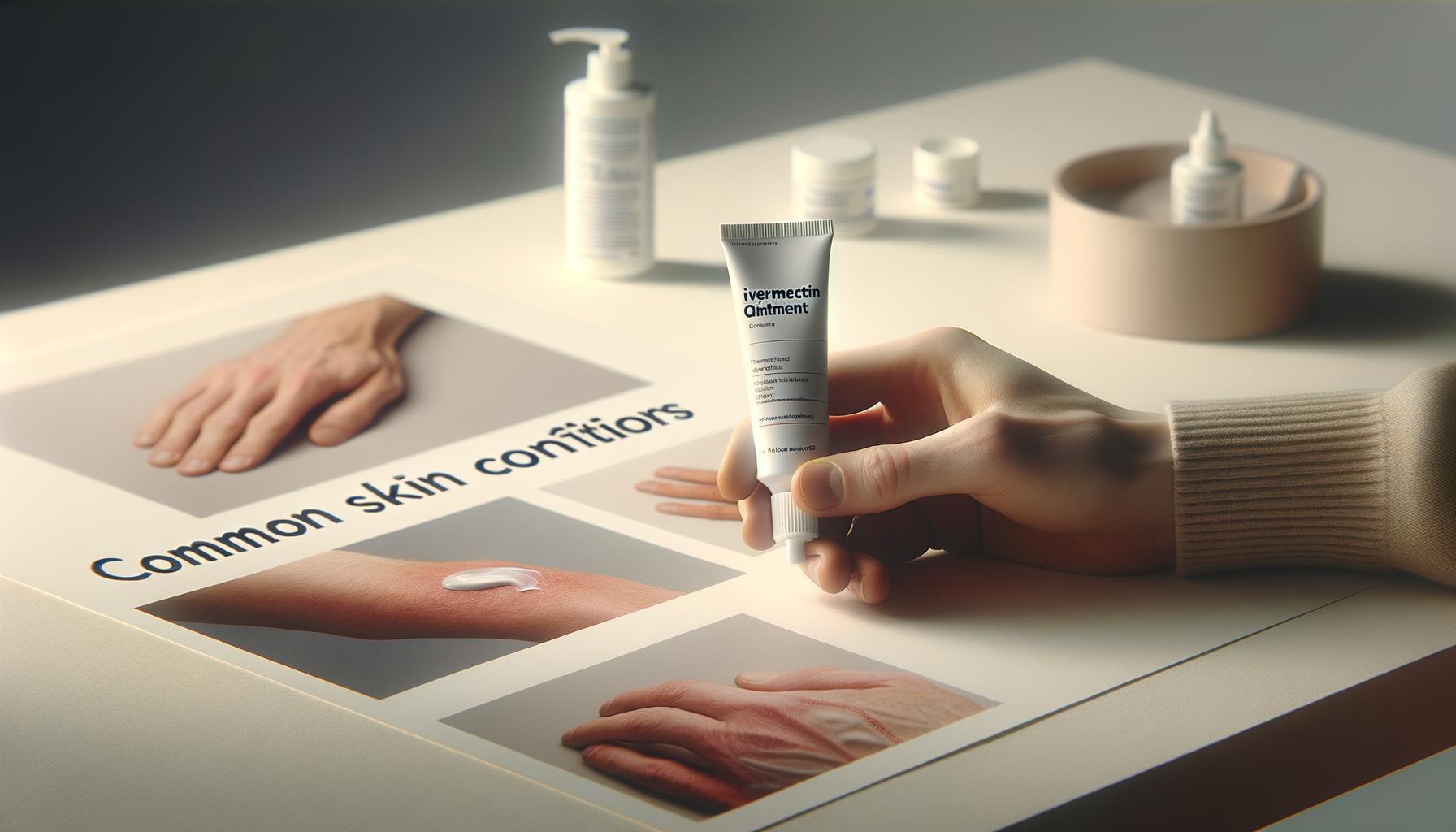
Common Skin Conditions Treated with Ivermectin Ointment
Many skin conditions linked to inflammation and microscopic parasite involvement respond well to topical ivermectin. Its unique ability to target *Demodex* mites-a common microscopic skin parasite-makes it especially effective for inflammatory disorders where these mites contribute to persistent redness and lesions. Beyond parasites, ivermectin’s anti-inflammatory properties help soothe the skin and reduce the immune response that drives flare-ups in certain dermatologic conditions.
One of the most well-established uses is in treating papulopustular rosacea, a condition characterized by redness, swelling, and acne-like bumps primarily on the face. By reducing *Demodex* populations and balancing the skin’s microbial environment, ivermectin improves both visible symptoms and underlying inflammation. Patients often notice gradual improvements in redness and lesion count after several weeks of consistent application. Experts also suspect benefits for other rosacea subtypes due to its microbiome-modulating effects, though more research is ongoing.
- Rosacea: Particularly papulopustular rosacea, where *Demodex* mites exacerbate redness and bumps.
- Perioral dermatitis: A condition featuring inflammation and rash around the mouth that may involve microbial imbalance.
- Persistent inflammatory acne: Some patients with acne benefit due to ivermectin’s anti-inflammatory and antimicrobial activities.
- Demodicosis: An infestation of *Demodex* mites causing itchy, irritated, and scaly skin, particularly in immunocompromised individuals.
Because ivermectin indirectly modifies the skin’s bacterial community while attacking mites, it offers an advantage over treatments that only suppress inflammation without addressing possible microbial triggers. For example, a recent study noted that usage of topical ivermectin changed the facial microbiome, contributing to symptom relief beyond mite reduction alone. This helps explain why some patients see steady improvements even when harsh antibiotics or steroids have failed. Still, its effects develop gradually and require consistent daily application as part of a comprehensive skin care plan.
When considering ivermectin for these conditions, it’s important to consult with a healthcare provider to confirm the diagnosis and rule out other causes. While ivermectin is generally well tolerated, proper use under medical supervision ensures the best results and helps monitor for possible side effects. Always discuss your full skin care routine to optimize treatment outcomes with ivermectin cream or lotion.[[1]][[3]]
Benefits of Topical Ivermectin for Skin Health
Topical ivermectin offers a distinctive approach to improving skin health by targeting not only visible symptoms but also underlying causes such as microscopic parasites and bacterial imbalances. Unlike many standard treatments that focus solely on reducing inflammation or redness, ivermectin works by reducing populations of *Demodex* mites-tiny creatures naturally living on the skin but often responsible for aggravating conditions like rosacea. This dual action-antiparasitic and anti-inflammatory-can lead to more sustained and meaningful improvements, particularly in stubborn or recurring skin issues.
Beyond its effect on mites, ivermectin helps rebalance the skin’s microbiome, the complex community of bacteria and other microorganisms that coexist on our skin. Studies suggest that this modulation of the microbial environment contributes to symptom relief, especially where inflammation and irritation persist despite conventional therapies. Because it supports the skin’s natural defenses rather than simply masking symptoms, many users report a gradual but steady reduction in redness, bumpiness, and discomfort with consistent use.
Another important benefit is its generally favorable safety profile when used as directed under medical supervision. Topical ivermectin rarely causes severe side effects, making it a valuable option for those who have not tolerated oral treatments or who seek a localized therapy with minimal systemic exposure. The lotion or cream formulations can often be integrated easily into daily skincare routines, allowing patients to maintain regular treatment without major disruption.
- Targets underlying microbial triggers: Helps reduce *Demodex* mites that worsen inflammation.
- Modulates skin microbiome: Supports a healthier balance of skin bacteria to soothe irritation.
- Anti-inflammatory action: Calms immune responses that drive redness and swelling.
- Well tolerated: Low risk of systemic side effects, suitable for sensitive skin under guidance.
These combined effects underscore why topical ivermectin is often a recommended option for conditions like papulopustular rosacea, perioral dermatitis, and some forms of inflammatory acne. However, benefits develop gradually, typically over several weeks, which highlights the importance of patience and ongoing adherence to treatment. As with any medication, discussing your full health history and skincare habits with a healthcare provider optimizes outcomes and helps set realistic expectations about what ivermectin can achieve for your skin health.[[1]][[2]][[3]]
How to Properly Apply Ivermectin Ointment
Applying ivermectin ointment correctly maximizes its ability to improve skin conditions while minimizing potential irritation or waste. Because this medication targets microscopic parasites and inflammation, establishing a consistent and gentle routine is essential to support healing without disrupting the skin’s natural barrier.
Begin by thoroughly cleansing the affected area with a mild, non-irritating cleanser and pat the skin dry with a soft towel. Avoid harsh scrubs or products containing alcohol, as these can aggravate sensitive skin and reduce the ointment’s effectiveness. Once the skin is completely dry, apply a thin, even layer of ivermectin ointment exactly where prescribed. Using too much does not speed up healing and may increase the risk of skin irritation or redness.
- Use clean fingers or a cotton swab: This ensures precise application and avoids contaminating the ointment.
- Avoid sensitive areas: Take care not to get the ointment in your eyes, mouth, or inside the nose unless your healthcare provider specifically instructs you.
- Frequency matters: Most treatments instruct once daily application, often at night. Stick to the prescribed schedule even if improvements seem slow, as benefits accumulate gradually.
- Do not cover tightly: Unless directed, avoid occlusive dressings or heavy creams on top, which can trap moisture and increase irritation.
Patients often find it helpful to incorporate ivermectin ointment into their evening skincare routine, leaving the medication on overnight for optimal absorption. If applying in the morning, wait 15-20 minutes before layering other products, such as moisturizers or sunscreen, to allow ivermectin to penetrate fully. Consistency across days and weeks is key; noticeable results typically emerge after several weeks of regular use, underscoring the importance of patience.
If accidental over-application or irritation occurs, gently rinse the area with lukewarm water and reduce frequency temporarily while consulting your healthcare provider. Should you observe persistent redness, itching, or other unexpected symptoms, seek medical advice promptly to adjust the treatment plan safely. Remember, ivermectin ointment works best as part of a comprehensive skin management approach tailored by a trusted healthcare professional.
Ivermectin vs. Other Topical Treatments: A Comparison
Ivermectin occupies a unique place among topical treatments for various skin conditions, particularly those involving parasites and inflammatory components. Unlike broad-spectrum antibiotics or corticosteroids, which primarily target bacteria or reduce inflammation, ivermectin directly attacks the microscopic parasites responsible for conditions such as scabies and demodicosis. This targeted action not only helps eliminate the root cause but also reduces inflammation indirectly by addressing infestation sources.
Compared to other topical agents like benzyl benzoate or permethrin, ivermectin is often favored for its milder side effect profile and ease of use. Whereas benzyl benzoate can cause notable irritation, itching, or stinging, especially in sensitive skin, ivermectin tends to be better tolerated, making it suitable for patients with sensitive or compromised skin barriers. Additionally, clinical studies show that ivermectin’s efficacy in treating scabies rivals or surpasses these traditional topical agents, with the added benefit of once-daily application simplifying adherence[[1]](#). This means patients may experience less discomfort and greater convenience, contributing to more consistent treatment.
How Ivermectin Stacks Up Against Other Topical Options
- Effectiveness: Ivermectin has proven efficacy against both the parasitic infestations and acne-like lesions caused by Demodex mites, whereas others mainly focus on parasites or skin bacteria separately.
- Safety and Tolerability: It typically induces less skin irritation compared to permethrin or benzyl benzoate, which can be harsh and cause itching or dermatitis.
- Application Convenience: Once-daily application versus multiple daily applications of some alternatives enhances compliance.
- Anti-inflammatory Effects: Beyond its antiparasitic action, ivermectin reduces skin inflammation which supports clearer, healthier skin.
However, no treatment is perfect for everyone. Some patients may respond better to alternative therapies based on individual skin sensitivity, the severity of infestation, or specific allergies. For instance, permethrin remains a standard first-line treatment in many protocols due to its broad insecticidal action, though increasing resistance has been reported in some regions. Meanwhile, oral ivermectin forms can be considered for extensive or resistant cases but come with systemic considerations and are not substitutes for topical application in localized skin conditions[[1]](#).
Ultimately, the choice between ivermectin and other topical treatments should involve a thoughtful discussion with your healthcare professional. They can help evaluate your unique skin condition, medical history, and response to prior treatments to design the most effective and tolerable plan. Using ivermectin in a comprehensive regimen that includes proper skin hygiene and gentle care often delivers the best results while minimizing side effects.
| Feature | Ivermectin Ointment | Permethrin | Benzyl Benzoate |
|---|---|---|---|
| Primary Action | Antiparasitic & Anti-inflammatory | Antiparasitic (neurotoxic to mites) | Antiparasitic (sensory neurotoxin) |
| Application Frequency | Once daily | Typically once or twice | Several times daily |
| Common Side Effects | Mild skin irritation | Burning, itching, redness | Severe itching, redness |
| Typical Use Cases | Scabies, demodicosis, rosacea | Scabies, lice | Scabies |
| Ease of Use | Simple, once daily | Moderate, may require repeated application | Less convenient, more irritation risk |
This balanced perspective empowers patients to understand why ivermectin ointment is often a preferred choice but also why alternative options remain relevant. Always consult your healthcare provider to tailor treatment specifically to your skin’s needs and monitor progress carefully to ensure safety and effectiveness.
Potential Side Effects and Risks of Ivermectin Ointment
Many users are pleasantly surprised by how well ivermectin ointment is tolerated since it generally causes fewer side effects than many other topical anti-parasitic agents. However, like all medications, it carries some risks and potential reactions that every patient should be aware of to ensure safe and effective use. Being informed helps you watch for any unusual symptoms and seek appropriate medical advice promptly.
The most common issues related to ivermectin ointment are mild and temporary skin reactions. These can include sensations like burning, slight irritation, dryness, or redness at the site of application. Such effects typically resolve on their own within a few days and often reflect the skin’s response to both the medicine and the underlying condition being treated. For example, some individuals with sensitive skin or active inflammation may experience more noticeable discomfort, although this is rare. If irritation becomes severe or persists, contacting a healthcare professional is important to avoid complications or unnecessary discontinuation of treatment[[3]](https://www.drugs.com/sfx/ivermectin-topical-side-effects.html).
In rare cases, allergic reactions might occur. These can manifest as increased itching (pruritus), rash, or swelling. Though uncommon, these signs require immediate medical attention. It’s also crucial to avoid applying ivermectin ointment to unexamined skin conditions or to broken skin, as this can increase absorption and risk systemic effects or heightened irritation. Pregnant or breastfeeding individuals should consult their doctor before use to weigh potential benefits against risks[[1]](https://www.mayoclinic.org/drugs-supplements/ivermectin-topical-application-route/description/drg-20075441).
Practical Tips to Minimize Side Effects
- Apply only to the affected area: Avoid treating large areas unnecessarily to reduce skin irritation.
- Follow the exact dosage and frequency: Overuse won’t speed healing but might increase side effects.
- Avoid combining with harsh skincare products: Stay away from strong exfoliants, alcohol-based toners, or other potential irritants during treatment.
- Use moisturizers: Gentle emollients can soothe dryness without interfering with ivermectin’s effects.
Open communication with your healthcare provider is essential, especially if you notice worsening symptoms, persistent itching, or signs of an allergic reaction. They can adjust your treatment plan or recommend supportive care to minimize discomfort. Remember, mild skin reactions are often a part of the healing process as the medication works on underlying parasites and inflammation.
| Side Effect | Frequency | Typical Duration | Recommended Action |
|---|---|---|---|
| Mild burning or stinging sensation | Common (<1%) | Usually a few days | Use gentle skincare; monitor symptoms |
| Skin dryness or peeling | Uncommon | Variable | Apply moisturizer; avoid irritants |
| Pruritus (itching) | Rare | Short-term | Contact doctor if severe |
| Allergic skin reaction (rash, swelling) | Very rare | Until treatment stops | Seek immediate medical advice |
In summary, though ivermectin ointment is considered safe and well-tolerated, understanding these side effects empowers you to use it wisely and comfortably. If uncertainty arises, don’t hesitate to discuss your concerns with a healthcare professional – they can provide guidance tailored to your skin type, condition severity, and overall health. This approach ensures you benefit from ivermectin’s unique capabilities while minimizing any unwanted risks.
Who Should Consider Using Ivermectin Ointment?
Ivermectin ointment offers a targeted option for individuals facing specific skin issues that traditional treatments sometimes struggle to control. Its anti-inflammatory and anti-parasitic properties make it particularly effective for conditions characterized by persistent redness and bumps caused or worsened by microscopic skin mites or inflammation. People with moderate to severe papulopustular rosacea, a form of rosacea marked by inflamed pimples and pustules, are among those who might benefit most from this medication. Clinical trials have demonstrated ivermectin’s superiority in reducing inflammatory lesions compared to placebo creams, making it a valuable option when other therapies fall short[[1]](https://pmc.ncbi.nlm.nih.gov/articles/PMC4665052/).
Beyond rosacea, ivermectin ointment is sometimes considered for other stubborn skin conditions involving inflammation or parasitic elements, such as certain types of acne or scabies resistant to conventional treatment. However, using ivermectin for off-label purposes should always be guided by a healthcare professional to ensure safety and appropriate use.
Who Finds Ivermectin Most Useful?
- Adults with moderate-to-severe papulopustular rosacea: Those experiencing red, inflamed bumps and pimples not responding well to topical antibiotics or anti-inflammatory creams.
- Individuals with sensitive skin who tolerate other treatments poorly: Ivermectin’s generally mild side effect profile can make it a softer alternative for delicate skin types.
- Patients seeking an antibiotic-free topical option: Given rising concerns about antibiotic resistance, ivermectin offers a non-antibiotic approach to managing certain inflammatory skin conditions.
- People looking for combination therapy: Ivermectin can sometimes be used alongside other topical or oral treatments under medical supervision to enhance overall effectiveness.
It’s important to emphasize that ivermectin ointment is not a universal remedy for all skin problems. Those with undiagnosed rashes, broken skin, or skin infections should avoid self-medicating without professional evaluation. Moreover, pregnant or breastfeeding individuals must consult their healthcare provider before use, as safety information in these groups is limited.
To determine if ivermectin ointment fits your skin care needs, a thorough assessment by a dermatologist or qualified healthcare provider is essential. They can confirm a diagnosis, review your medical history, discuss potential benefits and risks, and tailor treatment accordingly. This personalized approach helps maximize the likelihood of positive outcomes while minimizing unnecessary exposure.
Ultimately, ivermectin ointment serves as a helpful tool in the therapeutic toolbox, particularly for those struggling with difficult-to-treat rosacea or related inflammatory conditions. Being informed and working closely with your healthcare provider ensures you make choices that align with your skin’s health and your overall well-being.
Ivermectin Ointment: Dosage and Application Guidelines
Topical ivermectin requires consistent, precise use to maximize benefits and minimize side effects. Typically prescribed as a 1% cream for conditions like inflammatory rosacea, the medication is applied once daily. This simple routine encourages adherence while delivering steady therapeutic effects over time.
Before application, ensure your skin is clean and completely dry, as moisture can interfere with absorption. Use a pea-sized amount to cover the affected areas gently; avoid excessive amounts, which do not increase efficacy but may heighten sensitivity. Spread the cream evenly with clean fingertips, focusing on inflamed regions without rubbing harshly. This helps maintain skin integrity while allowing the active ingredient to penetrate effectively.
Practical Tips for Optimal Use
- Consistency is key: Apply at the same time each day, preferably in the evening, to integrate easily into your skincare routine.
- Avoid combining with irritants: Products containing alcohol, astringents, or exfoliating agents may increase skin irritation when used simultaneously.
- Use sparingly around sensitive zones: Take care near the eyes, mouth, and any broken skin, as these areas are more prone to adverse reactions.
- Patience pays off: Improvement can take several weeks, often noticeable around 8 to 12 weeks, so continue as directed unless advised otherwise.
When and How to Interrupt or Adjust Use
If mild irritation, burning, or dryness occurs, reducing the frequency temporarily to every other day can help. In such cases, moisturizing with a gentle, non-comedogenic lotion may soothe the skin and improve tolerance. However, any persistent or severe side effects should prompt consultation with your healthcare provider to reassess usage or explore alternative options.
| Aspect | Guideline |
|---|---|
| Dosage | Apply a thin layer of 1% ivermectin cream once daily to the affected areas |
| Application | Apply to clean, dry skin; avoid eyes and mucous membranes |
| Duration | Use continuously for at least 12 weeks, or as directed |
| Adjustment | Consider temporary frequency reduction for mild irritation; consult provider for severe reactions |
Ultimately, following these guidelines ensures you harness ivermectin’s full potential while protecting your skin’s health. Always adhere strictly to your prescribing physician’s instructions, and never hesitate to seek professional advice for questions or concerns during treatment.
Real Patient Experiences: Success Stories and Challenges
Many individuals who have used ivermectin ointment report noticeable improvements in their skin condition, particularly with inflammatory disorders like rosacea and certain parasitic-related lesions. These success stories often highlight clearer skin, reduced redness, and diminished irritation after consistent use over several weeks. For many, the gradual but steady progress aligns well with the recommended 8 to 12-week treatment period, reinforcing the importance of patience and adherence to instructions.
However, not every experience is without challenges. Some patients encounter mild side effects such as dryness, burning, or localized irritation early in treatment. These reactions, while typically temporary and manageable, can discourage consistent use if not properly addressed. Adjusting application frequency, incorporating gentle moisturizers, or consulting a healthcare provider often helps users navigate these hurdles while maintaining treatment momentum. The variability in skin sensitivity underscores that individualized care and open communication with a provider are key.
Lessons from Real-World Use
- Expect gradual results: Dramatic changes are rare overnight. Consistent application as prescribed yields the best outcomes.
- Handle irritation proactively: Mild side effects may improve with frequency reduction or supportive skincare. Avoid discontinuing abruptly without advice.
- Personalized routines matter: Patients who combine ivermectin with compatible skincare products and avoid harsh irritants often report better tolerance and results.
- Patience builds confidence: Understanding that treatment efficacy unfolds over weeks helps set realistic expectations and sustain use.
These shared experiences provide valuable insights for new users. Combining scientific guidance with practical real-world advice fosters informed decision-making and better treatment adherence. Remember, while stories of success inspire hope, individual responses vary. Consulting a healthcare professional remains essential to tailor the approach, manage side effects, and ensure safe, effective use of ivermectin ointment.
Understanding the Science Behind Ivermectin’s Efficacy
Ivermectin’s effectiveness as a topical treatment stems from its unique ability to target microscopic organisms that contribute to certain skin conditions. Originally developed as an anti-parasitic, ivermectin disrupts the nervous systems of parasites and mites, leading to their paralysis and death. When applied as an ointment, it specifically combats Demodex mites-tiny arachnids naturally present on human skin but implicated in conditions like rosacea and other inflammatory disorders. By reducing mite populations, ivermectin helps to alleviate redness, itching, and inflammation, directly addressing one root cause rather than just symptoms.
Beyond its anti-parasitic action, ivermectin exhibits notable anti-inflammatory properties. It modulates the immune response by suppressing pro-inflammatory cytokines-small proteins involved in signaling during inflammation. This dual activity helps soothe irritated skin and supports a healthier skin barrier over time. For someone struggling with persistent inflammation, this means that ivermectin’s benefits extend beyond killing mites; it also creates an environment where skin can heal and naturally rebalance.
How Ivermectin Works at the Cellular Level
- Parasite inhibition: Ivermectin binds to glutamate-gated chloride channels in parasite nerve and muscle cells, increasing permeability to chloride ions. This hyperpolarizes the cells, causing paralysis and death of the parasites.
- Reduction of skin inflammation: It downregulates inflammatory mediators such as interleukin-1 and tumor necrosis factor-alpha (TNF-α), helping to calm persistent redness and swelling.
- Keratinocyte interaction: Emerging studies suggest ivermectin may influence keratinocyte (skin cell) behavior, promoting restoration of skin integrity.
This complexity explains why many users notice gradual improvement rather than immediate change. The ointment requires consistent application as it works beneath the skin surface and must build up to disrupt mite colonies effectively, while also gently calming irritated tissue.
Although ivermectin ointment is scientifically supported for specific inflammatory and parasitic-driven skin disorders, it is important to remember that it may not be universally effective for all types of skin conditions. Its targeted mechanism means results vary depending on the underlying cause of the skin issue. Consulting a dermatologist helps ensure that ivermectin is appropriately prescribed and integrated into a comprehensive skin care plan, maximizing safety and efficacy.
Understanding these mechanisms empowers patients with realistic expectations and encourages adherence to treatment plans, ensuring the best chances for clearer, calmer skin backed by science.
When to Consult a Healthcare Professional About Ivermectin
Many people begin using ivermectin ointment seeking relief for persistent skin problems like rosacea or stubborn inflammation without a clear diagnosis. Yet, knowing when to turn to a healthcare professional can make a significant difference in both safety and effectiveness. Self-treatment is tempting, but certain signs and circumstances should prompt timely medical advice to ensure that ivermectin is the right fit and applied correctly.
Consultation is strongly recommended if the skin condition has not clearly improved after consistent use for several weeks. Because ivermectin works gradually-targeting mites and modulating inflammation-improvement often takes time. However, if irritation worsens, new symptoms appear, or the skin reacts unusually, a healthcare professional can evaluate whether side effects, allergic reactions, or an alternative diagnosis might explain the problem. This step prevents unnecessary discomfort and guides adjustments in treatment.
Additionally, if you have underlying health issues such as compromised immunity, chronic skin conditions, or take other medications, discussing ivermectin use with a dermatologist or doctor helps avoid potential risks. Pregnant or breastfeeding individuals should also seek medical guidance before starting topical ivermectin due to limited safety data. Professionals can tailor dosage, duration, or recommend complementary therapies to optimize results safely.
Practical Situations to Seek Professional Advice
- Persisting redness and inflammation: After 6-8 weeks without notable improvement.
- Adverse skin reactions: Severe itching, swelling, blistering, or rash appearing during treatment.
- Uncertain diagnosis: If skin symptoms do not clearly match known conditions such as rosacea or mite infestation.
- Concurrent medications or health conditions: To avoid interactions and complications.
- Special populations: Children, pregnant or breastfeeding individuals needing personalized assessment.
Ultimately, professional consultation complements patient empowerment by providing insight, reassurance, and tailored strategies. It can also open doors to advanced treatment options beyond topical ivermectin when needed, ensuring that the approach aligns with your unique skin health journey. Listening to your skin’s signals and having a trusted healthcare partner promotes safer, more effective care-not just quicker fixes but lasting improvement.
Future Research and Developments in Ivermectin Use
Research into ivermectin’s topical applications continues to evolve, revealing promising prospects beyond its current use in treating conditions like rosacea and certain parasitic skin infections. Scientists are actively exploring how ivermectin’s anti-inflammatory and anti-microbial properties might benefit a wider array of dermatological disorders. This expanding interest opens doors to new formulations and combination therapies tailored to improve skin health and patient outcomes.
One exciting area of development focuses on enhancing the delivery of ivermectin to maximize its local effects while minimizing systemic absorption. Nanotechnology and novel carrier systems, such as liposomes or microemulsions, are being tested to improve skin penetration and sustain the drug’s presence within the epidermis. These innovations aim to boost efficacy, reduce application frequency, and potentially lower irritation risks.
Additionally, researchers are investigating ivermectin’s role in managing skin conditions linked with microbial imbalances and inflammation, such as acne and seborrheic dermatitis. Understanding how ivermectin interacts with the skin’s microbiome and immune responses could lead to personalized treatment approaches. Future studies may also clarify optimal dosing schedules and long-term safety profiles, particularly for diverse skin types and sensitive populations.
Key Areas Shaping Upcoming Advances
- Improved formulation: Enhanced topical vehicles for targeted delivery.
- Broader indications: Testing efficacy against various inflammatory and microbial skin disorders.
- Personalization: Tailoring treatments based on patient genetics and skin microbiota.
- Long-term safety: Monitoring effects in extended use to better understand risk-benefit balances.
As ongoing clinical trials and laboratory studies unfold, staying informed through professional consultations is essential. Discussing emerging options with a dermatologist ensures that you access treatments supported by the latest evidence and tailored to your specific needs. While ivermectin ointment remains a valuable tool today, its future in skin therapy may become even more versatile and effective as science advances.
Frequently Asked Questions
Q: How long does it take for ivermectin ointment to show results on skin conditions?
A: Ivermectin ointment typically shows noticeable improvement within 2 to 4 weeks of consistent daily use. Patience is key, as some conditions like rosacea may require up to 6 weeks for full effects. Always follow your healthcare provider’s timeline and report any changes or concerns promptly.
Q: Can ivermectin ointment be safely used on sensitive skin areas?
A: Yes, ivermectin ointment is generally safe for use on sensitive skin areas, such as the face, but apply a small test patch first to check for irritation. If redness or discomfort occurs, discontinue use and consult your healthcare provider. Proper application techniques help minimize risks on delicate skin.
Q: Is ivermectin ointment effective against skin parasites other than lice?
A: Ivermectin ointment is effective against various skin parasites, including demodex mites, which contribute to rosacea and other skin conditions. However, it should only be used for confirmed parasite-related issues under medical guidance to ensure appropriate treatment and avoid misuse.
Q: What should I do if ivermectin ointment causes skin irritation or an allergic reaction?
A: If you experience irritation or allergic symptoms like itching, redness, or swelling, stop using ivermectin ointment immediately. Rinse the affected area gently with water and consult your healthcare provider promptly for alternative treatments or advice on managing side effects.
Q: Can ivermectin ointment be combined with other skincare products or treatments?
A: Ivermectin ointment can be combined cautiously with other skincare products, but avoid using harsh exfoliants, retinoids, or steroid creams simultaneously without doctor approval. Combining treatments improperly may cause irritation or reduce effectiveness, so always discuss with your healthcare professional first.
Q: How should ivermectin ointment be stored to maintain its effectiveness?
A: Store ivermectin ointment at room temperature, away from direct sunlight and moisture. Keep the container tightly closed and out of reach of children. Proper storage helps preserve its potency and ensures safe, effective use throughout treatment.
Q: Are there any lifestyle changes that can enhance the effectiveness of ivermectin ointment?
A: Maintaining good skin hygiene, avoiding known irritants, and protecting skin from sun exposure can enhance ivermectin ointment’s effectiveness. A balanced diet and stress management may also support skin health, complementing your topical treatment for better results.
Q: Can ivermectin ointment be used during pregnancy or breastfeeding?
A: The safety of ivermectin ointment during pregnancy or breastfeeding is not well-established. Consult your healthcare provider before use to assess risks versus benefits and explore safer treatment alternatives if necessary. Your provider’s guidance ensures both your and your baby’s safety.
*For deeper insights, refer to sections like “When to Consult a Healthcare Professional About Ivermectin” and “Potential Side Effects and Risks of Ivermectin Ointment” in the main article.*
Future Outlook
Understanding the benefits and proper use of ivermectin ointment allows you to make informed decisions about your skin care routine. This topical treatment offers a targeted approach to reduce inflammation and manage conditions like rosacea with minimal side effects when used as directed. If you’re considering adding ivermectin ointment to your regimen, consulting healthcare professionals ensures safe, effective application tailored to your needs.
Ready to explore more about topical ivermectin and related skin treatments? Dive into our detailed guides, product insights, and expert tips to find the best solutions for your skin concerns. Don’t hesitate to join the conversation by sharing your experiences or questions below-your input enriches our community and helps others on their skin health journey. Stay informed, take proactive steps, and revisit us for the latest updates on effective topical therapies and skincare innovations.
Get our latest guides, news, and insights highlighted in your Google Search & AI Overviews.