
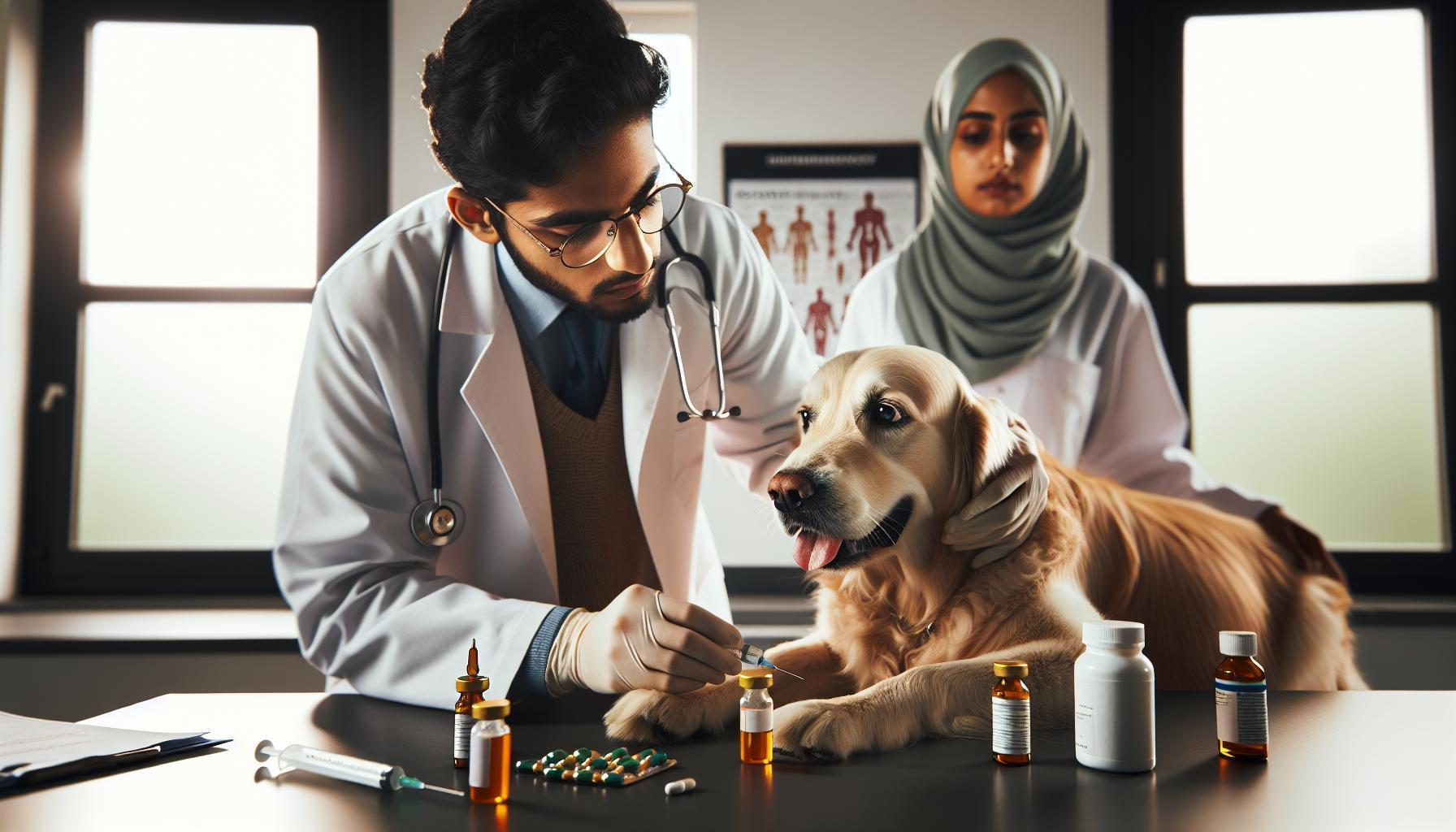
Did you know that a medication often used to protect dogs from parasites can become dangerous if given incorrectly? Ivermectin, while effective at treating certain infections, can cause serious toxicity in dogs when overdosed. Recognizing the warning signs early can be life-saving, helping you act quickly to protect your furry friend. Many pet owners aren’t aware that even small mistakes in dosage or using ivermectin products not suited for dogs can lead to symptoms like lethargy, loss of coordination, or worse. Understanding these risks and knowing what to watch for is crucial for every dog owner who wants to keep their pet safe and healthy. This guide will help you identify the key signs of ivermectin toxicity, explain why it happens, and emphasize the importance of consulting a veterinarian promptly. Staying informed about safe medication use empowers you to make the best decisions for your dog’s well-being without unnecessary fear or confusion.
Recognizing Ivermectin in Veterinary Medicine
Many pet owners are familiar with ivermectin as a common medication used in veterinary care, but recognizing its specific role and formulation in dogs is crucial to ensuring safe treatment. Ivermectin is a broad-spectrum antiparasitic agent widely used to control internal and external parasites such as heartworms, mites, and certain intestinal worms. Yet, unlike some over-the-counter pet remedies, ivermectin requires precise veterinary guidance due to its potency and potential risks.
Veterinary ivermectin products come in various forms including oral tablets, injectable solutions, and topical applications. These formulations are carefully dosed based on the dog’s weight, breed, and health status. It’s important to note that medications intended for livestock, such as horse or cattle paste or injectables, can have much higher concentrations and are unsafe for dogs. Misunderstanding these differences often leads to accidental overdoses, which can cause toxicity.
means also understanding the balance between its beneficial uses and risks. For example, certain breeds like Collies and related herding dogs are genetically more sensitive to ivermectin due to a mutation affecting the blood-brain barrier. This sensitivity means even standard doses can lead to adverse reactions. A veterinarian’s role is critical in selecting the correct product and dosage, considering these breed-specific factors. Pet owners should always store ivermectin separately from human or livestock versions and never administer it without veterinary approval.
- Confirm the product is specifically labeled for canine use.
- Check the dosage carefully against your dog’s weight and health conditions.
- Consult your veterinarian before starting – especially if your dog is a breed at higher risk.
Understanding these nuances can prevent dangerous misuse and lay the foundation for safer parasite control while minimizing the risk of ivermectin toxicity. If there’s ever doubt about a product’s origin or dosage, contacting your vet immediately is the safest choice.
Understanding How Ivermectin Affects Dogs
Ivermectin acts by targeting parasites’ nervous systems, disrupting their function and ultimately eliminating them from the body. In dogs, it works by binding to specific receptors in nerve and muscle cells of parasites, leading to paralysis and death of these unwelcome invaders. However, the same powerful action means careful administration is essential-because dogs’ own nervous systems, especially those of certain breeds, can be vulnerable to ivermectin’s effects if the drug crosses into their brains.
This vulnerability is most evident in breeds such as Collies, Australian Shepherds, and other herding dogs that carry a genetic mutation affecting the P-glycoprotein pump. This pump normally helps keep ivermectin out of the central nervous system by acting as a barrier at the blood-brain interface. When this function is impaired, ivermectin can accumulate in the brain, causing neurological symptoms even at doses that are safe for other dogs. Understanding this risk is critical when treating dogs with ivermectin-what’s a standard dose for one dog could be dangerous for another.
- Dogs without this mutation generally tolerate ivermectin well at prescribed doses, clearing parasites effectively.
- Dogs with the mutation may experience symptoms like disorientation, tremors, or seizures due to nervous system toxicity.
- Age, health status, and concurrent medications can also influence how a dog processes ivermectin and its potential side effects.
Because of these variations, veterinarians often recommend genetic testing or take breed history into account before prescribing ivermectin. Even for dogs that tolerate the medication, strict adherence to dosage based on weight is vital to avoid accidental toxicity. When administered responsibly, ivermectin remains a highly effective medication, but pet owners must always ensure the right product and dose are used as part of a veterinarian-approved treatment plan. Never substitute livestock or human ivermectin formulations, as their concentration and additives may pose serious health risks. If you suspect your dog is reacting unusually after ivermectin treatment, prompt veterinary attention can make all the difference.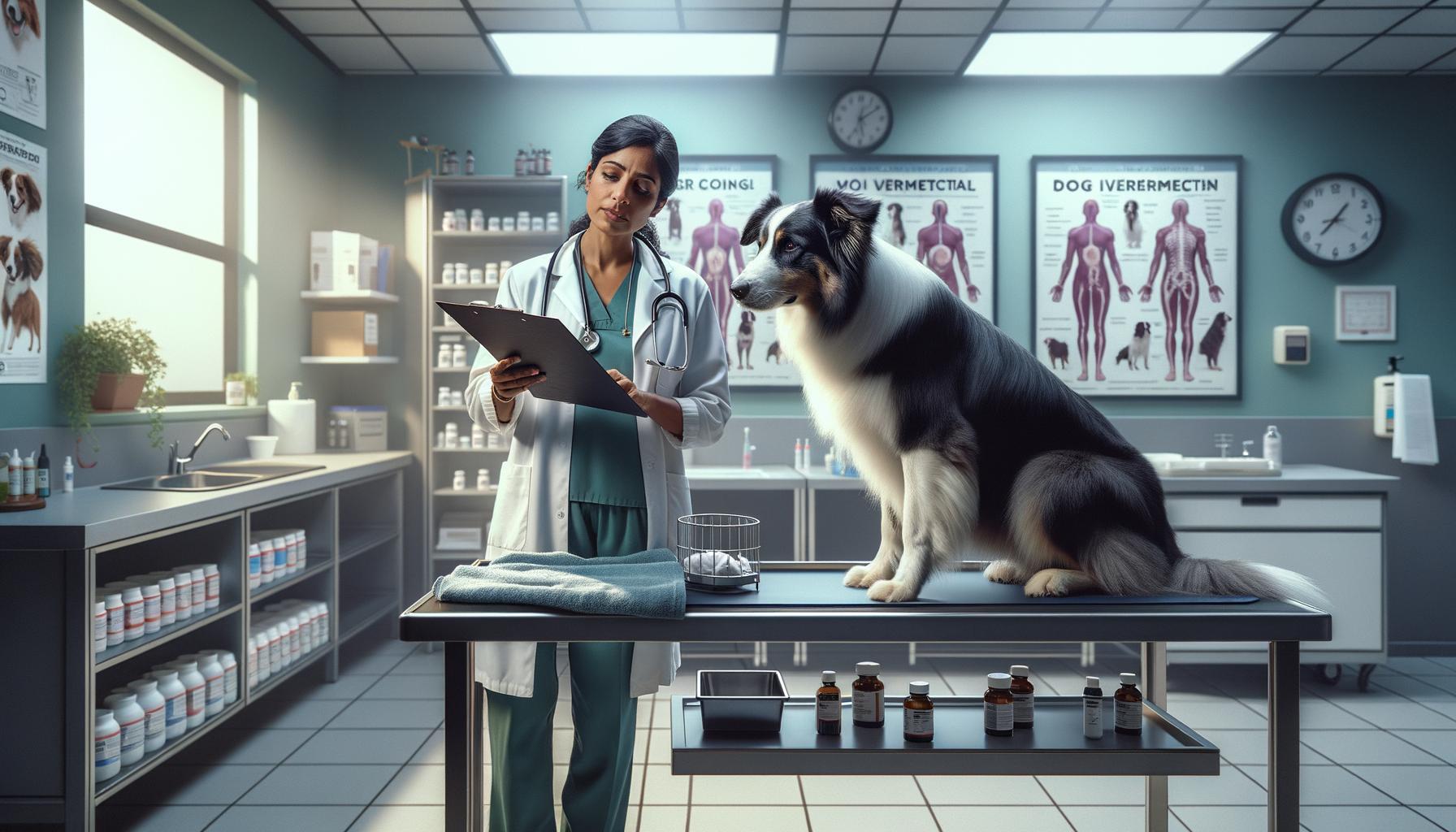
Common Uses of Ivermectin in Veterinary Care
Ivermectin is a cornerstone treatment in veterinary medicine, valued for its broad spectrum of activity against many internal and external parasites. Its uses in dogs are especially significant given the wide range of parasitic threats they face. Ivermectin works by disrupting the nervous system of parasites, which makes it effective in controlling various infestations that can severely affect a dog’s health and quality of life.
In routine veterinary practice, ivermectin is most commonly used to prevent heartworm disease, a potentially fatal condition transmitted by mosquitoes. The medication is effective at killing the immature heartworm larvae before they develop into adults. This preventive use is typically given as a monthly oral or topical dose and has become the standard of care in areas where heartworm is prevalent. Besides heartworm prevention, ivermectin also targets intestinal parasites such as roundworms and hookworms, which can cause digestive upset and nutritional deficiencies if left untreated.
- Heartworm prevention: Regular administration helps stop infection by killing larval heartworms (Dirofilaria immitis) early.
- Control of intestinal parasites: Effective against common worms, reducing parasite load and transmission risks.
- Treatment of mange: Certain forms of ivermectin can treat mite infestations like sarcoptic mange, which cause intense itching and skin damage.
- Broad-spectrum parasite control: Helps manage other internal parasites such as whipworms, providing overall parasite control.
Veterinarians carefully tailor ivermectin dosing and frequency to each dog’s weight, health status, and breed risk factors. For example, breeds prone to ivermectin sensitivity require special attention to prevent toxicity. While highly effective at managing parasites, ivermectin’s benefits must be weighed against its potential risks if improperly dosed or used in vulnerable animals.
Because of this balance, ivermectin is never recommended for off-label or self-prescribed use without veterinary oversight. Misuse or accidental overdose can lead to serious toxicity, which underscores the importance of professional guidance when using this drug. Pet owners should always consult their veterinarian before starting or changing any parasite control regimen to ensure safety and efficacy tailored to their dog’s specific needs.
Identifying Ivermectin Toxicity in Dogs
Ivermectin toxicity in dogs can develop quickly and may present with signs that mimic neurological disorders. Because ivermectin crosses the blood-brain barrier in sensitive dogs or when overdosed, it can disrupt normal nerve signal transmission, leading to serious and sometimes life-threatening symptoms. Early recognition is crucial to prevent progression and ensure timely veterinary intervention.
- Neurological changes: Dogs experiencing toxicity often show signs such as dilated (enlarged) pupils, lack of coordination (ataxia), weakness, and tremors. Sudden onset of unresponsiveness or disorientation can also occur.
- Vision abnormalities: Some dogs exhibit blindness or a glazed, vacant stare due to ivermectin’s effect on the optic nerves, which can be alarming but sometimes reversible.
- Excessive drooling and vomiting: Gastrointestinal irritation may manifest alongside neurological symptoms, providing an early warning sign of overdose.
- Respiratory distress and collapse: In severe cases, ivermectin toxicity can impair breathing and lead to coma, which requires immediate emergency care.
Why Some Dogs Are More Vulnerable
Certain dog breeds, like Collies, Australian Shepherds, and herding breeds, carry a genetic mutation (MDR1 gene mutation) that makes them more sensitive to ivermectin. In these dogs, even normal doses can lead to toxicity. Awareness of your dog’s breed and genetic background can help guide safer medication choices. If you notice even mild changes after giving ivermectin, don’t hesitate to contact your veterinarian promptly.
Practical Tips for Owners
Observe your dog closely after any dose of ivermectin. If you detect:
- Sudden behavioral changes or sluggishness
- Loss of appetite or vomiting
- Unsteady walking or shaking
- Unusual eye movements or pupil size changes
seek veterinary advice immediately. Time is critical to prevent irreversible damage. Always store veterinary ivermectin products safely, out of your dog’s reach, to avoid accidental ingestion of unsafe amounts.
Understanding these signs and acting swiftly empowers you to protect your dog from the dangers of ivermectin overdose. Your veterinarian is the best resource for confirming symptoms and creating a treatment plan tailored to your dog’s health and breed-specific needs.
Signs and Symptoms of Ivermectin Overdose
Many signs of ivermectin overdose in dogs stem from the drug’s impact on the nervous system, as it can interfere with normal nerve communication when it crosses into the brain. One of the earliest and most telling signs is a sudden change in behavior. You might notice your dog becoming unusually lethargic, disoriented, or unresponsive. These subtle shifts often escalate quickly, so close observation after administering ivermectin is vital.
Neurological symptoms frequently include dilated pupils and difficulty coordinating movements, known as ataxia. Dogs may stumble, sway, or even collapse due to muscle weakness. Tremors or shaking can also appear, sometimes progressing to seizures in severe cases. Vision changes such as blindness or a “vacant stare” occur because ivermectin affects the optic nerves, though these may slowly improve if treated promptly.
Along with neurological effects, gastrointestinal distress often accompanies overdose. Excessive drooling, nausea, vomiting, and decreased appetite are common early warning signs that something is wrong. Respiratory difficulty can develop in more severe poisonings, leading to labored breathing or even respiratory failure, which requires immediate emergency care.
Recognizing the Warning Signs Early
- Behavioral changes: Unusual sleepiness, confusion, or unresponsiveness
- Movement problems: Loss of coordination, weakness, tremors, stumbling
- Vision disturbances: Dilated pupils, temporary blindness, glazed stare
- Digestive upset: Drooling, vomiting, loss of appetite
- Respiratory issues: Difficulty breathing, collapse (in severe cases)
Why Prompt Action Matters
Because ivermectin toxicity can worsen swiftly, catching these signs early offers the best chance to prevent long-term damage or fatal outcomes. If any of these symptoms appear after your dog receives ivermectin, contact your veterinarian immediately. Timely supportive care, which may include activated charcoal administration, intravenous fluids, and seizure control medications, can make a critical difference.
Owners of breeds prone to ivermectin sensitivity-such as Collies or Australian Shepherds-should be especially vigilant. Even low doses can trigger these symptoms in genetically susceptible dogs. Keeping a clear record of all medications given and observing your dog carefully afterward empowers you to act decisively and protect your companion’s health.
Immediate Actions for Suspected Overdose
Ivermectin toxicity can escalate rapidly, making swift and calm action crucial. If you suspect your dog has ingested too much ivermectin, the first step is to remove any remaining medication from their environment to prevent further intake. Time is of the essence-contact your veterinarian immediately, even if symptoms seem mild initially. Early intervention can drastically improve the outlook, as treatments are most effective when started promptly.
While waiting for veterinary care, keep your dog in a quiet, safe area where they cannot injure themselves if they become uncoordinated or seizuring. Avoid giving any home remedies or inducing vomiting without professional guidance, as some measures might worsen the situation depending on your dog’s condition. If you can safely do so, note the exact amount and type of ivermectin ingested, plus the time of ingestion-this information helps veterinarians tailor treatment quickly and accurately.
Upon reaching the vet, treatment might include activated charcoal to reduce further absorption of the drug in the stomach and intestines. Intravenous fluids are commonly administered to maintain hydration and support organ function. In cases involving seizures or severe neurological symptoms, anticonvulsant medications and other supportive therapies are essential. Remember, ivermectin toxicity affects the nervous system profoundly, so monitoring breathing and neurological status is integral throughout the recovery process.
Practical Tips for Owners Facing Overdose
- Act immediately: Don’t delay in calling your vet or an emergency animal hospital.
- Keep records: Note dosage details and symptom onset to inform treatment.
- Stay calm and close: Comfort your dog but prevent activities that might lead to falls or injuries during symptoms like ataxia or seizures.
- Avoid home treatments: Do not attempt to induce vomiting or administer any antidotes without veterinary approval.
Quick and informed responses not only reduce the risk of permanent damage but can save your dog’s life. Always consider that some breeds, such as Collies and Australian Shepherds, have a genetic sensitivity to ivermectin, meaning even small overdoses can be dangerous. If you use ivermectin, measure doses carefully and follow professional guidance to prevent emergencies altogether.

Potential Long-Term Effects of Ivermectin Toxicity
Ivermectin toxicity can leave lasting effects on some dogs, especially when exposure is significant or treatment is delayed. While many dogs recover fully with prompt veterinary care, others may experience lingering neurological or physical challenges that owners should be aware of and monitor over time.
The drug’s impact on the nervous system is central to these long-term concerns. Ivermectin crosses into the brain and spinal cord in toxic doses, potentially causing damage to nerve cells. This can result in persistent symptoms such as mild ataxia (uncoordinated movement), weakness, or behavioral changes that slowly improve but may not entirely resolve. In more severe cases, ongoing seizures or chronic tremors may develop, requiring extended management and medication.
What Owners Should Watch For After Recovery
- Coordination issues: Dogs might still struggle with balance or fine motor skills weeks after exposure.
- Changes in behavior: Increased anxiety, withdrawal, or unusual sensitivity to stimuli can indicate residual nervous system effects.
- Vision or hearing problems: Though less common, some dogs show sensory deficits following toxicity.
- Fatigue and weakness: Reduced stamina during walks or play might persist even as other symptoms improve.
Since ivermectin toxicity can vary greatly depending on breed sensitivity, dose, and individual health, the prognosis for long-term effects is not one-size-fits-all. For example, breeds with a known genetic mutation in the MDR1 gene-such as Collies and Australian Shepherds-may have more pronounced or lasting neurological impairments even after treatment. This genetic trait reduces their ability to clear ivermectin efficiently, increasing both the risk and severity of toxic episodes.
Supporting Your Dog’s Recovery
Ongoing veterinary supervision is essential. Regular neurological exams help track healing and identify any emerging issues early. Rehabilitation therapies, including physical therapy or hydrotherapy, can support muscle rebuilding and coordination. Some dogs benefit from supplements that promote nerve repair, but these should always be discussed with your veterinarian to ensure safety and avoid interference with other treatments.
Remember, dogs showing subtle long-term signs might not always communicate discomfort in obvious ways. Keeping a detailed diary of any changes in movement, mood, or sensory response and sharing this with your vet can lead to better-tailored care plans.
Persistent symptoms may raise concerns for quality of life, but many dogs regain functional well-being with the right support. Never hesitate to seek a specialist’s opinion if your dog’s recovery plateaus or complications arise. Vigilance and partnership with your veterinary team empower the best outcomes after ivermectin toxicity.
Risk Factors for Ivermectin Toxicity in Dogs
Ivermectin toxicity doesn’t affect all dogs equally; a variety of factors can increase the likelihood of an adverse reaction, even when the drug is used as intended. One of the most critical risk factors is breed sensitivity. Certain breeds, including Collies, Australian Shepherds, Shetland Sheepdogs, and similar herding dogs, often carry a genetic mutation known as the MDR1 gene defect. This mutation compromises the blood-brain barrier, allowing ivermectin to enter the central nervous system more readily and accumulate to toxic levels.
Age and overall health also play significant roles. Puppies and older dogs may have less efficient metabolic and excretory systems, making it harder for their bodies to process and eliminate ivermectin. Dogs with liver or kidney dysfunction are particularly vulnerable because these organs are crucial for drug metabolism and clearance.
Dosing errors represent a common and preventable risk. Ivermectin products formulated for livestock or horses contain concentrations vastly higher than those intended for dogs. Accidental ingestion or improper off-label dosing can rapidly lead to overdose. Even small amounts can be hazardous for sensitive breeds or dogs with compromised health.
Additional Contributing Factors to Watch For
- Drug interactions: Some medications may interfere with ivermectin metabolism, increasing blood levels and toxicity risk.
- Repeated or cumulative dosing: Frequent ivermectin administration without veterinary guidance can cause buildup and toxicity.
- Individual variability: Dogs without known risk factors may still react adversely due to unique sensitivities or underlying conditions.
Understanding and mitigating these risks starts with open communication with your veterinarian. Never assume a safe dose without professional advice, especially if your dog belongs to a high-risk breed or has pre-existing health issues. Proper identification of risk factors enables tailored treatment plans and minimizes the chance of dangerous ivermectin overdose. Vigilance and knowledge empower you to protect your dog while benefiting from ivermectin’s therapeutic effects.
Preventing Ivermectin Poisoning: Safety Tips
Many pet owners underestimate how easily ivermectin poisoning can occur, especially when products intended for livestock are mistakenly used in dogs. One small slip-like giving the wrong formulation or dosage-can have serious consequences. The key to prevention lies in vigilance, education, and collaboration with your veterinarian. Always treat ivermectin as a powerful medication that demands respect and careful handling.
Practical Safety Measures
- Use only products specifically labeled for dogs. Never substitute horse or livestock ivermectin, which contain much higher concentrations and can quickly cause toxicity.
- Confirm your dog’s breed risk before use. If your dog belongs to a breed prone to ivermectin sensitivity (e.g., Collies, Australian Shepherds), inform your vet so they can adjust treatment plans accordingly.
- Follow veterinary dosage instructions precisely. Do not deviate or double doses without explicit guidance. Keep a dosing schedule and chart if your dog requires repeated treatments.
- Store ivermectin safely out of reach. Accidental ingestion is a frequent cause of poisoning, particularly when multiple pets or children share the home.
- Watch for drug interactions. Share a full medication list with your veterinarian, as certain drugs can alter ivermectin metabolism and increase toxicity risk.
Why Veterinary Partnership Matters
Your veterinarian’s expertise is invaluable for tailoring ivermectin use to your dog’s unique health profile. They can recommend safer alternatives if needed and monitor your dog for early toxicity signs during treatment. Never turn to unverified online sources or attempt off-label dosing without consultation; doing so can endanger your dog’s life.
Real-Life Example to Keep in Mind
Consider a case where a dog owner, unaware of their pet’s MDR1 gene mutation, unintentionally administered ivermectin meant for horses. Within days, the dog showed neurological symptoms, requiring emergency care. This scenario highlights how crucial breed-specific risks and proper dosing are. Your veterinarian can test for such sensitivity, eliminating guesswork and protecting your dog.
Even with the best intentions, ivermectin can quickly become harmful without strict adherence to safety protocols. Maintaining open lines of communication with your vet, using the correct formulations, and observing your dog closely will dramatically reduce the chances of poisoning. When doubts arise, always seek professional advice-prompt action can save your dog’s life.
Alternatives to Ivermectin for Dog Treatment
Ivermectin is a widely used antiparasitic medication, but dogs with certain sensitivities or those who experience adverse effects require safe and effective alternatives. Fortunately, veterinary medicine offers several options that can manage internal and external parasites without the risks associated with ivermectin toxicity. Choosing the right alternative depends on the type of infection, your dog’s health status, and breed-specific factors.
Common Substitutes and Their Uses
- Moxidectin: Similar to ivermectin, moxidectin belongs to the same class of macrocyclic lactones but may have a wider safety margin in some sensitive breeds. It’s frequently used to prevent heartworm and control various parasites. However, its use should still be under strict veterinary supervision.
- Milbemycin oxime: This is another macrocyclic lactone that targets heartworms, roundworms, and hookworms. Milbemycin has demonstrated low toxicity when used at recommended doses and is often preferred for dogs sensitive to ivermectin.
- Selamectin: Applied topically, selamectin controls fleas, ticks, ear mites, and certain internal parasites. Its minimal systemic absorption reduces the risk of adverse neurological effects.
- Emodepside combined with praziquantel: Usually in topical formulations, this combination targets intestinal worms effectively without the neurotoxicity risks linked to ivermectin derivatives.
Natural and Non-Ivermectin Alternatives to Consider
While pharmaceuticals are the gold standard, some natural plant extracts, such as neem oil, have been studied for their antiparasitic properties. Neem (Azadirachta indica), for instance, has shown promise as an insecticide and parasitic control in veterinary use, offering a gentler option for some pets. That said, natural alternatives often lack the rigorous testing standard drugs undergo, so they should never replace veterinary advice or prescribed medication [[1]].
Consultation Ensures Safer Treatment Plans
Every dog is unique. For dogs with known MDR1 gene mutations or breeds prone to ivermectin sensitivity – such as Collies, Australian Shepherds, and Shelties – consulting your veterinarian helps in selecting alternatives that are both safe and effective. Never switch medications or dosages without professional guidance. Your vet can conduct appropriate tests, recommend safer drugs, and tailor dosage to minimize risks.
| Alternative | Use | Formulation | Notes |
|---|---|---|---|
| Moxidectin | Heartworm prevention, parasite control | Oral/topical | Similar class to ivermectin but may have better tolerance |
| Milbemycin oxime | Heartworm, intestinal parasites | Oral tablets | Good safety record in sensitive dogs |
| Selamectin | Fleas, ticks, ear mites, some worms | Topical | Lower systemic exposure reduces risk |
| Emodepside + Praziquantel | Intestinal worms | Topical | Safe alternative for intestinal parasite control |
If toxicity or overdose concerns have arisen, alternatives may also be part of a gradual switch or integrated parasite management program to reduce chemical load and toxicity risk. Remember that any parasitic treatment should fit your dog’s individual needs, lifestyle, and health profile.
Choosing alternatives wisely and working closely with your veterinarian is the best way to ensure effective parasite control without compromising your dog’s safety. While ivermectin has its place, safe options exist and can be tailored for sensitive or high-risk dogs. Always prioritize expert guidance and ongoing health monitoring over self-treatment.
Veterinary Guidance: When to Seek Help
Ivermectin toxicity can progress rapidly and unpredictably, making timely veterinary intervention crucial. If your dog shows even mild neurological or behavioral changes after ivermectin exposure, do not hesitate to contact your veterinarian. Early symptoms such as disorientation, drooling, or unusual lethargy may seem subtle but can quickly escalate into severe issues like tremors, seizures, or respiratory distress. Prompt professional evaluation increases the chances of effective treatment and recovery.
Understanding that not all cases stem from accidental overdose is important. Dogs with genetic sensitivities-especially breeds like Collies and Australian Shepherds-may react adversely even at standard doses. If your dog belongs to a sensitive breed or has a known MDR1 gene mutation, notify your vet immediately upon any suspicion of ivermectin exposure. Your veterinarian may recommend diagnostic tests to assess drug levels or neurological status, enabling targeted care before symptoms worsen.
Key Reasons to Seek Veterinary Help Immediately
- Neurological symptoms: twitching, ataxia (uncoordinated movement), dilated pupils, or seizures
- Respiratory difficulties: labored breathing or abnormal respiratory patterns
- Gastrointestinal signs: vomiting or diarrhea following ivermectin intake
- Known overdose or exposure to livestock formulations: these often contain doses far exceeding canine safety limits
Even if uncertain about the dose ingested, it is always safer to have your dog evaluated. Veterinarians can administer supportive treatments such as intravenous fluids or lipid emulsions, which may bind ivermectin and reduce toxicity severity. Early care can prevent long-term neurological damage and improve outcomes.
Remember, a quick call or visit to your veterinarian upon any concern about ivermectin ingestion is the best course of action. Delaying treatment because symptoms seem mild can allow toxicity to advance rapidly. Your veterinarian’s expertise in recognizing subtle signs and providing timely intervention is invaluable in safeguarding your dog’s health and well-being [[1]](https://www.thepharmajournal.com/archives/2023/vol12issue9S/PartAE/S-12-9-275-953.pdf) [[2]](https://vetster.com/en/conditions/dog/parasite-drug-ivermectin-poisoning) [[3]](https://www.petmd.com/dog/poisoning/ivermectin-toxicity-in-dogs).
Understanding the Importance of Dosage Accuracy
Dosage precision with ivermectin isn’t just a recommendation-it’s a critical safeguard against serious health risks in dogs. Even slight deviations from the prescribed amount can change ivermectin from a useful parasite control tool into a dangerous toxin. This sensitivity arises because ivermectin works by targeting the nervous system of parasites, but at higher doses, it can affect a dog’s own nervous system, leading to potentially severe side effects.
Understanding your dog’s exact weight and condition is essential before administering ivermectin. Over-the-counter or livestock ivermectin products often contain concentrations far beyond what is safe for dogs, making self-dosing extremely risky. For example, a dose suitable for a large farm animal could be toxic or fatal if given to a small dog. Therefore, always rely on veterinary guidance and commercially prepared medications specifically labeled for dogs, where dosages are carefully calibrated to weight and health parameters[[1]](https://www.goodrx.com/pet-health/dog/ivermectin?srsltid=AfmBOooDCEYhA0oLhQItKTmL1RCRLBAmTwzqKMaksQxr7cjEfPerhshh).
Why Precise Dosage Matters
- Breed Sensitivities: Certain breeds, like Collies and Australian Shepherds, have a genetic mutation (MDR1 gene) that makes them highly vulnerable to ivermectin toxicity even at standard doses. Without dosage adjustments, these dogs may develop neurological symptoms.
- Weight-Based Calculations: Ivermectin dose is typically calculated per kilogram of body weight. Misjudging your dog’s weight by even a few pounds can result in overdosing, particularly with smaller breeds where the therapeutic window is narrow.
- Drug Interactions: Some medications can interact with ivermectin and increase its toxicity risk. Only a veterinarian can safely evaluate potential interactions and adjust dosages accordingly.
Taking ivermectin responsibly means more than just reading a label-it involves collaboration with your veterinarian to get an accurate dosage tailored specifically to your dog’s needs. If you suspect any discrepancy in the dose administered or notice even mild signs of adverse effects, seek veterinary advice immediately. These actions safeguard your dog from dangerous overdose complications and promote safer, more effective parasite prevention[[2]](https://carecard.com/blog/determining-the-correct-ivermectin-dosage-for-dogs) [[3]](https://www.metlifepetinsurance.com/blog/pet-health/ivermectin-for-dogs/).
Practical Tips for Dosage Accuracy
- Always use a precise scale to weigh your dog regularly, especially before administering medication.
- Consult your veterinarian before starting ivermectin or changing the dose.
- Never use ivermectin products intended for livestock or other animals.
- Keep a record of doses given and note any behavioral changes immediately.
By respecting the importance of accurate dosing, you protect your dog not only from toxic effects but also ensure the medication’s intended benefits, helping maintain your pet’s health and longevity.
FAQ
Q: How soon do dogs show symptoms after ivermectin overdose?
A: Dogs typically show signs of ivermectin toxicity within a few hours, often between 4 to 6 hours after ingestion. Early detection is critical to improve treatment outcomes, so observing your pet closely during this window is essential. Immediate veterinary help can minimize toxin absorption and reduce complications.[2]
Q: Can certain dog breeds be more sensitive to ivermectin overdose?
A: Yes, breeds like Collies, Australian Shepherds, and Shetland Sheepdogs often carry a genetic mutation (MDR1 gene) that makes them more vulnerable to ivermectin toxicity, even at low doses. Testing for this gene is recommended before ivermectin use to prevent dangerous overdoses.[2]
Q: What are the safest emergency steps to take if I suspect my dog overdosed on ivermectin?
A: Immediately contact your vet or emergency clinic. If ingestion was recent (under 6 hours), your vet might induce vomiting or give activated charcoal to reduce absorption. Do not try home remedies without professional advice, as timely, appropriate treatment is crucial.[2]
Q: How does ivermectin overdose affect a dog’s brain and nervous system?
A: Ivermectin overdose can cross the blood-brain barrier causing neurological symptoms like tremors, seizures, and loss of coordination, as it disrupts nerve signal transmission. This central nervous system impact is the primary reason toxicity can be lethal.[1]
Q: Are there any advanced treatments for severe ivermectin toxicity in dogs?
A: Yes, treatments like intravenous lipid emulsion therapy are increasingly used to bind and neutralize ivermectin in the bloodstream. This advanced method improves recovery chances in severe cases when traditional detoxification isn’t enough.[3]
Q: Why is accurate dosing of ivermectin crucial to prevent toxicity in dogs?
A: Because ivermectin has a narrow safety margin, even small dosing errors-especially using livestock formulations-can cause overdose. Always use veterinarian-approved doses for dogs to avoid accidental poisoning and consult your vet if you’re uncertain about dosing.[1]
Q: Can ivermectin toxicity cause long-term health issues in dogs?
A: Severe ivermectin overdose can lead to lasting neurological damage, including persistent weakness or behavioral changes. Early treatment improves prognosis, but some dogs may require ongoing care or therapy after poisoning.[1]
Q: How can I protect my dog from accidental ivermectin overdose at home?
A: Store all ivermectin products securely away from pets and never use livestock formulations intended for large animals. Always follow your veterinarian’s dosage instructions carefully and avoid self-medicating your dog, as preventing access and dosage errors is key.[1]
For more detailed guidance on recognizing and managing ivermectin toxicity, consult your veterinarian promptly.
Key Takeaways
Recognizing the signs of ivermectin toxicity in dogs is crucial to protecting your pet’s health and safety. If you notice any unusual symptoms after ivermectin use, don’t wait-seek veterinary care promptly to prevent serious complications. Staying informed about proper dosages and potential risks empowers you to make safe choices for your dog’s wellbeing.
For more insights on pet health and medication safety, explore our resources on common canine toxins and emergency response tips. Consider signing up for our newsletter to receive expert advice and updates that help you care confidently for your furry friend. Your vigilance and knowledge make all the difference in preventing ivermectin overdose and ensuring a happy, healthy life for your dog.
Have questions or personal experiences to share? Leave a comment below or join our community forum to connect with fellow pet owners and professionals. Together, we can create a safer environment for dogs vulnerable to medication risks while expanding awareness on ivermectin toxicity and related concerns.
Get our latest guides, news, and insights highlighted in your Google Search & AI Overviews.


