
Did you know that ivermectin, a common medication used to protect dogs from parasites, can sometimes cause side effects that might go unnoticed at first? Understanding these potential reactions is crucial for every pet owner who wants to keep their furry friend safe and healthy. While ivermectin is effective against a variety of parasites, monitoring your dog’s health during and after treatment helps catch any adverse effects early. This guide will help you recognize possible side effects, so you can make informed decisions and ensure your pet’s well-being. Always remember, discussing any concerns with your veterinarian is the best way to balance the benefits of ivermectin with your dog’s unique needs. Staying informed empowers you to provide the best care possible while preventing complications.
Understanding Ivermectin: Overview and Uses in Dogs
Ivermectin is a powerful anti-parasitic medication commonly used in dogs to prevent and treat several parasitic infections. While many dog owners know it as a defense against heartworms, ivermectin’s reach extends to treating conditions like sarcoptic mange and gastrointestinal parasites. Because of its broad utility, it has become a mainstay in veterinary parasite control. However, its use is far from one-size-fits-all, making understanding the nuances crucial for safe and effective treatment.
The dosage and formulation of ivermectin depend heavily on the parasite being targeted and the dog’s specific health profile. For example, heartworm prevention typically requires a low monthly dose, whereas treating mange might involve higher concentrations. This variability means that while some owners consider using ivermectin formulations intended for horses or livestock due to cost, such practices carry risks without veterinary guidance. Dosing errors can lead to insufficient treatment or dangerous reactions, especially given that some dogs carry the MDR1 gene mutation, which makes them highly sensitive to ivermectin’s effects.
Beyond its parasite-fighting benefits, ivermectin’s mechanism involves interfering with parasites’ nervous systems, which ultimately kills or paralyzes them. While this action is generally safe for dogs in the prescribed doses, the margin between effective and toxic doses can be narrow in certain breeds or individuals. This makes careful veterinary consultation essential before starting treatment, as your vet will tailor the regimen to your dog’s breed, weight, health status, and parasite exposure risk.
- Uses: Prevention of heartworm disease, treatment of sarcoptic mange, intestinal worms, and other parasites.
- Forms: Available as tablets, topical applications, injections, and pastes. The form depends on treatment goals and veterinary advice.
- Safety considerations: Breeds like Collies, Australian Shepherds, and related mixes may carry the MDR1 mutation which increases sensitivity to ivermectin.
Before administering ivermectin, discussing your dog’s history, breed, and any previous reactions with your veterinarian ensures a customized approach. It also reduces the risk of side effects, promotes successful treatment, and offers peace of mind in managing your pet’s health.
Common Side Effects of Ivermectin in Dogs
Dogs receiving ivermectin often tolerate the medication well, but it’s important to be aware of some common side effects that can arise, especially if doses are not properly tailored. Many of these reactions stem from ivermectin’s action on the nervous system-while it targets parasites, sensitive dogs may show mild to moderate symptoms reflecting nervous system effects. Recognizing these signs early helps pet owners distinguish normal from concerning reactions and seek veterinary advice when needed.
Typical side effects include mild gastrointestinal upset, such as vomiting or diarrhea, which often resolve quickly without intervention. Some dogs may also display lethargy or decreased appetite shortly after administration. These are usually transient and do not require stopping treatment but do warrant closer observation. In a few cases, an animal may experience drooling or excessive salivation, which signals mild oral or neurological irritation rather than a serious allergy.
- Mild Gastrointestinal Issues: Vomiting, diarrhea, or reduced appetite.
- Behavioral Changes: Lethargy, slight disorientation, or increased sleepiness.
- Neurological Signs: Mild tremors, drooling, or unsteadiness can sometimes occur but are less common.
Certain breeds, particularly those with the MDR1 gene mutation-like Collies and Australian Shepherds-are more prone to these side effects even at standard doses. This mutation affects how ivermectin is processed, leading to higher concentrations in the brain. Because of this, side effects may be more pronounced or last longer in these sensitive dogs, highlighting the need for genetic testing or cautious dosing under veterinary supervision.
In practice, a dog showing mild side effects should be closely monitored rather than immediately alarmed. Keep a daily journal of symptoms and behavior changes, noting any worsening or persistence beyond a day or two. Always communicate these observations to your vet, who may adjust the dose or suggest supportive care. This partnership ensures treatment remains safe and effective, preserving the many benefits ivermectin offers without compromising your dog’s comfort or health.
Signs of Ivermectin Toxicity in Dogs
Ivermectin toxicity, while relatively rare, is a serious condition that demands prompt attention. It occurs when a dog receives a dose higher than recommended or has an increased sensitivity to the drug, often due to genetic factors like the MDR1 gene mutation. This mutation hinders the dog’s ability to properly clear ivermectin from the brain, allowing it to accumulate and cause toxic effects. Recognizing the early and more severe signs can make a crucial difference in preventing lasting harm.
Dogs experiencing ivermectin toxicity may display a range of neurological symptoms due to the drug’s effect on the central nervous system. These signs often begin subtly but can escalate quickly. You might notice persistent tremors, loss of coordination (ataxia), or unsteady movements. Affected dogs may become disoriented or unusually confused, displaying behavior that seems out of character. Excessive drooling or foaming at the mouth is another hallmark, signaling irritation or nervous system involvement well beyond mild side effects.
Key Symptoms to Watch For
- Severe Tremors: Shaking that does not subside or worsens over time.
- Weakness or Paralysis: Difficulty standing or walking, sometimes leading to collapse.
- Respiratory Distress: Labored or rapid breathing, which can escalate to life-threatening conditions.
- Blindness or Absent Pupillary Reflexes: Indicating profound neurological impairment.
- Seizures: Any convulsive activity signals urgent veterinary care is needed.
Practical Advice for Owners
If your dog exhibits any of these signs after ivermectin administration, seek veterinary care immediately. Early intervention can include activated charcoal, fluids, and supportive therapy to help reduce absorption and enhance elimination of the drug. In the meantime, keep your dog calm and confined in a safe area to prevent injury from seizures or loss of coordination.
It’s also vital to inform your veterinarian about your dog’s breed and any previous reactions to medications, as this helps guide treatment plans. The risk of toxicity is notably higher in certain herding breeds, which should ideally be genetically tested before ivermectin use. Transparency and prompt communication between you and your vet can safeguard your dog’s health while maximizing the benefits ivermectin provides against parasites.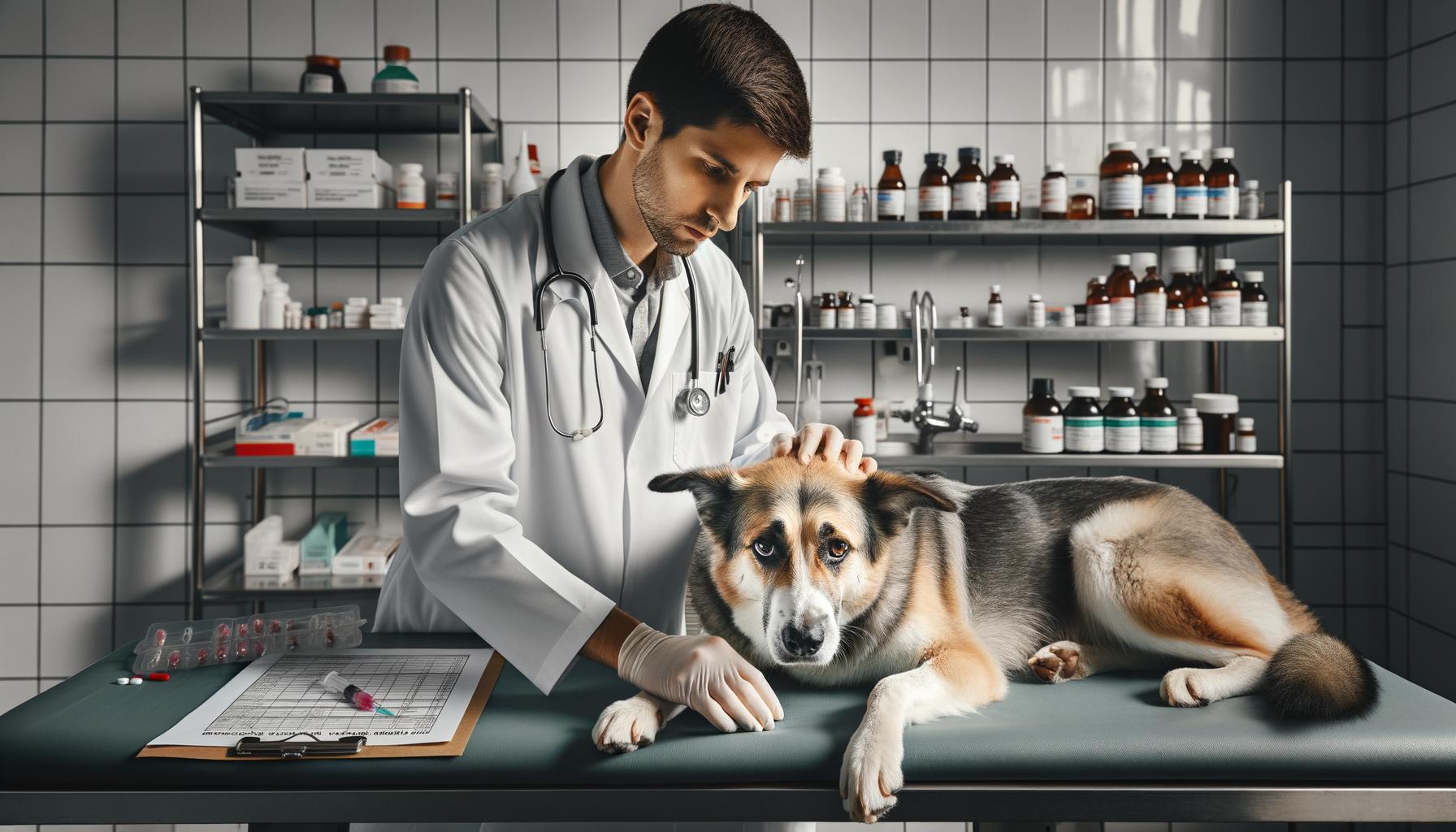
Factors That Increase Risk of Side Effects
Ivermectin use in dogs is generally safe when dosed correctly, but certain factors can significantly raise the risk of side effects. Understanding these risks helps pet owners make informed decisions and take appropriate precautions. One of the most important considerations is genetic sensitivity. Dogs with the MDR1 (multi-drug resistance 1) gene mutation-common in herding breeds like Collies, Australian Shepherds, and Border Collies-have impaired ability to pump ivermectin out of the brain, causing the drug to accumulate and potentially trigger neurological symptoms even at standard doses.
Age and overall health play critical roles too. Puppies and older dogs may metabolize medications differently and could be more vulnerable to adverse effects. Underlying liver or kidney disease can impair ivermectin clearance, increasing toxicity risk. Similarly, dogs on multiple medications or supplements could experience drug interactions that alter ivermectin’s effectiveness or safety profile. Always inform your veterinarian about any concurrent treatments to avoid complications.
The dose and formulation of ivermectin are also crucial. Products intended for larger animals mistakenly given to dogs, or overdosing due to improper measurement, expose dogs to harmful levels. Even topical formulations can cause systemic absorption in sensitive dogs. Environmental factors-such as exposure to pesticides, toxins, or other stressors-may compound the risk, weakening the dog’s ability to tolerate the drug without side effects.
Practical Considerations to Minimize Risk
- Genetic Testing: Prioritize MDR1 testing for at-risk breeds before ivermectin use.
- Veterinary Guidance: Always use vet-recommended doses tailored to your dog’s weight and health status.
- Health Screening: Evaluate liver and kidney function in dogs with chronic illnesses or advanced age before treatment.
- Medication Review: Disclose all drugs and supplements to your vet to prevent harmful interactions.
- Proper Administration: Use only formulations labeled for dogs and measure doses carefully to avoid overdose.
By considering these factors and maintaining open communication with your veterinarian, you can help ensure ivermectin’s benefits outweigh the risks. Vigilant observation after administration and understanding your dog’s individual vulnerabilities are key steps in safeguarding their health.
Monitoring Your Dog’s Health Post-Ivermectin
Even when ivermectin is administered correctly, attentive monitoring of your dog’s health in the following days is crucial. Subtle changes in behavior or physical condition often signal early reactions that can be addressed promptly before escalating into serious complications. Dogs metabolize and react to medications differently, with factors like breed, age, and existing health problems playing key roles. Thus, keeping a daily log of your dog’s activity, appetite, and overall demeanor for at least a week after treatment can provide valuable insights.
Pay special attention to neurological signs such as excessive drooling, uncoordinated movements, or unusual sensitivity to touch and light. These symptoms, while potentially mild at first, may indicate ivermectin is accumulating at neurotoxic levels-especially in breeds sensitive due to the MDR1 gene mutation. Additionally, watch for digestive upset like vomiting or diarrhea, which, although common with many medications, still deserve prompt notice as they can cause dehydration and complicate recovery. By catching and reporting these signs early, you enable your veterinarian to intervene quickly, tailoring supportive care or adjusting future dosing if necessary.
- Check for lethargy or weakness: If your dog seems more tired than usual or struggles to stand or walk, these can be red flags.
- Observe appetite and drinking habits: A sudden decrease in eating or drinking may underscore systemic discomfort requiring veterinary evaluation.
- Note changes in behavior: Increased anxiety, pacing, or unusual vocalization can point to neurological effects even before physical symptoms emerge.
- Regularly examine eyes and nose: Look for any discharge or abnormal pupil responses, which may reflect nervous system involvement.
Routine post-treatment checks can also provide reassurance. Measuring your dog’s temperature and heart rate at home, if possible, helps monitor for fever or cardiovascular changes. Scheduling a follow-up visit encourages a professional assessment, enabling early diagnostic testing if any atypical signs appear. Remember, successful ivermectin use hinges not only on careful dosing but also on proactive surveillance and open communication with your veterinarian. This collaborative approach creates the safest environment for your dog’s health and wellbeing after treatment.
What to Do If Side Effects Occur
Unexpected reactions can be unsettling, but prompt and informed action often makes all the difference in ensuring your dog’s safety after ivermectin treatment. If you notice any signs that seem unusual or concerning-be it mild nausea or more severe neurological symptoms-don’t hesitate to intervene quickly. Early recognition and communication with your veterinarian can prevent minor side effects from worsening into serious complications.
Start by stopping any further doses immediately and isolating your dog in a quiet, comfortable space where you can easily monitor them. Keep a detailed note of all symptoms observed, including timing, progression, and any possible triggers. This record will help your veterinarian assess the situation more effectively. In many cases, mild side effects such as occasional vomiting or loose stools may resolve on their own with supportive care at home, like ensuring plenty of fresh water to prevent dehydration.
Contacting Your Veterinarian Without Delay
If neurological signs such as tremors, uncoordinated movements, excessive drooling, or collapse appear, treat this as an emergency. Call your vet immediately for guidance. These symptoms suggest ivermectin is affecting the nervous system, which can quickly escalate without professional intervention. Your vet might recommend bringing your dog in for evaluation, which may include blood tests or supportive treatments such as intravenous fluids to maintain hydration and medications to control symptoms.
- Do not attempt to induce vomiting or administer any antidotes without veterinary advice.
- Prevent additional exposure: Remove any remaining ivermectin from your dog’s environment to avoid accidental ingestion.
- Provide calming comfort: Stress can worsen neurological symptoms, so keep your dog calm and avoid unnecessary handling.
Supportive Care and Monitoring at Home
Some dogs recover well with close home care if symptoms are mild or resolving. Maintain a consistent feeding schedule with bland, easily digestible food unless your veterinarian suggests otherwise. Monitor hydration carefully-dry gums or lethargy may signal the need for immediate vet care. Keep a daily log of changes in behavior, appetite, and activity. This ongoing tracking enables early detection of deterioration or improvement.
Remember, every dog’s response to ivermectin varies due to factors like breed, age, and genetic sensitivities, especially concerning the MDR1 mutation in certain herding breeds. By working closely with your veterinarian and responding rapidly to any signs of distress, you safeguard your dog’s health while benefiting from ivermectin’s antiparasitic effects safely. Never hesitate to seek professional help; early action saves lives.
Alternative Treatments for Canine Parasites
Many pet owners seek alternatives to ivermectin due to concerns over side effects, especially in breeds sensitive to this medication. Fortunately, there are several effective options available that target canine parasites without the neurological risks associated with ivermectin, providing peace of mind for both dogs and their owners.
Non-Ivermectin Medications for Parasite Control
Several antiparasitic drugs work through different mechanisms and are often recommended when ivermectin poses a potential risk:
- Milbemycin Oxime: Often used for heartworm prevention and intestinal parasites. It tends to have a wider safety margin in sensitive breeds but should still be used under veterinary guidance.
- Fenbendazole: A broad-spectrum dewormer effective against roundworms, hookworms, whipworms, and some protozoal infections. It has a strong safety record in most dogs and can be a reliable alternative.
- Pyrantel Pamoate: Frequently used against roundworms and hookworms, pyrantel is generally well tolerated and can be combined with other treatments as prescribed.
- Lufenuron: Targets flea eggs and larvae rather than worms, making it a valuable addition for comprehensive parasite control.
Integrating Natural and Holistic Approaches
While not replacements for prescription medications, some supplements and dietary adjustments can complement parasite control and support your dog’s immune system:
- Herbal Extracts: Ingredients such as pumpkin seeds, diatomaceous earth, and garlic (in very controlled doses) are sometimes discussed among holistic practitioners for their antiparasitic properties.
- Regular Grooming and Environmental Control: Maintaining a clean environment and regular bathing can reduce exposure to external parasites, limiting reinfection.
Despite their appeal, natural remedies should never replace veterinary-approved treatments, particularly for serious internal parasites or heartworm prevention, as effectiveness varies.
Choosing the Best Option for Your Dog
Because parasite species, dog breed sensitivities, and health status affect the choice of medication, always consult with your veterinarian before switching or combining treatments. Your vet may recommend fecal testing to identify specific parasites and choose a targeted therapy, balancing efficacy and safety.
| Medication | Target Parasites | Safety Notes |
|---|---|---|
| Milbemycin Oxime | Heartworms, intestinal worms | Better tolerated than ivermectin for MDR1-sensitive breeds |
| Fenbendazole | Roundworms, hookworms, whipworms | Generally safe; longer treatment required for efficacy |
| Pyrantel Pamoate | Roundworms, hookworms | Safe for most dogs, fast action |
| Lufenuron | Fleas (eggs/larvae) | Used with other treatments; no neurological risks |
By exploring these alternatives, you can tailor parasite prevention strategies to your dog’s specific needs while reducing reliance on ivermectin and its associated risks. Always prioritize professional oversight to ensure any treatment plan protects your dog’s health comprehensively and safely.
Consulting Your Veterinarian: What to Expect
It’s common to feel a mix of concern and curiosity when discussing ivermectin side effects with your veterinarian. These conversations are valuable opportunities to gain personalized insights into your dog’s health, especially since ivermectin’s effects can vary widely depending on breed, dosage, and individual sensitivity. Expect your vet to ask detailed questions about your dog’s medical history, breed background-particularly if it’s prone to MDR1 gene sensitivity-and any symptoms you may have noticed after ivermectin administration.
Your veterinarian will likely explain the range of potential side effects, from mild symptoms like mild gastrointestinal upset to more serious neurological signs that require immediate attention. They might also review the dosage used and discuss whether it falls within the safe, commonly recommended range or if adjustments are advisable. Understanding these details helps your vet weigh the benefits of ivermectin against risks and determine the best course of action.
Aside from discussing risks, your vet can guide you on how to monitor your dog for early warning signs at home. They may suggest keeping a log of behaviors such as changes in coordination, drooling, or unusual lethargy. Regular check-ups might be recommended to track your dog’s response to the medication closely. If side effects do arise, your vet will explain treatment options, which could range from supportive care to discontinuing ivermectin and exploring safer alternatives.
Preparing for Your Visit
Before visiting, it helps to:
- Note any unusual behaviors your dog has exhibited since starting ivermectin.
- List all medications and supplements your dog is currently taking to avoid harmful interactions.
- Be ready to discuss breed-specific risks and any previous adverse drug reactions.
Approaching your appointment well-prepared ensures a more productive dialogue and empowers you to make informed decisions collaboratively with your veterinarian. Remember, open communication fosters the best care outcomes and helps tailor parasite control strategies that keep your dog safe and healthy.
Preventative Care for Dogs Taking Ivermectin
Ivermectin can be a powerful tool in protecting dogs from parasites, but its effective and safe use hinges on thoughtful preventative strategies tailored to each pet’s unique profile. One essential step is to thoroughly understand your dog’s breed and genetic predispositions-particularly regarding the MDR1 gene mutation, which can make certain breeds highly sensitive to ivermectin. Breeds like collies, Australian shepherds, and herding mixes require careful dosage adjustments or alternative treatments to avoid severe side effects.
Maintaining clear communication with your veterinarian is vital. Prior to beginning ivermectin treatment, share complete information about your dog’s health history, current medications, and any previous reactions to parasiticides. Your vet will calculate the correct dosage based on weight and health status, helping to minimize risk. Never attempt to dose ivermectin intended for other species (like cattle or horses) without veterinary guidance, as concentration differences can be dangerous.
At home, proactive monitoring can make a difference. Keep a daily log of your dog’s behavior and physical condition, noting any unusual signs such as changes in appetite, coordination, or energy levels. Consistent observation allows early detection of side effects and informs timely veterinary intervention. Additionally, scheduling routine wellness exams will help your vet track your dog’s response over time, ensuring adjustments to treatment plans as needed.
- Confirm precise dosing: Always verify the amount and frequency with your vet.
- Avoid interactions: Inform your vet about other supplements or medications to prevent harmful combinations.
- Control environmental risks: Reduce exposure to parasites and avoid off-label ivermectin uses without professional advice.
By integrating these practical measures into your dog’s parasite prevention routine, you support their health while maximizing the benefits of ivermectin safely and responsibly.
Research and Studies on Ivermectin in Dogs
Ivermectin has been the subject of numerous veterinary studies exploring both its efficacy and safety profile in dogs, offering valuable insights into how best to use this medication while minimizing adverse effects. One pivotal area of research focuses on the genetic sensitivity seen in certain dog breeds. Studies have confirmed that dogs carrying the MDR1 gene mutation, including many herding breeds such as collies and Australian shepherds, have an impaired ability to clear ivermectin from their system. This leads to drug accumulation and significantly increases the risk of toxicity even at low doses. Recognizing this genetic factor has helped veterinarians develop safer, breed-specific dosing protocols and highlighted the importance of genetic testing prior to treatment.
Longitudinal research also demonstrates how dosage and formulation affect outcomes. Ivermectin used at recommended doses is generally safe for most breeds but skewing doses upward or using formulations intended for livestock (such as cattle or horses) can dramatically amplify side effects. Controlled clinical trials emphasize that “off-label” or unsupervised use of formulations like cattle pour-ons or horse pastes is risky and should be avoided without veterinary oversight. These formulations often have a higher concentration, lack clear canine dosing instructions, and sometimes different inactive ingredients, all factors increasing the chance of adverse reactions.
Key Findings from Clinical Studies
| Study Focus | Findings | Implications for Dog Owners |
|---|---|---|
| Genetic predisposition (MDR1 gene) | Mutated dogs had increased neurotoxicity risk at lower ivermectin doses. | Test sensitive breeds before use; adjust doses accordingly; opt for alternatives if needed. |
| Dosage and formulation differences | Livestock formulations associated with higher toxicity rates than approved dog products. | Use only veterinary-approved ivermectin formulations for dogs; avoid self-medicating from cattle/horses supplies. |
| Long-term administration | Chronic use at correct doses typically well tolerated; overdose and misuse caused side effects. | Follow prescribed intervals and dosages; monitor health continually during prolonged treatments. |
Another significant area of investigation is the role of health status and concurrent medications in ivermectin safety. Research reveals that dogs with compromised liver function or those taking interacting drugs may metabolize ivermectin more slowly, raising toxicity risks. This underscores the need for thorough veterinary evaluation before initiating treatment and for owners to inform vets about all medications or supplements their dog is receiving.
- Testing and Vet Guidance: Genetic screening for at-risk breeds improves safety planning.
- Strict Adherence to Dosage: Studies show toxicity is largely dose-dependent; responsible dosing prevents most problems.
- Monitoring and Reporting: Owners should watch for early signs of side effects, as highlighted in trials, and seek prompt veterinary care.
By understanding this research, dog owners become empowered to make informed decisions and partner with their veterinarians in tailoring parasite control plans. As ongoing studies refine our knowledge, the consensus remains clear: ivermectin is effective but must be used judiciously, respecting breed differences, dosing guidelines, and individual health variations to keep dogs safe and healthy.
Long-Term Effects of Ivermectin Use in Dogs
Ivermectin, when used correctly, is generally considered safe for long-term parasite control in dogs, but prolonged use calls for careful attention to dosing and individual health factors. The body’s ability to process ivermectin effectively over time depends largely on the dog’s genetics, liver function, and concurrent medications. This means that while chronic administration can keep dogs protected, ignoring these variables may increase the risk of subtle side effects that accumulate or go unnoticed until they become serious.
One of the most important considerations in long-term ivermectin use is the role of the MDR1 gene mutation. Dogs carrying this mutation, prevalent in certain herding breeds, cannot clear ivermectin efficiently, leading to drug buildup and a higher chance of neurological effects such as disorientation, tremors, or even seizures. For these dogs, repeated ivermectin exposure-even at standard doses-can pose significant risks. Genetic testing before starting a parasite prevention regimen will help identify sensitive dogs so that veterinarians can adjust dosage or recommend safer alternatives.
Practical management of long-term ivermectin therapy includes:
- Strict adherence to prescribed doses: Never increase doses without veterinary guidance, even if your dog seems healthy or if you’re using ivermectin for preventative purposes.
- Ongoing health monitoring: Periodic vet check-ups and owner vigilance for new symptoms-such as changes in behavior, coordination, or appetite-are essential during extended use.
- Informing your vet about all medications: Drug interactions, especially with medications processed by the liver, can alter ivermectin’s breakdown and magnify side effects.
| Long-Term Use Factor | Potential Effect | Owner Action |
|---|---|---|
| MDR1 Mutation Carrier | Increased neurotoxicity risk even at low doses | Genetic testing; consult vet for tailored dosing or alternatives |
| Incorrect Dose or Off-label Formulations | Drug accumulation and severe adverse effects | Only use veterinary-approved formulations; avoid livestock products |
| Compromised Liver Function | Slower drug metabolism; heightened toxicity potential | Regular health assessments; disclose all health issues to vet |
While most dogs tolerate ivermectin well when used properly, owners should be aware that long-term administration is not risk-free. Reports from clinical observations note that overdose or misuse leads to signs such as lethargy, vomiting, ataxia (loss of coordination), and more serious neurological disturbances. These side effects often resolve with prompt veterinary intervention but can cause permanent damage if neglected.
Ultimately, the key to safe long-term use lies in informed collaboration between dog owners and veterinarians. A detailed treatment plan that includes genetic screening, precise dosing, and routine monitoring helps harness ivermectin’s benefits for parasite control while minimizing risks. This approach empowers owners to protect their pets effectively without compromising their well-being.
Faq
Q: How can I differentiate between normal Ivermectin side effects and dangerous reactions in my dog?
A: Normal side effects like mild digestive upset or lethargy are usually temporary. Dangerous reactions include severe weakness, tremors, or seizures. If you notice these, seek veterinary care immediately. Early detection helps prevent serious toxicity. Always monitor your dog closely after administration for any unusual behavior.
Q: What are the best practices for monitoring my dog’s health after giving Ivermectin?
A: Monitor vital signs such as activity level, appetite, and neurological symptoms for at least 48 hours post-dose. Keep a daily log of changes and report abnormalities like disorientation, vomiting, or excessive drooling to your vet promptly. Consistent observation ensures early identification of adverse effects.
Q: Why do some dog breeds experience more side effects from Ivermectin than others?
A: Some breeds, especially herding dogs like Collies, have a genetic mutation (MDR1) that impairs drug elimination, causing increased side effects. Genetic testing before treatment helps identify at-risk dogs. Breed-specific risk awareness informs safer dosing and monitoring plans.
Q: How soon after giving Ivermectin should I expect side effects to appear in my dog?
A: Side effects typically appear within 24 to 48 hours after administration. Early signs might include mild lethargy or digestive issues; severe symptoms can develop rapidly. Promptly observing your dog during this window is crucial for effective health monitoring.
Q: Can Ivermectin interact with other medications to increase side effects in dogs?
A: Yes, Ivermectin can interact with drugs like certain heart medications or steroids, increasing the risk of side effects. Always inform your veterinarian about any concurrent medications your dog is taking to adjust dosages and avoid harmful interactions.
Q: What environmental or health factors can worsen Ivermectin side effects in dogs?
A: Factors such as existing liver or kidney disease, poor nutrition, and exposure to toxins may worsen side effects. Stress and dehydration can also impair your dog’s ability to metabolize Ivermectin safely. Maintaining overall good health supports safer treatment outcomes.
Q: How can I track improvement or worsening of side effects after treatment with Ivermectin?
A: Track key indicators such as energy levels, appetite, vomiting frequency, and neurological signs daily. Use a checklist or journal to note changes. Improvements typically occur within a few days, while worsening symptoms require immediate veterinary consultation.
Q: What should I communicate to my vet when reporting side effects after Ivermectin use in my dog?
A: Provide detailed observations including timing of symptom onset, specific behaviors, dosage given, and any other medications used. Clear communication helps your vet assess severity and decide the best course for treatment or monitoring.
For further detailed guidance on managing side effects, please refer to our full article sections on monitoring and risk factors to empower your pet health decisions.
In Summary
Understanding the potential side effects of ivermectin in dogs is essential for any responsible pet owner. By carefully monitoring your dog’s response to treatment and recognizing early signs of adverse reactions, you can help ensure their safety and well-being throughout the process. Don’t hesitate to consult your veterinarian if you notice any unusual symptoms or have concerns about dosage and interactions-timely communication is key.
For more insights on pet health monitoring, medication safety, and effective parasite control, explore our related guides and expert resources. Stay informed and proactive by signing up for our newsletter, where you’ll receive the latest updates and tips tailored for dog owners. Your dog’s health matters, and with careful observation and the right knowledge, you can confidently manage ivermectin use while keeping your furry friend happy and healthy.
We’d love to hear your experiences or questions about ivermectin and pet care-feel free to share in the comments below. Continue exploring topics like dog medication safety, parasite prevention, and natural remedies to deepen your understanding and make the best choices for your pet’s health.