Did you know that ivermectin, initially developed to treat parasitic infections, has been used worldwide for decades due to its effectiveness and safety when taken correctly? If you’re considering or prescribed ivermectin, understanding how to use it properly is essential for both maximizing benefits and minimizing risks. This guide offers clear, practical instructions and best practices to help you navigate dosing, precautions, and potential side effects. Whether you’re managing specific health conditions or simply seeking reliable information, our goal is to empower you with balanced, science-backed knowledge so you can make informed decisions and have meaningful discussions with your healthcare provider. Let’s explore how to use ivermectin wisely, respecting its proven strengths and recognizing when medical advice is crucial.
Understanding Ivermectin: What You Need to Know
Few medications capture as much attention and discussion as ivermectin, a drug originally developed to combat parasitic infections. Understanding ivermectin involves recognizing its roots in veterinary and human medicine, its expected effects, and the safe approach to its use. Though widely prescribed for conditions like river blindness and other parasitic diseases, ivermectin is often misunderstood, especially with emerging off-label uses gaining public interest.
Ivermectin works by targeting specific parasites, interfering with their nervous system and muscle function, which ultimately leads to their elimination from the body. This mechanism makes it effective against a range of internal and external parasites. However, it is crucial to remember that ivermectin is not a one-size-fits-all treatment and should only be used under medical supervision. Self-medicating, particularly for unapproved conditions, can lead to ineffective treatment or harmful side effects.
Practical use of ivermectin depends on factors such as the specific condition being treated, patient weight, and formulation type. Its oral tablets are commonly prescribed, but topical versions exist for certain skin conditions. Timing and dosing should strictly follow healthcare provider instructions to maximize benefits and minimize risks. For instance, taking ivermectin on an empty stomach or with food can affect absorption and efficacy depending on the situation.
- Always consult a healthcare professional before beginning any ivermectin treatment to ensure appropriateness and safety.
- Be aware of your health history and current medications to avoid potential interactions or contraindications.
- Monitor for side effects and report any unusual symptoms promptly for timely intervention.
By approaching ivermectin as a targeted, medically guided therapy rather than a cure-all, users can make informed choices aligned with their health needs and safety.
Potential Uses of Ivermectin: An Overview
Ivermectin is a versatile medication with a long-standing history primarily as an antiparasitic agent. Its ability to target a wide array of parasites has made it a cornerstone treatment for diseases caused by worms and other parasites. For instance, it has been effectively used against conditions such as river blindness (onchocerciasis), strongyloidiasis, and scabies, where it disrupts parasite nerve and muscle functions, leading to their elimination. This targeted mechanism underscores why ivermectin remains vital in many parts of the world where these diseases are endemic.
Beyond its traditional uses, ivermectin has found a niche in dermatology. A topical form of ivermectin cream, commonly known as Soolantra, is approved to treat inflammatory lesions of rosacea, a chronic skin condition characterized by redness and pimples. This formulation offers a localized treatment option that minimizes systemic exposure while effectively reducing inflammation and skin parasites like Demodex mites that may exacerbate rosacea symptoms. This example highlights ivermectin’s evolving role beyond systemic infection control, branching into skin health with a favorable safety profile when used appropriately [[1]].
- Understanding specific indications helps set realistic expectations: While ivermectin is potent against parasites, it is not a universal remedy for all infections or illnesses.
- Off-label uses should be approached cautiously: Some emerging interests in ivermectin involve research on viral infections, but these applications are still under clinical evaluation and not broadly approved.
- Tailoring treatment to the condition: The form of ivermectin (oral vs. topical) and the dosage depend heavily on the diagnosis and patient factors-precise prescription details come from medical professionals to ensure safety and efficacy.
Being aware of both the confirmed therapeutic roles and limitations of ivermectin empowers patients to discuss their options confidently with healthcare providers. This balanced understanding is the cornerstone of safe and effective use, preventing misconceptions and inappropriate self-treatment.
Dosage Guidelines: How Much Ivermectin to Take
Ivermectin dosing varies widely depending on the condition being treated, patient weight, and formulation, making personalized guidance essential. For many parasitic infections, the medication is commonly dosed according to body weight, often expressed in micrograms per kilogram (mcg/kg), which helps tailor the treatment precisely, limiting risks while maximizing effectiveness. Because ivermectin acts on the nervous system of parasites, ensuring the correct dose helps avoid under-treatment, which could allow infection persistence, or overdosing, which raises the risk of side effects.
A typical oral dose for conditions like strongyloidiasis or onchocerciasis usually ranges from 150 to 200 mcg/kg as a single dose. In contrast, scabies treatment might require repeated doses, spaced a week or two apart, to fully eradicate the mites. It’s important to remember that these are general guidelines; specific doses for children, kidney or liver-impaired patients, or other conditions may differ significantly. For example, ivermectin cream used in dermatology for rosacea is applied topically once daily, offering a localized dose that is vastly different from oral therapy.
- Weight-based dosing is key: Most oral regimens depend on patient weight, requiring accurate measurement for safe use.
- Single versus multiple doses: Some infections clear with a single dose, while others might require follow-up doses or extended treatment courses.
- Topical forms differ: Creams or lotions contain measured amounts suited for skin conditions, not systemic infections.
| Condition | Typical Dosage | Dosing Frequency |
|---|---|---|
| Strongyloidiasis | 200 mcg/kg orally | Single dose; may repeat in 1-2 weeks if needed |
| Onchocerciasis | 150 mcg/kg orally | Single dose every 6-12 months |
| Scabies | 200 mcg/kg orally | Single dose, repeat after 1-2 weeks |
| Rosacea (Topical) | Apply thin layer of 1% cream | Once daily to affected area |
Always take ivermectin exactly as prescribed by a healthcare professional. Factors such as body weight, medical history, and concurrent medications influence dosing decisions. Do not alter doses or frequency without medical advice. If you are treating children or patients with liver or kidney impairment, adjustments may be necessary to ensure safety. Staying well-hydrated and monitoring for any side effects during therapy also supports successful treatment.
Consulting your healthcare provider for a clear, personalized dosing plan is the best way to ensure ivermectin’s benefits while minimizing risk. Avoid self-medicating or using ivermectin based on unverified information, as misuse can lead to harm or ineffective treatment. Your provider will guide you on the appropriate dose and duration to address your specific condition responsibly and effectively.

Administration Methods: Best Practices for Taking Ivermectin
Taking ivermectin correctly is essential for maximizing its effectiveness and minimizing potential side effects. One important fact is that ivermectin’s absorption is significantly improved when taken with food, particularly a meal containing some fat. This means patients should avoid taking it on an empty stomach to ensure optimal blood levels of the medication, which helps attack parasites more efficiently.
- Timing with food: Take oral ivermectin with a full meal to enhance absorption.
- Swallow whole: Tablets should be swallowed whole with water; avoid crushing or chewing unless specifically instructed by your healthcare provider.
- Topical use considerations: For creams or lotions prescribed for skin conditions, apply a thin layer only to the affected areas, avoiding eyes and mucous membranes.
- Adherence: Follow the exact dosing schedule-taking ivermectin too frequently or missing doses can reduce treatment effectiveness or increase risks.
Special Considerations for Different Forms
Oral ivermectin is most commonly used for systemic parasitic infections and usually comes in tablet form. Ensure to measure or estimate your weight accurately since dosing depends on body weight. For skin conditions like rosacea, topical ivermectin cream should be applied consistently once daily. Make sure your skin is clean and dry before application to promote better absorption.
Hydration and Monitoring
It’s advisable to stay well-hydrated throughout your ivermectin course, which supports your body’s natural detoxification during parasite die-off. Monitor for any unusual reactions, such as rashes or neurological symptoms, and report these promptly to your healthcare professional. Never take ivermectin intended for animals or use doses not prescribed for you.
By adhering to these practical steps, you help ensure that ivermectin works as intended while protecting your safety. For any uncertainties about how or when to take it, your healthcare provider remains the best source of personalized advice.

Side Effects and Risks: What to Watch For
Many people tolerate ivermectin well, but like all medications, it carries potential side effects and risks that deserve careful attention. Understanding what to watch for helps you identify when normal reactions turn into something more serious, allowing prompt intervention if needed. This awareness is key to using ivermectin safely and effectively.
Common side effects are generally mild and temporary. These may include dizziness, nausea, diarrhea, or mild skin rash. Such symptoms often resolve as your body adjusts to the medication. However, more significant reactions can occur-especially if ivermectin is taken inappropriately or without medical supervision. For example, neurological effects such as confusion, tremors, or seizures, although rare, should be reported to a healthcare professional immediately. These symptoms may indicate overdose or increased sensitivity.
- Skin reactions: Itching, rash, or swelling can develop, occasionally signaling an allergic response.
- Neurological symptoms: Headache, dizziness, weakness, or in very rare instances, more severe central nervous system effects.
- Gastrointestinal issues: Mild nausea, vomiting, or diarrhea are common but usually subside quickly.
- Other warnings: Watch for fever or signs of infection, which may occur if the immune system reacts strongly during parasite die-off.
Special Precautions
People with certain health conditions-like liver disease, compromised immune systems, or neurological disorders-may face higher risks of adverse effects. It is critical to disclose your full medical history before starting ivermectin. Additionally, never use veterinary forms of ivermectin, as these contain much higher doses and ingredients unsafe for humans.
When to Seek Help
If you experience persistent or worsening symptoms outside common mild side effects, immediate medical evaluation is warranted. Prompt reporting helps distinguish between expected drug reactions and potentially dangerous complications. For instance, swelling of the face or difficulty breathing signals a severe allergic reaction and requires urgent care.
Taking ivermectin responsibly-with proper dosage, timing, and under healthcare guidance-minimizes risks. Always communicate openly with your provider about any side effects you notice. This partnership ensures the benefits of treatment are maximized while keeping you safe throughout your course.

Drug Interactions: Ivermectin and Other Medications
Ivermectin can interact with a variety of medications, which may affect how it works or increase the chance of side effects. One important aspect to consider is that ivermectin is processed by the liver, primarily through specific enzymes called cytochrome P450 (CYP450). Drugs that affect these enzymes can change ivermectin’s levels in your body-either reducing its effectiveness or increasing toxicity risk. For example, medications that inhibit CYP3A4 (a key enzyme in this family) such as certain antifungals, antibiotics, or HIV protease inhibitors can raise ivermectin concentrations, potentially leading to more pronounced side effects.
Conversely, drugs that induce CYP3A4 might lower ivermectin’s levels, reducing its ability to clear parasites effectively. This means that always informing your healthcare provider about all medicines you take, including over-the-counter drugs and supplements, is essential. Even common substances like grapefruit juice can alter drug metabolism and should be discussed.
- Possible interactions with blood thinners: Ivermectin may enhance the effects of anticoagulants like warfarin, increasing bleeding risk.
- Drugs affecting the nervous system: Combining ivermectin with other medications that cause sedation or neurological effects (like benzodiazepines) requires caution to avoid compounded drowsiness or confusion.
- Antiretroviral drugs: Some HIV medications can interact with ivermectin’s metabolism, necessitating dosage adjustments or close monitoring.
Practical Tips to Manage Interactions
Before starting ivermectin, create a detailed list of all your medications and share it with your healthcare provider. This practice allows your provider to anticipate possible interactions and adjust treatment plans accordingly. If combination use is necessary, doctors often monitor for symptoms such as unusual bruising, excessive dizziness, or changes in heart rate to catch adverse effects early.
Avoid self-medicating or adding new drugs during ivermectin therapy without medical advice. If you experience unexpected side effects, especially neurological or bleeding symptoms, seek prompt evaluation. Remember, awareness and communication form the best defense against harmful drug interactions and help ensure ivermectin’s safe and effective use.

Ivermectin for Specific Conditions: Applications and Research
Ivermectin’s therapeutic reach extends beyond well-known parasitic infections, demonstrating a diverse range of applications solidly supported by clinical research. Originally developed to treat parasites like roundworms, hookworms, and scabies-causing mites, ivermectin’s effectiveness against such conditions is well-established and forms the cornerstone of its approved use worldwide. However, ongoing studies continue to explore its potential in other medical contexts, providing hope for new uses while emphasizing the importance of guided, evidence-based treatment.
For diseases like onchocerciasis (river blindness) and strongyloidiasis (a potentially serious worm infection), ivermectin remains the primary treatment choice due to its ability to paralyze and kill parasites without harming the host. This targeted action offers a safe and effective solution-when taken at appropriate doses and under medical supervision-to alleviate symptoms and eradicate infection. In addition, ivermectin is sometimes employed in dermatological conditions such as cutaneous larva migrans, where parasitic larvae invade the skin, bringing rapid relief when oral or topical formulations are used properly.
Research Horizons and Practical Considerations
There is growing research into ivermectin’s anti-inflammatory and antiviral properties, sparking interest in broader applications. However, it is crucial to recognize that many such uses remain investigational and not officially approved by regulatory agencies. For instance, while some studies have tested ivermectin against viral infections, including certain respiratory viruses, results have been mixed and clinical guidelines caution against off-label use without clear evidence. This underscores the need to consult healthcare professionals before considering ivermectin for conditions beyond its approved indications.
- Understand the condition: Ensure ivermectin is appropriate for your specific diagnosis, as misuse can lead to ineffective treatment or adverse effects.
- Follow prescribed dosing: Conditions like parasitic infections often require a precise dosage schedule to maximize benefits and minimize risks.
- Monitor your response: Report any side effects or persistent symptoms promptly to your doctor to adjust therapy if needed.
By staying informed, following medical advice, and understanding ivermectin’s proven uses alongside current research, patients gain the best chance for safe and effective treatment outcomes. As the science evolves, so too will guidelines, making open communication with healthcare providers essential to navigate the benefits and limitations of this versatile medication.
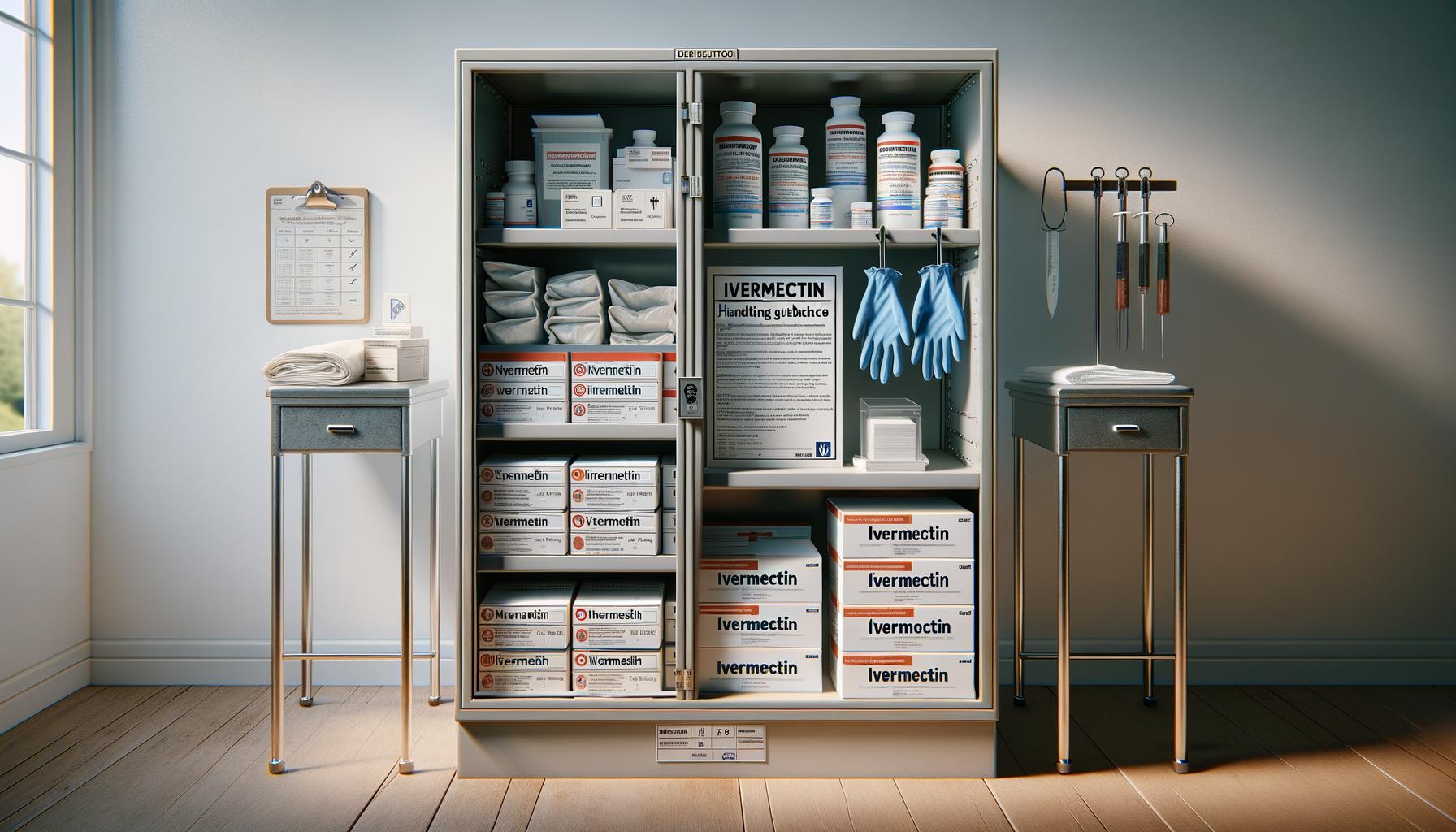
Storage and Handling: Ensuring Safe Use of Ivermectin
Proper storage and handling of ivermectin play a vital role in preserving its effectiveness and ensuring safety during use. This medication should be kept in its original packaging to protect it from moisture and contamination. Most ivermectin formulations require storage at room temperature, typically between 20°C to 25°C (68°F to 77°F), away from direct sunlight and heat sources, which can degrade the active ingredients and reduce its potency.
Keep ivermectin out of reach of children and pets to prevent accidental ingestion, especially since veterinary formulations contain much higher doses that are unsafe for humans. For example, animal-grade ivermectin products should never be used for human treatment due to their concentration and formulation differences, which pose significant health risks if misused. Always verify the product label to ensure you have the correct medication prescribed specifically for your condition.
Protecting Medication Quality
- Avoid humidity: Bathrooms or other damp areas are not suitable for storing ivermectin as moisture can compromise the medication.
- Seal properly: After each use, ensure the bottle or blister pack is tightly closed to limit exposure to air and contamination.
- Follow expiration dates: Using ivermectin beyond its expiration date may compromise its safety and effectiveness.
- Disposal instructions: Unused or expired ivermectin should be discarded according to local regulations or pharmacy guidance to avoid environmental contamination or accidental use.
These steps support maintaining ivermectin’s stability, which is especially important for medications with narrow therapeutic windows where precise dosing effects are critical. If you notice any changes in color, texture, or smell of the ivermectin product, consult your pharmacist before use. Proper handling also involves adhering strictly to your healthcare provider’s prescription and not sharing medication with others, a practice that can lead to adverse effects and resistance in parasitic organisms.
By taking these precautions, you safeguard both yourself and others while maximizing treatment benefits. When in doubt, always reach out to a healthcare professional or pharmacist for personalized advice on storage and handling tailored to your specific ivermectin formulation and dosage.
Patient Testimonials: Personal Experiences with Ivermectin
Many individuals find that hearing real-world experiences adds valuable context to the technical details of taking ivermectin. For some, ivermectin has been a straightforward and effective part of their treatment journey, especially when prescribed for parasitic infections. Patients often appreciate that adhering to dosing instructions and timing helps minimize side effects and ensures the best possible outcomes. For example, several users report feeling relief from symptoms like itching or gastrointestinal discomfort shortly after starting their course, which reinforces the importance of following medical guidance precisely.
However, experiences vary due to factors like individual health, underlying conditions, or concurrent medications. Some people have noted mild side effects such as dizziness or nausea, which typically resolve quickly, emphasizing the significance of monitoring one’s reaction after the first dose. Others highlight the importance of communicating openly with their healthcare provider if any unexpected symptoms arise during treatment. This ongoing dialogue helps tailor the regimen appropriately or address any concerns, which can improve confidence in the process.
- Consistency matters: Taking ivermectin exactly as directed, including with or without food as advised, contributes to its effectiveness.
- Watch for side effects: Reporting any adverse effects promptly helps manage risks and improves safety.
- Don’t self-medicate: Personal accounts often caution against using veterinary or unapproved formulations, due to safety concerns.
Ultimately, personal stories underscore that while ivermectin can be beneficial when used correctly, it is not a one-size-fits-all solution. Relying on professional advice rather than anecdotal reports ensures treatment is both safe and effective. Listening to diverse patient feedback encourages realistic expectations and supports informed decision-making throughout the course of therapy.
Consulting Healthcare Professionals: When and Why to Seek Advice
Many people underestimate how crucial it is to involve healthcare professionals when considering or using ivermectin. While ivermectin has proven effective for specific parasitic infections, the medication’s proper use hinges on professional guidance to ensure safety and efficacy. Skipping this step can lead to misuse, unexpected side effects, or dangerous interactions with other medications. Consulting a healthcare provider helps navigate the complex decisions around dosing, timing, and monitoring, tailored to your unique health profile.
- Clarifying your diagnosis: Before starting ivermectin, a medical evaluation confirms whether it is appropriate for your condition. For instance, ivermectin is approved primarily for parasitic infections such as strongyloidiasis and onchocerciasis. Using it without a confirmed diagnosis may expose you to unnecessary risks.
- Personal factors matter: Age, liver and kidney function, pregnancy status, and concurrent illnesses can affect how your body processes ivermectin. Healthcare providers adjust doses or recommend alternatives based on these considerations.
- Monitoring for side effects: While generally well-tolerated, ivermectin can cause dizziness, nausea, or rash in some individuals. Having a professional monitor your response ensures prompt management of adverse events, minimizing complications.
- Drug interaction assessment: Ivermectin may interact with medications such as blood thinners or other antiparasitic agents. A healthcare provider’s review prevents harmful drug interactions that you might not anticipate on your own.
When to Reach Out
If you experience unusual symptoms-like persistent dizziness, severe rash, or gastrointestinal distress-immediately notify your healthcare provider. Also, seek advice before combining ivermectin with other treatments or if you have underlying health conditions like immunosuppression or liver disease. Lastly, never begin or stop treatment without professional direction, especially since some formulations are unsafe for human use (e.g., veterinary ivermectin products).
Taking ivermectin within an informed, supervised framework empowers you to gain maximum benefit while reducing risks. Think of your healthcare provider as a partner who can provide evidence-based recommendations and ongoing support tailored to your health needs. It’s that collaboration which transforms medication use from guesswork into safe, effective care. Always prioritize consultation over anecdotes or self-medication, ensuring every step you take with ivermectin is backed by expertise and sound judgment.
Regulatory Status: Understanding Ivermectin’s Approval and Guidelines
Ivermectin has a well-established regulatory history as a medication primarily approved to treat specific parasitic infections in humans, such as strongyloidiasis and onchocerciasis. However, it is crucial to understand that its approval is condition-specific and varies by country. Regulatory agencies like the U.S. Food and Drug Administration (FDA), the European Medicines Agency (EMA), and the World Health Organization (WHO) play key roles in setting guidelines based on rigorous evidence assessing safety and efficacy.
Despite some public interest in ivermectin for other uses-including viral infections like COVID-19-major health authorities do not endorse its use outside approved indications. For example, the FDA has explicitly cautioned against using ivermectin products intended for animals, which differ significantly in formulation and dosage, posing serious safety risks when misused by humans. Similarly, NIH, WHO, and EMA guidelines emphasize that available clinical trial data do not support ivermectin as a safe or effective treatment for COVID-19 or other viral illnesses at this time [2].
- Approved formulations: Human-use ivermectin comes in specific doses and delivery forms (tablets or creams), tailored to treat targeted parasitic infections. Using veterinary products or incorrect dosages can lead to toxicity or insufficient treatment.
- Prescription-only access: In most countries, ivermectin is classified as a prescription medication, meaning a healthcare professional must evaluate your condition and authorize its safe use. Self-medicating or purchasing without oversight can increase risks.
- Ongoing review and updates: Regulatory bodies continually review emerging scientific evidence. Should new applications for ivermectin be substantiated by credible research, guidelines will reflect these changes to ensure public safety.
Practical Tips for Navigating Approval and Guidelines
To make the most of ivermectin’s benefits, always confirm that your pharmacy provides a product approved for human use and prescribed by a knowledgeable healthcare provider. If you encounter conflicting messages-as sometimes happens on social media or unofficial sources-refer to trusted public health organizations and consult your medical professional. This approach safeguards your health while respecting the medication’s intended purpose.
Understanding the regulatory context empowers you to separate fact from speculation. By following approved guidelines, you minimize the chance of adverse effects or legal issues related to unauthorized use. Remember, regulatory approval means that ivermectin’s development and monitoring have undergone strict scrutiny-information that ultimately protects you as a patient. Trust the process, and always keep your healthcare team informed about any treatments you are considering or currently using.
Q&A
Q: How should I adjust ivermectin dosing if I miss a scheduled dose?
A: If you miss a scheduled ivermectin dose, take it as soon as possible. If it’s near the time for your next dose, skip the missed one and continue as prescribed. *Never double doses* to catch up, as this increases side effect risks. Always follow your healthcare provider’s guidance for dose adjustments.
Q: Can taking ivermectin with food affect its absorption?
A: Yes, taking ivermectin with food can improve its absorption and enhance effectiveness. For best results, take it with a light meal or snack unless your doctor advises otherwise. This practical tip supports optimal blood levels, maximizing therapeutic benefits.
Q: What precautions should be taken when using ivermectin in elderly patients?
A: Elderly patients should use ivermectin cautiously due to potential increased sensitivity and risk of side effects. Start with the lowest effective dose and monitor for adverse reactions closely. Consulting a healthcare professional is critical for personalized dosing and safety.
Q: How can I recognize if ivermectin is not working and what steps should I take?
A: If symptoms persist or worsen after ivermectin treatment, it may not be effective. Contact your healthcare provider promptly for re-evaluation. They may adjust your treatment plan or investigate alternative therapies to ensure proper care.
Q: Is there a recommended timeframe for spacing ivermectin doses when repeated treatments are necessary?
A: Repeated ivermectin treatments should generally be spaced at least 1 to 2 weeks apart to minimize toxicity and allow the body to clear the drug. Always follow medical advice specific to your condition for safe timing between doses.
Q: Can I use ivermectin alongside common supplements like vitamins or probiotics?
A: Ivermectin usually has no significant interaction with common supplements such as vitamins or probiotics. However, discuss all supplements with your healthcare provider to ensure safety and avoid unexpected interactions.
Q: How should ivermectin be administered to children for safe and effective use?
A: Ivermectin use in children requires precise weight-based dosing and medical supervision. It should only be administered when prescribed by a pediatric healthcare provider, ensuring *safe and effective treatment* tailored to the child’s needs.
Q: What are the best practices for monitoring side effects during ivermectin treatment at home?
A: Monitor for common side effects like dizziness, nausea, or rash during ivermectin use. Keep a symptom diary and report any severe or unusual reactions immediately to your healthcare provider. Staying informed helps ensure safe, optimal treatment outcomes.
*For more detailed guidance, refer to relevant sections like Administration Methods and Side Effects and Risks in the main article. Always consult your healthcare professional before making changes to your ivermectin use.*
In Retrospect
Understanding how to take ivermectin safely and effectively empowers you to manage parasitic infections with confidence. By following practical usage instructions and best practices, you minimize risks and optimize treatment outcomes. If any questions remain about dosage or potential side effects, consulting a healthcare professional is a wise next step to ensure personalized guidance.
Explore more resources and detailed information on ivermectin uses, side effects, and related treatments to stay informed and proactive about your health. Don’t forget to subscribe to our newsletter for the latest insights and updates on antiparasitic medications and wellness tips. Your informed choices today pave the way for healthier tomorrow-join the conversation by sharing your experiences or questions below, and continue discovering reliable, science-backed health solutions with us.
Get our latest guides, news, and insights highlighted in your Google Search & AI Overviews.