

Did you know that a topical treatment originally used for parasitic infections is now making waves in skincare? Ivermectin cream, applied directly to the skin, offers a natural way to manage inflammatory conditions like rosacea, reducing redness and bumps with a good safety profile. If you struggle with persistent skin irritation or redness, understanding how ivermectin cream works might be a valuable step toward clearer, calmer skin. This treatment targets inflammation at its source, helping to restore your skin’s balance without relying on antibiotics. As with all treatments, it’s important to consult a healthcare professional to see if this option suits your individual needs. In this article, we’ll explore the science behind ivermectin cream, its benefits, and what to consider before use-empowering you to make informed decisions about your skin health.
Understanding Ivermectin: What You Need to Know
Ivermectin cream is more than just a topical treatment; it represents a unique approach to managing certain skin conditions by addressing their root causes rather than merely masking symptoms. Originally developed as an antiparasitic agent, ivermectin has gained recognition in dermatology for its anti-inflammatory and anti-microbial properties, particularly in treating conditions linked to skin inflammation and microbial imbalance.
At its core, ivermectin works by targeting microscopic skin parasites and bacteria that contribute to chronic inflammation and skin irritation. For example, it is effective against *Demodex* mites, tiny creatures naturally found on our skin but which can multiply excessively and trigger redness, itching, or lesions in sensitive individuals. By reducing the population of these mites, ivermectin can help restore the natural balance of the skin and calm persistent irritation.
Understanding how ivermectin influences skin health also involves recognizing its dual benefit: it combats harmful microorganisms while soothing inflammation. This makes it especially useful for conditions like rosacea, where redness and inflammatory lesions arise partly due to an overactive immune response and microbial triggers. Unlike general antibiotics, ivermectin’s targeted action reduces the risk of resistance and spares beneficial skin bacteria, supporting healthier skin over time.
For those curious about practical use, it’s important to recognize that ivermectin cream is typically applied as a thin layer to clean, dry skin once daily. Consistency and patience are key, as improvements may develop gradually over several weeks. Users should always consult healthcare professionals to ensure this treatment suits their unique needs and to understand possible side effects or interactions with other skincare products.
- Key points to remember:
- Ivermectin addresses parasites and bacteria involved in skin inflammation.
- It offers anti-inflammatory benefits promoting calmer, clearer skin.
- Best used under medical guidance for tailored, safe application.
This balanced view highlights ivermectin’s role as a scientifically backed option that taps into natural biological processes, giving users an informed foundation for considering it as part of their skincare routine.
[3], [2]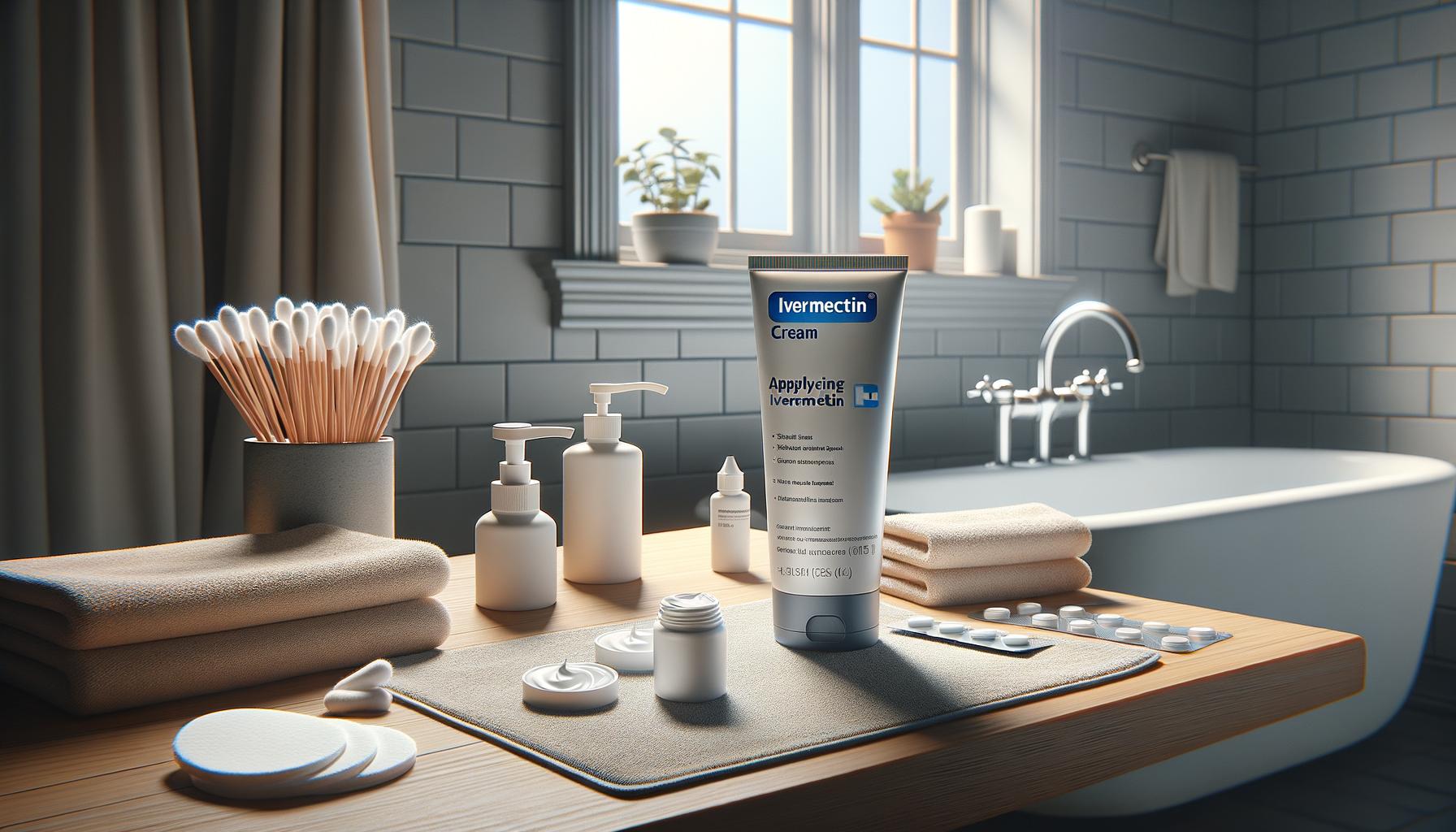
How Ivermectin Cream Works for Skin Health
Ivermectin cream works by addressing specific causes of skin trouble that often go unnoticed, such as microscopic parasites and bacteria. One of its primary targets is *Demodex* mites-tiny organisms naturally present on our skin. While usually harmless, these mites can multiply excessively in some people, leading to inflammation, redness, and irritation. Ivermectin helps reduce their numbers, allowing the skin’s natural balance to recover and inflammation to subside.
Beyond its antiparasitic action, the cream exhibits anti-inflammatory effects by calming the body’s immune response to triggers on the skin. This dual effect makes it particularly effective for inflammatory conditions like rosacea, where redness and bumps arise partly because of heightened immune activity reacting to microbial imbalance. Unlike broad-spectrum antibiotics, ivermectin selectively targets problematic microbes without disrupting beneficial bacteria, which supports long-term skin health.
- How it acts on the skin: penetrates the surface to reach microscopic organisms
- Targets parasites and harmful bacteria that provoke inflammation
- Reduces immune system overreaction that causes redness and irritation
- Preserves healthy skin microbiome unlike many antibiotic treatments
For practical use, applying a thin, even layer to clean, dry skin ensures optimal absorption. Consistency over weeks is essential-improvements might not appear immediately but will gradually emerge as parasites diminish and inflammation calms. Consulting a healthcare professional before starting ivermectin cream is always advisable to ensure it aligns with your specific skin needs and doesn’t interfere with other treatments.
This targeted, natural approach helps explain why many find ivermectin more than a symptom reliever-it addresses underlying causes, promoting clearer, healthier skin with fewer side effects compared to conventional treatments.
Benefits of Using Ivermectin Cream for Skin Issues
Ivermectin cream stands out as a versatile option for managing stubborn skin issues, especially those linked to underlying microbial imbalances rather than just surface symptoms. Its unique ability to target microscopic parasites like *Demodex* mites, which often go unnoticed but play a key role in inflammation and irritation, sets it apart from traditional treatments. By reducing these hidden triggers, the cream helps restore skin calm and clarity naturally, minimizing the cycle of redness and bumps common in conditions such as rosacea.
Many users appreciate ivermectin cream because it does more than just mask symptoms-it addresses root causes while supporting the skin’s delicate ecosystem. Unlike broad-spectrum antibiotics that can disrupt beneficial bacteria, ivermectin selectively targets harmful organisms without compromising the microbiome. This balanced approach encourages healthier skin over time and can reduce the risk of rebound flare-ups often seen with other medications.
Practical Benefits You Can Expect
- Reduction in redness and inflammation: The cream’s anti-inflammatory properties soothe irritated skin, leading to a more even, calmer complexion.
- Improvement in pustules and bumps: By eliminating parasites and controlling overactive immune responses, ivermectin helps diminish pimples and raised lesions.
- Long-term skin balance: Users often notice sustained improvement, as the treatment supports a balanced microbial environment essential for skin health.
- Well-tolerated with fewer side effects: Many find ivermectin cream gentler on the skin than harsh antibiotics or steroids, making it suitable for sensitive or reactive skin types.
Example Use Case
Someone struggling with persistent rosacea who has tried multiple topical antibiotics may find ivermectin cream a refreshing alternative. After consistent use, it can reduce their reliance on medications that strip the skin, helping maintain clearer skin with less irritation.
Before starting any new treatment, it’s wise to consult a healthcare professional to ensure the cream fits your skin’s unique needs. While ivermectin cream offers many advantages, individual responses vary, and a tailored approach maximizes benefits while minimizing risks.
Potential Side Effects and Risks of Ivermectin Cream
Ivermectin cream is generally well tolerated, but like any medication, it carries the possibility of side effects. Understanding these potential reactions helps you recognize what to expect and when to seek professional advice. Most users experience mild effects that ease quickly as the skin adjusts to treatment, but being informed supports safer, more confident use.
Common side effects tend to be local skin reactions, reflecting the cream’s action on sensitive areas. These may include mild redness, burning, itching, or dryness at the application site. Such symptoms typically manifest during the first few days and usually subside without needing to stop the treatment. Occasionally, users might notice a slight peeling or scaling as the skin clears and renews itself. If irritation worsens or persists, it’s important to pause use and consult a healthcare provider.
Rare but more serious reactions can include allergic responses such as swelling, hives, or pronounced rash. These warrant immediate medical attention. Also, while systemic side effects are uncommon with topical application, individuals with very sensitive skin or compromised skin barriers might experience discomfort or inflammation that extends beyond the treated area.
Practical Tips to Minimize Risks
- Conduct a patch test: Apply a small amount of cream to a discreet area before full use to check for sensitivity.
- Follow prescribed guidelines: Use the cream as directed, avoiding over-application, which can increase irritation risk.
- Avoid combining with harsh products: Steer clear of other strong topical agents or exfoliants during treatment to reduce skin stress.
- Communicate with your healthcare provider: Report unusual or severe reactions promptly to adjust therapy safely.
Being mindful of these side effects and risks empowers you to use ivermectin cream effectively and safely. Remember, benefits often outweigh mild, temporary discomfort, especially when this treatment provides relief where other options fall short. Still, personalized care remains key, with medical guidance helping to tailor use and manage any challenges that arise.
Applying Ivermectin Cream: Best Practices and Tips
Many users find that the key to unlocking the full benefits of ivermectin cream lies in how thoughtfully and consistently it is applied. The skin is a delicate organ, and the effectiveness of topical treatments depends not only on the active ingredients but also on the technique and timing of application. Taking a patient, measured approach helps your skin respond optimally while minimizing the risk of irritation.
Before applying the cream, make sure your skin is clean and thoroughly dry. This allows the medication to penetrate better without being diluted or blocked by oils, sweat, or residual skincare products. Using ivermectin cream on damp skin can sometimes increase sensitivity, so gently pat your face dry and wait a few minutes beforehand. Many people find it easiest to apply the cream once daily, preferably in the evening, as this gives the medication uninterrupted time to work overnight without interference from sun exposure or makeup.
To get the most from each treatment, apply a thin, even layer. A little goes a long way, so avoid heavy or excessive amounts which may lead to irritation or clog pores. With your fingertips, gently smooth the cream over the entire affected area, extending a bit beyond visible lesions to ensure thorough coverage. Be careful to steer clear of sensitive spots like the eyes, lips, and any open wounds. Applying the cream in this careful, controlled manner respects your skin’s natural barrier and supports gentle, effective healing.
Helpful Routines and Considerations
- Patch Test Early: Before starting regular use, test a small patch to rule out allergic reactions.
- Avoid Mixing Harsh Treatments: Steer clear of abrasive scrubs or strong acids during ivermectin therapy to prevent compounding irritation.
- Stick to Prescribed Timing: Whether daily or as directed, maintain a consistent routine to maximize results.
- Use Sunscreen: If applying during the day, follow with broad-spectrum SPF to protect your healing skin from UV damage.
- Patience Is Key: Visible improvements may take several weeks; don’t rush or overuse the product hoping for faster results.
Real-world experience shows that combining proper application with healthy skin habits-such as gentle cleansing and moisturizing-creates the ideal environment for ivermectin to work. Always consult your healthcare provider if uncertain about your routine or if you notice worsening symptoms. Their guidance can help tailor the regimen to your unique skin needs, balancing benefits with safety. Thoughtful use today paves the way for healthier, clearer skin tomorrow.
Ivermectin vs. Other Skin Treatments: A Comparison
Ivermectin cream stands out among topical treatments due to its unique mode of action and favorable safety profile, making it a valuable option for various skin conditions such as rosacea and certain parasitic infections. Unlike traditional antibiotics or anti-inflammatory creams, ivermectin targets specific microscopic parasites and mites that can exacerbate skin inflammation, helping reduce redness and lesions effectively. This mechanism provides a more targeted approach, often with fewer risks of antibiotic resistance or broad immune suppression.
When compared to other common treatments like metronidazole or azelaic acid, ivermectin often shows comparable or superior efficacy in reducing inflammatory lesions with a once-daily application, which supports better user adherence. For instance, several studies highlight ivermectin’s advantage in having both anti-parasitic and anti-inflammatory properties, while other treatments primarily address inflammation alone. Patients have noted that ivermectin’s tolerability and reduced incidence of dryness or irritation make it a preferred choice, especially for sensitive skin types.
Comparing Ivermectin Cream with Other Popular Topical Treatments
| Treatment | Primary Action | Typical Use | Application Frequency | Common Side Effects |
|---|---|---|---|---|
| Ivermectin 1% Cream | Anti-parasitic, anti-inflammatory | Rosacea, scabies | Once daily | Skin dryness, mild irritation |
| Metronidazole Cream | Anti-inflammatory, antibacterial | Rosacea | Twice daily | Burning, dryness, redness |
| Azelaic Acid | Antibacterial, keratolytic | Rosacea, acne | Twice daily | Itching, stinging, peeling |
| Permethrin Cream | Anti-parasitic | Scabies | Once daily (short course) | Itching, redness |
In some cases, ivermectin is favored over permethrin for scabies due to similar efficacy but better tolerance with less skin irritation reported in clinical trials. Additionally, while ivermectin and permethrin both act against parasites, ivermectin’s longer-lasting anti-inflammatory effect adds to its therapeutic value.
Practical Advice for Choosing the Right Treatment
- Consider your skin type and sensitivity: Ivermectin may be gentler than other topical agents on sensitive or inflamed skin.
- Assess your condition: For parasitic causes, ivermectin provides targeted action, whereas other creams might focus more on inflammation control.
- Think about convenience: A once-daily dose like ivermectin can lead to better compliance versus multiple daily applications required by alternatives.
- Consult your healthcare provider: They can guide you on suitability based on your skin’s characteristics and any underlying conditions.
Ultimately, ivermectin cream is a versatile and scientifically supported option within the broader spectrum of skin treatments. While it’s not universally superior for every condition, its combined anti-parasitic and anti-inflammatory actions offer a distinct advantage in many cases. Balancing efficacy, safety, and ease of use can help you make an informed choice that aligns with your skin health goals.
User Experiences and Testimonials on Ivermectin Cream
Many users report noticeable improvements in skin redness, inflammation, and lesion reduction within just a few days of consistent ivermectin cream use. This rapid response often surprises those new to the treatment, especially for chronic conditions like rosacea, where managing flare-ups can feel discouraging. One user remarked significant relief from persistent redness and discomfort after approximately three days, highlighting ivermectin’s dual ability to target microscopic skin mites and soothe inflammation[[[1]](https://www.theindependentpharmacy.co.uk/rosacea/guides/soolantra-cream-reviews-what-do-soolantra-users-think).
What stands out in user testimonials is the cream’s compatibility with sensitive skin types. Many individuals who struggled with irritation from other topical treatments found ivermectin cream to be gentler, with fewer reports of dryness or burning sensations. This factor often improves adherence, as treatments that irritate skin frequently lead to inconsistent use. Still, some users note mild side effects such as light skin dryness or tingling during the first few applications, which typically subside with continued use.
Practical Insights from Real Users
- Consistent application matters: Users emphasize that once-daily dosing makes it easy to integrate ivermectin into their routines, improving outcomes.
- Patience pays off: Although many see early benefits, fuller improvements in skin texture and lesion count may take several weeks.
- Consultation helps: Some found that working with a dermatologist to monitor progress and adjust complementary skincare boosted their results and minimized side effects.
These firsthand experiences align well with clinical data supporting ivermectin’s combined anti-parasitic and anti-inflammatory actions. However, it’s important to remember that individual results can vary. Users with more severe inflammation or coexisting skin conditions may need tailored approaches under medical supervision. Overall, the cream offers a welcomed alternative for those seeking a targeted and tolerable topical option in their skincare journey[[[3]](https://pubmed.ncbi.nlm.nih.gov/26254001).
Scientific Research Supporting Ivermectin for Skin Health
Ivermectin’s role in skin health is well-supported by a growing body of scientific research, especially in treating conditions linked to microscopic skin mites and underlying inflammation. Studies have documented its dual action: it combats Demodex mites-tiny parasites implicated in disorders like rosacea-and simultaneously calms inflammatory responses that contribute to redness, swelling, and irritation. This combination explains why ivermectin cream often delivers noticeable improvements where other treatments may fall short.
Researchers highlight that ivermectin’s anti-parasitic properties reduce mite populations substantially, disrupting their role in provoking immune reactions. At the same time, its anti-inflammatory effects inhibit inflammatory molecules in the skin, which helps alleviate symptoms such as persistent redness and burning sensations. Clinical trials have consistently reported a reduction in lesion counts and overall symptom severity after weeks of use, confirming the cream’s effectiveness beyond anecdotal reports.
- Anti-parasitic efficacy: Ivermectin targets Demodex mites that are invisible to the naked eye but crucial in driving inflammatory skin conditions.
- Anti-inflammatory benefits: It modulates immune system activity locally, helping to soothe irritated skin and reduce long-term flare-ups.
- Safety profile: Topical ivermectin is generally well-tolerated, with mild side effects often limited to temporary dryness or tingling.
These findings empower users to make informed decisions, understanding that while ivermectin isn’t a universal cure, it offers a scientifically backed, targeted approach for many with chronic skin inflammation. It remains important to consult healthcare professionals for personalized advice, particularly when combining treatments or managing concurrent skin disorders. As always, ongoing research continues to refine our understanding of ivermectin’s place in dermatology, ensuring users receive care grounded in the latest evidence.
Natural Ingredients That Complement Ivermectin Cream
The effectiveness of ivermectin cream can be enhanced by pairing it with natural ingredients known for their soothing and restorative properties. Many people managing sensitive or inflamed skin seek gentle, complementary options that reduce irritation while supporting the skin’s natural healing processes. Ingredients derived from plants and minerals often bring antioxidant, anti-inflammatory, and moisturizing benefits that work well alongside ivermectin’s targeted anti-parasitic action.
Key Natural Ingredients to Support Skin Health
- Aloe Vera: This classic botanical extract is rich in vitamins, enzymes, and antioxidants. It hydrates the skin deeply and calms inflammation, helping to alleviate any dryness or irritation that might occur during ivermectin treatment. Aloe vera’s cooling effect can soothe redness and promote barrier repair.
- Green Tea Extract: Known for its potent antioxidant properties, green tea reduces oxidative stress on the skin and minimizes inflammation. Studies show it can modulate immune responses and reduce redness, making it a smart complement to the anti-inflammatory benefits of ivermectin.
- Niacinamide (Vitamin B3): A versatile skincare ingredient, niacinamide supports the skin’s barrier function, improves moisture retention, and calms inflammation. Its anti-redness effect can enhance the visible results of ivermectin, especially in conditions like rosacea.
- Calendula: Traditionally used for its gentle healing properties, calendula flower extracts have anti-inflammatory and antimicrobial effects. It may ease irritation and encourage skin regeneration, supporting ongoing skin health during topical treatments.
Integrating Natural Ingredients Safely
While integrating these natural ingredients can improve comfort and skin resilience, it’s important to introduce them gradually and observe how your skin responds. Always perform a patch test before combining topical products, as sensitive skin might react differently. Discuss any additions with a healthcare provider to ensure compatibility with ivermectin and avoid unexpected interactions or irritations.
Practical Tips for Use
- Use a gentle, fragrance-free moisturizer containing one or more of these natural ingredients either before or after applying ivermectin cream, depending on your provider’s advice.
- Apply aloe vera gel or calendula-based products in the evening to accelerate skin repair overnight.
- Choose cleansers and toners with green tea extract or niacinamide to maintain calm, balanced skin throughout the day.
This combined approach recognizes that while ivermectin targets the root causes of certain inflammatory skin conditions, natural ingredients can nurture the skin’s overall health, easing symptoms and promoting lasting comfort. Balancing scientifically proven treatments with thoughtful supportive care empowers you to manage your skin holistically and confidently.
Frequently Asked Questions About Ivermectin Cream
Many people wonder how ivermectin cream stands out among skin treatments and whether it’s right for their condition. Understanding this topical medication’s role can clear up confusion and help you make safer, more informed decisions. Ivermectin cream is specifically designed to target inflammatory skin conditions like rosacea by reducing the population of microscopic mites and calming inflammation. Its action is localized, minimizing systemic effects common with oral medications.
- How quickly can I expect results? Most users notice improvement within 4 to 8 weeks of daily application. Skin texture often smooths out gradually, and redness diminishes as inflammation subsides. Consistency is key, as the cream works by modulating underlying causes rather than just masking symptoms.
- Is ivermectin cream safe for sensitive skin? Generally, it is well tolerated. However, mild irritation or dryness can occur, especially during the first few weeks. Pairing the cream with gentle moisturizers or natural soothing ingredients like aloe vera or niacinamide may help ease any discomfort while supporting the skin barrier.
- How should I apply ivermectin alongside other skincare products? To avoid interactions or reduced effectiveness, apply ivermectin cream once daily in a thin layer on clean, dry skin. Wait at least 10 to 15 minutes before applying moisturizer or sunscreen. Avoid layering with strong exfoliants or products containing retinoids unless advised by a healthcare provider.
- Can ivermectin cream be used long term? Maintenance use is possible and often recommended by dermatologists to keep rosacea under control. However, it’s best to have periodic check-ins with your clinician to monitor skin response and adjust treatment as needed.
- What if I miss a dose? Applying the cream as close to your normal time as possible is ideal. If you skip a day, simply resume your routine the next day-do not double up applications.
- Are there any known interactions with other medications? Topical ivermectin cream has minimal systemic absorption, so drug interactions are rare. Still, always disclose all medications and skincare treatments you use when consulting your healthcare provider to ensure safe combined use.
Understanding Side Effects and When to Seek Help
Though uncommon, some users report burning, stinging, or increased redness shortly after applying the cream. These sensations usually ease with continued use. However, if you experience severe swelling, rash, or signs of allergic reaction, discontinue use immediately and seek medical advice. Monitoring your skin and communication with your doctor help ensure a safe and effective treatment course.
Practical Tips from Experienced Users
Many people find it helpful to start ivermectin cream in the evening, allowing any mild irritation to calm overnight. Combining it with fragrance-free moisturizers that contain calming botanicals can enhance comfort. Patience is essential; even if you don’t see immediate changes, the cream often improves skin condition subtly and steadily.
Ultimately, while ivermectin cream is a powerful tool for managing inflammatory skin disorders, it works best as part of a thoughtful, comprehensive skincare strategy tailored to individual needs. If you have questions or concerns, consulting a healthcare professional is always the safest path forward.
Where to Find Ivermectin Cream: Guide for Consumers
Finding a reliable source for ivermectin cream can feel overwhelming, especially given the variety of options available both offline and online. Fortunately, many consumers now have easier access to this medication thanks to broader distribution channels. Before purchasing, it’s essential to understand where to look and how to verify product legitimacy to ensure safety and effectiveness.
Pharmacies remain the most trusted avenue to obtain ivermectin cream. Many community pharmacies stock FDA-approved formulations, often requiring a prescription due to the medication’s specific use in treating conditions such as rosacea. For example, well-known retailers like Walgreens provide ivermectin lotion and cream, sometimes offering convenient pickup or same-day delivery options that facilitate access without long waits[[[1]](https://www.walgreens.com/store/c/walgreens-ivermectin-lotion-0.5/ID=300431340-product). Using a local pharmacy also allows for direct pharmacist consultation, a valuable resource when you have questions about application or interactions.
Online pharmacies and authorized digital health platforms are an increasingly popular alternative, especially for those in remote areas or with mobility challenges. However, consumers should exercise caution: purchase only from reputable sources that require a prescription and verify product authenticity. When shopping online, look for certifications such as Verified Internet Pharmacy Practice Sites (VIPPS) or other regulatory endorsements. Avoid sites that sell ivermectin cream without a prescription or offer suspiciously low prices, as these are often indicative of counterfeit or unsafe products.
Tips for Consumers When Purchasing Ivermectin Cream
- Consult your healthcare provider first. A prescription ensures the cream is appropriate for your condition and use.
- Verify the product concentration and manufacturer. Ivermectin creams typically come in a 1% concentration for skin uses; ensure your source stocks clinically recognized brands.
- Be aware of local regulations. Some countries or states may have restrictions on ivermectin availability, affecting where you can legally purchase it.
- Check packaging and expiration dates. Authentic products have secure seals and clearly marked expiry information.
Making Informed Decisions
Remember that while ivermectin cream can be transformative for skin health, it’s not a universal solution for all skin conditions. Discuss all your skin concerns and current treatments with a healthcare professional prior to starting ivermectin. They can help guide you to reputable sources and monitor your response to the therapy. Taking these careful steps empowers you to use ivermectin cream effectively and safely, maximizing potential benefits without unnecessary risk.
By combining patience with proactive research, you can navigate the landscape of where to find ivermectin cream confidently, turning your skin health goals into achievable results without compromise.
Consulting with Healthcare Professionals About Ivermectin Cream
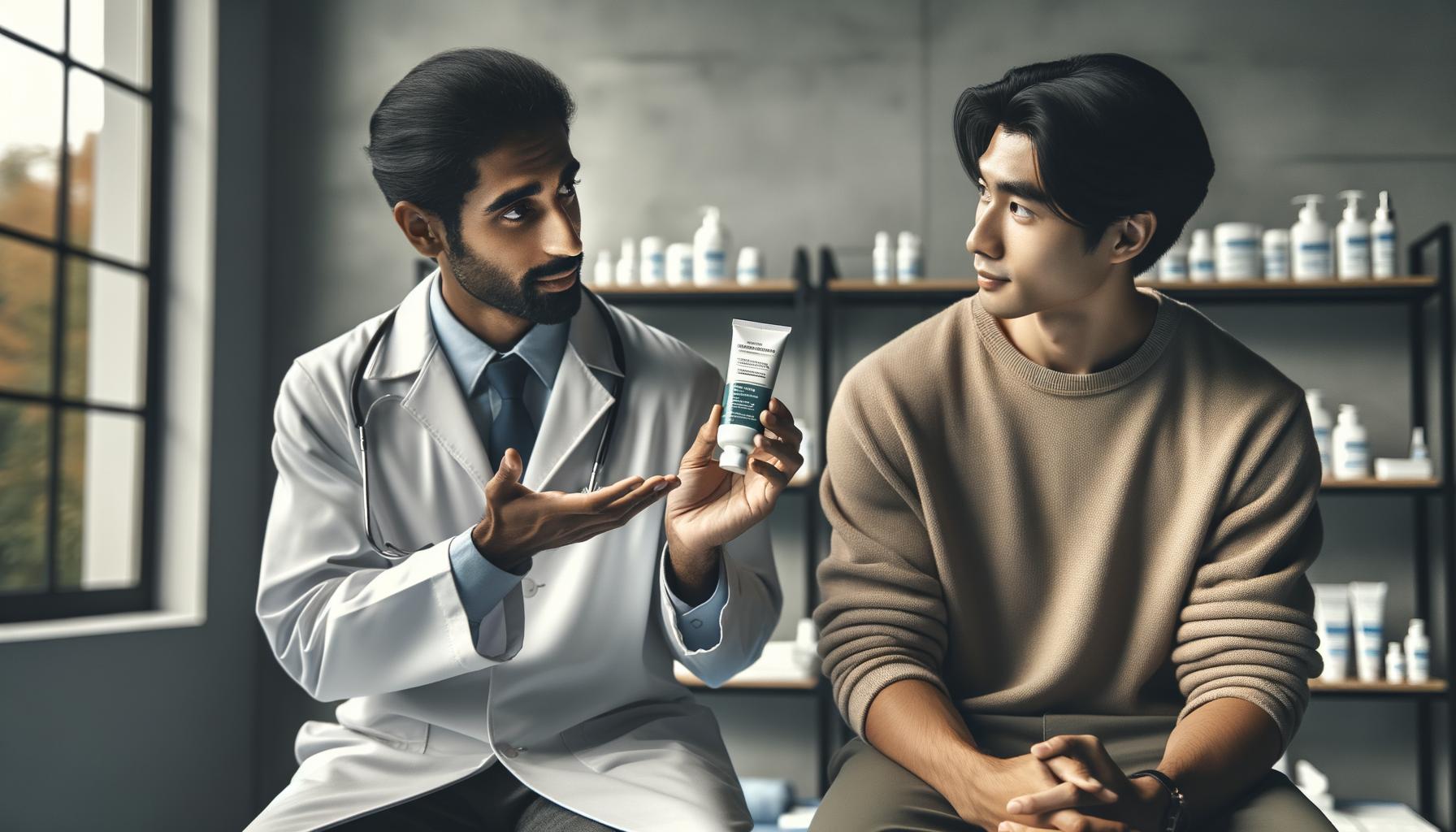
Many people find that the journey to clearer, healthier skin starts with a conversation-preferably with a healthcare professional who can provide personalized insight. Consulting with a dermatologist or qualified healthcare provider before beginning ivermectin cream is crucial. They assess your individual skin condition, help rule out other causes, and determine if ivermectin is the right choice based on your medical history and skin type. Their expertise ensures that you receive a tailored treatment plan rather than relying on trial and error.
Healthcare professionals can also clarify how ivermectin works and set realistic expectations about its benefits and limitations. For example, while ivermectin effectively reduces inflammation related to conditions like rosacea or certain parasitic skin infestations, it is not a cure-all for every rash or irritation. Discussing your current skincare routine and any other medications helps prevent potential interactions or adverse reactions. This step safeguards your skin health by ensuring compatibility and safety.
When visiting your provider, consider bringing notes or photos documenting your skin changes. This information can improve diagnosis accuracy and treatment monitoring. After prescribing ivermectin cream, many clinicians schedule follow-ups to gauge progress, adjust dosing if necessary, and address any side effects early. Such ongoing support increases the chances of a successful outcome and helps you feel confident throughout your healing process.
Helpful Tips for Product Use and Communication
- Be open about your full medical history. Include allergies, other skin conditions, or systemic illnesses.
- Ask about application frequency and what to expect during treatment. Some skin can temporarily become red or dry as it adjusts.
- Discuss alternative or complementary therapies. Your provider might recommend moisturizing agents or lifestyle changes alongside ivermectin.
- Inform your doctor of any new symptoms promptly. Early intervention prevents complications.
Empowering yourself through informed dialogue elevates treatment beyond a simple prescription. It transforms care into a partnership built on trust, knowledge, and clear communication-key factors for achieving lasting skin health improvements.
Frequently asked questions
Q: How soon can I expect to see results after using ivermectin cream for skin health?
A: You can typically expect to see noticeable improvement in redness and inflammation within 2 to 4 weeks of consistent ivermectin cream use. Results vary based on skin condition severity, so continue treatment as directed and consult your healthcare provider for personalized guidance to maximize benefits.
Q: Can ivermectin cream be safely used alongside other natural skincare products?
A: Yes, ivermectin cream can often be combined with gentle, natural skincare ingredients like aloe vera or chamomile. However, avoid harsh exfoliants or irritants to prevent skin sensitivity. Always patch test new combinations and discuss with a dermatologist to ensure a safe, effective skincare routine.
Q: Why is ivermectin cream recommended specifically for rosacea-related redness?
A: Ivermectin cream targets inflammation and skin mites linked to rosacea, reducing redness and swelling effectively. Its anti-parasitic and anti-inflammatory properties make it a preferred natural option to calm rosacea symptoms and improve skin health with fewer side effects than many traditional treatments.
Q: How does seasonal skin sensitivity affect the use of ivermectin cream?
A: Seasonal changes can increase skin sensitivity, especially during dry winter or hot summer months. When using ivermectin cream, moisturize well and apply sunscreen to protect treated areas. Adjust frequency as needed under medical advice to avoid irritation, maintaining natural skin barrier health year-round.
Q: What precautions should be taken when using ivermectin cream on sensitive or delicate skin?
A: For sensitive skin, start with a small test area before full application. Use a thin layer to minimize irritation, and avoid harsh cleansers or products with fragrances. If redness or discomfort occurs, discontinue use and consult your healthcare professional for alternative natural treatments.
Q: Are there any lifestyle habits that enhance the effectiveness of ivermectin cream for skin improvement?
A: Maintaining a balanced diet, staying hydrated, and protecting skin from excessive sun exposure can enhance ivermectin cream’s effects. Incorporate gentle cleansing and moisturizing routines to support skin repair and natural health, complementing the cream’s action for clearer, calmer skin.
Q: How should ivermectin cream be stored to maintain its natural benefits?
A: Store ivermectin cream in a cool, dry place away from direct sunlight to preserve its potency and natural ingredients. Avoid excessive heat or humidity, which can degrade the product. Proper storage ensures maximum effectiveness for transforming your skin health naturally.
Q: Can ivermectin cream be used as part of a preventative skincare regimen?
A: While primarily used to treat existing skin conditions, ivermectin cream may help prevent flare-ups by controlling inflammation and mites associated with rosacea. Consult a healthcare professional before using it preventatively to tailor your regimen safely and effectively for long-term skin health.
Key Takeaways
Discover how ivermectin cream can support clearer, healthier skin by gently reducing inflammation and redness associated with common skin conditions. This scientifically backed topical treatment offers a natural pathway to transform your skin health, helping you regain confidence without harsh chemicals. If you’re considering next steps or managing lingering concerns, consulting a healthcare professional can personalize your skincare journey and optimize results.
Ready to take control of your skin’s future? Explore related topics like managing rosacea naturally, effective skincare routines, and anti-inflammatory treatments to deepen your understanding. Don’t forget to sign up for our newsletter for expert insights and the latest updates on skin health. Share your experiences or questions below to join our community-your feedback enriches our shared journey toward vibrant, balanced skin.
By choosing ivermectin cream and staying informed, you invest in a sustainable approach to skin wellness. Keep exploring, stay curious, and let us guide you through trusted skincare solutions designed with your health in mind.
Get our latest guides, news, and insights highlighted in your Google Search & AI Overviews.


