
Did you know that one of the most effective tools for protecting your dog from common parasites is a medication called ivermectin? Widely used to treat a range of intestinal and skin parasites, ivermectin helps keep dogs healthy by targeting harmful mites, worms, and other pests that can cause serious health issues. As a responsible pet owner, understanding how this medication works, its safe use, and potential risks is essential for making informed decisions about your dog’s care. This guide will walk you through everything you need to know-explaining ivermectin’s role, benefits, and limitations-so you can feel confident discussing options with your veterinarian and ensuring the best possible health for your furry friend. Whether you’re dealing with mites, heartworm prevention, or intestinal parasites, learning the facts about ivermectin empowers you to protect your dog safely and effectively. Keep reading to uncover practical advice backed by science and trusted by pet professionals.
Ivermectin: What Every Dog Owner Should Know
Many dog owners are surprised to learn that ivermectin isn’t just a simple dewormer, but a versatile medication with a wide range of uses and a solid safety record when used appropriately. This drug has transformed parasite management in pets by effectively targeting everything from intestinal worms to external mites. However, it’s essential to understand how ivermectin works and when it’s truly necessary to avoid misuse and potential risks.
Ivermectin functions by interfering with the nervous system of parasites, leading to their paralysis and death, making it a powerful tool against common foes like hookworms, roundworms, and certain mites. Yet, not all dogs react the same way to ivermectin, especially some breeds genetically predisposed to sensitivity. This means that while many dogs tolerate it well, others may face adverse effects at lower doses. That’s why it is critical to consult a veterinarian before starting treatment-this ensures the correct dose and confirms it is the best choice for your dog’s specific needs.
Many dog owners appreciate ivermectin’s broad applications but should keep in mind that it is not a one-size-fits-all solution. For instance, ivermectin is crucial in preventing heartworm disease, a life-threatening condition that many dogs face in certain regions. Given its potency, a vet’s guidance is indispensable to balance effective parasite control with safety, especially since even small errors in dosing or using products intended for other animals can lead to toxicity.
- Always confirm your dog’s health status and breed specifics with your vet.
- Never substitute ivermectin with products meant for other species without professional advice.
- Be mindful of symptoms that may indicate a sensitivity or reaction to the drug.
Approaching ivermectin with respect and knowledge empowers you to protect your dog effectively, avoiding unnecessary risks while reaping the benefits of this well-established veterinary medication.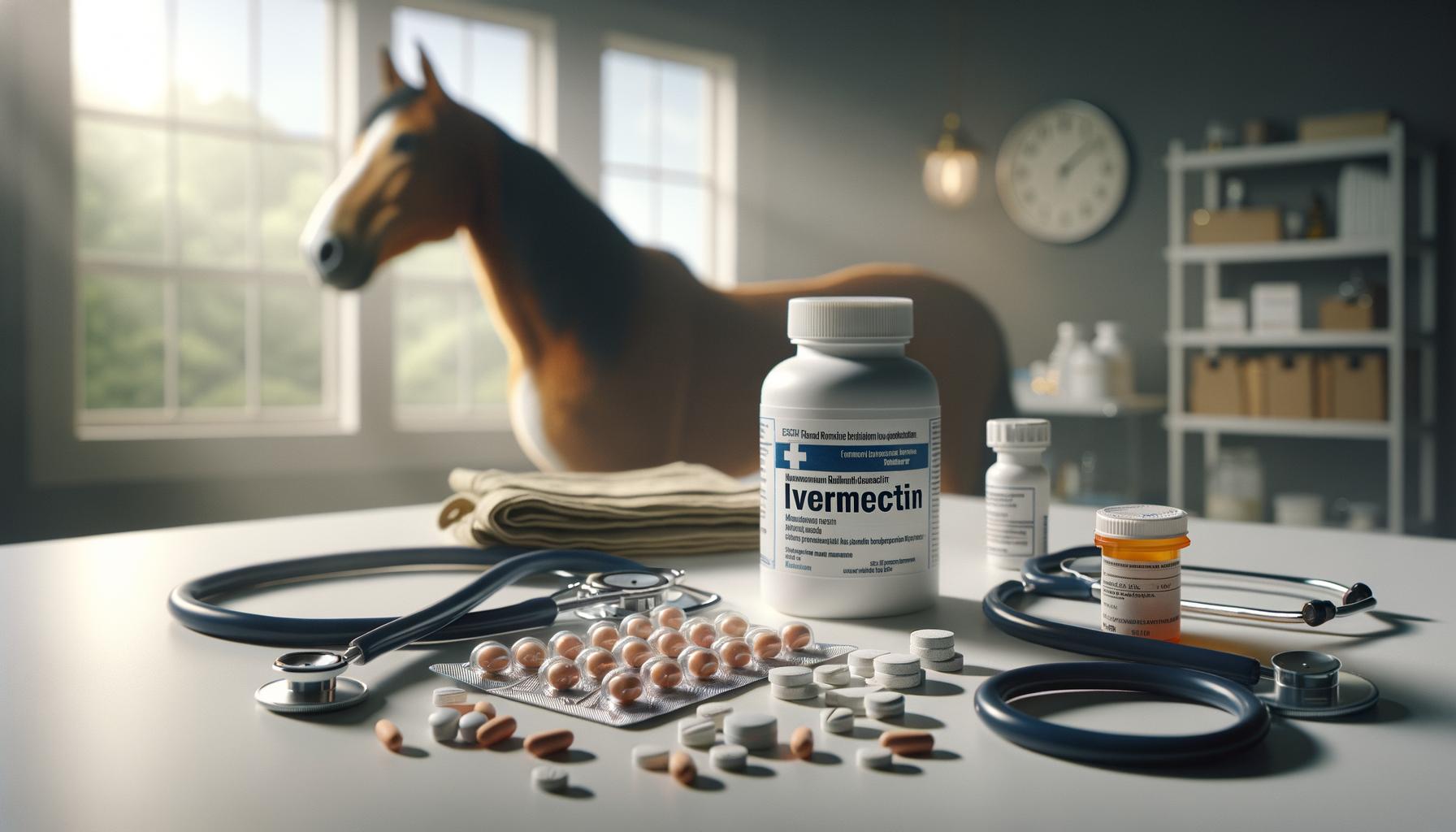
Understanding Ivermectin: Uses and Benefits
Ivermectin stands out as a remarkable medication in veterinary care due to its ability to target a wide array of parasites that threaten a dog’s health. Unlike treatments that focus on just one type of parasite, ivermectin works broadly to disrupt the nervous system of multiple pests, including internal worms and external mites. This characteristic makes it a versatile option for dog owners seeking effective parasite control without juggling multiple medications.
Beyond just tackling intestinal parasites like hookworms and roundworms, ivermectin plays a crucial role in preventing heartworm disease, a serious and potentially fatal condition transmitted by mosquitoes. Consistent, veterinarian-approved use of ivermectin-based products ensures that heartworm larvae are eliminated before they mature, providing a vital shield against this common canine threat. Additionally, ivermectin’s efficacy extends to treating skin conditions caused by mites, such as demodectic mange and scabies, which can be uncomfortable and contagious if left unchecked.
Wide-Ranging Benefits Backed by Science
Ivermectin’s success lies in its mode of action. By binding to specific receptors in the parasite’s nerve and muscle cells, it causes paralysis and eventual death of the invader. Importantly, this mode of action is highly selective for parasites and generally does not affect mammals at recommended doses. This selectivity underpins ivermectin’s safety profile when used correctly and underscores why it is a trusted tool in veterinary medicine.
For many dog owners, the convenience of ivermectin is also a significant benefit. It is available in various formulations-from oral tablets to topical treatments-allowing tailored administration that suits different pets and situations. This flexibility ensures compliance and consistent parasite control, which is fundamental to keeping dogs healthy over their lifetime.
Practical Tips for Making the Most of Ivermectin
- Always follow your vet’s prescription: Dosage and form vary based on your dog’s breed, size, and health condition.
- Preventive care is key: Use ivermectin as part of a year-round heartworm prevention program if recommended for your geographic area.
- Monitor your dog’s response: Watch for any unusual symptoms and report them to your vet promptly.
- Never use livestock or other animal formulations: These may contain unsafe concentrations or additives harmful to dogs.
Understanding ivermectin’s diverse applications empowers you to use it effectively, combining broad-spectrum parasite control with targeted prevention for your dog’s unique needs. This approach maximizes the medication’s benefits while minimizing risks, underlining the importance of professional guidance every step of the way.

Is Ivermectin Safe for Dogs? Common Concerns
Ivermectin enjoys a reputation as a generally safe and effective medication for controlling parasites in dogs. However, it’s understandable that many dog owners worry about its safety, especially with so much information circulating online. The key to its safety lies in the correct dosage and using formulations specifically designed for dogs. When used properly under veterinary guidance, ivermectin rarely causes serious problems, as it targets parasite nerve cells with minimal effect on mammalian systems.
Certain dog breeds, such as Collies and other herding types, are known to be more sensitive to ivermectin due to a genetic mutation (the MDR1 gene mutation) that affects drug transport mechanisms in their bodies. For these dogs, even standard doses can sometimes lead to mild to severe side effects, including coordination issues or lethargy. This doesn’t mean ivermectin is unsafe overall, but it emphasizes the need for careful veterinary screening and personalized dosing before starting treatment. If you own a breed prone to this sensitivity, genetic testing and open dialogue with your veterinarian are essential.
- Follow the prescribed dose exactly: Overdosing is the most common cause of adverse reactions.
- Avoid using ivermectin products made for livestock: These contain higher concentrations that can harm dogs.
- Be vigilant after administration: Watch for symptoms like vomiting, drooling, or uncoordinated movements.
- Inform your vet about any previous drug reactions or allergies: This helps tailor a safe treatment plan.
The bottom line is that ivermectin’s safety profile, backed by decades of use and scientific study, is strong when used appropriately. It’s not a one-size-fits-all, but with thorough veterinary oversight, it remains one of the best tools to protect dogs from serious parasitic diseases. Never hesitate to seek veterinary advice if you have concerns or notice unusual behavior after treatment-early intervention is key to ensuring your dog’s well-being.
Dosage Guidelines: How Much Ivermectin for Dogs?
Ivermectin dosing for dogs is a delicate balance, crucial for both effectiveness and safety. While it’s a powerful medication used to prevent heartworm and treat various parasites, even slight deviations from the correct dose can lead to unwanted side effects. Because dogs vary widely in size, breed sensitivity, and health status, dosage must always be tailored and overseen by a veterinarian.
In general, for heartworm prevention, ivermectin is commonly prescribed at very low monthly doses-typically ranging from 0.0015 to 0.003 mg per pound (approximately 0.003-0.006 mg/kg) of body weight. This minimal dosage helps effectively eliminate heartworm larvae without overwhelming the dog’s system [2]. Some oral tablet formulations are designed to be given as one tablet monthly, with the strength calibrated for the dog’s weight, making administration straightforward when following your vet’s directions [3].
Why Precise Dosage Matters
Veterinary professionals emphasize that overdosing is the most common cause of adverse reactions to ivermectin. For example, dogs carrying the MDR1 mutation (common in Collies and similar breeds) are particularly sensitive to standard doses. Even a typical dose for other dogs might cause serious toxicity in these sensitive breeds. Therefore, vets often recommend genetic testing before prescribing ivermectin, allowing them to adjust dosages or choose safer alternatives when necessary.
- Never use livestock formulations: Products meant for large animals have much higher ivermectin concentrations and can be fatal to dogs.
- Administer on a strict schedule: Heartworm prevention works best when doses are given consistently, usually once a month.
- Weigh your dog accurately: Dosing based on guesswork can easily result in miscalculations.
| Weight of Dog (lbs) | Approximate Monthly Dose (mg) | Typical Tablet Strength |
|---|---|---|
| 10 lbs | 0.015 – 0.03 mg | Usually combined into a 6 mcg or 12 mcg tablet |
| 30 lbs | 0.045 – 0.09 mg | One 12 mcg tablet may be appropriate |
| 50 lbs | 0.075 – 0.15 mg | Often given as one or two 12 mcg tablets, depending on vet guidance |
| 70+ lbs | 0.105 – 0.21 mg | Dosage adjusted, sometimes combination products used |
Each dog’s needs can differ greatly based on health status, parasite exposure risk, and breed sensitivity. This variability underlines why blanket dosing advice online should never replace veterinary consultation.
When Dosing Adjustments are Needed
Some treatments, like off-label uses or treating severe infections, might require higher doses or more frequent administration-but only under strict veterinary supervision. For example, ivermectin used at intermediate doses to treat mange or other parasitic infestations can be quite different from the preventive doses for heartworms. These higher doses increase the risk of side effects and must be managed carefully.
In short, always follow your veterinarian’s precise instructions when giving ivermectin. Doing so ensures the drug is both safe and effective, protecting your dog against parasites without undue risk.

Ivermectin’s Role in Treating Dog Parasites
Ivermectin stands as a cornerstone in modern veterinary medicine, primarily because of its broad-spectrum activity against a variety of parasites that commonly affect dogs. This medication is not only exceptionally effective in preventing heartworm disease-a potentially fatal condition transmitted by mosquitoes-but it also targets numerous internal parasites such as hookworms, whipworms, and roundworms. By interrupting the nervous system functions of these parasites, ivermectin effectively eliminates them without harming the host animal when used properly.
The versatility of ivermectin extends beyond prevention. In certain cases, vets prescribe it to treat infestations like mange caused by mites or other parasitic skin conditions. Because mites burrow under the skin and multiply rapidly, ivermectin’s systemic action makes it a powerful tool for managing these difficult-to-treat outbreaks. However, such treatments often require higher doses and closer monitoring, underscoring the need for veterinary guidance.
Key Parasites Targeted by Ivermectin
- Heartworms: Larvae transmitted by mosquitoes can develop into adult worms that damage the heart and lungs. Ivermectin kills these larvae at an early stage, preventing full-blown disease.
- Hookworms: These intestinal parasites latch onto the intestinal lining, causing anemia and digestive upset; ivermectin interrupts their life cycle effectively.
- Whipworms and Roundworms: Common intestinal worms that can cause diarrhea, weight loss, and other gastrointestinal symptoms.
- Mites (causing mange): Parasitic mites can cause severe itching and skin infections; ivermectin can help clear these infestations when given under veterinary supervision.
Because parasites differ in their biology and life cycles, ivermectin’s role can vary-from low-dose monthly prevention to higher therapeutic doses for active infestations. This flexibility makes it a valuable option but also one that requires precision. Broad use without veterinary input can lead to incomplete treatment or, worse, adverse effects. Always working with your vet ensures the medication matches the specific parasite threat and your dog’s unique health.
Ultimately, ivermectin’s strength lies in its proven ability to control and eliminate a range of common but serious parasites in dogs. When administered correctly, it not only maintains your pet’s health but also reduces the risk of parasite transmission to other animals and even humans in the household. This protective benefit highlights its significance in responsible pet care.
Possible Side Effects of Ivermectin in Dogs
Ivermectin is generally safe for most dogs when used at the recommended doses, but like any medication, it can cause side effects in some cases. These reactions often depend on the dog’s breed, dose, and individual sensitivity. Understanding potential side effects helps owners watch for signs that warrant prompt veterinary attention.
Some dogs may experience mild to moderate symptoms including lethargy, drooling, or gastrointestinal upset such as vomiting or diarrhea. These signs usually appear within hours to a day after administration and tend to resolve without lasting harm. However, more serious neurological symptoms can develop in sensitive breeds, such as Collies and other herding dogs, which carry a genetic mutation (MDR1 gene) that makes them less able to process ivermectin. In these dogs, overdosing or accidental ingestion can lead to uncoordinated movement, tremors, blindness, or even coma.
- Mild Side Effects: Fatigue, drooling, mild vomiting, diarrhea, or skin irritation.
- Neurological Signs: Ataxia (loss of coordination), muscle tremors, dilated pupils, disorientation, seizures in severe cases.
- Breed Sensitivity: Collies, Australian Shepherds, Shetland Sheepdogs, and other herding breeds are at higher risk due to MDR1 mutation.
Practical Tips for Monitoring Your Dog
Be especially cautious when first administering ivermectin to a new dog or switching brands. Observe your dog closely for at least 24 hours after the dose. If your dog shows any unusual behavior such as weakness or difficulty walking, contact your veterinarian immediately. Testing for the MDR1 gene mutation is widely available and strongly recommended for at-risk breeds before starting ivermectin therapy. Knowing your dog’s genetic status can prevent serious adverse reactions.
| Side Effect | Signs to Watch For | When to Contact Vet |
|---|---|---|
| Mild Gastrointestinal Upset | Vomiting, diarrhea, decreased appetite | If persistent beyond 24 hours or worsening |
| Neurological Symptoms | Tremors, unsteady gait, seizures, blindness | Immediately if any appear |
| Allergic Reaction (Rare) | Swelling, hives, difficulty breathing | Urgent veterinary care needed |
Ivermectin side effects remain uncommon when used properly, but awareness and caution empower you to protect your pet. Never give ivermectin doses higher than prescribed or intended for other species, as this increases risk. Always consult your veterinarian for dosage guidance tailored to your dog’s specific situation. Being informed and vigilant is key to safely benefiting from this powerful parasitic treatment.
Alternatives to Ivermectin for Pet Health
Choosing the right parasite prevention or treatment for your dog involves balancing effectiveness with safety and convenience. While ivermectin remains a widely used option, several alternatives can be considered-especially for dogs sensitive to ivermectin or those with specific health concerns. These alternatives vary in their mode of action, target parasites, and delivery methods, giving you and your veterinarian flexibility in crafting a health plan that fits your dog’s unique needs.
Modern Antiparasitic Medications
Other FDA-approved drugs like milbemycin oxime, selamectin, and moxidectin share some similarities with ivermectin but differ in absorption rates, spectrum of parasites targeted, and safety profiles. For example, selamectin is commonly used topically and controls fleas, ear mites, heartworms, and some intestinal parasites. Milbemycin oxime works well against heartworms and intestinal worms but may be preferred for certain breeds sensitive to ivermectin. Discuss with your vet whether these medications are suitable alternatives based on your dog’s health and parasite risk.
Non-Ivermectin Options for Parasite Control
Beyond prescription drugs, some pet owners explore natural or supplemental alternatives. Ingredients such as diatomaceous earth and topical applications like tea tree oil offer some antiparasitic effects, but scientific support for their efficacy is limited. These should never replace veterinarian-approved treatments but might be considered as complementary measures under guidance.
Tailored Parasite Prevention Strategies
Combining regular fecal exams, environmental management, and targeted use of preventive products can minimize a dog’s parasite burden without relying solely on one medication. For example, heartworm prevention often involves monthly tablets or topical treatments that may or may not contain ivermectin. Selecting products that match your dog’s lifestyle-such as outdoor activity level and local parasite prevalence-can reduce the need for heavier medication doses and potential side effects.
| Alternative | Form | Parasites Targeted | Special Notes |
|---|---|---|---|
| Milbemycin Oxime | Oral tablet | Heartworms, some intestinal worms | Often safe for MDR1-sensitive breeds |
| Selamectin | Topical spot-on | Fleas, heartworms, ear mites | Easy application, wider parasite coverage |
| Moxidectin | Injectable, topical | Heartworms, intestinal parasites | Long-acting options exist |
| Natural Supplements | Varied (powder, topical) | Fleas, ticks (limited efficacy) | Should complement, not replace meds |
Ultimately, no alternative can perfectly replace the safety and proven track record of ivermectin when used correctly. However, considering different options, especially for dogs with genetic sensitivities or complex health histories, is vital. Routinely consulting your veterinarian ensures that any changes to your pet’s parasite control are safe and evidence-based. Thoughtful combination of medication, prevention, and monitoring empowers you to maintain your dog’s health with confidence.
How to Administer Ivermectin to Your Dog
Administering ivermectin to your dog requires careful attention to ensure safety and effectiveness. This medication is potent and typically prescribed in precise doses tailored to your pet’s weight and health status, so following your veterinarian’s instructions exactly is essential. One common challenge owners face is delivering the right amount without causing stress or discomfort for their dog, but with the right approach, this can be done smoothly.
Many ivermectin products come in oral tablet or liquid forms. If using tablets, some dogs readily take the pill hidden in a treat or pill pocket. For finicky dogs, gently placing the tablet at the back of the tongue and softly massaging the throat can encourage swallowing. Liquid ivermectin can be administered with a syringe, directed to the side of the mouth to minimize gagging or drooling. Regardless of the form, administering with food may improve tolerance, but always confirm with your vet whether this is advisable for your dog’s specific treatment.
Practical Tips for Effective Dosing
- Weigh your dog accurately: Dosage depends on body weight. An inaccurate measurement can lead to underdosing or toxicity.
- Use the exact prescribed dose: Never guess or adjust dose without veterinarian approval.
- Observe your dog closely: Watch for signs of stress during administration and toxicity afterward.
- Maintain a calm environment: Familiar surroundings and a relaxed demeanor help your dog accept medication more easily.
- Record dosing times: Keep a treatment log to avoid accidental missed or doubled doses.
Consultation and Safety Considerations
Before starting ivermectin, it’s important to verify your dog’s health status, as certain breeds carry genetic sensitivities (e.g., MDR1 mutation) that increase risks. Regular veterinary check-ins can adjust dosages or treatment frequency based on response and any side effects. If you notice any unusual symptoms-from excessive drooling to weakness or uncoordinated movements-contact your vet immediately.
Successful ivermectin administration combines precise dosing, gentle handling, and close monitoring. With these steps, you’ll contribute to your dog’s parasite control and overall well-being without unnecessary stress or risk.
Recognizing Toxicity: Signs to Watch For
Ivermectin is generally safe when given at the correct dose, but even a slight overdose can lead to serious toxic effects, especially in sensitive breeds like Collies or those with the MDR1 gene mutation. Early recognition of toxicity signs is crucial to prevent complications and ensure prompt veterinary care. Your awareness can be the difference between a quick recovery and a veterinary emergency.
Watch closely for neurological symptoms such as confusion, disorientation, or uncoordinated movements. Dogs might exhibit excessive drooling, tremors, or even seizures if the dose is too high. Weakness or difficulty standing and walking-known as ataxia-often signals ivermectin toxicity. Other symptoms include lethargy, dilated pupils, and in severe cases, respiratory distress or coma. Because these signs may develop gradually, ongoing observation after administration is essential.
- Neurological symptoms: tremors, seizures, loss of coordination, disorientation
- Behavioral changes: lethargy, depression, excessive drooling
- Physical signs: vomiting, diarrhea, droopy eyelids, dilated pupils
- Serious distress: difficulty breathing, collapse, coma (emergency situation)
Some dogs tolerate ivermectin well but others metabolize it differently, especially breeds prone to MDR1 gene sensitivity. If you observe even mild abnormal behavior after dosing, contact your vet immediately rather than waiting for symptoms to worsen. Timely intervention with treatments like activated charcoal, intravenous fluids, or supportive care can save lives.
Remember, toxicity is often preventable by adhering strictly to dosing guidelines tailored to your dog’s weight and breed, and by communicating openly with your veterinarian. Keeping a close eye on your pet after giving ivermectin allows you to catch subtle warning signs early and take action promptly, ensuring your dog’s safety throughout parasite treatment.
Consulting Your Veterinarian: Essential Questions
Few decisions impact your dog’s health as directly as the choice of parasite prevention treatments, so having a clear, informed dialogue with your veterinarian is essential. Asking the right questions not only helps you understand ivermectin’s benefits and risks but also ensures the chosen treatment aligns with your dog’s specific breed, health status, and lifestyle. A thoughtful conversation with your vet transforms your role from a concerned pet owner to a proactive advocate for your dog’s wellbeing.
- Is ivermectin the best option for my dog’s parasite prevention? Vets consider many factors, including parasite risk in your area and your dog’s current health. It’s important to explore whether ivermectin fits your dog’s unique needs or if alternative treatments might be safer or more effective.
- Does my dog have genetic sensitivities that impact ivermectin use? Breeds like Collies and other herding dogs often carry the MDR1 gene mutation, which affects how ivermectin is metabolized. Confirming whether your dog has this mutation is a crucial step before starting ivermectin to avoid toxicosis.
- What is the correct ivermectin dosage for my dog’s weight and breed? Accurate dosing is vital; even small overdoses can cause toxicity. Your vet can provide precise guidelines tailored to your dog to ensure safe administration and optimal treatment results.
- What signs of ivermectin toxicity should I watch for, and when should I seek emergency care? Being aware of early neurological or physical symptoms-such as tremors, disorientation, or lethargy-empowers you to act promptly, potentially preventing serious complications.
- How should ivermectin be administered, and are there special precautions? Discuss whether oral, topical, or injectable ivermectin suits your dog best, considering convenience and absorption rates. Also, ask about interactions with other medications or recent vaccinations.
- Are there safer or more effective alternatives to ivermectin for my pet? Understanding the full spectrum of options allows for informed decision-making, particularly in cases where ivermectin might pose risks due to breed or health concerns.
Preparing for Your Appointment
Bring detailed information about your dog’s medical history, current medications, previous reactions to treatments, and any genetic test results if available. This information helps your vet tailor recommendations and anticipate potential risks. Don’t hesitate to take notes and request written instructions, especially on dosage and toxicity warning signs, so you have a reliable reference once home.
Ultimately, your veterinarian is your best resource – relying on their expertise while asking targeted questions ensures your dog receives responsible, personalized care. Transparency about your concerns or observations regarding your dog’s behavior or health during treatment can make all the difference in catching issues early. Open communication fosters trust and promotes safer use of ivermectin, keeping your best friend healthy and protected.
Ivermectin Myths Debunked: Separating Fact from Fiction
Ivermectin often gets surrounded by misinformation that can confuse even the most attentive dog owners. One common myth is that ivermectin is unsafe for all dogs. In reality, ivermectin is widely used and generally safe when dosed correctly, but safety greatly depends on factors like your dog’s breed, genetic makeup, and the specific health challenge being addressed. For example, certain herding breeds-such as Collies-carry a genetic mutation known as MDR1 that affects how their bodies process ivermectin, making them more susceptible to adverse reactions. This doesn’t mean ivermectin is inherently dangerous for these dogs, but careful veterinary oversight and dosage adjustments are essential to avoid toxicity.
Another misconception is that ivermectin can be used as a “cure-all” for various dog health problems beyond parasite control. While ivermectin is effective against many gastrointestinal and heartworm parasites, it should never replace comprehensive veterinary care or be used indiscriminately. Treating parasites involves precise dosing tailored to your dog’s weight, breed, and parasite risk. Overuse or incorrect dosing can lead to potentially serious side effects, including neurological symptoms. Always follow your veterinarian’s instructions, and refrain from using ivermectin products formulated for livestock or humans, as these can have different concentrations and inactive ingredients unsafe for dogs.
- Myth: “Ivermectin is toxic to all dogs.”
Fact: Most dogs tolerate ivermectin well when used as directed. Genetic sensitivities are the key factor in toxicity risk. - Myth: “Higher doses of ivermectin provide better protection.”
Fact: Overdosing can be dangerous-stick to prescribed amounts tailored by your vet to keep your dog safe. - Myth: “Ivermectin treats every dog parasite.”
Fact: Ivermectin targets specific parasites but isn’t effective against all types. Comprehensive parasite prevention may require other treatments.
Understanding these distinctions empowers you to have informed discussions with your veterinarian. Always rely on professional guidance when considering ivermectin use. This honest approach helps maximize benefits while minimizing risks for your dog’s wellbeing. Remember, being well-informed protects your pet far better than jumping to conclusions based on myths or hearsay.
Resources for Pet Owners: Reliable Information on Ivermectin
Reliable knowledge is a powerful tool in safeguarding your dog’s health, especially when it comes to medications like ivermectin. Turning to trustworthy sources ensures you receive accurate, science-based information rather than myths or unverified claims. For dog owners navigating ivermectin use, reputable veterinary websites, peer-reviewed articles, and expert organizations provide clear guidance tailored to your pet’s specific needs.
Many excellent resources begin with straightforward overviews about ivermectin’s purpose and safe administration, such as veterinary hospital blogs or university extension services. These often cover essentials including dosage nuances, breed sensitivities (like the MDR1 mutation common in herding breeds), and what to expect during treatment. For example, the Animal Medical Center in New York offers detailed explanations about ivermectin’s broad spectrum against several parasitic worms, helping owners appreciate both the medicine’s power and limitations[[[1]](https://www.amcny.org/blog/2022/03/30/ivermectin-an-important-veterinary-medication/).
Where to Find Accurate Information
- Veterinary Health Websites: Trusted sites such as the American Veterinary Medical Association (AVMA) or your local veterinary college help provide updated guidelines about ivermectin safety and alternatives.
- Pharmacy and Pet Care Platforms: Pet health portals like GoodRx not only include detailed drug info, but also dosage calculators and potential side effect warnings tailored specifically for dogs [[3]](https://www.goodrx.com/pet-health/dog/ivermectin?srsltid=AfmBOopKvNUr_dSIH7M5kPDIaLTa_w3L9d9ybW_5j5R5L8X_mHox9zL2).
- Veterinarian Consultation: No resource replaces a personalized veterinary evaluation. Prioritize discussions with your dog’s vet to interpret information and formulate a safe treatment plan.
Practical Tips for Vetting Online Advice
- Check Credentials: Seek information authored or reviewed by veterinary professionals or parasitologists.
- Beware of Product Promotions: Be cautious of sources heavily focused on selling ivermectin products without balanced discussion.
- Cross-Reference Facts: Use multiple reputable sources to confirm any unfamiliar claims before acting on them.
By grounding your approach in reliable, science-backed resources, you can confidently manage your dog’s parasite prevention and treatment with ivermectin. This knowledge empowers you to recognize credible advice, avoid misinformation pitfalls, and most importantly, work with your veterinarian to keep your four-legged friend healthy and safe.
Frequently asked questions
Q: How does Ivermectin interact with other common dog medications?
A: Ivermectin can interact with certain drugs like sedatives or anti-seizure medications, potentially increasing side effects. Always inform your veterinarian about all medications your dog takes to ensure safe combinations and adjust dosages appropriately. This helps prevent adverse reactions and supports effective parasite control.
Q: Why are some dog breeds more sensitive to Ivermectin?
A: Certain breeds, especially herding dogs like Collies, have a genetic mutation (MDR1 gene) that increases sensitivity to Ivermectin. This can lead to toxicity even at low doses. Genetic testing and veterinary guidance are essential before using Ivermectin in these breeds to ensure safe treatment.
Q: When is Ivermectin not recommended for dogs?
A: Ivermectin is not recommended for dogs with known hypersensitivity, certain neurological conditions, or specific breed sensitivities (like Collies without testing). Pregnant or nursing dogs should also only use it under close veterinary supervision. Always consult your vet for individualized advice.
Q: How long does Ivermectin stay active in a dog’s system?
A: Ivermectin generally remains active in a dog’s body for about 1 to 3 days, depending on dosage and metabolism. This duration ensures effective parasite control but requires adherence to scheduled dosing to maintain protection and avoid resistance development.
Q: What should I do if my dog accidentally ingests too much Ivermectin?
A: If your dog ingests an overdose of Ivermectin, seek immediate veterinary care. Symptoms like lethargy, tremors, or blindness require urgent attention. Quick professional intervention can prevent severe toxicity and improve recovery chances.
Q: Can Ivermectin be used to treat external parasites in dogs?
A: While Ivermectin is primarily effective against internal parasites, it also helps control some external parasites such as certain mites causing mange. However, for comprehensive external parasite prevention, additional treatments may be needed per your vet’s recommendation.
Q: How does Ivermectin resistance develop in parasites affecting dogs?
A: Ivermectin resistance develops through repeated, improper use, such as underdosing or inconsistent treatment, allowing parasites to adapt. To prevent resistance, follow dosage guidelines strictly and alternate treatments as advised by your veterinarian.
Q: What role does diet play when giving Ivermectin to dogs?
A: Diet can influence Ivermectin absorption; administering it with or without food depends on the veterinarian’s instructions. Some dogs may tolerate the medication better with food, reducing stomach upset, while others absorb it more efficiently on an empty stomach. Follow vet guidance for optimal results.
*For more detailed insights, consult the sections on dosage, safety, and toxicity in the main article. Always partner with your veterinarian to tailor the best parasite control plan for your dog.*
In Conclusion
Understanding how ivermectin works for dogs equips you to protect your pet from heartworms and common parasites effectively and safely. Remember, while ivermectin is a powerful tool in pet health, individual sensitivities and proper dosing matter-always consult your veterinarian to tailor treatments to your dog’s unique needs. Acting promptly can prevent serious health issues and keep your furry friend happy and healthy.
Ready to dive deeper? Explore our related guides on parasite prevention, dosage safety, and breed-specific considerations to enhance your knowledge further. Don’t forget to sign up for our newsletter for the latest pet health insights and expert tips. Your dog’s well-being starts with informed choices-join our community to stay ahead in providing the best care possible.
Have questions or experiences with ivermectin? Share your thoughts in the comments below and connect with other pet owners. Together, we can build a trusted resource that supports every dog lover’s journey to optimal pet health.
Get our latest guides, news, and insights highlighted in your Google Search & AI Overviews.