

Many people associate ivermectin with modern medicine, but few know it actually originates from nature. Contrary to common belief, ivermectin is not made from a plant but is derived from a soil bacterium, showcasing how natural sources continue to inspire life-saving drugs. Understanding where ivermectin comes from helps clarify its role in treating parasitic infections and highlights the importance of natural compounds in medicine. If you’re curious about how medicines rooted in nature develop and how ivermectin fits into this picture, exploring its origin sheds light on both scientific innovation and natural resource stewardship. Knowing this can empower you to make informed decisions and appreciate the delicate balance between nature and medicine. While ivermectin has proven benefits, especially against parasites, it’s important to consult healthcare professionals before considering its use. This introduction sets the stage for a deeper dive into ivermectin’s natural source and its impact on health and treatment options, encouraging awareness backed by science rather than assumption. [1]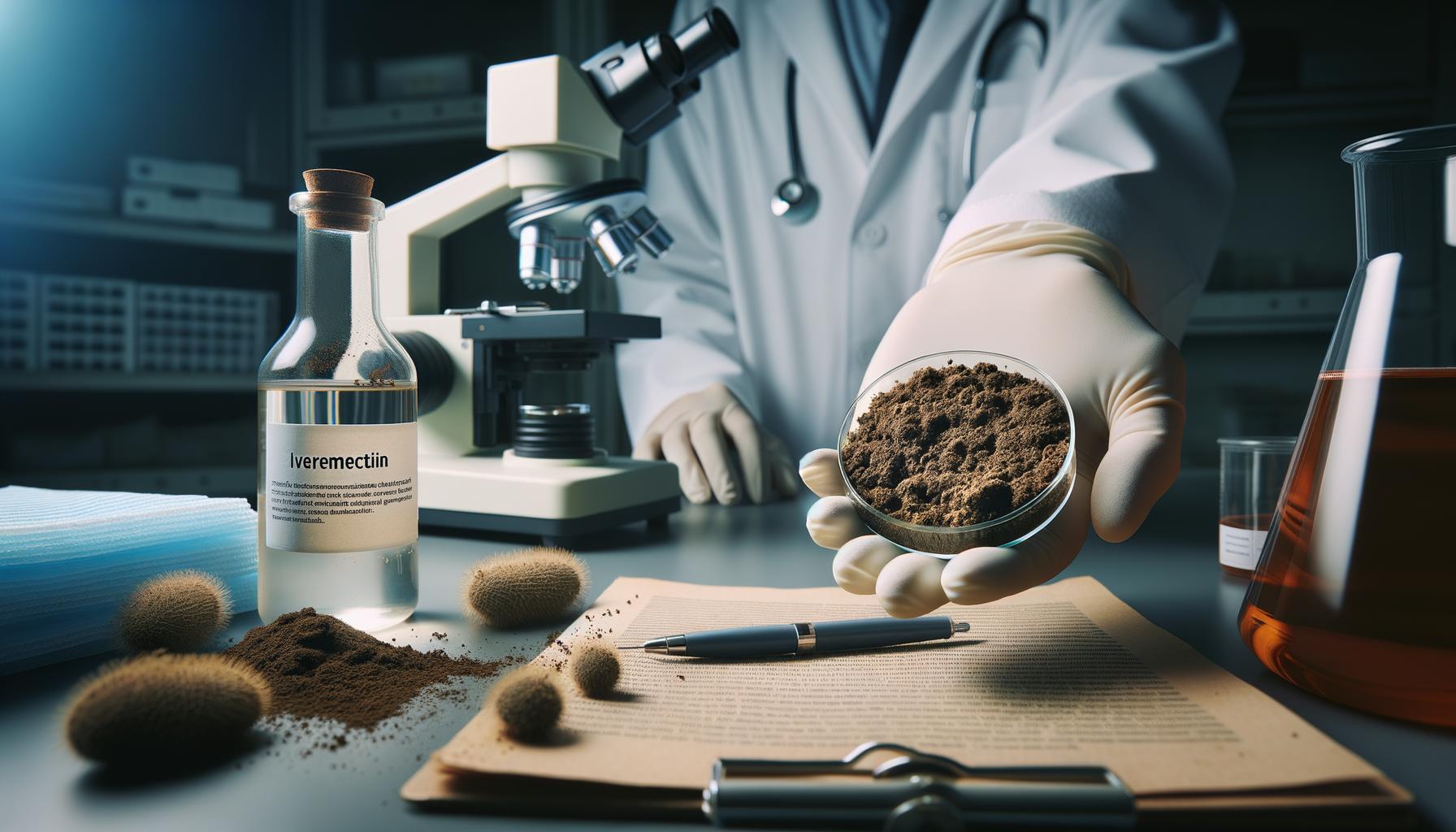
What Is Ivermectin and Its Uses?
Ivermectin is a powerful medication originally developed as an anti-parasitic agent, transforming the way several parasitic diseases are managed worldwide. Known primarily for its efficacy against a variety of parasitic worms and external parasites like lice, this drug has saved millions of lives, particularly in regions burdened by diseases such as onchocerciasis (river blindness) and lymphatic filariasis. What makes ivermectin notable is its origin from a natural source-the bacterium *Streptomyces avermitilis*, rather than directly from a plant-showing how natural products can inspire landmark medicines.
Although derived from a microbial source, ivermectin’s role in medicine spans beyond its initial use. It has become a versatile treatment due to its broad-spectrum antiparasitic activity. In veterinary medicine, ivermectin treats conditions ranging from heartworm in dogs to parasites in livestock. For humans, standard uses include treating intestinal worms and external parasitic infestations. Moreover, ongoing research is exploring its potential in treating viral infections, inflammatory diseases, and even certain cancers, highlighting the drug’s multifaceted nature beyond its antiparasitic roots.
Practical Uses of Ivermectin
- Human Medicine: Effective in treating parasitic worm infections like strongyloidiasis and onchocerciasis. It can also be used topically for skin conditions caused by parasites.
- Veterinary Medicine: Widely used in animals to prevent heartworm disease, mange, and other parasitic infestations critical for animal health and agricultural productivity.
- Emerging Research: Investigated for possible benefits in viral infections and modulating inflammatory responses, though these uses require more clinical validation.
It’s important to understand that while ivermectin is remarkably effective for its approved uses, it is not a cure-all. Misapplication or self-medication, especially for unapproved conditions, can be dangerous. Always rely on guidance from healthcare professionals to determine the appropriate use based on your individual health needs. This ensures you benefit safely from ivermectin’s strengths while minimizing any risks associated with its use.
The Natural Plant Source of Ivermectin
Ivermectin is often thought of as a plant-derived compound, but it actually originates from a soil-dwelling microorganism rather than a traditional botanical source. This is an important distinction because the drug’s natural source plays a key role in its complex structure and potent antiparasitic properties. Specifically, ivermectin is produced by the bacterium *Streptomyces avermitilis*, a species discovered in soil samples collected in Japan in the late 1970s.
This bacterium synthesizes a family of compounds called avermectins, from which ivermectin is chemically derived through slight modifications. The discovery of *Streptomyces avermitilis* dramatically changed how natural products are viewed in pharmaceutical development, illustrating that microbes – not just plants – can be rich sources of lifesaving medicines. Understanding this microbial origin helps clarify why ivermectin’s production relies on fermentation processes rather than traditional plant extraction methods.
For those curious about natural analogs, it’s important to note that no known plants produce ivermectin itself. Instead, the value of *Streptomyces* species lies in their ability to biosynthesize complex molecules in large quantities under controlled conditions. This microbial origin means that ivermectin represents a fascinating bridge between natural product discovery and modern biotechnology, demonstrating how soil microbes continue to inspire new drug development.
- Microbial vs. Plant Sources: Unlike many herbal remedies or plant-based drugs, ivermectin’s source is bacterial, emphasizing the diversity of natural product origins.
- Implications for Sustainability: Because ivermectin is produced by fermentation, it avoids overharvesting issues linked to plants, supporting more consistent supply chains.
- Informed Use: Knowing its microbial roots encourages users to appreciate modern drug manufacturing and consult healthcare providers for safe, effective applications of ivermectin.
How Is Ivermectin Extracted from Plants?
It’s a common misconception that ivermectin can be extracted directly from plants, but the truth is quite different and more intriguing. Ivermectin is not produced by any known plant species; rather, it is biosynthesized by a soil-dwelling bacterium called *Streptomyces avermitilis*. This microbial origin fundamentally changes how ivermectin is obtained compared to plant-based compounds – there is no traditional plant extraction process involved.
Instead of harvesting leaves or roots, the production of ivermectin relies on fermentation techniques. Scientists cultivate *Streptomyces avermitilis* in controlled bioreactors, providing optimal conditions such as temperature, pH, and nutrient supply. During fermentation, the bacteria naturally produce a group of related compounds known as avermectins. These are then carefully extracted from the fermentation broth through solvent extraction methods, typically involving methanol or similar organic solvents. Following this, purification steps such as solid-phase extraction help isolate ivermectin from other compounds and impurities[[[1]](https://onlinelibrary.wiley.com/doi/10.1111/jvp.13224).
Why Understanding the Microbial Process Matters
Realizing ivermectin’s source as microbial rather than botanical avoids confusion and promotes a clearer view of pharmaceutical manufacturing. Because fermentation is the key method, it offers advantages such as:
- Consistency: Microbial fermentation allows precise control, resulting in a dependable supply of ivermectin without seasonal or environmental fluctuations that affect plants.
- Sustainability: Unlike extracting active compounds from wild or cultivated plants, fermentation does not risk depleting natural plant populations.
- Scalability: Large-scale industrial setups can enhance production volume efficiently compared to agricultural harvest cycles.
For those researching natural antiparasitic agents, it’s important to recognize that while plants produce many medicinal compounds, ivermectin is firmly a microbial product. This distinction underpins why “extracting ivermectin from plants” is not a viable approach, and instead, the focus lies on optimizing microbial cultivation and extraction processes.
What This Means for Consumers and Practitioners
Understanding that ivermectin is derived from bacteria rather than plants helps consumers appreciate the science behind the drug. It also underscores the importance of sourcing ivermectin from reputable manufacturers who follow strict fermentation and purification protocols to ensure safety and efficacy. For anyone interested in natural or ‘plant-based’ remedies, this highlights the diversity of natural product origins and the need to consult healthcare professionals when considering antiparasitic treatments.
The History of Ivermectin and Its Discovery
The journey to discovering ivermectin is a remarkable story of curiosity, international collaboration, and dedication to solving some of the world’s most challenging parasitic diseases. Contrary to the widespread assumption that ivermectin comes from a plant, its origin lies deep in the soil, where the earth harbors a bacterium named *Streptomyces avermitilis*. In the late 1970s, Japanese scientist Satoshi Ōmura isolated this bacterium from soil samples and identified its remarkable ability to produce compounds lethal to parasites. Recognizing its potential, American scientist William Campbell and his colleagues at Merck & Co. further developed these compounds, leading to the creation of ivermectin, a new class of antiparasitic drug.
This breakthrough transformed the fight against parasitic diseases, especially river blindness (onchocerciasis) and lymphatic filariasis, which affect millions globally. Ivermectin’s introduction in the 1980s revolutionized treatment approaches by offering an effective, safe, and affordable therapy. Before ivermectin, therapeutic options were limited and often came with significant side effects or impractical administration. The collaboration between research institutions and pharmaceutical companies also led to large-scale donation programs, making ivermectin accessible in endemic regions and saving countless lives.
A Nobel-Winning Discovery
In 2015, William Campbell and Satoshi Ōmura were awarded the Nobel Prize in Physiology or Medicine for their pioneering work on avermectin and ivermectin. Their achievement highlighted the profound impact of natural product discovery and the importance of microbiology in drug development. This recognition also underscored the principle that nature-especially microorganisms-remains a vast and largely untapped reservoir of medicinal agents, sometimes more promising than plant sources alone[[[1]](https://www.jmu.edu/news/cise/2022/05-26-scientist-who-discovered-ivermectin-speaks-to-isat-students.shtml)[[2]](https://www.acs.org/education/whatischemistry/landmarks/ivermectin-mectizan.html)[[3]](https://www.nobelprize.org/prizes/medicine/2015/press-release/).
Lessons for Today’s Researchers and Consumers
Understanding this history empowers consumers and healthcare providers to appreciate ivermectin not as a traditional herbal extract but as a sophisticated product of microbial biotechnology. This insight encourages informed discussions about drug origins and preparation methods and reminds us that “natural” doesn’t always mean “plant-based.” As new parasites and resistance challenges emerge, the history of ivermectin serves as an inspiring example of how exploring soil microbes and combining global expertise can yield groundbreaking, life-saving medicines. Always consult healthcare professionals when considering antiparasitic treatments to ensure safe and appropriate use.
Benefits and Risks of Ivermectin Use
Ivermectin stands out as a powerful tool against several parasitic infections, having dramatically improved global health outcomes since its introduction. Its benefits are primarily rooted in its effectiveness, safety profile, and broad-spectrum activity against a variety of parasites, which include those causing river blindness and lymphatic filariasis. These diseases have profoundly impacted millions, especially in tropical regions, and ivermectin has played a key role in reducing their burden. However, while ivermectin offers many advantages, it’s equally important to understand its limitations and potential risks to use it wisely and safely.
- Benefits
- High efficacy: Ivermectin effectively eliminates certain parasites by disrupting their nervous system function, which leads to paralysis and death of the parasites. This makes it a cornerstone medication for treating infections caused by nematodes and ectoparasites.
- Low toxicity in humans: When used as directed, ivermectin is generally well tolerated with few serious side effects. Its safety profile has been established through decades of use in millions of patients worldwide.
- Affordability and accessibility: Global health initiatives and pharmaceutical partnerships have ensured ivermectin’s wide availability in endemic areas at low cost or free, significantly improving public health in low-resource settings.
- Risks and Limitations
- Side effects: Common minor side effects include dizziness, nausea, and mild rash. Rarely, some people may experience allergic reactions or neurological symptoms, especially if already heavily infected or with contraindications.
- Not effective for all diseases: Despite its success against parasitic worms and certain skin conditions, ivermectin is not a cure-all. For example, it is not approved or effective for viral infections like COVID-19, and misuse can lead to harmful outcomes.
- Potential drug interactions and contraindications: Ivermectin can interact with other medications, and certain populations, such as pregnant women or individuals with specific health conditions, may need to avoid or use it cautiously under medical supervision.
Practical Advice for Safe Use
Before considering ivermectin, it is vital to consult a healthcare professional who can assess whether this treatment fits your specific health needs. Self-medicating or using formulations intended for animals can be dangerous due to differences in concentration and ingredients. Always adhere to prescribed dosages, timing, and directions.
Especially in the context of recent controversies around ivermectin’s use for COVID-19, relying on evidence-based guidance is critical. The FDA and other health authorities emphasize that while ivermectin is a breakthrough antiparasitic drug, current scientific data do not support its use against viral diseases[[[1]](https://www.fda.gov/consumers/consumer-updates/ivermectin-and-covid-19).
Understanding these benefits and risks helps you make informed decisions, recognizing ivermectin’s true place as a life-saving drug derived from natural microbial sources-not from plants-and appreciating the careful balance required when using any powerful medicine.
Comparing Ivermectin: Natural vs. Synthetic Sources
It’s a common misconception that ivermectin is derived directly from plants. In reality, ivermectin is a naturally occurring compound produced by a soil-dwelling bacterium, *Streptomyces avermitilis*. This microbial origin distinguishes ivermectin from many plant-based drugs and underlines the importance of understanding its true natural source. Comparing “natural” ivermectin to synthetic versions isn’t straightforward because the drug typically comes from fermentation and semi-synthetic modification rather than direct plant extraction.
The natural form of ivermectin is isolated through fermentation processes that cultivate *Streptomyces* bacteria to produce avermectins, a family of related compounds. These are then chemically modified to enhance efficacy and safety, resulting in ivermectin itself. Synthetic analogues might be created to improve solubility or stability, but the core compound’s architecture is microbial, not botanical. Unlike plant extractions-which often involve harvesting leaves, roots, or seeds-this microbial process involves growing bacteria under controlled conditions, which can be scaled efficiently for pharmaceutical needs.
- Natural source: Soil bacteria (*Streptomyces avermitilis*), cultured via fermentation.
- Synthetic adjustments: Semi-synthetic chemical modifications enhance drug properties.
- No direct plant source: Despite myths, ivermectin is not obtained from plants.
Understanding this origin is essential when considering quality and supply. Cultivating *Streptomyces* allows consistent production with fewer environmental variables compared to plant harvesting. This microbial source supports large-scale drug manufacturing under stringent quality controls.
Practical Implications for Use and Availability
Because ivermectin production relies on microbial fermentation, there is no direct “natural plant extract” available on the market. Products labeled as “natural ivermectin” from plants may in fact be misleading or incorrect. For patients and consumers, this means:
- Always verify the source and formulation from reputable manufacturers.
- Do not assume herbal or plant-based products substitute for pharmaceutical ivermectin.
- Consult healthcare providers to avoid unproven or unsafe alternatives.
In summary, ivermectin’s strength as a life-saving drug stems from its unique microbial origin and refined synthesis, not a plant source. Recognizing this difference helps clarify expectations and encourages reliance on scientifically validated products rather than unverified natural remedies.
Ivermectin’s Role in Modern Medicine
Ivermectin stands as one of the most impactful antiparasitic agents in modern medicine, primarily due to its broad efficacy against a variety of parasitic infections that previously affected millions worldwide. Its significance goes beyond just treating individual cases; ivermectin has played a transformative role in public health initiatives-particularly in tropical regions-by helping control diseases such as river blindness (onchocerciasis) and lymphatic filariasis. These efforts have led to remarkable reductions in disease burden and have improved the quality of life for countless communities[[[1]](https://www.cell.com/trends/parasitology/fulltext/S1471-4922(14)00111-1).
Unlike many drugs derived from plants, ivermectin’s origin is microbial, stemming from *Streptomyces avermitilis* bacteria, which allows for efficient, scalable production through fermentation. This microbial source contributes not only to consistent quality but also to the drug’s availability in remote and resource-limited areas. This availability supports mass drug administration programs endorsed by organizations such as the WHO and the World Bank, highlighting how ivermectin has become a cornerstone of global parasitic disease control strategies [[3]](https://theconversation.com/ivermectin-is-a-nobel-prize-winning-wonder-drug-but-not-for-covid-19-168449).
Everyday Impact and Practical Considerations
In clinical practice, ivermectin’s proven safety and efficacy have made it the go-to treatment for several worm infections and skin conditions caused by parasites. Physicians often prescribe it when other treatments are unsuitable or ineffective. However, it is essential to remember that ivermectin’s role is specific; it is highly effective for particular parasitic infections but is not a universal cure-all. For example, reputable health authorities explicitly caution against its use for viral infections like COVID-19 outside clinical trials [[3]](https://theconversation.com/ivermectin-is-a-nobel-prize-winning-wonder-drug-but-not-for-covid-19-168449).
- Mass treatment programs: Ivermectin is distributed in communities to reduce disease transmission.
- Targeted prescription: Used for specific parasitic infections such as scabies, strongyloidiasis, and onchocerciasis.
- Safety profile: Generally well-tolerated when used correctly under medical supervision.
- Not plant-derived: Should not be confused with herbal remedies falsely claiming similar benefits.
Understanding these practical aspects empowers you as a patient or caregiver to make informed decisions and to seek professional advice for appropriate use. Ivermectin’s role in medicine exemplifies how a naturally derived microbial product can save millions of lives when paired with global health partnerships and rigorous scientific validation.
Understanding the Mechanism of Action
Ivermectin works by targeting specific nerve and muscle channels in parasites, causing paralysis that ultimately leads to their death. Unlike many drugs that act broadly, ivermectin selectively binds to glutamate-gated chloride channels, which are unique to invertebrate nerve and muscle cells. When ivermectin activates these channels, chloride ions flood into the parasite’s cells, disrupting electrical signals essential for movement and survival. This mechanism effectively immobilizes the parasite without affecting mammals, since humans and other vertebrates lack these channels in accessible tissues, making the drug highly selective and safe at prescribed doses.
Additionally, ivermectin enhances the activity of gamma-aminobutyric acid (GABA) receptors-another type of ion channel involved in inhibitory neurotransmission-but this effect is mainly relevant within parasites. The combined action on these channels ensures that parasites become paralyzed and unable to maintain vital functions. This explains why ivermectin is particularly effective against a range of parasitic worms and ectoparasites like scabies mites.
Understanding this mechanism clarifies why ivermectin’s origins do not lie in plants but rather in microbes. It is derived from compounds produced by *Streptomyces avermitilis*, a soil bacterium that naturally synthesizes these powerful antiparasitic molecules. This microbial source allows for efficient industrial fermentation to produce ivermectin at scale, ensuring consistent quality and availability worldwide.
- Selective targeting: Binds glutamate-gated chloride channels unique to parasites.
- Paralysis induction: Disrupts nerve and muscle function, leading to parasite death.
- Safety in humans: Mammals lack the target channels accessible to ivermectin, minimizing toxicity.
- Microbial origin: Derived from bacterial compounds, not plants, enabling large-scale production.
This detailed understanding helps clarify common questions and misconceptions. It also highlights why ivermectin is not effective for viral infections or conditions unrelated to parasitic control. When used appropriately, under medical guidance, ivermectin remains a life-saving therapy with a clear and scientifically supported mechanism of action. As always, consultation with healthcare professionals ensures its use aligns with individual health needs and evidence-based treatments.
Common Misconceptions About Ivermectin
It’s a common-and understandable-mistake to assume ivermectin is derived from plants, especially given the way many natural remedies are linked to herbal sources. However, ivermectin does not come from any plant but is actually produced by a soil-dwelling bacterium called *Streptomyces avermitilis*. This microbial origin is essential because it enables industrial-scale fermentation, ensuring consistent drug quality and availability worldwide. Mislabeling ivermectin as a plant-based product can lead to confusion about its nature, production, and appropriate use.
Another widespread misconception involves ivermectin’s effectiveness beyond its approved parasitic indications. Despite periodic claims circulating in media and social platforms promoting it as a cure for viral infections like COVID-19 or even cancer, scientific evidence firmly disproves these uses. These claims often rely on anecdotal reports lacking rigorous clinical support and ignore the drug’s specific mechanism targeting parasite ion channels, which are absent in viruses and human cells. Relying on ivermectin for such conditions without professional guidance can be ineffective or even harmful.
- Not plant-derived: Ivermectin originates from microbial fermentation, not botanical extraction.
- Targeted action: Effective only against certain parasites, not viruses or cancers.
- Medical supervision required: Dosages and uses must be overseen by healthcare professionals to ensure safety.
Understanding these facts empowers readers to make informed decisions and resist misinformation. Whenever questions arise about ivermectin or other treatments, consulting medical experts provides clarity and safe guidance grounded in solid research. This approach helps steer individuals away from unproven claims and toward responsible, evidence-based care.
The Future of Ivermectin Research and Development
The landscape of ivermectin research continues to evolve as scientists explore its potential beyond traditional antiparasitic uses. While originally derived through fermentation by the bacterium *Streptomyces avermitilis*-not from plants-ongoing studies investigate how modifications of its molecular structure might enhance efficacy or broaden therapeutic applications. This highlights an important shift from viewing ivermectin as a static drug to recognizing it as a platform for innovation in infectious disease treatment.
Emerging Research Directions
Researchers are delving into novel formulations and delivery methods to improve how ivermectin reaches target sites in the body. For example, topical ivermectin has shown promise in managing inflammatory skin conditions such as rosacea, leveraging its capacity to modulate immune response pathways. Moreover, extensive clinical trials continue to assess ivermectin’s role in controlling mosquito-borne parasitic diseases and reducing disease transmission at community levels through mass drug administration programs. These developments emphasize the drug’s multifaceted potential without overstating benefits unsupported by evidence.
Balancing Hopes with Evidence
Interest in ivermectin’s antiviral properties surged during the COVID-19 pandemic. Initial laboratory studies demonstrated the drug’s ability to inhibit viral replication *in vitro*, but subsequent clinical trials did not confirm meaningful benefits in patients. This experience underscores the importance of rigorous testing before adopting new treatment uses. It also reminds us that natural origin or initial lab activity does not guarantee broad clinical effectiveness. Staying grounded in scientifically verified information protects both patients and health systems from premature or inappropriate use.
- Focus on precision: Refining ivermectin’s use to target specific parasites more efficiently.
- Expanded but cautious exploration: Evaluating new indications with strong clinical validation.
- Public health integration: Using ivermectin strategically within community-wide parasite control programs.
Maintaining open dialogue between researchers, healthcare providers, and patients is essential as we navigate ivermectin’s future. If you are curious about any new findings or considering ivermectin for medical reasons, always consult qualified health professionals who can interpret current evidence accurately. This approach ensures safe, informed decisions and helps transform promising research into meaningful health outcomes.
Exploring Alternatives to Ivermectin
Despite ivermectin’s proven impact as an antiparasitic agent, some people seek natural or alternative options due to concerns about synthetic drugs or limited access. Interestingly, a number of plant-based remedies and compounds are being explored either as supportive treatments or potential alternatives to ivermectin, particularly in veterinary and agricultural applications.
One notable example is *Onobrychis viciifolia*, commonly known as sainfoin, a leguminous forage plant studied for its antiparasitic properties in livestock. Research suggests that compounds in sainfoin may help reduce parasite loads by interfering with parasite survival and reproduction. While not a direct substitute for ivermectin’s potency and broad spectrum, sainfoin represents a promising natural approach that supports integrated parasite management strategies without relying solely on chemical treatments[[2]](http://talks.cam.ac.uk/talk/index/56852).
Natural Alternatives in Practice
Several other plants and botanical extracts have traditionally been used in folk medicine for managing parasitic infections. These include:
- Neem (Azadirachta indica): Known for its insecticidal and antiparasitic compounds, neem extracts have been studied for livestock parasite control.
- Wormwood (Artemisia absinthium): Contains bitter compounds with potential antiparasitic effects, though clinical data is limited.
- Garlic (Allium sativum): Used historically as a general antiparasitic supplement with some supporting laboratory evidence.
Each has varying efficacy and requires more scientific validation before routine use. They may, however, complement established therapies or reduce anthelmintic resistance when used thoughtfully.
Approach With Caution and Consultation
It’s essential to recognize that these natural alternatives are generally less potent and less consistent than ivermectin. Their use should be approached with caution and ideally under guidance from veterinarians or healthcare providers familiar with both conventional and herbal treatments. Additionally, sourcing quality and standardized botanical preparations is critical to ensure safety and to avoid contamination or variability in active compounds.
| Natural Alternative | Common Use | Limitations |
|---|---|---|
| Onobrychis viciifolia (Sainfoin) | Livestock parasite reduction | Less potent than ivermectin; requires more research |
| Neem Extract | Insecticidal and antiparasitic applications | Variable efficacy; potential toxicity if misused |
| Wormwood | Traditional antiparasitic remedy | Limited clinical evidence; possible side effects |
| Garlic | General antiparasitic support | Weak effect; best as adjunct therapy |
Rather than relying on any single alternative, the best strategy often involves an integrated approach. This includes combining proven pharmacologic treatments like ivermectin with natural remedies, regular parasite monitoring, and good husbandry or hygiene practices.
This balanced perspective encourages informed choices and highlights that while natural plants offer valuable complementary roles, they do not replace ivermectin’s well-documented efficacy. Anyone interested in using natural alternatives should consult health professionals to ensure safe, effective, and evidence-based care.
For more detailed comparisons or tailored advice, reaching out to a veterinarian or medical expert is always a prudent step.
Advice for Consulting Health Professionals
Choosing to explore ivermectin-related treatments, especially those derived from natural sources, raises important questions about safety, efficacy, and correct usage. Professional guidance is vital in navigating these complexities. Health professionals can provide personalized insights that consider your unique health status, current medications, and specific parasite concerns, which helps avoid unintended interactions or side effects.
Understanding that ivermectin originates from a soil bacterium rather than a plant is a key piece of information health experts can clarify, helping to separate fact from common misconceptions. They can also explain the distinctions between natural and synthetic forms of ivermectin, emphasizing why synthetic production is necessary for consistent dosing and purity. This understanding supports informed decisions when considering complementary natural remedies or alternative plants with antiparasitic properties.
How Professionals Support Safe Choices
When discussing natural alternatives or supplements, doctors and veterinarians use evidence-based knowledge to weigh the benefits and limitations of various options. They can help you:
- Evaluate the quality and safety of botanical extracts, which may vary widely depending on preparation and source.
- Integrate natural remedies thoughtfully with conventional antiparasitic treatments to avoid reduced effectiveness or drug resistance.
- Monitor treatment progress to ensure parasites are appropriately controlled and adjust strategies when needed.
- Recognize warning signs of adverse reactions early, improving outcomes and preventing complications.
Examples from veterinary and human medicine show that improper use of unverified natural products can lead to ineffective treatment or unexpected toxicity. A professional’s oversight mitigates these risks and maximizes the chances of positive results.
Preparing for Your Consultation
Before meeting a health professional, gather and share relevant information about any herbal or natural supplements you’ve considered or used. Questions you might ask include:
- What evidence exists supporting the antiparasitic effectiveness of these natural plants compared to ivermectin?
- Are there known interactions with other medications or conditions I should be aware of?
- What monitoring should accompany natural or combined treatment approaches?
- How do I confirm the quality and authenticity of herbal products?
Being transparent about your health goals and concerns ensures a comprehensive, tailored approach that respects your preferences while prioritizing safety.
Ultimately, discussing ivermectin and its alternatives with health professionals fosters an honest and balanced understanding. This partnership empowers you to make well-informed decisions rooted in science, rather than relying on incomplete or anecdotal information. Whether exploring ivermectin’s natural origins or botanical adjuncts, professional advice remains the cornerstone of responsible and effective care.
Q&A
Q: Is ivermectin directly extracted from a plant or another natural source?
A: Ivermectin is not directly extracted from a plant; it is derived from natural fermentation of a soil bacterium called Streptomyces avermitilis. This natural source produces compounds that are chemically modified to create ivermectin used in medicines and pesticides. Understanding this clarifies its microbial, not plant, origin.
Q: Why is ivermectin often associated with natural plant-based medicines?
A: Ivermectin is linked to natural medicines because it is developed from a naturally occurring soil bacterium, similar to many plant-based drugs like artemisinin. This connection often causes confusion, but ivermectin’s natural source is microbial, reflecting the broad category of natural-derived medicines.
Q: Can ivermectin be produced synthetically without the natural source?
A: While synthetic ivermectin production exists, the initial compounds come from the natural fermentation of Streptomyces avermitilis. Synthetic processes optimize production and scalability but rely on natural starting materials for ivermectin’s unique structure.
Q: What role does soil bacteria play in the natural production of ivermectin?
A: Soil bacteria Streptomyces avermitilis produces avermectins, which are precursors to ivermectin. This bacterium’s natural metabolic processes create the chemical framework later refined into effective anthelmintic drugs. This highlights the importance of microbial ecology in drug development.
Q: Are there any plants involved in the ivermectin manufacturing process?
A: No plants are directly involved in ivermectin’s production process; it originates solely from microbial fermentation. However, plants may be part of broader studies on ivermectin’s environmental impact or related natural pesticides, but they are not the production source.
Q: How does the natural origin of ivermectin influence its use in medicine?
A: Ivermectin’s natural microbial origin contributes to its high efficacy and safety profile, as natural compounds often possess complex bioactivity. This foundation supports its use in treating parasitic diseases and spurs ongoing research into natural-source-based medicines.
Q: What makes ivermectin different from other plant-derived antiparasitic drugs?
A: Unlike plant-derived drugs such as artemisinin, ivermectin comes from a bacterium, not a plant, giving it distinct chemical properties and mechanisms of action. This difference explains variations in treatment applications and effectiveness against certain parasites.
Q: How can understanding ivermectin’s natural source help patients and health professionals?
A: Knowing ivermectin’s origin from natural soil bacteria helps patients and professionals appreciate its scientific background and guides safe, informed use. It supports trust in natural product-based medicines while emphasizing consultation for proper treatment choices.
Explore deeper sections of the main article for more about ivermectin’s discovery and medical roles, and always consult health professionals before use.
Insights and Conclusions
Understanding the natural plant origins of ivermectin sheds light on its fascinating journey from nature to medicine. Knowing where ivermectin is derived empowers you to appreciate its role in health and veterinary care while encouraging thoughtful use. If you’re curious about how plant-based compounds influence modern treatments or want to explore related topics like anthelmintics and natural drug sources, now is a great time to dive deeper.
For more insights, practical guides, and the latest research on natural pharmaceuticals, explore our related articles or sign up for our newsletter. Your questions and experiences matter-feel free to share your thoughts in the comments below or connect with our community. Remember, while plant-based origins offer exciting perspectives, always consult healthcare professionals for personalized advice. Stay informed, stay curious, and keep discovering the natural roots behind the medicines that impact our world.
Get our latest guides, news, and insights highlighted in your Google Search & AI Overviews.


