Did you know that lice affect millions of people worldwide every year, causing discomfort and frustration in both children and adults? Ivermectin, a well-researched topical treatment, offers a fast and effective way to eliminate lice infestations naturally by targeting and paralyzing the lice, making removal easier. If you’re looking for a reliable solution that combines scientific backing with ease of use, understanding how ivermectin works can help you make informed decisions about treatment options. This article will guide you through what ivermectin is, how it treats lice safely, and what to expect during treatment, so you feel confident and empowered in managing this common but pesky problem. Remember, while ivermectin is proven helpful, consulting a healthcare professional ensures the best approach for your specific needs. Let’s explore how this trusted medicine can help you regain comfort and peace of mind quickly and effectively.

Understanding Ivermectin: What You Need to Know
Ivermectin is a well-established medication originally developed to treat parasitic infections, but its application in managing lice infestations has gained significant attention for its effectiveness and ease of use. Unlike traditional insecticides, ivermectin works by targeting the nervous system of lice, leading to paralysis and death of the parasites without harsh chemicals. This targeted approach means it can be both potent and generally well-tolerated when used correctly.
What makes ivermectin particularly interesting for lice treatment is its versatility. It is available in oral form and as a topical lotion specifically formulated for head lice. The topical variant allows for direct application to the scalp and hair, minimizing systemic exposure while effectively eliminating lice and some of their eggs. This dual option can be especially helpful for individuals who may be sensitive to oral medications or prefer dermatological treatments.
Understanding how ivermectin fits into your lice treatment plan means recognizing both its strengths and limitations. While it often works quickly and reduces the risk of reinfestation compared to some traditional methods, it should be used as part of a comprehensive approach, including mechanical removal of nits (lice eggs) and attention to personal and household hygiene. Importantly, medical consultation is recommended before starting treatment to ensure suitability, especially for children, pregnant individuals, or those with underlying health conditions.
- Key points about ivermectin: It targets lice nervously, not just repelling them.
- Available forms: Oral tablets and topical lotion for external application.
- Use with caution: Follow prescribing instructions to avoid resistance and side effects.
- Complementary actions: Combine with thorough combing and cleaning personal items for best results.
How Ivermectin Works Against Lice Infestations
Lice are highly adapted parasites, making them tricky to eliminate with simple shampoos or rinses. Ivermectin’s power lies in its unique mode of action- rather than just flushing lice away or repelling them, it attacks their nervous system directly. This causes paralysis in the lice, rendering them unable to feed or move, which ultimately leads to their death. Because it targets a critical biological system, ivermectin effectively neutralizes even those lice that have developed resistance to conventional insecticides.
When applied as a topical lotion, ivermectin penetrates the hair and scalp to reach the lice living close to the skin surface. The medication not only kills the active lice but also affects some newly hatched nymphs, interrupting the life cycle early on. This fast-acting mechanism means many users see a significant reduction or complete elimination of infestation after a single 10-minute application, without the need for repeated or prolonged treatments. However, it’s important to note that mechanical removal of lice eggs (nits) is still recommended to avoid reinfestation.
- Targets the parasite’s nervous system: Causes paralysis and death quickly.
- Topical lotion reaches lice at the scalp level: Ensures direct contact and effective killing.
- Affects early-stage lice: Helps break the life cycle early.
- Minimal systemic absorption: Reduces potential side effects compared to oral treatment.
Unlike traditional lice treatments that rely heavily on chemical repellents or suffocation methods, ivermectin’s approach is highly specific and less likely to result in resistance. By cutting off the lice’s ability to survive rather than merely irritating them, it provides a more scientific and humane solution. Remember, while this can make the treatment simpler and faster, it should be integrated with thorough combing and cleaning protocols for best results. Consulting a healthcare provider before starting ensures the approach matches your individual needs safely and effectively.
Benefits of Using Ivermectin for Lice Treatment
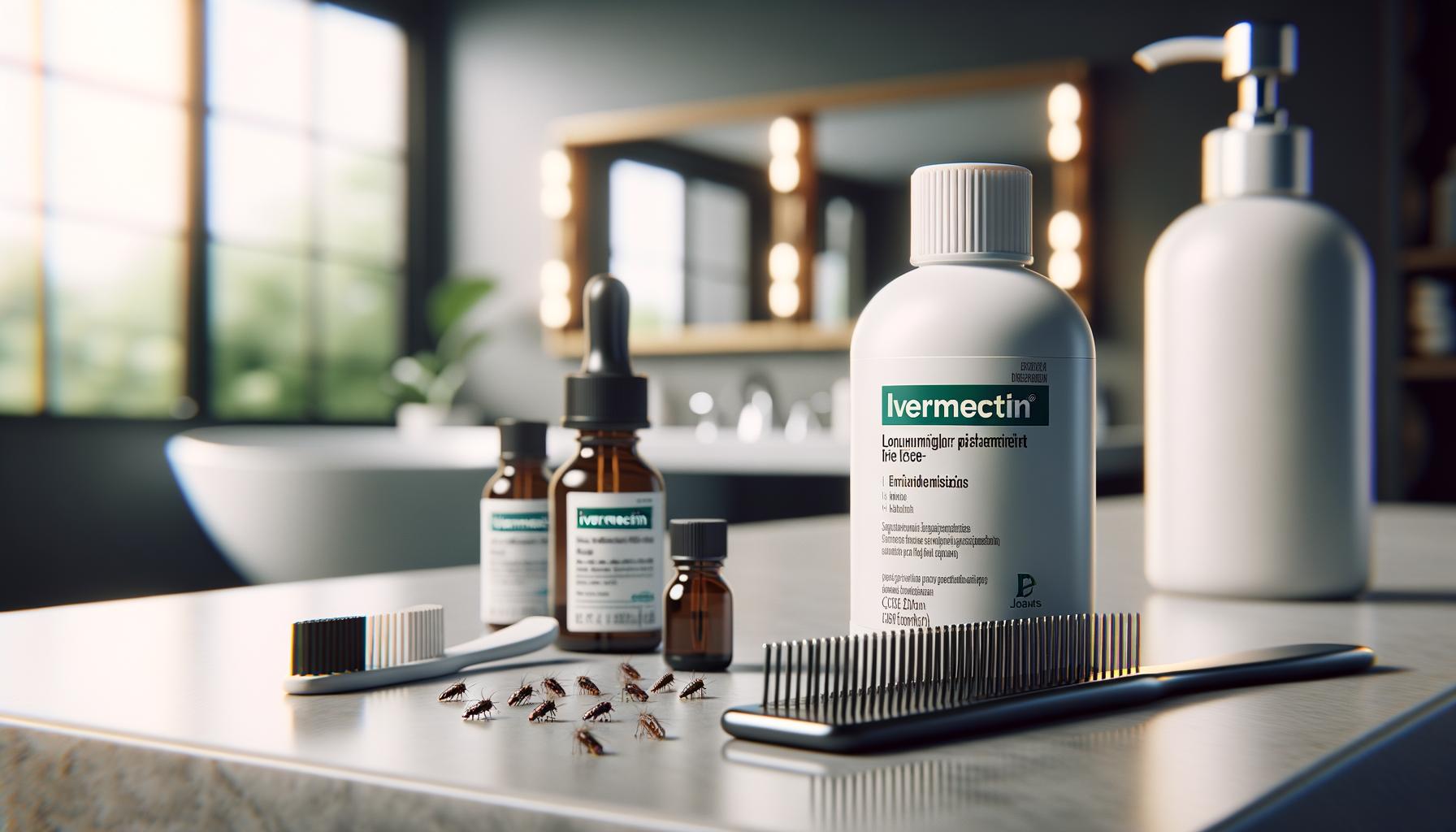
Ivermectin offers a distinct advantage in lice treatment due to its ability to directly paralyze the parasites by targeting their nervous system. This mechanism leads to a rapid and effective kill, often reducing the infestation significantly after just one application. Unlike many over-the-counter shampoos that require multiple treatments, ivermectin’s focused action means fewer applications are needed, which can improve adherence and comfort during treatment.
Another benefit lies in its ability to affect both active lice and some newly hatched nymphs. Interrupting the early stages of the lice life cycle helps prevent reinfestation, making treatment more comprehensive. This contrasts with traditional methods that often miss some nits or rely solely on suffocation, which may not fully stop the lice population from rebounding.
- Precision targeting: Focuses on the nervous system of lice, ensuring a faster kill.
- Effective against resistant lice: Works even when lice have become immune to common insecticides.
- Minimal systemic exposure: Applied topically, it reduces the risk of side effects compared to oral medications.
- Convenient single application: Often eliminates the need for repeated treatments, saving time and stress.
By penetrating the scalp effectively, ivermectin ensures thorough contact with the parasites, a key step not always achieved by shampoos or rinses that may wash away before fully acting. It is especially useful in households with multiple affected individuals, simplifying the management of outbreaks. Still, it’s wise to combine ivermectin with careful nit removal and hygiene practices to maximize success.
While ivermectin is highly effective, it is important to consult a healthcare professional before beginning treatment. They can confirm a lice diagnosis and recommend the best product and application method tailored to your specific needs. This ensures safe use and helps address any concerns about allergies or other medical conditions.
Comparing Ivermectin to Traditional Lice Treatments
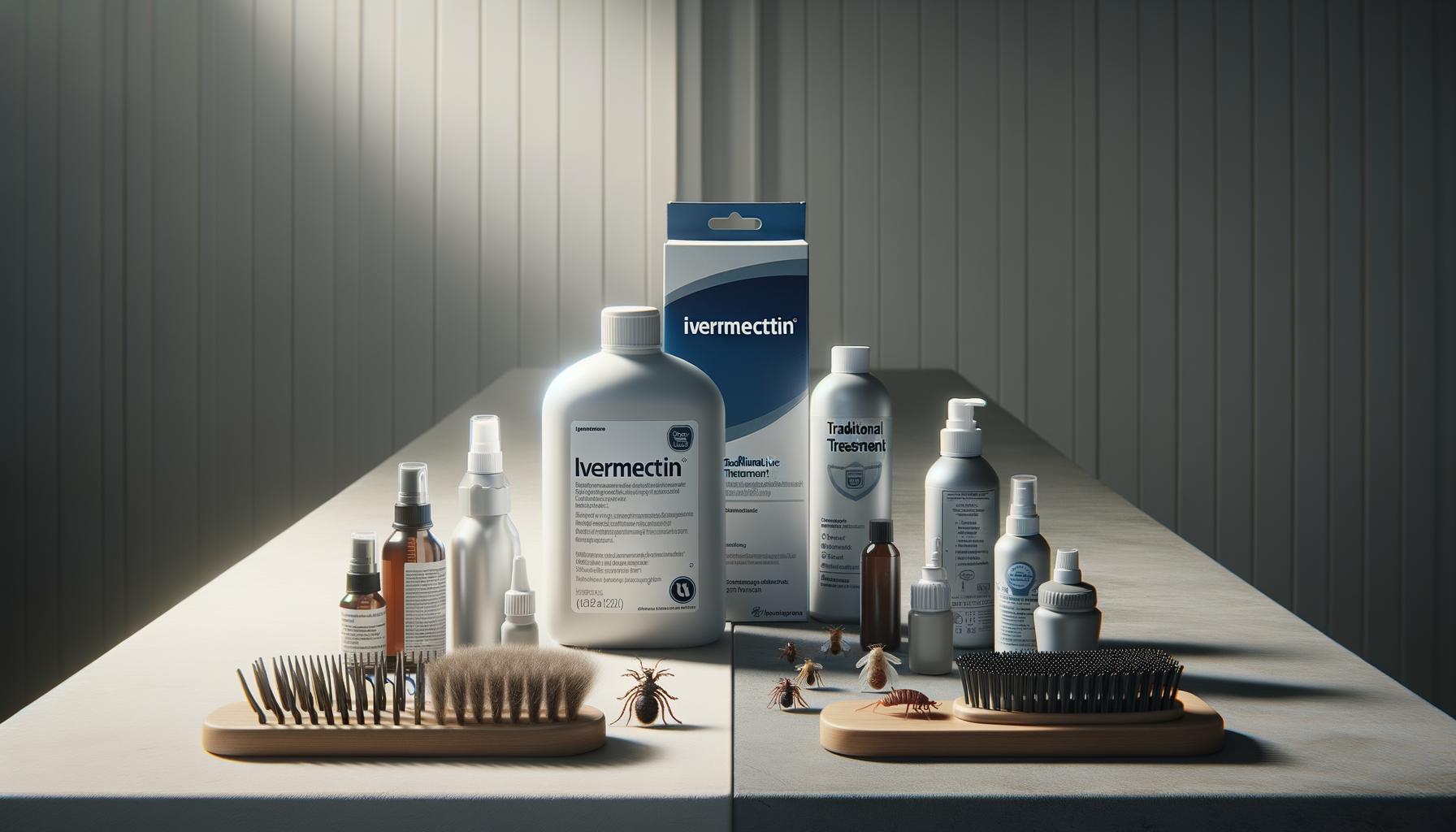
Ivermectin brings a fresh approach to lice treatment that contrasts sharply with many traditional methods. While most conventional lice shampoos rely on physically suffocating or chemically poisoning lice, ivermectin targets the parasites’ nervous system directly, quickly paralyzing and killing them. This distinct mode of action often means faster results after just one application, whereas many traditional products require multiple treatments spaced days apart to catch newly hatched lice.
Effectiveness Against Resistant Lice
One challenge with older lice treatments is growing resistance. Over time, lice populations have developed immunity to some common insecticides used in shampoos and sprays, which can reduce their effectiveness. Ivermectin is effective even against these resistant strains, making it a valuable option in settings where traditional products have failed.
Convenience and Application
Traditional treatments typically involve applying a shampoo or lotion followed by physical nit removal. Many require repeated use after 7-10 days to kill lice hatched from surviving eggs. In contrast, ivermectin lotion usually needs only a single 10-minute application to kill live lice, significantly easing the burden on families coping with infestation. However, because no treatment can reliably kill all nits immediately, combining ivermectin with careful combing remains important.
- Traditional treatments: Usually multiple applications, often messy and time-consuming.
- Ivermectin: Single, short application; efficient for busy households.
Safety and Side Effects
Most over-the-counter lice shampoos contain neurotoxic chemicals that can cause scalp irritation or allergic reactions, especially with repeated or prolonged use. Ivermectin lotion is generally well tolerated with minimal systemic absorption when applied topically, offering a safer profile for children and sensitive individuals. Still, consulting a healthcare provider before use helps tailor treatment to personal health needs.
| Aspect | Traditional Lice Treatments | Ivermectin Lotion |
|---|---|---|
| Mode of Action | Physical suffocation or insecticidal poisoning | Targets lice nervous system causing paralysis |
| Number of Applications | Often 2 or more over 7-10 days | Single 10-minute application usually sufficient |
| Resistance Issues | Common with insecticides | Effective against resistant lice |
| Side Effects | Possible scalp irritation, allergic reactions | Minimal systemic absorption; generally well tolerated |
| Need for Nit Removal | Required to prevent reinfestation | Still recommended alongside treatment |
Ultimately, the choice between ivermectin and traditional treatments depends on individual circumstances, including infestation severity, previous treatment outcomes, and personal sensitivities. Consulting a healthcare professional ensures the safest and most effective approach. Combining ivermectin’s pharmacological advantage with good hygiene and combing delivers a comprehensive strategy to beat lice infestations reliably and with less hassle.
Step-by-Step Guide: Applying Ivermectin Safely
Applying ivermectin for lice treatment can be straightforward and highly effective when done correctly. One of the main advantages of ivermectin lotion is its quick action, usually requiring just a single 10-minute application. However, safety and thoroughness are key to maximizing results and minimizing irritation or treatment failure.
Prepare and Protect
Begin by reading the product instructions carefully to understand the recommended dosage and precautions. Ensure the scalp and hair are dry before application, as moisture can dilute the lotion and reduce effectiveness. It’s wise to protect clothing or furniture from accidental spills by using towels or hair wraps. Since ivermectin is generally well tolerated topically, most individuals, including children, find it manageable. Still, avoid contact with eyes and mouth, and wash hands thoroughly after applying.
Applying the Lotion Correctly
Dispense the prescribed amount of ivermectin lotion evenly across the entire scalp and hair roots. Use your fingers to spread the lotion thoroughly, paying special attention to areas behind the ears and at the nape of the neck-common hiding spots for lice. Cover the scalp uniformly to ensure all lice and nits are exposed to the medication. Resist the urge to rinse or shampoo immediately; keeping the lotion on for the full 10 minutes is crucial for killing live lice effectively.
Post-Application Steps
After the recommended time has elapsed, rinse the hair thoroughly with warm water-no shampoo necessary unless advised by a healthcare provider. Although ivermectin targets live lice, nits (lice eggs) may survive as they are more resistant. Therefore, follow up with careful combing using a fine-toothed nit comb over the next several days to remove eggs and prevent reinfestation. Cleaning personal items such as hats, bedding, and brushes is recommended to avoid spreading lice.
- Do not double-apply unless your healthcare provider advises it; ivermectin’s single-dose efficiency typically eliminates the need for repeat application.
- Avoid combining ivermectin with other insecticidal lice treatments simultaneously without medical consultation to prevent adverse reactions.
- Monitor symptoms after treatment for any scalp irritation or allergic response, and seek medical advice if unusual symptoms develop.
By following these practical steps, you help ensure a safe, effective lice eradication while minimizing discomfort. Remember, consulting a healthcare professional before beginning treatment is essential to confirm that ivermectin is appropriate for you or your child and to receive specific advice tailored to your situation.
Potential Side Effects of Ivermectin for Lice
Ivermectin is widely regarded as a well-tolerated treatment for lice, particularly when used topically as recommended. However, like any medication, it carries the potential for side effects, which tend to be mild and temporary for most users. Understanding these effects helps set realistic expectations and ensures timely action if any unusual reactions occur.
Because ivermectin lotion works by targeting lice on the scalp, common side effects often relate to localized skin reactions. Some individuals may experience mild redness, itching, or a slight burning sensation at the application sites. These symptoms typically resolve quickly once the treatment is rinsed off and usually do not require medical intervention. In rare cases, the scalp may become irritated or show signs of an allergic response such as swelling or rash, which warrants prompt consultation with a healthcare professional.
Systemic side effects are uncommon with topical use but can occur if the medication is absorbed in larger amounts or used improperly. Symptoms such as dizziness, nausea, or headache have been reported but are very rare at the low doses applied for lice treatment. To minimize risks, follow instructions carefully and avoid applying ivermectin on broken or inflamed skin, where absorption could increase.
Practical Tips for Managing Side Effects
- Start with a patch test: Applying a small amount of lotion to a limited area before full treatment can help identify sensitivity.
- Protect sensitive areas: Avoid contact with eyes and mouth to prevent irritation.
- Watch for allergic reactions: If swelling, severe itching, or difficulty breathing occurs, seek medical attention immediately.
- Communicate with a doctor: Especially for children or people with pre-existing skin conditions, professional advice ensures safety.
Being informed about potential side effects empowers you to use ivermectin confidently and effectively while maintaining scalp health. Overall, its safety profile and ease of use make it a reliable option for removing lice when applied properly and monitored thoughtfully[[1]](https://factually.co/fact-checks/health/ivermectin-side-effects-humans-09702d)[[2]](https://www.mayoclinic.org/drugs-supplements/ivermectin-oral-route/description/drg-20064397).
Natural Alternatives to Ivermectin: Do They Work?
Natural options for managing lice infestations have gained attention for their appeal as gentle, chemical-free remedies. Many people turn to essential oils, plant extracts, or home rinses hoping to eliminate lice without the potential side effects of pharmaceutical treatments. While some of these alternatives show promise, understanding their effectiveness and limitations is key to making informed choices.
Several natural substances possess properties that may repel or disrupt lice. For example, tea tree oil, neem oil, and eucalyptus oil contain compounds with insecticidal or antiparasitic activity. These oils are often incorporated into shampoos or applied directly in diluted form. However, their success depends heavily on proper application, dilution to avoid skin irritation, and consistent repetition, as lice eggs (nits) require thorough treatment cycles to prevent re-infestation. Research supporting these oils is limited, and results can vary widely between individuals.
What Natural Methods Are Commonly Tried?
- Essential oil treatments: Diluted tea tree, lavender, or neem oils applied to the scalp may help suffocate or repel lice but should never be used undiluted.
- Wet combing: Combining hair wetting with fine-toothed combing removes lice and nits mechanically and is often recommended as a drug-free, low-risk approach.
- Vinegar rinses: Some believe acidic solutions loosen nits but scientific evidence is lacking, and it is not effective alone.
- Coconut oil: This thick oil may help suffocate lice temporarily; used alongside combing, it can be a supportive method.
While these methods pose fewer risks than chemical treatments, they generally require patience and diligence over days or weeks. They also may not eradicate lice as reliably or quickly as ivermectin or other medicated products. Combining natural approaches with professional guidance ensures safety and reduces frustration from incomplete treatments.
Before relying entirely on natural options, consider consulting a healthcare provider. Persistent infestations or widespread outbreaks might demand proven medical treatments. Balancing a natural preference with scientific evidence allows you to address lice effectively-minimizing discomfort while respecting individual concerns about medication use.
When to Consult a Doctor About Lice
Lice infestations can often be managed at home with careful treatment and hygiene, but there are important moments when professional medical advice becomes necessary. If you’ve applied over-the-counter remedies or natural treatments like ivermectin without success after two or more complete treatment cycles, it’s a clear sign to seek a doctor’s guidance. Persistent itching, visible lice or nits after repeated attempts, or worsening scalp irritation are signals that a healthcare provider can help adjust your treatment plan effectively.
Certain conditions also warrant prompt consultation. For example, if the scalp shows signs of a secondary bacterial infection-such as redness, swelling, warmth, or oozing-medical evaluation is essential to prevent complications. Children, elderly individuals, or those with sensitive skin may experience stronger reactions to lice treatments and should have careful monitoring by a healthcare professional. Similarly, people with allergies or underlying health conditions need tailored advice to avoid side effects from medicated products, including ivermectin lotion, which while generally safe, may cause mild skin reactions or discomfort in some cases[[1]](https://www.drugs.com/sklice.html).
When to Consider Doctor Consultation
- Failed treatments: No improvement after 7-10 days following proper application of lice medication
- Scalp infections: Signs like soreness, pus, or crusting developing alongside lice symptoms
- Severe irritation or allergy: Intense redness, swelling, or rash post-treatment
- Repeated infestations: Frequent lice return despite preventive measures
- Special populations: Young children, pregnant women, or individuals with compromised immune systems
Doctors can provide prescription-strength treatments, such as oral ivermectin in resistant cases, or alternatives safe for sensitive individuals. They may also recommend scalp examinations and guidance on environmental control to prevent reinfestation. If emotional distress or social stigma from lice become overwhelming, discussing these concerns openly with a healthcare provider can also offer reassurance and practical coping strategies. Remember, early intervention protects your scalp from ongoing irritation and helps break the cycle of infestation sooner-empowering you toward faster, more comfortable recovery.
Understanding Lice Life Cycle and Infestation
Few pests combine persistence and discomfort quite like head lice. Understanding their life cycle is key to breaking their grip efficiently. These tiny insects don’t jump or fly; they crawl swiftly, clinging mainly to human hair close to the scalp, where warmth and blood provide essential nourishment. The adult lice live roughly 30 days on a host, but away from it, they perish within two days due to lack of feeding [[1]](https://www.cdc.gov/lice/about/head-lice.html).
Lice hatch from eggs called nits, firmly glued near the hair roots. The life cycle unfolds in three distinct stages: egg, nymph, and adult. Nits hatch in about 7-10 days, releasing nymphs that mature into adults in another 7-10 days. Adult females can lay around six eggs daily, perpetuating the infestation rapidly when left unchecked [[2]](https://www.licedoctors.com/blog/the-life-cycle-of-lice-explained). Targeting the cycle at multiple points-eggs, nymphs, and adults-is essential for effective treatment and to prevent reinfestation.
Why The Life Cycle Matters for Treatment
Many treatments indiscriminately kill adult lice but may not affect unhatched eggs. This gap can cause a frustrating cycle of reinfestation unless larvae hatching after treatment are also addressed promptly. Products like ivermectin are effective because they disrupt this cycle by killing live lice and some nymph stages. Still, patience and repeated application aligned with the life cycle timing maximize success.
Practical Tips for Managing Infestation
- Check for nits: Use a fine-tooth comb to identify eggs near the scalp.
- Treat thoroughly: Apply treatments exactly as directed, repeating if necessary after a week.
- Clean surroundings: Wash bedding, hats, and hairbrushes in hot water to remove stray lice or eggs.
- Monitor close contacts: Lice spread through head-to-head contact, so check and treat family members as needed.
Understanding this life cycle empowers you to plan treatments that interrupt lice reproduction, preventing hidden eggs or nymphs from renewing the infestation. If an infestation persists despite proper care, consulting a healthcare provider can help explore options such as prescription ivermectin or alternative solutions tailored to your needs[[3]](https://ivercares.com/head-lice-life-cycle-stages-and-treatment/). This approach ensures you’re not just reacting to symptoms but addressing the root cause effectively.
Tips for Preventing Future Lice Infestations
Head lice are expert hitchhikers, spreading quickly through close contact and shared personal items. Preventing reinfestation means breaking the chain of transmission before lice find a new host. Simple changes in daily habits and a bit of vigilance can significantly reduce the risk of future outbreaks.
Maintaining good personal hygiene and regular hair checks is a foundational step. Encourage children and adults alike to avoid head-to-head contact during play, sports, or group activities. Wearing hair up in braids or ponytails can also minimize opportunities for lice to crawl from one head to another. Periodically using a fine-tooth nit comb on hair, especially after exposure to large groups or known outbreaks, helps catch early signs before an infestation takes hold.
- Avoid sharing personal items: Do not share hats, hairbrushes, combs, headphones, or pillows. Lice can cling to these objects and transfer to new hosts.
- Clean household items regularly: Wash bedding, hats, and scarves in hot water and dry on high heat to kill any stray lice or unhatched eggs.
- Disinfect combs and brushes: Soak these in hot water (at least 130°F/54°C) for 5-10 minutes after use to eliminate lingering lice.
- Teach awareness: Educate family members, especially children, about how lice spread to encourage mindful behaviors.
Environmental Attention Matters
While lice cannot survive off the scalp for long, they can live up to 48 hours without a host. Avoiding close contact with objects that touch heads in public places (like gym mats or theater seats) can help. Vacuum carpets and upholstered furniture regularly during outbreaks at home or schools to minimize risk.
Keep in mind that prevention does not guarantee complete immunity, but it dramatically lowers chances of reinfestation alongside treatments like ivermectin. If infestations persist despite these efforts, consulting a healthcare professional ensures proper diagnosis and tailored advice for your situation.
By combining practical day-to-day precautions with informed treatment choices, you not only stop lice in their tracks but also protect your household from the frustration and discomfort of recurring infestations.
User Experiences: Success Stories with Ivermectin
Many people discovering ivermectin for lice treatment report quick and noticeable relief, even after struggling with persistent infestations using other methods. One common thread in these success stories is how ivermectin’s targeted action against lice and their eggs helps break the cycle faster than some traditional shampoos or combing alone. Users often highlight the convenience of topical ivermectin, as it typically requires fewer applications and less combing, which can be time-consuming and frustrating.
Parents especially appreciate the reduced itchiness and discomfort their children experience shortly after treatment. For example, a mother shared how her child’s constant scratching stopped within days of using ivermectin cream, allowing the whole family to sleep better. Another user mentioned that combining a single application of ivermectin with careful nit combing cleared the infestation completely in a much shorter timeframe than usual, easing stress and preventing reinfestation.
Tips from Real Users
- Be patient with the process: While ivermectin is effective, following the full treatment instructions, including a possible second application, provides the best results.
- Combine treatments for stubborn cases: Some have found success pairing ivermectin with manual combing or environmental cleaning strategies to ensure no lice or eggs remain.
- Consult professionals if unsure: If the lice persist despite treatment, seeking advice from a healthcare provider helps avoid resistance or misdiagnosis.
These accounts also serve as a reminder that while ivermectin is powerful, no treatment is a guaranteed one-time fix. Success depends on correct application, patience, and attention to hygiene practices. Listening to user experiences can empower readers to approach lice treatment with realistic expectations, combining ivermectin’s benefits with thorough prevention and care for long-lasting results.
Common Myths About Ivermectin and Lice
Ivermectin often faces misconceptions that can cloud judgment about its use for lice treatment. One common myth is that ivermectin kills only live lice but does nothing to their eggs, or nits. In reality, ivermectin’s molecular action can impact both the lice and their newly hatched forms by disrupting nerve signals, helping to break the infestation cycle quicker than some traditional treatments. However, because nits are firmly attached to hair shafts and sometimes resistant to topical agents, combining ivermectin use with gentle nit combing improves treatment success.
Another widespread misunderstanding is that ivermectin is a cure-all for lice and requires just a single application. While many users report fast relief, stubborn or extensive cases sometimes need a follow-up dose spaced about a week later to catch any lice hatched after the first treatment. Patience and adherence to treatment schedules are key to avoiding frustration and reinfestation.
Some people worry that ivermectin is unsafe or has severe side effects when used for lice. It’s important to note that ivermectin formulations approved for topical use have undergone thorough safety testing. Side effects are usually mild and short-lived, such as slight skin irritation or redness. Still, consulting a healthcare provider is wise before starting treatment, especially for children or those with sensitive skin.
Finally, there’s a myth that natural remedies work just as well as ivermectin. While some home solutions like essential oils or vinegar can help loosen nits or soothe the scalp, none have demonstrated the same consistent efficacy in clinical studies as ivermectin. Using natural options alone may delay effective treatment and prolong discomfort.
Helping You Navigate Treatment Choices
- Don’t rely on one treatment alone: Support ivermectin with nit combing for best results.
- Follow recommended application timing: Two treatments spaced 7-10 days apart improve success.
- Keep an eye out for skin reactions: Mild irritation is common but should resolve quickly.
- Be cautious with unproven natural remedies: Use them as complements, not replacements, to proven treatments.
- When in doubt, ask a professional: Proper diagnosis and advice help avoid resistance and wasted effort.
Understanding these myths empowers you to choose safe, effective lice treatment strategies without confusion or unrealistic expectations. Balancing science with practical care helps clear lice infestations faster while protecting your family’s health.
FAQ
Q: How quickly does ivermectin start working to eliminate lice infestations?
A: Ivermectin topical lotion begins killing lice within minutes of application. Most infestations show significant reduction after a single 10-minute treatment, with full elimination typically reached within 2 weeks. Consistent follow-up helps ensure all lice and nits are removed effectively.Q: Can ivermectin be safely used on children with head lice?
A: Ivermectin topical lotion is FDA-approved for children over 6 months old to treat head lice safely. Always follow product instructions carefully and consult a pediatrician if you have concerns. Proper use minimizes risks and enhances treatment success.Q: Is oral ivermectin effective for treating head lice compared to topical treatments?
A: Oral ivermectin can help treat lice, but topical ivermectin lotion is generally preferred for its targeted action and fewer side effects. Oral ivermectin is usually reserved for persistent or widespread infestations under medical supervision.Q: How often should ivermectin treatment be repeated to fully clear lice?
A: A single ivermectin topical treatment eliminates most lice, but a second application 7 to 10 days later is recommended to kill newly hatched lice. This schedule follows the lice life cycle and minimizes reinfestation risks.Q: Can ivermectin be combined with natural lice remedies for faster clearance?
A: Combining ivermectin with gentle natural treatments like essential oils may soothe scalp irritation, but ivermectin itself is the primary lice-killing agent. Use natural remedies as supportive care, not replacements, and always follow professional guidance.Q: What precautions should I take when using ivermectin for lice to avoid reinfestation?
A: To prevent reinfestation, wash bedding, clothing, and hair accessories in hot water after ivermectin treatment. Avoid head-to-head contact until lice are gone, and vacuum household areas regularly. These steps complement ivermectin’s effectiveness.Q: Does ivermectin kill lice eggs (nits) or just live lice?
A: Ivermectin primarily kills live lice but has limited effect on nits. Removing nits manually with a fine-toothed comb after treatment helps prevent new infestations, supporting a complete and natural lice elimination process.Q: Are there any reasons not to use ivermectin for lice treatment?
A: Avoid ivermectin if you have known allergies to it or related compounds. Pregnant or breastfeeding women should consult healthcare providers before use. Otherwise, ivermectin is a safe, effective option when applied as directed.
A: Ivermectin topical lotion is FDA-approved for children over 6 months old to treat head lice safely. Always follow product instructions carefully and consult a pediatrician if you have concerns. Proper use minimizes risks and enhances treatment success.
Q: Is oral ivermectin effective for treating head lice compared to topical treatments?
A: Oral ivermectin can help treat lice, but topical ivermectin lotion is generally preferred for its targeted action and fewer side effects. Oral ivermectin is usually reserved for persistent or widespread infestations under medical supervision.Q: How often should ivermectin treatment be repeated to fully clear lice?
A: A single ivermectin topical treatment eliminates most lice, but a second application 7 to 10 days later is recommended to kill newly hatched lice. This schedule follows the lice life cycle and minimizes reinfestation risks.Q: Can ivermectin be combined with natural lice remedies for faster clearance?
A: Combining ivermectin with gentle natural treatments like essential oils may soothe scalp irritation, but ivermectin itself is the primary lice-killing agent. Use natural remedies as supportive care, not replacements, and always follow professional guidance.Q: What precautions should I take when using ivermectin for lice to avoid reinfestation?
A: To prevent reinfestation, wash bedding, clothing, and hair accessories in hot water after ivermectin treatment. Avoid head-to-head contact until lice are gone, and vacuum household areas regularly. These steps complement ivermectin’s effectiveness.Q: Does ivermectin kill lice eggs (nits) or just live lice?
A: Ivermectin primarily kills live lice but has limited effect on nits. Removing nits manually with a fine-toothed comb after treatment helps prevent new infestations, supporting a complete and natural lice elimination process.Q: Are there any reasons not to use ivermectin for lice treatment?
A: Avoid ivermectin if you have known allergies to it or related compounds. Pregnant or breastfeeding women should consult healthcare providers before use. Otherwise, ivermectin is a safe, effective option when applied as directed.
A: A single ivermectin topical treatment eliminates most lice, but a second application 7 to 10 days later is recommended to kill newly hatched lice. This schedule follows the lice life cycle and minimizes reinfestation risks.
Q: Can ivermectin be combined with natural lice remedies for faster clearance?
A: Combining ivermectin with gentle natural treatments like essential oils may soothe scalp irritation, but ivermectin itself is the primary lice-killing agent. Use natural remedies as supportive care, not replacements, and always follow professional guidance.Q: What precautions should I take when using ivermectin for lice to avoid reinfestation?
A: To prevent reinfestation, wash bedding, clothing, and hair accessories in hot water after ivermectin treatment. Avoid head-to-head contact until lice are gone, and vacuum household areas regularly. These steps complement ivermectin’s effectiveness.Q: Does ivermectin kill lice eggs (nits) or just live lice?
A: Ivermectin primarily kills live lice but has limited effect on nits. Removing nits manually with a fine-toothed comb after treatment helps prevent new infestations, supporting a complete and natural lice elimination process.Q: Are there any reasons not to use ivermectin for lice treatment?
A: Avoid ivermectin if you have known allergies to it or related compounds. Pregnant or breastfeeding women should consult healthcare providers before use. Otherwise, ivermectin is a safe, effective option when applied as directed.
A: To prevent reinfestation, wash bedding, clothing, and hair accessories in hot water after ivermectin treatment. Avoid head-to-head contact until lice are gone, and vacuum household areas regularly. These steps complement ivermectin’s effectiveness.
Q: Does ivermectin kill lice eggs (nits) or just live lice?
A: Ivermectin primarily kills live lice but has limited effect on nits. Removing nits manually with a fine-toothed comb after treatment helps prevent new infestations, supporting a complete and natural lice elimination process.Q: Are there any reasons not to use ivermectin for lice treatment?
A: Avoid ivermectin if you have known allergies to it or related compounds. Pregnant or breastfeeding women should consult healthcare providers before use. Otherwise, ivermectin is a safe, effective option when applied as directed.
A: Avoid ivermectin if you have known allergies to it or related compounds. Pregnant or breastfeeding women should consult healthcare providers before use. Otherwise, ivermectin is a safe, effective option when applied as directed.
*Explore these answers with the full article sections for deeper understanding and feel empowered to make informed choices on lice treatment naturally and effectively.*
The Way Forward
Choosing ivermectin as a fast and natural option for lice treatment offers an effective way to regain control and comfort quickly. Remember, while ivermectin helps eliminate lice efficiently, combining it with proper hygiene and follow-up care ensures the best results. If questions remain about safety, dosage, or interactions, consulting a healthcare professional can provide personalized guidance.
Ready to take the next step? Explore our detailed guides on lice prevention, natural remedies, and effective treatment plans to deepen your understanding and maintain a lice-free environment. Don’t forget to subscribe to our newsletter for expert tips and updates on managing common infestations-empowering you with trustworthy, science-backed information every step of the way.
Have your own experience or questions about ivermectin for lice? Share your thoughts in the comments below and connect with others navigating similar challenges. For those interested in related topics like head lice prevention and natural insect treatments, check out our recommended resources and stay informed with the latest insights.
Get our latest guides, news, and insights highlighted in your Google Search & AI Overviews.