

Did you know that whether you take ivermectin with food can significantly affect how well your body absorbs it? Ivermectin is a fat-loving (lipophilic) compound, meaning its absorption can improve when taken alongside a meal containing fats. For those using ivermectin-whether for approved medical reasons or off-label use-understanding the best way to maximize its effectiveness is crucial. This is more than a small detail; it can influence how much of the medication actually reaches your bloodstream and performs its intended action. If you’re wondering how food impacts ivermectin absorption and whether timing your dose with a meal makes a difference, you’re not alone. This article breaks down the science behind ivermectin’s interaction with food, helping you make informed choices about your medication routine. Always consult with a healthcare provider to tailor advice to your specific health needs. Let’s explore how a simple meal might optimize this medication’s effects without overstating benefits or ignoring limitations. Your understanding here can improve treatment outcomes and support safe, effective use.
Should Ivermectin Be Taken with Food? Understanding the Basics
Ivermectin, a medication known for its role in treating parasitic infections, is absorbed into the body through the intestines, a process that can be influenced by what you eat. Since ivermectin is highly lipophilic (meaning it dissolves better in fats), the presence of dietary fat can significantly affect how much of the drug enters your bloodstream. This makes the question of whether to take ivermectin with food not just practical, but important for optimizing its effectiveness.
Taking ivermectin with a meal, especially one containing fats, can enhance its absorption. Studies have shown that eating prior to taking oral ivermectin can increase its bioavailability, meaning more of the active drug reaches systemic circulation where it can exert its effect. On the other hand, taking ivermectin on an empty stomach may reduce absorption and possibly the overall effectiveness of the dose. Because of this, many healthcare providers recommend administering ivermectin with food to maximize its therapeutic benefits.
It’s also worth noting that while food generally improves ivermectin absorption, the specific type of meal can influence this effect. A well-balanced meal with a moderate fat content tends to aid absorption better than a low-fat or high-fiber meal, which might impede drug uptake. However, the differences may vary person-to-person based on individual digestive and metabolic factors.
For someone prescribed ivermectin, understanding these nuances can help ensure the medication works as intended. Always follow your healthcare provider’s instructions, and if there is any uncertainty about how and when to take ivermectin relative to meals, seek professional advice. This helps balance the benefits of improved absorption with safety and convenience tailored to your personal health needs.

How Food Affects Ivermectin Absorption
Ivermectin’s absorption is closely tied to what you eat, mainly because it is a highly lipophilic compound. This means it dissolves much better in fats than in water, so having some dietary fat in your stomach can boost the drug’s uptake in your intestines. Studies reveal that taking ivermectin with a meal, especially one containing moderate fat, can roughly double its bioavailability compared to taking it on an empty stomach. This higher bioavailability means more of the medication reaches your bloodstream, making it potentially more effective[[[1]](https://pmc.ncbi.nlm.nih.gov/articles/PMC2751445/).
The presence of food also affects how quickly ivermectin is absorbed. Fat-rich meals can slow gastric emptying but enhance solubility and passage through the intestinal lining, resulting in a steadier and sometimes more prolonged drug concentration in the blood. On the other hand, low-fat or high-fiber meals tend to reduce ivermectin’s absorption because fiber can bind to the drug or speed its transit, limiting the time available for uptake [[2]](https://academic.oup.com/jac/article/75/2/438/5613771). This explains why not all meals have the same impact-choosing balanced, moderately fatty foods matters.
- Moderate fat content: Healthy fats such as those in nuts, olive oil, or avocados can improve absorption without overwhelming the digestive system.
- Timing: Taking ivermectin shortly after a meal is more effective than long after or before eating.
- Individual differences: Metabolism, digestive health, and co-existing conditions can influence how food affects absorption in each person.
To maximize ivermectin’s benefits, consider taking it with a regular meal that contains some fats but isn’t excessively heavy. Avoid very low-fat diets or meals extremely high in fiber around the time you take the medication. Remember, while food influences absorption significantly, individual responses may vary. Always follow your healthcare provider’s guidance tailored to your circumstances for the best results[[[1]](https://pmc.ncbi.nlm.nih.gov/articles/PMC2751445/).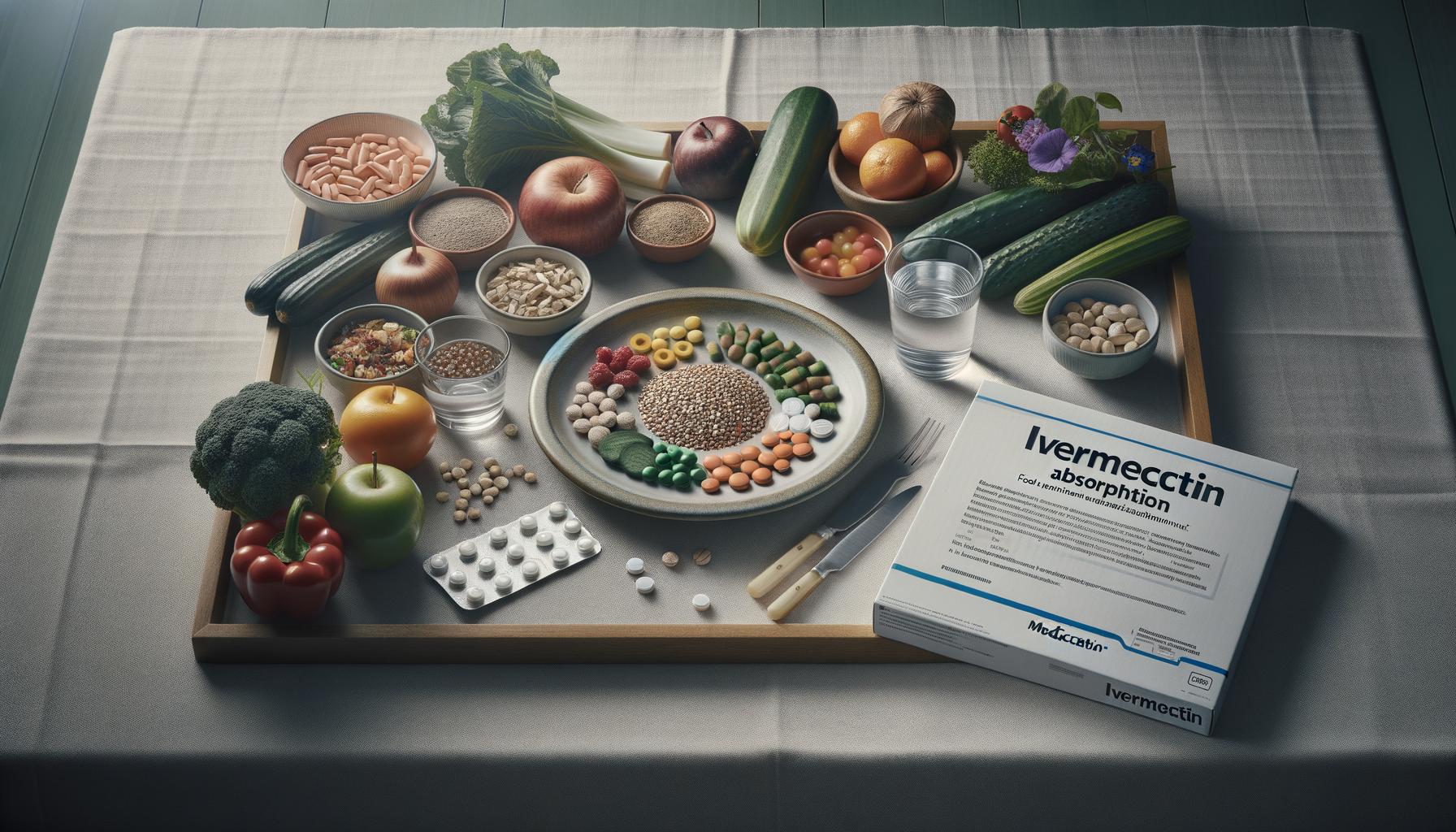
The Science Behind Ivermectin and Food Interactions
One of the fascinating aspects of ivermectin’s pharmacology is how intricately food influences its absorption and ultimate effectiveness. Because ivermectin is highly lipophilic – meaning it dissolves readily in fat rather than water – the presence of dietary fat in the gut significantly enhances its uptake. This isn’t just a minor boost; studies have demonstrated that taking ivermectin with a meal containing moderate fat content can approximately double the drug’s bioavailability compared to taking it on an empty stomach. Essentially, more of the active compound enters the bloodstream, potentially increasing the treatment’s efficacy.
How Fat Enhances Absorption
Fat-rich foods improve ivermectin’s solubility in the digestive tract. When you consume dietary fats, your body releases bile acids and forms micelles-tiny fat droplets-that help dissolve lipophilic drugs. This micellar formation facilitates ivermectin’s passage through the intestinal lining, making it easier for the drug to enter your bloodstream. Additionally, fat delays gastric emptying, meaning the drug remains in the stomach and upper intestines longer, allowing for more thorough absorption.
However, not all meals are equally beneficial. High-fiber meals, for example, can have the opposite effect. Fiber can bind to ivermectin or speed up intestinal transit, reducing the time the drug spends in absorptive regions. This can lead to lower plasma concentrations and potentially diminish effectiveness. Therefore, the type and composition of your meal around dosing time can have a measurable impact on how well ivermectin works.
Considerations for Real-World Use
- Moderate fats work best: Foods like nuts, olives, avocados, or small amounts of healthy oils provide enough fat to improve absorption without causing digestive discomfort.
- Timing matters: Taking ivermectin soon after eating allows the drug to benefit fully from the digestive process that releases bile and forms micelles.
- Individual variability: Factors like metabolism, gut health, and existing medical conditions may alter how effectively your body absorbs the medication, despite the meal composition.
Understanding these interactions empowers you to make informed choices that complement your treatment plan. While the science supports taking ivermectin with a moderately fatty meal, it’s important to tailor this advice to your personal health context and always consult your healthcare provider for guidance suited to your specific needs. This combined approach helps ensure you gain the maximum therapeutic benefit from ivermectin without unnecessary guesswork.
Best Practices for Taking Ivermectin with Meals
Taking ivermectin with meals thoughtfully can substantially improve how well your body absorbs and uses the medication. Since ivermectin is a fat-loving (lipophilic) compound, pairing it with the right kind of food enhances its solubility and uptake in the digestive system. This means the drug can enter your bloodstream more effectively, optimizing its therapeutic impact. However, success isn’t just about eating anything – it’s about making smart nutritional choices around your dosing.
- Choose moderate-fat meals: Including healthy fats such as those found in avocados, nuts, olive oil, or fatty fish helps increase bile secretion and micelle formation, which are key for ivermectin absorption. Avoid extreme high-fat meals that might cause discomfort or digestive upset.
- Timing is crucial: Aim to take ivermectin shortly after finishing your meal rather than before or long after eating. This ensures the drug benefits from ongoing digestive processes while stomach contents aid solubilization. A window within 30 minutes post-meal is generally effective.
- Limit high-fiber foods near dosing: Dietary fiber can bind to ivermectin or accelerate intestinal transit time, potentially decreasing the amount absorbed. It’s wise to reduce very fiber-rich foods like bran cereals, legumes, or raw vegetables around the time you take your dose.
- Hydration supports absorption: Drinking a moderate amount of water helps maintain an optimal environment for drug dissolution and movement through the gut without diluting digestive enzymes excessively.
Practical Tips from Real-World Use
If you need a concrete meal idea, a small serving of grilled salmon with a drizzle of olive oil and a side of cooked vegetables can provide fats that promote ivermectin uptake without overwhelming your stomach. Alternatively, a handful of mixed nuts or a slice of whole grain toast with avocado makes a simple, fat-inclusive option. Avoid pairing ivermectin with caffeine or alcohol at the dosing meal, as these substances may interfere with digestion or cause interactions.
Everyone’s digestion is unique. Some may find that a lighter meal suits them better, while others tolerate moderate fats easily. Monitoring how you feel after dosing, and adjusting your food choices accordingly, empowers you to tailor your experience. Keep in mind that while food can boost ivermectin’s bioavailability, it does not override the importance of following your healthcare provider’s dosage instructions strictly.
In summary, synchronizing ivermectin intake with a moderate-fat meal shortly before or after dosing, avoiding excessive fiber and irritants, and staying hydrated represents a balanced approach to maximizing absorption. Always discuss your meal plans and medication routine with a healthcare professional, especially if you have underlying digestive issues or complex medication regimens, to ensure safe and effective treatment.
Signs of Optimal Ivermectin Absorption
Absorbing ivermectin effectively is key to achieving its intended therapeutic benefits. While you won’t see ivermectin working like a painkiller within minutes, there are subtle signs that your body is absorbing the drug well and using it as expected. One of the most telling indicators is the absence of symptoms related to your initial condition after completion of the treatment course, which implies that the medication has reached therapeutic levels in the bloodstream.
Some people may notice mild, temporary side effects such as dizziness, fatigue, or slight gastrointestinal discomfort. These can sometimes suggest that ivermectin is being systemically absorbed and metabolized, though their presence or absence does not guarantee effectiveness. Importantly, lack of side effects doesn’t mean the drug isn’t working; individual responses vary widely.
You can also monitor factors indirectly linked to absorption:
- Symptom Improvement: Gradual relief from symptoms targeted by ivermectin (e.g., parasitic infections) typically emerges within days to weeks. Consistent improvement is a good sign that absorption was adequate.
- Stable or improving lab results: In some cases, follow-up blood tests or medical exams can confirm parasite reduction, reflecting that ivermectin reached effective levels internally.
- Consistent dosing with food: Taking the medication under optimized conditions-like with moderate fats as described-enhances confidence that absorption is maximized and therapy is on track.
Practical Approach to Gauge Absorption
Tracking how you take ivermectin and noting any changes in symptoms helps create a feedback loop. For example, if digestion is comfortable and symptoms steadily lessen, your absorption is likely sufficient. Conversely, persistent symptoms or worsening condition might suggest absorption issues or need for medical reassessment. Always communicate with your healthcare provider if you suspect something isn’t working or if side effects become significant.
Remember that individual digestion, co-medications, and overall health can impact absorption. Taking ivermectin with the right meal composition supports better uptake but does not guarantee a precise blood level measurable outside clinical testing. Your best tool remains observing clinical progress while maintaining optimal dosing habits.
In essence, feeling better over time and following prescribed intake guidelines after a fat-inclusive meal are the most accessible signs that ivermectin is being absorbed well. For personalized assessment and reassurance, consulting your healthcare professional remains essential.
Ivermectin Dosage Timing: Key Considerations
Ivermectin’s effectiveness hinges not only on the correct dosage but also on the timing of when you take it in relation to meals. Interestingly, studies and clinical experience suggest that taking ivermectin with food-especially meals containing moderate fat-can enhance its absorption in the gastrointestinal tract. This is important because better absorption means higher drug levels in the bloodstream, which in turn improves the drug’s ability to fight parasitic infections. However, timing should be carefully considered to maximize this benefit without causing discomfort or interfering with other medications.
Taking ivermectin *during* or *immediately after* a meal tends to optimize its uptake because the presence of food, particularly fats, stimulates bile production. Bile salts aid in dissolving fat-soluble drugs like ivermectin, enhancing their absorption. For example, a patient might find it helpful to take ivermectin with a breakfast or dinner that includes healthy fats-such as avocado, nuts, or a small portion of dairy-to boost bioavailability gently and naturally. Conversely, taking ivermectin on an empty stomach might reduce absorption and potentially decrease its efficacy.
- Consistency is key: Try to take ivermectin at the same time of day with a similar meal composition each dosing occasion. This helps maintain predictable blood levels and improves treatment reliability.
- Avoid taking with certain medications or supplements: Some drugs can interfere with ivermectin absorption or metabolism, so spacing doses apart-usually by a few hours-can avoid interactions.
- Listen to your body: If taking ivermectin with food causes mild stomach upset, adjusting the meal size or content can help without compromising absorption.
Practical Timing Tips
For those prescribed a single dose, such as in the treatment of strongyloidiasis or scabies, it can be convenient to plan your ivermectin dose alongside your largest meal of the day. This method provides a natural fat boost and tends to improve adherence to treatment schedules.
If ivermectin is taken repeatedly or over a longer course, maintaining the same food timing and meal type is even more important. Because individual digestion and drug metabolism vary, keeping a simple journal of when you take the drug, what you eat, and how you feel afterward can help identify the best routine tailored specifically for you.
Before any adjustments, always consult your healthcare provider. They can offer personalized advice, considering your medical history, other medications, and the specific infection you are treating. Remember, while timing with food optimizes absorption, it doesn’t replace the fundamental importance of following the prescribed dose and duration.
In summary, strategically aligning ivermectin intake with meals-especially those containing fats-not only enhances absorption but also supports steady drug levels and potentially better treatment outcomes. Thoughtful attention to timing encourages not just better results, but also a more comfortable experience during therapy.
Comparing Ivermectin Forms: Tablets vs. Liquid
Many people wonder whether the form of ivermectin they take-tablet or liquid-impacts how well the drug is absorbed, especially when taken with food. While both forms deliver the same active ingredient, slight differences in formulation can influence convenience, absorption speed, and ultimately, effectiveness.
Ivermectin tablets are the most common form prescribed. They are designed to dissolve in the stomach, releasing the drug gradually. When taken with a meal containing moderate fat, tablets benefit from increased bile production, which helps dissolve this lipophilic drug and enhances absorption. Tablets offer stable dosing and easy portability, making them practical for many patients. However, they may take a bit longer to enter the bloodstream compared to liquids due to the time needed for disintegration and dissolution.
Liquid ivermectin formulations, such as oral suspensions, can offer faster initial absorption because the drug is already in a dissolved state. This can be advantageous for individuals who have trouble swallowing pills or require rapid onset. Similar to tablets, taking liquid ivermectin with food-particularly fats-supports absorption, but the ease of digestion might make timing slightly more flexible. Still, the liquid form may differ in taste or require refrigeration, which could affect preference and adherence.
Key Considerations Between Tablets and Liquid Forms
| Aspect | Tablet | Liquid |
|---|---|---|
| Absorption | Good with food; gradual release | Potentially faster; already dissolved |
| Convenience | Portable, easy storage | May require refrigeration, bulkier |
| Suitability | For most adults and children who can swallow pills | Preferred for children or those with swallowing difficulties |
| Taste | Neutral (swallowed whole) | May have unpleasant taste |
| Dosage Accuracy | Fixed dose | Dose can be adjusted precisely with measuring devices |
In practice, the choice between forms often depends on personal preference, ease of administration, and clinical context rather than dramatic differences in absorption. It remains crucial, however, regardless of form, to take ivermectin alongside food, especially fats, to optimize absorption due to its lipophilic nature. This benefit does not change between tablets and liquids.
If you find that one form causes gastrointestinal discomfort or is inconvenient, discuss alternatives with your healthcare provider. They can help ensure you use the form that best fits your needs without compromising on therapeutic efficacy. Remember, adherence to both dosage and timing aligned with meals is a significant driver of ivermectin’s success in treatment.
Common Myths About Ivermectin Consumption
Ivermectin has been surrounded by a fair share of misconceptions, especially regarding how and when it should be taken for best results. One common myth is that ivermectin must always be taken on an empty stomach to maximize effectiveness. In reality, the drug’s absorption improves significantly when taken with a meal containing some fat. This is because ivermectin is highly lipophilic-it dissolves better in fats, which increases its bioavailability. Skipping food or taking it on an empty stomach could actually reduce how much medication your body absorbs, potentially lessening its therapeutic impact.
Another frequent misunderstanding is that the type of food you eat with ivermectin doesn’t matter much. While any food might help, meals with moderate fat content are particularly beneficial because they stimulate bile production. Bile acts like a natural detergent, helping to dissolve ivermectin more effectively in the intestine and facilitating its passage into the bloodstream. For example, a meal including healthy fats like avocado, nuts, or olive oil can support better absorption compared to a low-fat or fasting state.
It’s also worth dispelling the myth that all forms of ivermectin behave identically in the body regardless of food intake. While pills and liquid forms contain the same active ingredient, their absorption dynamics differ slightly. Both benefit from food, but liquids may be absorbed somewhat faster because the drug is already dissolved. Still, this advantage doesn’t change the fundamental need to take ivermectin alongside food to optimize its uptake.
- Myth: Taking ivermectin without food is better.
- Fact: Taking ivermectin with a fatty meal enhances absorption and effectiveness.
- Myth: Any food is as good as any other.
- Fact: Meals with moderate fat content support better drug dissolution and uptake.
- Myth: Tablets and liquid ivermectin need the same timing and conditions.
- Fact: Both benefit from food, but liquid forms may absorb faster.
Understanding these facts can help you avoid common pitfalls and make more informed decisions about how you take ivermectin. Always consult your healthcare provider for personalized guidance, especially if you experience digestion issues or have special dietary needs. Their recommendations can help tailor treatment to your lifestyle while ensuring you get the full benefit of the medication’s intended effects.
Expert Opinions: What Do Professionals Say?
Ivermectin’s effectiveness hinges not only on the dose but also on how well your body absorbs the medication. Medical professionals widely agree that taking ivermectin alongside food, particularly meals containing some fat, optimizes its absorption. This consensus is rooted in ivermectin’s nature as a highly lipophilic (fat-attracting) compound, meaning it dissolves more readily in fatty substances, which in turn enhances its bioavailability and therapeutic action.
Experts emphasize that the presence of dietary fat stimulates bile secretion, a natural detergent produced by the liver that helps emulsify fats and improve the dissolution of lipophilic drugs like ivermectin in the intestine. This understanding has led many clinicians to recommend patients take ivermectin with a meal, rather than on an empty stomach, to ensure the maximum amount of the active ingredient enters the bloodstream. In fact, some studies have demonstrated a significant increase in plasma concentrations when ivermectin is taken with food, making the timing of the dose a key consideration for treatment efficacy.
While the clinical advantage of taking ivermectin with food is clear, healthcare professionals also caution that patients should avoid very high-fat meals or excessive calories that might alter drug metabolism unpredictably or cause discomfort. Balanced meals containing moderate amounts of healthy fats, such as olive oil, nuts, or avocado, are typically advised. Physicians also point out that liquid formulations may be absorbed somewhat faster than tablets due to their dissolved state, but both forms benefit from concomitant food intake. Importantly, individual patient factors, such as digestive health and co-administration of other medications, can affect absorption, so these should be discussed with a healthcare provider.
- Practical advice: Incorporate a moderate-fat meal when dosing ivermectin to harness better absorption.
- Clarification: Avoid the misconception that fasting improves drug effectiveness-data suggest otherwise.
- Personalization: Consult your doctor about your specific dietary habits and health conditions to optimize results.
- Safety reminder: Use ivermectin as prescribed and in consultation with healthcare professionals to balance efficacy and minimize side effects.
Ultimately, the expert view balances biological knowledge with patient-centered care. They underscore the need for clear communication around dosing instructions and openness to adjust them based on real-world responses. By following professional guidance and understanding the science behind ivermectin’s absorption, patients are better positioned to achieve the desired therapeutic outcomes safely and effectively.
Potential Side Effects of Ivermectin with Food
Ivermectin’s absorption can improve when taken with food, especially meals containing moderate fat, but this change in absorption also has implications for potential side effects. When food increases ivermectin’s bioavailability, it essentially means more of the drug enters the bloodstream. This heightened presence can sometimes lead to stronger or more noticeable side effects compared to taking the medication on an empty stomach.
Most commonly, people might experience mild effects such as dizziness, nausea, or gastrointestinal discomfort, which can be more pronounced if the drug is absorbed more quickly or in larger amounts. For some, increased absorption may intensify symptoms like headache or fatigue. It’s important to note that severe adverse reactions are rare but possible, especially if doses are not properly adjusted or if other health issues are present.
Balancing Absorption and Side Effects
Because food enhances ivermectin’s effectiveness by improving absorption, it’s essential to balance this benefit with the risk of side effects. Taking ivermectin with a meal that has moderate fat-rather than a heavy, high-fat feast-can help optimize absorption without drastically amplifying adverse effects. Overly fatty meals may lead to unpredictable absorption spikes, which can increase the chance of side effects such as:
- Gastrointestinal Upset: Including nausea, abdominal pain, or diarrhea.
- CNS Effects: Such as dizziness, lightheadedness, and rarely confusion or seizures in vulnerable individuals.
- Hypersensitivity Reactions: Though uncommon, some patients may develop rash, itching, or swelling.
Those with preexisting liver conditions or who are on other medications metabolized by the liver should exercise caution, as food-enhanced absorption may influence drug interactions and side effect profiles.
Practical Advice for Minimizing Side Effects
- Start with smaller, light meals when first beginning ivermectin to assess tolerance.
- Avoid very high-fat or greasy foods around the dosing time to prevent abrupt increases in drug levels.
- Stay well-hydrated, as this helps reduce some common side effects like dizziness.
- Report any unusual symptoms promptly to your healthcare provider, especially neurological signs such as confusion or seizures, which require immediate attention.
Ultimately, while taking ivermectin with food often improves therapeutic outcomes, individual responses can vary. Consultation with a healthcare professional ensures careful monitoring, appropriate dosing, and management of any side effects to maximize safety and efficacy. Always follow prescribed instructions closely and share your dietary habits with your provider to tailor the best approach for you.
Patient Experiences: Real Stories and Recommendations
Few medications spark as much personal variation in experience as ivermectin, especially regarding how and when it’s taken with food. Many patients share that taking ivermectin with a moderate meal-notably one containing some fat-seems to enhance the drug’s effectiveness without causing significant side effects. A common recommendation from these individuals is to avoid large, greasy meals around dosing times, as excess fat sometimes led to uncomfortable nausea or dizziness. These nuanced food interactions often affect adherence, which in turn shapes therapeutic outcomes.
Lessons from Patient Narratives
- Start Light, Observe Effects: Several users mention beginning ivermectin treatment with light meals such as yogurt, fruit, or toast with a bit of healthy fat (like avocado or nuts) to gauge their body’s response. This gradual introduction helps reduce unexpected side effects while still improving absorption.
- Hydration Matters: Many patients emphasize drinking plenty of water alongside their meals and medication, which supports tolerance and reduces feelings of dizziness, a frequently reported mild side effect.
- Consistent Meal Timing: Some individuals found taking ivermectin at consistent times relative to meals helped regulate the drug’s effects and minimize fluctuations in symptom intensity, fostering a sense of predictability and control.
Practical Advice from Real-World Use
Based on shared experiences, the following pragmatic steps often emerge as useful:
| Tip | Purpose |
|---|---|
| Avoid greasy/hyper-fatty meals | Prevents sudden spikes in drug absorption and avoids gastrointestinal discomfort. |
| Include moderate fat (e.g., eggs, nuts, olive oil) | Enhances ivermectin’s bioavailability to optimize effectiveness. |
| Stay hydrated before and after dosing | Reduces dizziness and supports overall tolerance. |
| Monitor symptoms closely during first doses | Allows early identification of side effects and adjustment of food or timing. |
While these steps have benefited many, experiences are individual. For example, some report minimal absorption issues on an empty stomach but appreciate reduced nausea when dosing with food. Others find the increased absorption worth mild side effects. This variability highlights the importance of tailored approaches based on one’s own reactions and medical advice.
Keep Lines of Communication Open
Patients frequently suggest keeping healthcare providers informed about any side effects or changes in symptom patterns. Trusted providers can offer adjustments, whether to the timing of ivermectin relative to meals or to dosage itself, maximizing both safety and benefit.
Ultimately, the shared wisdom from patient experiences reinforces that taking ivermectin with food-particularly a meal containing some fat-is often advantageous but must be balanced thoughtfully. Careful observation and proactive communication remain key to optimal outcomes.
When to Consult a Healthcare Professional
Sometimes, subtle changes in how you take ivermectin-especially in relation to food-can significantly affect both its effectiveness and your comfort. If you notice unexpected side effects, erratic symptom relief, or if you have underlying health conditions, this is your cue to seek professional advice. Even small adjustments in dosage timing or meal composition should be guided by a healthcare provider to ensure safety and maximum benefit.
Signs That Warrant Professional Guidance
- Persistent or severe side effects: If nausea, dizziness, or digestive discomfort worsen despite modifying your diet or hydration, it’s important to consult a medical professional.
- Conflicting symptom responses: When symptoms improve inconsistently, or you experience a flare-up after meals with different fat content, expert advice can help tailor your regimen.
- Complex medical history: Individuals with liver disease, sensitivity to medications, or who take other drugs should never self-adjust ivermectin without professional oversight.
- Pregnancy or breastfeeding: Since ivermectin crosses into breast milk and pregnancy alters drug metabolism, personalized guidance is essential to balance risks and benefits.
Practical Steps for Productive Consultations
Before your appointment, keep a detailed log of your ivermectin intake alongside meals, noting the type and timing of food, water consumption, symptom patterns, and any side effects. This record provides your healthcare provider valuable insight into your absorption and tolerance, allowing for personalized recommendations.
- Ask about timing strategies: Should you take ivermectin strictly on an empty stomach, or would a light meal with moderate fat serve better in your case?
- Inquire about dose adjustments: Could a split dose or lower strength minimize discomfort while maintaining effectiveness?
- Discuss alternative formulations: Sometimes liquid forms or different brands change absorption characteristics and side effect profiles.
Remember: Your Safety and Comfort Matter Most
While ivermectin’s absorption is influenced by food, individual responses vary widely. Professionals rely on evidence-based guidelines combined with your lived experience to find the best balance. Never hesitate to voice concerns or ask questions. Empowering yourself with knowledge and a collaborative healthcare relationship ensures you use ivermectin safely and effectively, optimizing both therapeutic results and quality of life.
Faq
Q: Does taking ivermectin with a high-fat meal improve its absorption?
A: Yes, taking ivermectin with a high-fat meal can enhance its absorption by increasing the drug’s bioavailability. Fat slows gastric emptying and boosts solubility, allowing more ivermectin to enter the bloodstream. To optimize absorption, consider a meal with healthy fats before dosing, as supported in pharmacokinetic studies [1].
Q: How long should I wait after eating before taking ivermectin for best absorption?
A: For optimal absorption, it’s best to take ivermectin within 30 minutes after a meal. This timing allows the drug to benefit from digestive processes without delaying its uptake. Avoid taking it on an empty stomach, which may reduce absorption efficiency. Consult your healthcare provider for personalized advice.
Q: Can certain foods reduce the effectiveness of ivermectin absorption?
A: Yes, certain foods, such as those very high in fiber or certain dairy products, may interfere with ivermectin absorption by binding the drug or altering gut transit time. To avoid this, take ivermectin with moderate, balanced meals and avoid excessive fiber close to dosing. This helps ensure steady and effective drug uptake.
Q: Is there a difference in absorption when taking ivermectin in liquid form vs. tablets with food?
A: Yes, ivermectin in liquid form tends to be absorbed faster and may achieve higher plasma levels than tablets. Taking either form with food further improves absorption, but liquids might offer quicker onset. Choose the form based on convenience and doctor’s recommendations for better treatment outcomes [3].
Q: Can repeatedly taking ivermectin with food affect its overall absorption or efficacy?
A: Taking ivermectin consistently with food enhances absorption and maintains stable drug levels, potentially improving efficacy. There is no evidence that regular co-administration with meals reduces the drug’s effectiveness. Maintaining consistent timing with meals supports optimal pharmacokinetics and treatment success.
Q: Why does ivermectin sometimes show a second plasma concentration peak after dosing with food?
A: The second plasma peak is caused by enterohepatic recycling, where ivermectin is reabsorbed from the intestines after liver metabolism. Food intake can influence this process by affecting digestive enzymes and bile flow, leading to this characteristic double-peak pattern and sustained drug levels [2].
Q: Should I adjust the timing of ivermectin doses if I eat irregularly?
A: If your meals vary, try to take ivermectin shortly after a meal to improve absorption. If meals are irregular, coordinate dosing with your largest or most balanced meal for consistent absorption. Regular timing with food helps maintain effective drug levels and optimizes treatment outcomes.
Q: Can drinking beverages like coffee or juice with ivermectin affect its absorption when taken with food?
A: Beverages like coffee or juice generally do not significantly alter ivermectin absorption when taken with food. However, avoid alcohol or grapefruit juice as they may impact drug metabolism. Stick to water or non-acidic drinks alongside food to ensure stable and predictable ivermectin uptake.
For additional insights on ivermectin dosing and food interactions, refer to our detailed sections on absorption and dosage timing. Always consult a healthcare professional for personalized guidance.
Concluding Remarks
Understanding how food impacts ivermectin absorption helps you make informed decisions about your treatment. While studies show that taking ivermectin with food-especially a high-fat meal-has minimal effect on its absorption, being aware of these factors ensures you optimize its benefits safely and effectively. Always remember to consult with your healthcare provider before making adjustments to your medication routine to address any personal considerations or concerns.
If you found this guide helpful, explore our related resources on medication best practices and pharmacokinetics to deepen your understanding. Don’t hesitate to sign up for our newsletter for the latest updates and expert insights on safe medication use. Share your experiences or questions below-engagement helps us provide content that meets your needs. Stay informed, choose wisely, and join a community committed to evidence-based health decisions surrounding ivermectin and more.
Get our latest guides, news, and insights highlighted in your Google Search & AI Overviews.


