Did you know that millions worldwide carry hidden parasitic worms that can silently affect digestion, energy, and overall health? Ivermectin is a well-researched medication used to target these unwanted guests, offering a way to support your body’s natural detox process. In this guide, we’ll explore how ivermectin-based parasite cleansing works, its role in removing intestinal worms, and what science says about its safe use. If you’ve ever felt bloated, fatigued, or just “off” without clear cause, understanding parasite cleansing could provide valuable insights. While ivermectin is an important tool against parasitic infections, it’s equally crucial to approach treatment thoughtfully and consult healthcare professionals before starting any protocol. This introduction aims to help you make informed decisions and appreciate the balance between natural body detox methods and medically backed therapies. Let’s delve into how this parasite cleanse may fit into your journey toward better health, always with respect for your unique needs and the latest scientific knowledge.
Ivermectin: An Overview of Its Uses and Benefits
Ivermectin stands out as a remarkable compound originally derived from natural sources-specifically, a soil bacterium named *Streptomyces avermitilis*. Since its discovery, it has gained recognition for its potent activity against a broad range of parasites. This drug has revolutionized the treatment of several parasitic infections in humans and animals by targeting the nervous system of the parasites, effectively paralyzing and killing them without causing harm to the host at approved doses.
Its primary medical uses include treating infections caused by parasitic worms such as those responsible for onchocerciasis (river blindness) and lymphatic filariasis. Additionally, ivermectin is approved for topical application to manage conditions like head lice and rosacea, where parasitic mites may play a role. These varied uses highlight its versatility as an antiparasitic agent. However, when considering ivermectin for a parasite cleanse or body detox, it is crucial to understand that its efficacy and safety are well-established only within the contexts approved by health authorities. Off-label uses or self-administered detox protocols may carry risks, and consulting a healthcare professional is always advised.
How Ivermectin Works in Parasite Management
Ivermectin targets specific neurotransmitter pathways unique to parasites, disrupting their nervous system functions. This mechanism causes paralysis and death of the parasite, helping clear infections. Unlike broad-spectrum approaches, ivermectin is selective, meaning it does not affect human nerves at typical therapeutic doses, which contributes to its safety profile. For those interested in detoxing via parasite elimination, this selective action underpins why ivermectin has gained attention as a pharmaceutical option compared to traditional herbal remedies.
Balancing Benefits with Considerations
While ivermectin offers proven benefits in controlling certain parasitic infections, it is not a catch-all solution for every parasite-related concern. For instance:
- It does not replace good hygiene and preventative measures that reduce reinfection risks.
- The drug is not approved for treating or preventing viral illnesses or non-parasitic conditions despite occasional claims.
- Poorly supervised use or incorrect dosing may result in side effects or toxicity.
Understanding these points helps users set realistic expectations and approach ivermectin within an informed, cautious framework. When used responsibly and under medical supervision, ivermectin remains a powerful, evidence-supported tool in parasite control, making it a key part of the broader conversation on natural body detoxification strategies.
For those exploring parasite cleanses, combining ivermectin with supportive lifestyle habits-such as balanced nutrition and hydration-can enhance overall wellness. Yet, the decision to use it should be grounded in clear medical guidance to ensure safety and effectiveness.
Understanding Parasites: Types and Symptoms
Parasites are more common than many realize, quietly affecting millions worldwide with diverse symptoms that often mimic other health issues. These organisms live on or inside a host, drawing nutrients at the host’s expense. Understanding the types of parasites and their symptoms is crucial for recognizing when a parasite cleanse, such as one involving ivermectin under medical guidance, might be needed.
Parasites generally fall into three main categories: protozoa, helminths, and ectoparasites. Protozoa are microscopic, single-celled organisms that can cause illnesses like amoebiasis or giardiasis. Helminths are larger, multicellular worms including roundworms, tapeworms, and flukes. These often inhabit the digestive tract but may also affect other organs. Lastly, ectoparasites such as lice and mites reside on the skin surface, causing conditions like scabies or head lice infestations.
Symptoms vary widely depending on the parasite type and infection location. Common signs include digestive disturbances like diarrhea, bloating, and abdominal cramps; unexplained fatigue; weight loss; skin irritations; and sometimes neurological symptoms such as headaches or itching. Because these symptoms overlap with other conditions, accurate diagnosis by a healthcare provider is essential before starting any treatment.
Recognizing Parasite-Related Symptoms
- Digestive issues: Persistent gas, nausea, or irregular bowel movements may hint at intestinal parasites.
- Skin problems: Rash, itching, or unexplained dermatitis can indicate ectoparasite activity.
- Systemic effects: Fatigue, muscle pain, or mood changes might arise from a broader parasitic infection.
- Visible signs: In some cases, physical worms or eggs may be detected in stool or through skin examination, confirming infection.
If you experience persistent or severe symptoms, professional testing is the safest way to identify the parasite type and guide appropriate treatment. This approach helps avoid unnecessary or unsafe self-medication and supports targeted use of therapies like ivermectin within approved medical frameworks. Being informed about what parasites do and how they affect the body empowers you to make wise decisions in your health journey.
The Science Behind Ivermectin as a Parasite Cleanse
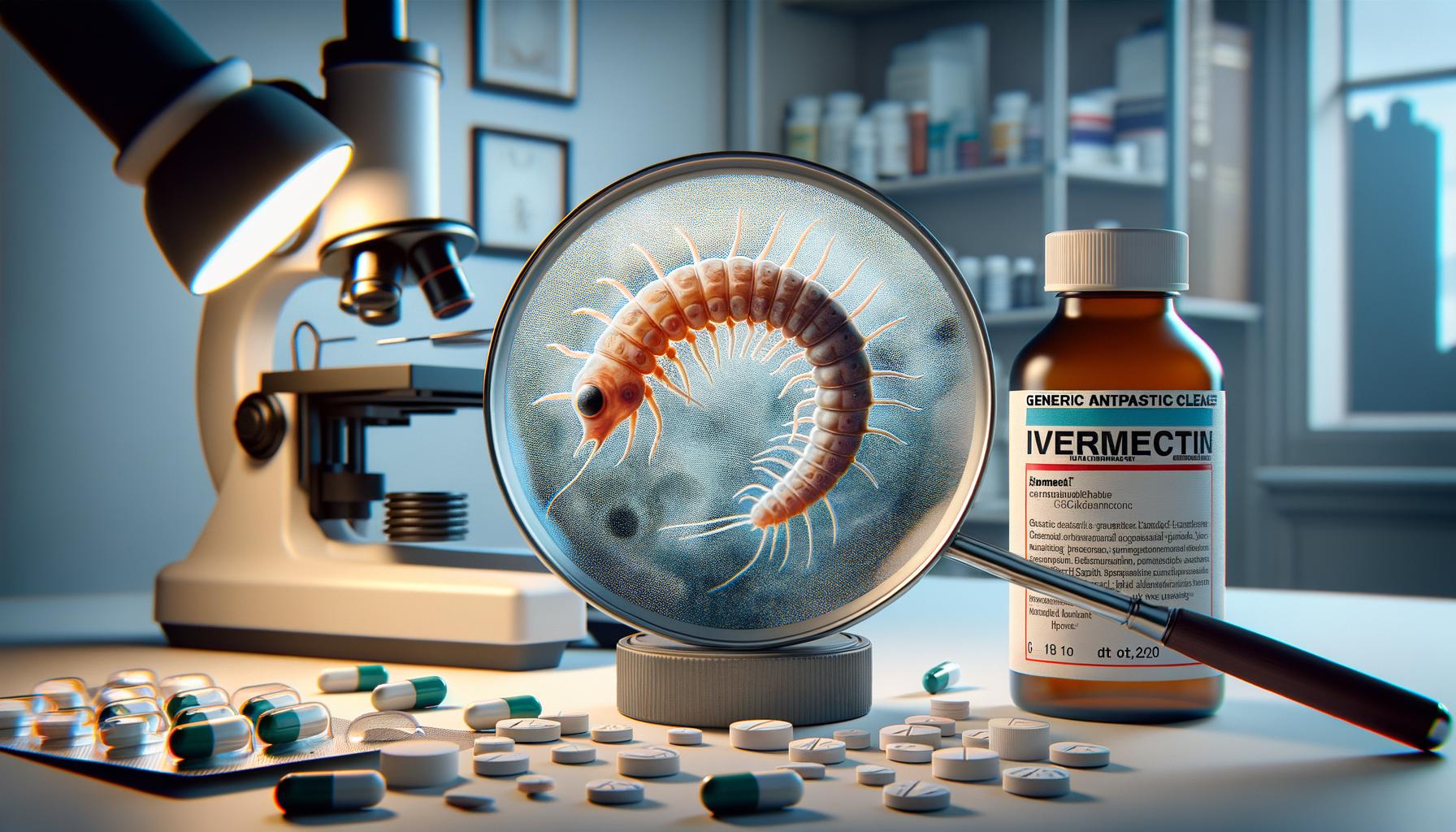
Ivermectin stands out as a powerful tool in the fight against parasitic infections due to its targeted action on the nervous system of parasites. Unlike broad-spectrum treatments that may affect both harmful and beneficial organisms, ivermectin specifically binds to glutamate-gated chloride channels found in many parasitic worms and ectoparasites. This binding disrupts the parasite’s nerve and muscle function, leading to paralysis and eventual death of the immature or adult parasites without significantly affecting humans, as these channels are absent or rare in mammalian cells.
This precision explains why ivermectin is highly effective for conditions like onchocerciasis (river blindness) and lymphatic filariasis, which are caused by filarial worms. In these infections, ivermectin works mainly against the microfilariae-the larval forms of the worms-reducing their numbers and interrupting the parasite lifecycle. However, it has limited effect on the adult worms themselves, which is why repeated doses or combination treatments may be necessary under medical supervision to achieve long-term clearance [[1]](https://www.cdc.gov/filarial-worms/treatment/onchocerciasis.html), [[2]](https://www.ema.europa.eu/en/news/new-combination-medicines-treat-parasitic-worm-infections).
How Ivermectin Differs from Natural Detoxes
While many natural parasite cleanses rely on herbs and dietary changes aimed at supporting the body’s elimination pathways or creating inhospitable environments for parasites, ivermectin acts pharmacologically with a specific biochemical target. This specificity makes it a clinically validated treatment option, backed by decades of research and field use. However, it is important to emphasize that ivermectin should only be taken under healthcare guidance, as improper use can lead to side effects or toxicity. The drug’s impact is dose-dependent, and not all parasites respond equally, reinforcing the need for proper diagnosis and follow-up.
Practical Considerations for Use
If you are considering ivermectin as part of a parasite cleanse, it’s essential to consult a healthcare professional to confirm the presence of parasites that respond to this medication. Testing and careful medical evaluation ensure the right dosage and prevent misuse. Additionally, combining ivermectin treatment with supportive lifestyle measures-such as maintaining hygiene, improving sanitation, and addressing nutritional needs-can enhance outcomes and reduce the risk of reinfection or complications.
- Mechanism of action: Targets parasite nervous system, causing paralysis.
- Effective primarily against: Microfilariae and certain intestinal worms.
- Not a cure-all: Requires medical diagnosis and follow-up.
- Complementary approach: Best used alongside supportive health measures.
Understanding how ivermectin works allows you to approach parasite cleansing with realistic expectations and respect for the drug’s strengths and limitations. When used wisely and responsibly, it can be a critical part of restoring health from parasitic infections.
Natural vs. Pharmaceutical Detox: Key Differences
Many people turn to parasite cleansing seeking improved health, but it’s important to understand that not all detox methods work the same way. Natural detox approaches often emphasize gentle, holistic support-using herbs, dietary adjustments, and lifestyle changes to encourage the body’s own elimination systems like the liver, kidneys, and digestive tract. These methods aim to create an environment less favorable to parasites by improving gut health, boosting immunity, and reducing inflammation without directly attacking the parasites themselves.
In contrast, pharmaceutical detox agents like ivermectin work through precise biochemical mechanisms that target specific parasite physiology. Ivermectin binds to unique channels in parasite nerve and muscle cells, causing paralysis and death of the parasite. This direct, targeted approach enables rapid reduction of parasite loads in the body and is supported by clinical trials and decades of medical use. However, pharmaceutical treatments are tailored for well-defined parasitic infections with diagnosed pathogens, which means they require careful medical supervision, including correct dosing and monitoring for side effects.
Complementary Strengths and Limitations
- Natural detox: Supports overall wellness, promotes gradual parasite elimination, and typically has minimal side effects. However, it may not effectively clear heavy or specific infections on its own.
- Pharmaceutical detox (e.g., ivermectin): Provides rapid, targeted parasite clearance for specific infections but may cause side effects if misused, and does not promote detoxification of the body’s own metabolic byproducts.
Because of these differences, combining natural and pharmaceutical methods thoughtfully-with medical guidance-can offer a balanced approach. For example, natural therapies can be used before or after pharmaceutical treatment to strengthen immunity and support detox pathways, helping reduce the risk of reinfection and promote overall recovery.
Making Informed Choices
When deciding between natural and pharmaceutical parasite cleanses, consider that natural protocols require patience and consistency, often spanning weeks or months. Their subtle effects on parasite environments make them safer for long-term use. On the other hand, pharmaceutical options like ivermectin are powerful tools best reserved for confirmed infections where rapid intervention is warranted.
Always consult a healthcare professional before starting any parasite cleanse. Proper diagnosis and testing ensure that you receive the most appropriate treatment for your specific situation, minimizing risks and maximizing benefits. Remember, neither natural nor pharmaceutical detoxes should be seen as miracle cures, but rather as components of a comprehensive health strategy tailored to your needs.
The Detox Protocol: Step-by-Step Guide
Detoxing the body from parasites using ivermectin requires a thoughtful, stepwise approach that respects both the power of the medication and your body’s natural resilience. While ivermectin targets parasites directly, supporting your body before, during, and after treatment can optimize results and reduce discomfort. Beginning with preparation, it’s important to nurture your digestive health and immunity so your system can manage the toxin release as parasites die off.
Start by consulting a healthcare provider to confirm parasite infection and appropriate ivermectin dosing. Under supervision, the medication is usually taken as a single dose or repeated after a few months if necessary. Alongside this, incorporate gentle dietary changes to ease digestive load. Emphasize whole foods rich in fiber-such as vegetables, fruits, and whole grains-to promote healthy bowel movements, which help expel dead parasites and their toxins. Hydration is equally essential; drinking plenty of water supports kidney function and toxin clearance.
Supporting Steps During Treatment
- Rest and monitoring: Allow your body adequate rest. Monitor for side effects like dizziness or mild gastrointestinal upset, which can occur but often resolve quickly.
- Supplementation: Consider probiotics to maintain gut flora balance disrupted by parasite death and medication.
- Gentle detox aids: Herbal teas such as peppermint or ginger may soothe digestion and reduce nausea.
- Avoid heavy alcohol and processed foods: These can impair liver function, slowing detox processes.
Post-Treatment Recovery and Maintenance
After the medication runs its course, maintaining a parasite-unfriendly environment is crucial. Continue a balanced diet that supports immune defense and gut health. Some practitioners recommend natural antiparasitic herbs like wormwood or garlic as adjuncts, but these should not replace pharmaceutical treatment and must be used carefully. Routine follow-up testing ensures the parasite load has decreased or cleared entirely.
| Step | Focus | Key Actions |
|---|---|---|
| Preparation | Optimize immunity and gut health | Consult doctor; eat high-fiber foods; hydrate well |
| Treatment | Administer ivermectin safely | Take medication as prescribed; rest; avoid alcohol |
| Support | Manage side effects; support digestion | Use probiotics; herbal teas; monitor symptoms |
| Recovery | Maintain parasite-free environment | Balanced diet; follow-up testing; optional herbal support |
Remember, this protocol emphasizes balance: leveraging ivermectin’s potent antiparasitic effects while drawing on natural support strategies to minimize side effects and enhance your body’s self-healing capabilities. Always prioritize professional medical guidance to tailor steps to your individual health status, avoiding indiscriminate use which may lead to unnecessary risks. This considered integration offers the best chance at a successful, sustainable parasite cleanse.
Potential Side Effects and Risks of Ivermectin Use
It’s important to understand that while ivermectin is a powerful antiparasitic medication, it can cause side effects ranging from mild to serious. Many people tolerate ivermectin well, especially when taken as prescribed under medical supervision. However, some individuals might experience symptoms like dizziness, nausea, or diarrhea, which usually resolve on their own as the body adjusts to the medication. These milder reactions often reflect the body’s response to dying parasites releasing toxins, a phenomenon sometimes referred to as a “die-off” or Herxheimer reaction.
Common and Mild Side Effects
- Gastrointestinal discomfort: This includes nausea, diarrhea, or stomach pain. Staying hydrated and eating light, easily digestible foods during treatment can help ease these symptoms.
- Dizziness or fatigue: Some users report lightheadedness or tiredness. Rest and avoid activities requiring full alertness until these symptoms pass.
- Mild skin reactions: Itching or rashes may occur, likely related to the body’s immune response against parasites.
Though these effects can be inconvenient, they often indicate that the medication is working and tend to be temporary. Supportive care such as probiotics and herbal teas like ginger or peppermint can soothe digestion and reduce discomfort during this phase.
Serious Risks to Consider
Though rare, serious adverse effects can happen, especially if ivermectin is used improperly or in excessive doses. Symptoms such as severe confusion, seizures, rapid heart rate, or difficulty breathing require immediate medical attention. These may result from toxicity or an intense immune response. Additionally, individuals with pre-existing liver conditions should exercise caution, as ivermectin metabolism heavily involves the liver. If you notice jaundice (yellowing of skin or eyes), dark urine, or persistent abdominal pain, it’s critical to consult a healthcare provider promptly.
| Side Effect Category | Examples | Recommended Actions |
|---|---|---|
| Mild | Dizziness, nausea, mild diarrhea, itching | Rest, hydrate, use probiotics or herbal teas, monitor symptoms |
| Serious | Severe confusion, seizures, hypotension, jaundice | Seek emergency medical care immediately |
Personalizing Safety: What You Can Do
Before starting an ivermectin cleanse, obtaining a proper diagnosis and dosing guidance from a healthcare professional is critical. Self-medicating or using doses beyond recommended levels greatly increases risk. Transparency about your complete medical history-including any liver issues, medications, or neurological conditions-enables your provider to tailor safe treatment plans.
If side effects appear, don’t hesitate to communicate with your medical team. Sometimes spacing doses or adjunct therapies like probiotics can improve comfort. Remember, the goal is a parasite cleanse that supports your whole body’s resilience without overwhelming it.
Taking these precautions empowers you to navigate ivermectin safely as part of a balanced, informed parasite detox protocol. Trustworthy, supervised use leverages ivermectin’s benefits while minimizing risks, making your journey toward wellness smoother and more successful.
Supporting Your Body: Nutrition During Detox
A parasite cleanse can challenge the body’s systems, making thoughtful nutrition an essential ally during detox. Supporting your liver, gut, and immune system with the right foods helps ease the strain caused by parasites dying and being eliminated. This period often involves increased toxin release, so providing your body with nutrients that promote detoxification and repair can improve comfort and boost overall results.
Focus on whole, minimally processed foods rich in antioxidants and fiber. These help neutralize free radicals and support liver enzymes responsible for breaking down toxins. Vegetables like leafy greens, broccoli, and beets contain compounds that stimulate bile flow – a key detox pathway. Incorporating foods high in fiber, such as chia seeds, flaxseeds, and legumes, aids in binding and expelling waste products through the digestive tract. Keeping well-hydrated enhances kidney function and flushes out toxins effectively.
Nutritional Strategies to Support Detox
- Protein: Moderate amounts of clean protein (e.g., poultry, fish, legumes) support liver enzyme production and tissue repair without overwhelming digestion.
- Healthy Fats: Omega-3 fatty acids found in flaxseed, walnuts, and fatty fish help calm inflammation and support cell membranes during detox.
- Probiotics and Prebiotics: These help maintain gut balance and prevent dysbiosis, which can worsen symptoms during parasite die-off. Yogurt, kefir, sauerkraut, garlic, and onions are good choices.
- Hydration: Water, herbal teas (like ginger and peppermint), and broths keep detox pathways fluid and relieve common symptoms such as nausea or cramps.
Adapt meal choices if gastrointestinal upset occurs-a common side effect of both parasites dying and the medication. Favor easy-to-digest options like soups, steamed vegetables, and simple grains (e.g., rice, quinoa). Small, frequent meals help sustain energy without taxing your digestive system.
Pay attention to your body’s signals. Some find that reducing sugar and processed foods helps reduce inflammation and limits parasite fuel, while others benefit from gentle supplementation under professional guidance. Before making significant changes or adding supplements, consulting a healthcare provider ensures your nutritional plan is safe and tailored to your needs.
By nourishing your body thoughtfully during an ivermectin parasite cleanse, you provide essential support to your liver, gut, and immune system. This approach promotes a smoother detox experience and helps restore balance naturally, empowering your body to heal and regain strength.
Holistic Practices to Enhance the Detox Process
The body’s natural detoxification mechanisms can be gently supported-and sometimes accelerated-by adopting holistic practices that complement an ivermectin parasite cleanse. Engaging in mindful activities helps reduce stress, improve circulation, and foster an environment where the immune and lymphatic systems can operate more effectively. Practices such as gentle yoga, deep breathing exercises, or meditation help lower cortisol levels, which if elevated can impair detox pathways and prolong inflammation during parasite elimination.
Physical movement is another powerful ally. Regular low-impact exercise enhances lymph flow, assisting the body in clearing metabolic waste and cellular debris released during the cleanse. Activities like walking, swimming, or tai chi work well because they stimulate circulation without overwhelming a body already working hard to detoxify. Keeping the body moving supports muscle tone and encourages bowel regularity, crucial for expelling parasites and toxins safely.
Incorporating dry brushing or lymphatic massage can further boost lymph drainage-an essential but often overlooked detox pathway. These practices stimulate skin receptors and promote gentle detoxification through the largest organ of elimination: the skin. They may also ease common cleanse symptoms such as bloating and fatigue by reducing fluid retention and encouraging toxin mobilization. Always use gentle pressure and avoid irritated areas to prevent discomfort.
Practical Holistic Enhancements
- Hydrotherapy: Alternating warm and cool showers can invigorate circulation and support detox organs like the liver and kidneys.
- Aromatherapy: Essential oils like lavender and eucalyptus may soothe the nervous system and promote relaxation during stressful detox phases.
- Restorative Sleep: Prioritize consistent, quality sleep to enhance immune function and allow the body time to repair and detoxify naturally.
- Mindful Hydration: Complement water intake with herbal teas such as dandelion or milk thistle-traditionally used to support liver health.
These holistic strategies do not replace medical care or the ivermectin protocol itself; rather, they create a supportive environment for your body’s natural healing processes. As the detox journey can vary greatly from person to person, consulting with a healthcare professional before adding new practices is essential. This ensures a safe and balanced approach tailored to your unique health status, helping you navigate your cleanse with confidence and respect for your body’s signals.
When to Seek Medical Advice: Consultations and Considerations
Many people begin a parasite cleanse with hope and curiosity, but it’s important to recognize when professional guidance is necessary to ensure safety and effectiveness. While ivermectin can be a powerful aid against parasitic infections, self-treating without medical advice can lead to complications, especially for those with pre-existing health conditions or those already on medication. Understanding when to reach out to a healthcare provider can make a significant difference in your detox journey.
Certain symptoms signal the need for immediate consultation. If you experience severe allergic reactions such as rash, swelling, difficulty breathing, or persistent dizziness after taking ivermectin, seek emergency care. Likewise, if your body shows signs of intense detox reactions-like high fever, uncontrollable vomiting, or neurological symptoms such as confusion or seizures-it’s crucial to stop the cleanse and get medical help. These symptoms may indicate a strong systemic response or underlying issues requiring professional intervention.
For individuals with chronic illnesses, compromised immune systems, liver or kidney disease, or those who are pregnant or breastfeeding, consulting a healthcare professional before starting the ivermectin protocol is essential. Such conditions can influence how the drug is metabolized and increase the risk of side effects. Even without these risk factors, discussing your parasite cleanse plan with a doctor helps tailor the dosage and duration to your unique needs, ensuring a balanced approach that minimizes risks.
When to Prioritize Medical Guidance
- Pre-existing health conditions: Asthma, autoimmune disorders, liver/kidney impairments
- Medication interactions: Blood thinners, immunosuppressants, or other prescription drugs
- Age considerations: Children, seniors, or those with fragile health
- Pregnancy and lactation: Safety for the developing fetus or infant
- Unexpected side effects: Neurological symptoms, allergic reactions, or severe gastrointestinal distress
Working with a healthcare provider also offers the chance to monitor your progress using appropriate tests, such as stool analysis or blood work, to track parasite elimination and organ function. Regular follow-ups can help adjust the protocol if needed and address any concerns arising during the cleanse. This partnership promotes a safer, more informed detox experience founded on medical science rather than guesswork.
Remember, no natural or pharmaceutical detox should replace professional medical advice, especially when dealing with parasitic infections. Prioritizing your body’s health through informed decisions ensures that your efforts to cleanse and restore wellbeing are both effective and sustainable.
Evidence-Based Research: What Studies Say About Ivermectin
Ivermectin’s journey in medical research has highlighted its established use as a reliable antiparasitic agent. Studies have shown that ivermectin effectively targets a range of parasites responsible for common infections, making it a trusted component in parasite cleanse protocols worldwide. However, while its antiparasitic benefits are well documented, it’s crucial to separate proven applications from areas of ongoing investigation or controversy.
Researchers have demonstrated ivermectin’s ability to disrupt the nervous system of parasites, leading to their paralysis and eventual death. This mechanism is the foundation for its use against parasites such as head lice, scabies, and certain intestinal worms. Clinical trials supporting these uses provide clear evidence of efficacy when used as directed within medically supervised treatments. This scientific backing reassures many that ivermectin is a potent tool in managing parasitic infections when integrated safely into a detox routine.
Critical Insights from Clinical Studies
- Efficacy: Multiple randomized controlled trials confirm ivermectin’s high success rate in eradicating specific parasitic infections, improving symptoms and quality of life.
- Dosage and Safety: Evidence underscores the importance of correct dosing to minimize potential side effects. Medical oversight ensures dosages are tailored to individual needs and health conditions.
- Limitations: While effective for parasites, ivermectin does not cleanse the body of toxins or other non-parasitic agents. Detox protocols should reflect this specificity.
Despite some experimental studies exploring ivermectin’s effects against viruses, such as early laboratory research into SARS-CoV-2, these findings have not translated into definitive clinical benefits for viral infections or general detoxification. Such distinctions matter; ivermectin should not be viewed as a universal remedy but as a targeted antiparasitic treatment supported by rigorous scientific data [[1]](https://www.sciencedirect.com/science/article/pii/S0166354220302011).
Balancing Enthusiasm with Evidence
It’s natural to seek natural or pharmaceutical solutions for parasite cleansing, yet thoughtful consideration of the evidence can guide safer choices. Users who approach ivermectin with respect for its medicinal purpose rather than expecting a “cure-all” benefit will find their detox protocols more effective and less risky. Additionally, engaging healthcare professionals ensures that using ivermectin fits within your overall health strategy, accounting for potential interactions and individual sensitivities.
Ultimately, integrating ivermectin into a parasite cleanse demands an evidence-based approach: recognizing where science affirms its use and where claims exceed current knowledge. Medical advice, appropriate diagnostics, and monitoring are the pillars of a successful and safe detox regimen that leverages ivermectin’s true benefits.
| Aspect | Summary |
|---|---|
| Proven Applications | Effective against intestinal worms, scabies, lice with FDA-approved uses |
| Mechanism | Paralyzes parasite nervous system to prevent survival |
| Safety Considerations | Requires medical dosing; risk of side effects minimized under supervision |
| Misconceptions | No evidence supporting use as general detox or antiviral without prescription |
User Experiences: Reviews and Testimonials on Ivermectin Detox
Many individuals who have incorporated ivermectin into their parasite cleanse routines report noticeable improvements in symptoms associated with parasitic infections, such as reduced itching, digestive discomfort, and fatigue. These positive experiences often stem from ivermectin’s targeted action against parasites, which, when combined with proper dosing and medical guidance, can lead to effective relief. However, user testimonials also emphasize that results vary widely depending on the individual’s health status, type of parasite, and adherence to the treatment protocol.
A common theme in many reviews is the importance of medical supervision. Users who consulted healthcare providers before and during their ivermectin regimen often described a smoother experience, with minimized side effects and better understanding of their condition. In contrast, self-medicating or deviating from prescribed dosages sometimes led to adverse reactions or ineffective outcomes. This distinction underlines that ivermectin is not a simple “one size fits all” remedy but a medication best used responsibly within a broader health strategy.
Some users also share holistic insights, mentioning that combining ivermectin with supportive nutritional measures, such as increased hydration and a balanced diet rich in fiber, helped enhance their overall comfort during detox. Others highlight feeling mentally reassured when they coupled their treatment with follow-up lab testing or consultations, which provided objective feedback on parasite clearance progress. These practical steps offer real-world guidance for those interested in incorporating ivermectin thoughtfully.
Key Takeaways from User Feedback
- Effectiveness: Many report significant symptom relief when ivermectin is used appropriately, especially for confirmed parasitic infections.
- Medical Oversight: Guided treatment reduces risks and improves outcomes compared to unsupervised use.
- Supportive Care: Nutritional support and regular health monitoring enhance the detox experience.
- Individual Variation: Responses to ivermectin can differ widely, underscoring the need for personalized approaches.
Ultimately, while ivermectin has demonstrated clear benefits as part of parasite cleansing, personal experiences reinforce the message that its use must be careful, informed, and part of a comprehensive health plan. Always seeking professional advice ensures both safety and efficacy, making your detox journey smarter and more effective.
Exploring Alternative Parasite Cleansing Methods
Parasite cleansing is a topic that attracts various approaches beyond pharmaceutical treatments like ivermectin. Many seek gentler, natural methods either to complement medical regimens or when conventional drugs aren’t suitable for them. While natural detox options rarely match the targeted potency of prescribed antiparasitic medications, some offer supportive benefits and symptom relief when used wisely.
Herbal remedies such as wormwood, black walnut hull, and cloves have a long history in traditional medicine for their antiparasitic properties. These botanicals contain compounds believed to create an unfavorable environment for parasites, potentially interrupting their life cycle. However, scientific evidence varies, and these herbs should be used cautiously and ideally under professional guidance to avoid toxicity or interactions with other medications.
Dietary modifications also play an important role. A fiber-rich diet combined with probiotics can help promote gut health by supporting beneficial bacteria, which may indirectly discourage parasite colonization. Avoiding highly processed foods, sugars, and alcohol is often recommended because these can impair immune function and digestive health. Hydration and regular bowel movements assist in flushing waste and reducing parasite load naturally.
Comparing Natural Approaches and Pharmaceutical Treatments
| Aspect | Natural Methods | Pharmaceutical (e.g., Ivermectin) |
|---|---|---|
| Potency | Mild to moderate; may require longer use | High; fast and targeted parasite elimination |
| Scientific Support | Limited and mixed; mostly traditional or preliminary studies | Extensive clinical trials; FDA-approved for many parasites |
| Side Effects | Generally mild if dosed properly; possible herb-drug interactions | Possible side effects and risks; needs medical supervision |
| Usage Context | Complementary, preventative, or for mild cases | Confirmed infections needing effective treatment |
Ultimately, the decision to use alternative parasite cleansing methods should be individualized. For those considering natural options, it is best to consult with a healthcare provider familiar with both herbal and conventional treatments. Integrating lifestyle changes, nutrition, and supportive therapies creates a balanced detox strategy. Remember, no method is universally effective, and professional diagnosis and monitoring remain crucial to safely and effectively address parasitic infections.
Frequently Asked Questions
Q: How does ivermectin support the body’s natural detox process during a parasite cleanse?
A: Ivermectin aids the natural detox process by targeting and eliminating parasitic worms and ectoparasites, reducing toxic burden on the body. Supporting detox involves proper hydration and nutrition to help the liver and kidneys eliminate waste effectively during treatment.Q: What are the signs that a parasite cleanse with ivermectin is working?
A: Signs of an effective ivermectin parasite cleanse include reduced digestive discomfort, fewer symptoms like fatigue or itching, and improved energy levels. Mild detox reactions such as temporary headaches or mild nausea may occur as parasites die off, signaling the cleanse is active.Q: Can ivermectin be safely combined with herbal detox supplements during a parasite cleanse?
A: Ivermectin can be combined with certain gentle herbal supplements that support liver function and immunity, such as milk thistle or garlic, but consult a healthcare provider first. Avoid supplements that may interfere with ivermectin metabolism or cause additional side effects.Q: Why is hydration important during an ivermectin parasite cleanse protocol?
A: Hydration is crucial as it helps flush out toxins released during parasite die-off and supports kidney and liver function. Drinking plenty of water ensures more efficient detoxification and reduces the risk of side effects like headaches or sluggish digestion during the cleanse.Q: How soon should someone expect to see results after starting an ivermectin parasite cleanse?
A: Results vary, but many notice symptom relief within 3 to 7 days after beginning ivermectin. Full parasite eradication and detox benefits often require completing the full protocol, with improvements continuing over several weeks when combined with supportive nutrition.Q: What lifestyle habits enhance the effectiveness of an ivermectin parasite detox?
A: Enhancing the detox involves adequate sleep, stress management, a balanced diet rich in fiber, and gentle exercise. These habits boost immune function and promote toxin elimination, complementing ivermectin’s parasite-cleansing effects for a more thorough detox.Q: When should I seek medical advice during an ivermectin parasite cleanse?
A: Seek medical advice if you experience severe side effects like intense rash, persistent nausea, neurological symptoms, or allergic reactions during the cleanse. Regular consultations are recommended to tailor treatment and ensure safety, especially if you have underlying health conditions.Q: Can ivermectin cleanse protocols be used preventatively against parasites?
A: Preventative use of ivermectin is not generally advised without medical supervision. Detox protocols work best when tailored to active infections. Routine use without confirmed need can lead to resistance or side effects; consult a doctor before considering prevention strategies.
A: Signs of an effective ivermectin parasite cleanse include reduced digestive discomfort, fewer symptoms like fatigue or itching, and improved energy levels. Mild detox reactions such as temporary headaches or mild nausea may occur as parasites die off, signaling the cleanse is active.
Q: Can ivermectin be safely combined with herbal detox supplements during a parasite cleanse?
A: Ivermectin can be combined with certain gentle herbal supplements that support liver function and immunity, such as milk thistle or garlic, but consult a healthcare provider first. Avoid supplements that may interfere with ivermectin metabolism or cause additional side effects.Q: Why is hydration important during an ivermectin parasite cleanse protocol?
A: Hydration is crucial as it helps flush out toxins released during parasite die-off and supports kidney and liver function. Drinking plenty of water ensures more efficient detoxification and reduces the risk of side effects like headaches or sluggish digestion during the cleanse.Q: How soon should someone expect to see results after starting an ivermectin parasite cleanse?
A: Results vary, but many notice symptom relief within 3 to 7 days after beginning ivermectin. Full parasite eradication and detox benefits often require completing the full protocol, with improvements continuing over several weeks when combined with supportive nutrition.Q: What lifestyle habits enhance the effectiveness of an ivermectin parasite detox?
A: Enhancing the detox involves adequate sleep, stress management, a balanced diet rich in fiber, and gentle exercise. These habits boost immune function and promote toxin elimination, complementing ivermectin’s parasite-cleansing effects for a more thorough detox.Q: When should I seek medical advice during an ivermectin parasite cleanse?
A: Seek medical advice if you experience severe side effects like intense rash, persistent nausea, neurological symptoms, or allergic reactions during the cleanse. Regular consultations are recommended to tailor treatment and ensure safety, especially if you have underlying health conditions.Q: Can ivermectin cleanse protocols be used preventatively against parasites?
A: Preventative use of ivermectin is not generally advised without medical supervision. Detox protocols work best when tailored to active infections. Routine use without confirmed need can lead to resistance or side effects; consult a doctor before considering prevention strategies.
A: Hydration is crucial as it helps flush out toxins released during parasite die-off and supports kidney and liver function. Drinking plenty of water ensures more efficient detoxification and reduces the risk of side effects like headaches or sluggish digestion during the cleanse.
Q: How soon should someone expect to see results after starting an ivermectin parasite cleanse?
A: Results vary, but many notice symptom relief within 3 to 7 days after beginning ivermectin. Full parasite eradication and detox benefits often require completing the full protocol, with improvements continuing over several weeks when combined with supportive nutrition.Q: What lifestyle habits enhance the effectiveness of an ivermectin parasite detox?
A: Enhancing the detox involves adequate sleep, stress management, a balanced diet rich in fiber, and gentle exercise. These habits boost immune function and promote toxin elimination, complementing ivermectin’s parasite-cleansing effects for a more thorough detox.Q: When should I seek medical advice during an ivermectin parasite cleanse?
A: Seek medical advice if you experience severe side effects like intense rash, persistent nausea, neurological symptoms, or allergic reactions during the cleanse. Regular consultations are recommended to tailor treatment and ensure safety, especially if you have underlying health conditions.Q: Can ivermectin cleanse protocols be used preventatively against parasites?
A: Preventative use of ivermectin is not generally advised without medical supervision. Detox protocols work best when tailored to active infections. Routine use without confirmed need can lead to resistance or side effects; consult a doctor before considering prevention strategies.
A: Enhancing the detox involves adequate sleep, stress management, a balanced diet rich in fiber, and gentle exercise. These habits boost immune function and promote toxin elimination, complementing ivermectin’s parasite-cleansing effects for a more thorough detox.
Q: When should I seek medical advice during an ivermectin parasite cleanse?
A: Seek medical advice if you experience severe side effects like intense rash, persistent nausea, neurological symptoms, or allergic reactions during the cleanse. Regular consultations are recommended to tailor treatment and ensure safety, especially if you have underlying health conditions.Q: Can ivermectin cleanse protocols be used preventatively against parasites?
A: Preventative use of ivermectin is not generally advised without medical supervision. Detox protocols work best when tailored to active infections. Routine use without confirmed need can lead to resistance or side effects; consult a doctor before considering prevention strategies.
A: Preventative use of ivermectin is not generally advised without medical supervision. Detox protocols work best when tailored to active infections. Routine use without confirmed need can lead to resistance or side effects; consult a doctor before considering prevention strategies.
Feel free to explore these FAQs alongside the detailed detox guidance in the main article to make informed choices and optimize your parasite cleanse journey.
In Summary
Taking charge of your health with the Ivermectin parasite cleanse offers a thoughtful, science-backed approach to natural body detoxification. This protocol supports your body’s efforts to reduce parasitic burdens, promoting overall wellness and renewed vitality. If you’re ready to take the next step toward a cleaner, healthier system, consider exploring our related resources on natural detox methods and parasitic infection prevention to deepen your understanding.
Stay empowered with knowledge-consult a healthcare professional before starting any detox protocol to ensure it aligns with your individual health needs. For continued support, subscribe to our newsletter for updates on effective parasite cleanse strategies, or visit our product pages for trusted tools to complement your journey. We invite you to share your experiences or questions in the comments below-your insights can help others seeking natural parasite detox solutions. Dive deeper into topics like intestinal health and immune support, and keep returning for expert-backed guidance on maintaining lasting wellness with safe, natural protocols.
Get our latest guides, news, and insights highlighted in your Google Search & AI Overviews.